Scorata scores summarize analyzed review evidence on a 1–5 scale; they are not laboratory measurements or a simple average of customer star ratings. Feature scores summarize the reviews covering that feature. The overall score averages feature scores within each review, then combines review averages. When both expert and customer evidence are available, those two groups receive equal weight. Products can have different review coverage, so small score gaps do not establish a winner.
Recommendations prioritize important features for the category, with a score of at least 3.5, a gap of at least 0.25 points and at least two supporting reviews per product. Features with widely varying scores or broad connectivity contexts are excluded from recommendations. These safeguards do not establish statistical significance.
Quick verdict
What each product is best for
The review evidence points to a tradeoff: Grinder, hopper and dosing system and Capacity versus Cup, tray and carafe handling and Design, ergonomics and footprint. Choose according to which strengths matter more to you; the overall score alone does not settle that choice.
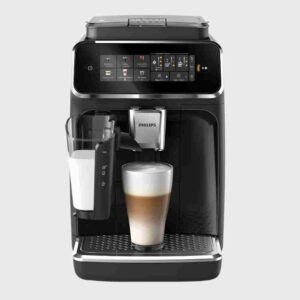
Choose Philips 3300 LatteGo Fully Automatic Espresso Machine for Grinder, hopper and dosing system and Capacity.
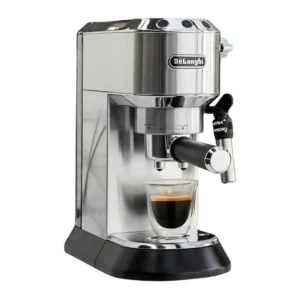
Choose De’Longhi Dedica Deluxe Automatic Espresso Machine for Cup, tray and carafe handling and Design, ergonomics and footprint.
Grinder, hopper and dosing system is 4.4 vs 2.8. The grinder and hopper score well for quiet operation, ceramic durability, useful adjustment, and freshness, with only some...
Capacity is 3.8 vs 3.2. Capacity is mostly viewed as practical, especially water and bean storage, though one review warns refilling and emptying...
Filter is 4.1 vs 3.7. AquaClean is praised for reducing descaling and improving maintenance convenience, though longevity depends on water conditions.
Cup, tray and carafe handling is 4.2 vs 3.5. Cup and tray handling is a strength: reviewers praise the adjustable drip tray, cup warmer, and taller-cup clearance,...
Design, ergonomics and footprint is 4.7 vs 4.0. The narrow footprint and small-space design are the strongest area of agreement, with reviewers repeatedly praising how easily...
Brewing performance and consistency is 4.1 vs 3.6. Brewing consistency is generally strong for a compact starter machine, especially with programmed volumes and pressurized baskets, though...
Brewing consistency is generally strong for a compact starter machine, especially with programmed volumes and pressurized baskets, though one lab found overall performance average.
The pressurized baskets help beginners get crema and consistency, but reviewers say they limit clarity and control; non-pressurized baskets improve ceiling when paired with a grinder.
The grinder and hopper score well for quiet operation, ceramic durability, useful adjustment, and freshness, with only some concern about limited espresso resistance.
The grinder/dosing story is a major caveat: reviewers repeatedly note there is no built-in grinder and that better results require a capable external grinder.
Puck handling is mixed: one reviewer loves how cleanly pucks knock out, while others warn the lack of a solenoid can cause splatter if opened too soon.
Cup and tray handling is a strength: reviewers praise the adjustable drip tray, cup warmer, and taller-cup clearance, with only minor caveats about the warmer or tray limits.
Heating performance is split: warm-up is very fast, but several reviewers say temperature or power can fall short for light roasts, microfoam, or long sessions.
Capacity suits solo or small-household use, with acceptable tank size for the footprint, but reviewers flag a small drip tray, frequent refills, and slow service for groups.
Milk performance is a clear strength for casual cappuccinos and latte macchiatos, though some reviewers find the foam too thick or less refined than barista microfoam.
Milk performance is good for casual lattes and cappuccinos, but steam power and true microfoam are recurring limits for latte art or experienced users.
Beverage quality is generally liked for everyday use, especially milk drinks, but multiple reviewers describe espresso as lighter, thinner, or only decent rather than class-leading.
Espresso quality is good for a beginner compact machine and can become impressive with fresh beans and upgrades, but some reviewers find it watery, thin, or below prosumer results.
Popularity is supported by reviewers calling the Dedica line widely liked and a top shopping-list choice because of its small footprint, low price, and cup results.
Limited pump-pressure evidence is mildly positive: reviewers connected the 15-bar pump with crema and said the lower spec should not be noticeable in taste.
Pressure evidence is mixed: reviewers say it can maintain or achieve workable espresso pressure, but also criticize 15-bar claims and the lack of pressure tuning hardware.
Maintenance is one of the strongest points: reviewers repeatedly praise easy LatteGo cleaning, removable parts, and AquaClean reducing descaling hassle.
Maintenance and water handling are mostly easy, with praise for cleaning, removable tank access, and descaling reminders, though descaling can require attention.
Overall experience is strongest for beginners and small-space users; reviewers like the simple workflow but warn it is not a pro-level or fully convenient machine.
Value is broadly praised as strong for a compact starter espresso machine, but reviewers temper that with grinder/accessory costs and some same-price competition.
The narrow footprint and small-space design are the strongest area of agreement, with reviewers repeatedly praising how easily it fits small kitchens, dorms, and tight counters.
Build quality receives mixed but mostly serviceable marks: reviewers cite metal or premium-feeling exterior parts and long-term reliability, while noting plastic, light weight, and entry-level construction.
Recurring design limitations include no three-way solenoid, clogging with very fine grinds, limited temperature/power, no pressure gauge, and smaller-format workflow limits.
The iced function is the most divided beverage feature: some reviewers enjoy stronger iced coffee, while others say it is not true cold brew and can taste dull.
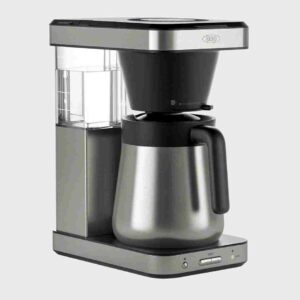
Choose the OXO Brew 8-Cup if you want fast, consistent drip coffee in small or full batches. Skip it if you need programming, app controls, a larger pot, or the...
Pros: Brewing performance and consistency, Overall user experience
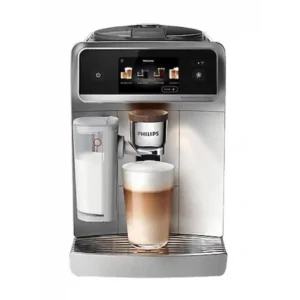
Best for effortless, highly personalized hot and cold coffee in a busy multi-drinker home. Skip it if counter space is tight, you demand silky adjustable microfoam, or the premium price...
Pros: Automation and sensors, Overall user experience
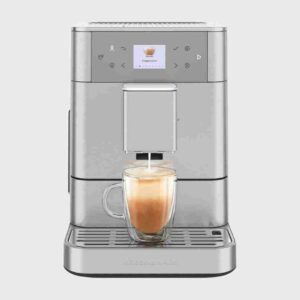
Choose the KitchenAid KF6 for rich espresso, quiet operation, easy cleaning, and strong value in a super-automatic. Skip it if dense cappuccino foam, plant-milk presets, touchscreen controls, or an included...
Pros: Water system, maintenance and descaling, Overall user experience
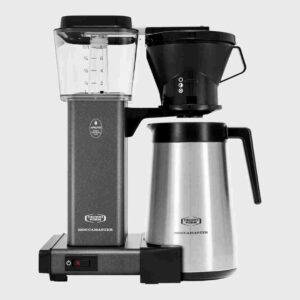
Choose the Moccamaster KBT for fast, excellent drip coffee, durable build, and a thermal carafe that keeps coffee hot. Skip it if you need programmability, a compact footprint, or a...
Pros: Brewing performance and consistency, Espresso and beverage quality