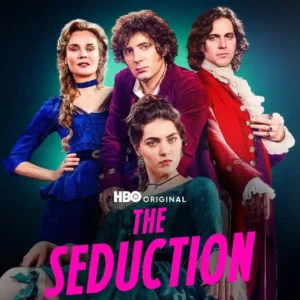
The Seduction
Where It Has the Edge
- pilot episode quality is 4.0 vs 3.7. The opening episode creates strong interest and clearly establishes Isabelle’s dilemma, though some motivations remain vague. Later pacing...

Scorata scores summarize analyzed review evidence on a 1–5 scale; they are not laboratory measurements or a simple average of customer star ratings. Feature scores summarize the reviews covering that feature. The overall score averages feature scores within each review, then combines review averages. When both expert and customer evidence are available, those two groups receive equal weight. Products can have different review coverage, so small score gaps do not establish a winner.
Recommendations prioritize important features for the category, with a score of at least 3.5, a gap of at least 0.25 points and at least two supporting reviews per product. Features with widely varying scores or broad connectivity contexts are excluded from recommendations. These safeguards do not establish statistical significance.
Quick verdict
The review evidence points to a tradeoff: pilot episode quality versus faithfulness to source material and genre satisfaction. Choose according to which strengths matter more to you; the overall score alone does not settle that choice.
Choose The Seduction for pilot episode quality.
Choose A Tale of Two Cities for faithfulness to source material and genre satisfaction.
Scores are out of 5. Missing scores mean missing review evidence, not a missing feature.
Chemistry is a standout, especially around Isabelle, Rosemonde, and Valmont. The central pairings are described as dynamite, intoxicating, and compelling enough to elevate the material.
One strongly negative review finds the romantic chemistry among Mack, Civil, and Harington wholly lacking.
The dialogue is praised as beautiful and poetic, with an intentionally formal musicality that helps evoke the period world.
One critic objects to the adaptation's stagy exchanges, making dialogue a specific weakness in that review.
Direction earns strong praise for keeping complicated deceptions coherent and for making the intimate material visually purposeful rather than merely explicit.
Direction receives both praise for cinematic polish and criticism for choppy construction that fails to build emotional or geographical momentum.
The French setting, aristocratic behavior, and overall period detail are usually praised as convincing and immersive. The largest exception is costume accuracy, where one specialist critique finds the styling heavily modernized and historically messy.
Period authenticity is a recurring caveat: one review questions the costuming, and another says the fast-moving romance feels disconnected from the era.
This is deliberately a loose, modernized reimagining rather than a strict adaptation. That freedom is part of its appeal for some viewers, but source purists may object to the substantial changes in character histories, tone, and ending.
The adaptation takes substantial liberties, but favorable reviewers argue that the changes mostly improve the material while preserving Dickens at the core. Another calls it both a new take and a faithful love letter.
Emotional response varies widely. The strongest takes find the late-season stakes and ending resonant, while others struggle to connect with characters or feel much pull from their schemes.
Sydney's late arc lands strongly for one critic, who describes the payoff as more convincing and moving because of his earlier cynicism.
Erotic-period-drama fans have plenty to enjoy in the intrigue, kink, and visual polish. Those wanting a sharper thriller, a soapier romance, or deeper narrative substance may be less satisfied.
Period-drama fans receive a generally favorable signal: one critic calls it a very good historical drama, and another considers it well worth seeing for genre viewers.
Gercourt is a memorable villain figure, with Lucas Bravo praised for making him charming, malevolent, and vividly dark rather than one-note.
Madame Defarge is a point of disagreement: one review finds her a compelling, understandable antagonist, while another says her cause is reduced to mechanical plot function.
The series is very explicit, but the strongest reactions say the sex is purposeful, strategic, and rarely gratuitous. For its target erotic-period-drama audience, the level of sensuality is generally considered a feature rather than a flaw.
The racier sex scenes are noted as more explicit than the novel but are judged to fit the show's streaming home.
The knot of seductions and schemes is handled well in some accounts, especially as the finale gathers the threads. Other reactions find motivations hazy and the midseason narrative haphazard.
One episode-one review praised how clearly the London and France threads were linked, making the political and personal strands easier to follow.
The series can create palpable stakes and psychological tension, but not consistently. Some viewers are pulled into its slow trap, while others wait in vain for the thriller to reach edge-of-the-seat intensity.
The Alexandre Manette mystery is specifically cited as a reason to keep watching after the first episode.
The ending is generally one of the better-received parts of the season. It brings major threads together, lands its emotional reversals, and feels satisfying enough even when it softens or rewrites the source material.
The ending earns emphatic approval from the reviewer who praises the series for building to an excellent climax.
The screenplay draws opposite reactions: one take praises an airtight, fast-moving narrative, while another argues that a movie-sized script has been stretched across six episodes.
Daniel West's adaptation writing receives strong praise from one reviewer for preserving Dickens while making effective enhancements.
Pacing is the most repeated structural concern. Several accounts say the middle becomes circular, repetitive, or draggy, although a more enthusiastic take finds the narrative fast and airtight.
The four-part run can feel compressed: one review described a hard sprint through the romance that leaves some groundwork thin.
One highly positive assessment praises how secondary-character threads tighten episode by episode, giving the season a deliberate web-like structure.
The simultaneous presentation of plotlines was praised for adding momentum compared with the novel's more sequential structure.
Six episodes still feel too long to several critics. Repeated complaints suggest the material might have been tighter as four episodes or even a feature-length story.
The four-episode format feels too short to one reviewer, who wishes important later developments had another episode to breathe.
As the miniseries conclusion, the finale works well as a deliberate rewrite of the familiar Dangerous Liaisons outcome while still preserving recognizable emotional and narrative beats.
The climax is a major bright spot across several sources, described as excellent, superb, convincing, and moving.
Isabelle’s transformation is often praised as believable, magnetic, and morally complex, but the supporting cast draws much weaker reactions. Several critics say other characters lack dimension or that some developments arrive too abruptly.
Lucie's expanded agency and Sydney's richer arc earn repeated praise, though one harsh review finds the characterizations thin and another notes some relationships and arcs remain underdeveloped.
Individual episodes can feel uneven: some payoff scenes are rushed while at least one action sequence lingers too long. A more positive take says the episodes still avoid feeling pointless.
Pacing is one of the sharpest divides. Some critics found the episodes excellent and fast-moving, while others thought the opener ponderous, later developments rushed, or individual beats too crowded to land.
Sex, power, manipulation, gender, and the cost of freedom give the series substantial thematic ambition. Many find those ideas compelling, though some think the show states them too bluntly or fails to give them enough narrative substance.
The adaptation's themes are praised as remaining relevant and timely despite the age of the source material.
The opening episode creates strong interest and clearly establishes Isabelle’s dilemma, though some motivations remain vague. Later pacing problems make the first episode look stronger in retrospect.
The premiere is generally seen as promising but imperfect: two reviews call the beginning good, while another finds the first episode somewhat ponderous.
The photography is a major strength, with repeated praise for cinematic framing, exquisite lighting, and lush period imagery. Even negative assessments of the story tend to admire how the series looks.
Evocative framing and naturalistic lighting are singled out as major visual strengths.
The story earns genuine praise for its fresh origin angle, thematic ambition, and strong ending, but the middle often loses momentum. Repetition, thin supporting characters, and uneven substance keep the overall story response mixed.
Several reviewers found the adaptation engaging and well told, but others called it slow to reward patience or a bland disappointment. The core Dickens story still earns credit even from some of the harsher takes.
The female-centered reframing of sex, power, and social freedom is one of the show’s defining ideas. Many find the approach fresh and incisive, though some think the empowerment message becomes blunt or undermined by the characters’ lack of agency.
Modernization is central to the response. Several reviewers praise the updated relevance and stronger female agency, while one critic thinks the revolutionary context is oversimplified.
The web of vendettas and shifting alliances produces rich, intimate drama, especially during the stronger buildup.
One review calls the series a very good historical drama, highlighting the production's success within the genre.
The central figures are intentionally difficult company: selfish, manipulative, and often cruel. That moral ugliness suits the premise but can make emotional investment harder.
Sydney immediately fascinates one reviewer, while Charles is also described as interesting despite having less emotional space early on.
Critical enthusiasm is mixed rather than overwhelming. The strongest praise centers on craft and performances, while story substance, pacing, and faithfulness keep the overall reception more divided.
An early critical roundup reports enough positive feedback to produce an 80% Rotten Tomatoes score at that point in time.
The series has clear appeal for viewers who enjoy erotic period intrigue, and its streaming popularity suggests a sizable audience. Its selfish characters, slower stretches, and less soap-romantic approach may narrow the fit for others.
Appeal is contested: one source points to strong chart performance and another recommends it to period-drama fans, while a negative critic doubts the telling would draw viewers to the service.
The visual presentation is among the show’s strongest and most consistent qualities: lush, cinematic, opulent, and carefully lit. Even the costume skeptic concedes the camera often minimizes the most distracting styling choices.
The show's look is divisive: some see richness and elegance, while others complain about murky darkness or an artificial period-drama sheen.
The show’s world is praised for feeling elegant yet suffocating, a strong tonal fit for a story built around control, status, and seduction.
World-building ranges from excellent class contrast and a convincing revolutionary atmosphere to criticism that London and Paris look interchangeable. The setting works for some reviewers but feels stage-bound to others.
Production design is one of the most consistent strengths, from detailed rooms and salons to the broader sense of aristocratic wealth and decadence. The series often looks more assured than its narrative feels.
Art design, sets, and period detail win strong praise in several reviews, but two critics find the environments artificial, overly manicured, or too similar between London and Paris.
Most reactions praise the lush, opulent costuming as part of the show’s visual appeal. One costume-focused critique strongly objects to the historical shortcuts and mishmash of styles.
Costumes are generally admired as beautiful and elegant, though one reviewer questions whether they always look right for the period.
Supporting performances are generally well regarded even when the characters are underwritten. Abita, Kircher, and others are credited with doing more than the material sometimes gives them.
Supporting performances are frequently praised, especially Roxane Duran, with Sharon Duncan-Brewster and Ian Pirie also receiving positive notice. One negative review still credits Duran with bringing rage to an underwritten role.
Performances are one of the clearest strengths, with the ensemble repeatedly described as engaging, captivating, and unusually strong. Even harsher takes on the story generally separate the acting from the writing problems.
Across the broader ensemble, reviewers repeatedly call the cast superb or very good, and Harington's climactic work receives especially strong praise.
The leads are a major selling point, with Vartolomei, Kruger, Bravo, and Lacoste repeatedly singled out. Kruger and Vartolomei draw especially consistent praise.
The leads are usually a strength, with repeated praise for Mirren Mack and Kit Harington and positive notices for François Civil. Even favorable reviews sometimes find Darnay less interesting than Carton.
Entertainment value depends heavily on tolerance for slow, repetitive stretches. Some call it a compulsive or genuinely fun watch, while others describe boredom and patience-testing padding.
One review says the adaptation can entertain even non-Dickens fans, while another warns that its best moments require patience.
The ending lets consequences land through loss, regret, and damaged relationships rather than simple punishment. That softer reckoning still fits the adaptation’s moral outlook.
The sword-fight material is a weak spot; one prominent duel is called overlong and unnecessary to the plot.
One critic thinks Harington's performance does not fully sell the effects of Carton's self-destructive drinking.
Binge appeal is sharply split. One take calls it compulsively watchable and another praises its pull, while a much harsher assessment says the six-episode run tests patience.
Casting drew opposite reactions: one critic praised the Harington/Civil resemblance and another called Mack exactly right for Lucie, while a separate review found the crucial male resemblance unconvincing.
One critic cites CGI crowds as part of the adaptation's artificial look.
At least one critical take finds Isabelle’s later changes too abrupt, describing them as heel-turns rather than properly developed arcs.
One review sharply criticizes the episode-ending cliffhangers for lacking the urgency associated with Dickens.
The French-language presentation is mostly treated as a strength that enriches the setting and story. Subtitle-averse viewers may find it less accessible, but the native-language choice is otherwise warmly received.
The editing is a notable weakness in the harshest assessment, which argues that too many unnecessary scenes remain and should have been cut.
The story is criticized for giving Isabelle far more emotional weight than the people around her. Some supporting figures can feel interchangeable, underwritten, or like they are merely filling space.
The prequel links recognizable Dangerous Liaisons characters to a distinct origin story without simply repeating the familiar plot. Its best reactions praise that balance of connection and independence.
A beard and wig on Dr. Manette receive unusually blunt criticism and stand out as a weak visual detail.
The origin-story angle and female-centered remix are widely praised as fresh, clever, and willing to depart from the usual adaptation template. Even mixed reactions generally recognize that it is trying to be its own version.
The final twist is praised for feeling earned rather than cheap or melodramatic, reinforcing the season’s ideas about control and manipulation.
The ending is less harshly realistic than the source material, but it stops short of becoming a pure wish-fulfillment fantasy.
The expanded love triangle is highly divisive. Some reviewers buy into it or prefer the new setup, while others find one side underdeveloped, rushed, or completely lacking passion.
The final episode is strongly received for resolving long-running questions, bringing narrative threads together, and landing its major reversal without feeling cheap.
The elegant, suffocating tone is praised for matching a story about intimacy, control, and hidden motives.
One enthusiastic reviewer says the series made them want to rewatch this interpretation before returning to more Dickens.
Sound is singled out alongside the visuals as unusually rich, helping the decadent aristocratic setting feel polished and immersive.
The late use of “Hallelujah” divides opinion: it can feel familiar and overplayed, yet other reactions find the modern melancholy surprisingly fitting and effective in the finale.

Best for sharp adult humor, magnetic chemistry and a deeply satisfying farewell. Skip it if familiar will-they-won’t-they plotting or deliberately messy leads are dealbreakers.
Pros: humor, writing quality

Choose Widow’s Bay for its dark laughs, richly haunted island and memorable ensemble. Skip it if you need straightforward scares, rapid answers to every mystery or a completely resolved finale.
Pros: humor, genre satisfaction
Cons: ending satisfaction, season pacing

Choose Season 15 for warm, character-driven comedy, meaningful growth, and a finale that rewards longtime fans. Skip it if the short binge format, uneven replacement voices, or occasional clumsy commentary...
Pros: franchise connection, character development

Best for sharply acted, compassionate, high-pressure hospital drama. Skip it if graphic procedures unsettle you or you need a neatly resolved season finale.
Pros: character development, acting performance
Cons: character consistency, dialogue quality