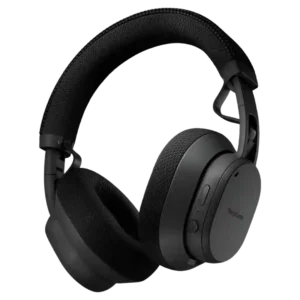

Fairphone Fairbuds XL
Where It Has the Edge
- Button control usability is 4.9 vs 4.2. The joystick is one of the most consistently loved features. Reviewers find it tactile, simple, responsive, and easier...

Scorata scores summarize analyzed review evidence on a 1–5 scale; they are not laboratory measurements or a simple average of customer star ratings. Feature scores summarize the reviews covering that feature. The overall score averages feature scores within each review, then combines review averages. When both expert and customer evidence are available, those two groups receive equal weight. Products can have different review coverage, so small score gaps do not establish a winner.
Recommendations prioritize important features for the category, with a score of at least 3.5, a gap of at least 0.25 points and at least two supporting reviews per product. Features with widely varying scores or broad connectivity contexts are excluded from recommendations. These safeguards do not establish statistical significance.
Quick verdict
The review evidence points to a tradeoff: Button control usability versus Equalizer customization and Wind noise handling. Choose according to which strengths matter more to you; the overall score alone does not settle that choice.
Choose Fairphone Fairbuds XL for Button control usability.
Choose Soundcore Anker Space One for Equalizer customization and Wind noise handling.
Scores are out of 5. Missing scores mean missing review evidence, not a missing feature.
Sound opinions range from very good and fun to merely serviceable or disappointing for the price. The common pattern is energetic, consumer-friendly tuning rather than class-leading refinement.
Sound ranges from clean and enjoyable to boomy, harsh, or dull, depending on taste and tuning. HearID and EQ often improve wireless listening, while passive wired playback draws more criticism.
Wind handling is a clear weakness in ANC/ambient and call use. Multiple reviewers describe wind noise as harsh, distracting, or overwhelming.
Wind reduction helps in several accounts, especially with ANC active. Its effect is weaker or inconsistent in transparency mode, and outdoor calls can still suffer.
ANC can introduce a low level of white-noise hiss on some units, reducing the sense of silence when cancellation is active.
One ANC assessment specifically praises the absence of background hiss.
Dynamics are energetic and forceful, but at least one reviewer finds the presentation short on subtle dynamic nuance.
Drums can deliver engaging punch and power on hip-hop tracks, even in a review that dislikes the overall bass-heavy balance.
ANC is usually described as decent to good, but opinions vary sharply. It reduces commute and room noise effectively for many reviewers, while others find it far behind Sony/Bose or even problematic.
ANC is widely praised for reducing office chatter, appliances, and travel noise at a budget price. Deep rumble, adaptive-mode choices, fit, and comparisons with flagships produce more qualified or negative results.
Bass is usually a strength: rounded, punchy, or robust without always becoming excessive. A few reviewers hear bloat or find the default low end too restrained depending on profile and generation.
Punchy bass can make dance and hip-hop tracks lively, but some listeners find it boomy enough to bury vocals. Others want more physical impact, so bass appeal depends heavily on preference and EQ.
Soundstage is generally adequate, with some reviewers hearing good width while others find it closed-in or less expansive than desired.
Some listeners enjoy wide, layered vocals, while others hear a confined presentation inside the head. Comparisons with the Pro and Sony models often favor those alternatives for openness or depth.
One reviewer reports unreliable power-off behavior, repeatedly finding the headphones turned on again after shutdown.
Automatic power-off is a welcome safeguard against accidentally leaving the headphones on and draining the battery.
The Fairbuds XL often look expensive on pure sound/features, but repairability changes the calculation. Reviewers who value years of service see stronger long-term value than spec-sheet comparisons suggest.
Many listeners see unusually strong value in the combination of ANC, comfort, endurance, and app features. Others feel disappointing sound makes competing models a better use of the budget.
Multipoint is a meaningful convenience once connected, with fast switching praised repeatedly. Setup can be clumsy on some units or firmware versions.
Laptop-to-phone switching is usually convenient and seamless, making the headphones useful for work. One test found setup clunky, and another disputed multipoint availability despite many successful reports.
Repairability is the defining strength: reviewers repeatedly praise the modular construction, replaceable battery and parts, and unusually long ownership potential. A few note that future parts availability still matters.
Limited access to replacement cushions raises concern that normal wear could force disposal rather than a straightforward repair.
The IP54 rating makes the headphones unusually suitable for light workouts, rain, and sweat compared with many over-ear rivals.
The lack of an IP rating makes these a poor choice for rain or gym use in the accounts that assess this limitation.
Limited ear-cup swivel can reduce fit flexibility. One reviewer directly links the lack of swiveling to poorer comfort.
Floating earcups help achieve a flush fit and swivel conveniently for storage or neck wear. The Pro model offers more rotation range.
At high volume, the low end can remain clean without obvious distortion, supporting solid maximum-volume clarity.
One test found little distortion at higher volumes, and another praised clean high-level bass. A separate account reports upper mids and treble falling apart around 80% volume.
Imaging is serviceable but not pinpoint precise in the more critical listening tests, with a somewhat diffuse presentation.
One direct comparison credits the Space One with slightly stronger spatial positioning than the competing headphone.
Recommendation depends heavily on priorities: repairability-focused reviewers can be enthusiastic, while a strongly negative owner says the quality issues and service problems make the product impossible to recommend.
Most accounts recommend these as affordable ANC headphones with useful features and comfortable fit. Sound-focused dissenters prefer cheaper Soundcore models or competing Sony headphones.
Several reviewers find fine detail weaker than similarly priced rivals, especially in dense arrangements. The sound can lose definition even when the overall tuning remains enjoyable.
Some accounts praise precise sound and good resolution, especially after tuning. Others find stock bass and treble obscure the detail in voices and instruments.
The lack of a dedicated 3.5mm jack frustrates some reviewers, even though USB-C audio and adapters provide wired alternatives.
The analog jack provides useful access for flights, gaming, and depleted batteries. Passive wired music can sound dull or muddy compared with powered wireless playback.
Transparency/ambient mode is usable but inconsistent. Some reviewers praise its naturalness, while others hear hiss, muffling, weak pass-through, or below-class performance.
Adjustable transparency makes conversations and announcements practical, and many listeners find it surprisingly natural. Others hear muffling or prefer the more realistic pass-through of competing models.
Long-term repairability depends on spare-parts support. Reviewers like the parts program but note uncertainty around how long every component will remain available.
An early update improved wear detection, but the account tracking it still found more work necessary.
The foldable, weather-resistant design is useful for travel, although the cups do not always rotate flat.
Folding cups make the headphones easy to slip into a bag and more compact than some Sony alternatives. The Pro folds into an even smaller package.
Treble quality varies by tuning and generation: some hear clear highs, while others find the top end brittle, erratic, rolled off, or not especially resolving.
Treble earns praise for crispness in some setups and criticism for harshness or missing detail in others. HearID and selected presets can smooth the highs or bring them forward.
Midrange performance is inconsistent. Some hear pleasant, rich mids, while others find vocals recessed, muddy, or less prominent than ideal.
Several listeners hear clear vocals after personalization, while others describe thin, recessed, or muffled mids. Stock bass can crowd voices and guitars.
Instrument separation ranges from good on many tracks to noticeably blurred in complex mixes. More critical reviewers hear less distinction between layered instruments than premium rivals provide.
Separation can improve noticeably with EQ, but busy mixes sometimes push instruments behind vocals and bass. One comparison credits the Space One with stronger layer separation than its rival.
EQ controls are a recurring weakness. Reviewers frequently want more bands, more granularity, or true manual adjustment rather than a small set of presets.
HearID and the custom EQ often make a substantial difference to balance and listening enjoyment. Others report only small improvements, so adjustment is useful but not a guaranteed cure.
Smart and advanced features are relatively sparse for the price. Missing wear detection, richer app controls, and other premium conveniences repeatedly come up.
Adaptive listening controls and other premium-style conveniences help the feature set feel generous for the price.
The app is functional but basic. Firmware updates and EQ presets are useful, yet reviewers repeatedly criticize the limited depth and settings.
The app earns frequent praise for broad sound and listening-mode controls. A few listeners find it overcomplicated or feel its many settings do little to improve the experience.
Call quality varies considerably by environment and reviewer. Quiet-room speech can be clear, but noisy conditions often expose weak background-noise handling and low or muffled voice pickup.
Calls can be clear in quiet rooms, with some tests also showing good outdoor performance. Other accounts report echo, warbling, clipping, and weak intelligibility when background noise rises.
The joystick is one of the most consistently loved features. Reviewers find it tactile, simple, responsive, and easier than touch-heavy control schemes.
Tactile buttons are generally easy to learn and find without reaching for a phone. Small buttons, limited customization, and combined volume/track controls can cause occasional mistakes.
Voice confirmations can be useful, but reviewers note that some prompts are annoying and cannot be disabled.
Boot and pairing voice prompts sound unusually muffled in one account, making the feedback feel less polished.
Charging is not a standout strength. Several sources note the lack of fast charging or multi-hour full-charge times.
Fast top-ups are useful when charge runs low before a trip. Charging interrupts Bluetooth playback in one account, and the Pro delivers more listening time from the same brief charge.
Battery life around the high-20-hour range is viewed as respectable but not class-leading. The replaceable battery substantially improves the long-term ownership story.
Battery life usually lasts multiple long sessions or several days, with some tests exceeding the advertised ANC endurance. One test reached only 26 hours, and several competing models last longer.
Heat management improves with the newer mesh materials, but older vegan-leather pads can run warm during workouts or long sessions.
Enclosed pads can become warm or sweaty over time. Hot weather and workouts make the buildup more noticeable.
Build impressions are mixed: some call the headphones solid or good quality, while others report rattles, gaps, or early assembly concerns tied to the modular construction.
Plastic construction feels sturdy and well executed to some listeners, while others describe flimsy, hollow materials. The attractive appearance can promise more refinement than handling delivers.
Clamping force is highly fit-dependent. Several reviewers call it secure and well judged, while others find it too firm, especially with glasses or during long sessions.
Clamping is often gentle enough for long sessions while keeping the headphones in place. Some heads need break-in, while others find the grip too loose.
The distinctive green/orange styling earns frequent praise for personality and freshness. Reviewers generally see the design as more characterful than generic over-ear headphones.
Color choices and the sleek two-tone design earn frequent compliments. A few comparisons find the profile bulky or less polished than sleeker rivals.
Comfort is mostly positive, especially on models with softer fabric, but fit varies. Some reviewers report firm cups, clamp pressure, heat, or discomfort after long sessions.
Soft padding and a relatively light fit commonly support hours of comfortable listening. Pressure hotspots, ANC pressure, earcup shape, and comparisons with lighter models qualify that praise.
The colorways and understated finish often look more expensive than the price suggests. A bulky silhouette makes the design less discreet in some comparisons.
Android setup is comparatively easy, with Fast Pair simplifying initial connection. Compatible phones also benefit from higher-resolution playback.
Automatic pause is a valued convenience and works reliably in several tests. Others report patchy behavior or object to the need for calibration.
High-resolution playback is welcomed on compatible devices, particularly through LDAC on Android. These comments assess playback benefits rather than a separate built-in DAC.
The color-matched pouch is a welcome inclusion for some budget shoppers. Frequent travelers often want a hard case because the bag offers little impact protection.
Wired and wireless options provide useful connection flexibility for everyday listening.
Many listeners like the plush, spacious cushions and room around their ears. Others find the pads hard or prefer the softer cushioning on rival headphones.
One fit test found the earcup shape less comfortable with glasses and noted potential pressure points.
Flexible headband adjustment accommodates varied head sizes, including larger heads. Most accounts find sizing easy and smooth.
The soft, plush headband is often a comfort highlight. A few users report a top-of-head hotspot or a narrow shape that contributes to slipping.
The decibel meter and volume cap are welcomed for keeping listening levels in check. They appeal to users who want to protect hearing without continually watching the volume.
The carrying bag is welcomed in one unboxing, while another account praises the overall presentation.
Built-in microphones are useful for clear quiet-room calls, but results in noise vary widely. Some listeners encounter echo or clipped speech during louder surroundings.
LDAC is valued for compatible Android listening and adds an upscale feature at this price. It does not guarantee satisfying sound, and some listeners hear little benefit.
Android, iPhone, and a range of home devices work well in the favorable compatibility reports. Wired access also makes portable consoles practical.
Enthusiastic listeners report real enjoyment and impressive overall value. Dissenting accounts describe unmet expectations, boredom, or disappointment.
The headphones can feel more expensive than their price suggests, but hollow plastic and cheap-feeling controls disappoint others. The Pro and some Sony models feel more refined.
Preset variety helps some listeners find a preferred sound, with Bass Reducer, Piano, Lounge, and Pop offering specific improvements. The default profile divides opinion, and one test found none of the presets helpful.
The apparent lack of replaceable ear cushions is criticized because worn pads may shorten the headphones’ usable life.
Pads and headband that appear difficult to replace create a concern about keeping the headphones usable after the cushioning wears.
The wear sensor supports useful automatic playback control. Detection performance varies, with both unusually reliable and temperamental behavior reported.
The matte finish resists fingerprints well in the accounts that assess it, staying clean-looking after repeated handling.
The headphones often stay secure for walking and light activities. Loose fit and broken seals during movement make running or more vigorous use less dependable.
Covering the left earcup is a convenient way to have a quick conversation. Manual activation is often preferred to voice triggering because it is easier to control.
Comfort, battery endurance, folding, and ANC make these useful for commuting and longer journeys. The strongest appeal is everyday travel rather than the most demanding low-rumble isolation.
USB-C handles charging, but missing USB audio disappoints listeners who want a direct digital connection to a computer or phone.
Output is ample for many listeners and offers useful quieter settings. A few reviewers find maximum volume too restrained for their preferences.
Removing the headphones can pause music automatically, a welcome convenience at this price. Some tests find the response reliable, while others encounter patchy behavior.
One sound-focused assessment finds that switching ANC on adds excessive bass and spoils the improvement achieved with HearID.
An ANC-on sound test reports a large bass increase that undermines previously improved tuning.
Movies and videos generally stay well synchronized on Android and iPhone. Several accounts report no visible lag, including one using LDAC.
Tonal balance divides listeners: some praise balanced, precise playback, while others find the stock U-shaped tuning too bass-heavy. Personalization can help, but not everyone finds the imbalance easy to fix.
Portable and casual gaming can work well, especially through the analog cable. Wireless delay is noticeable in some tests, making these less suitable for latency-sensitive play.
Hollow plastics can transmit handling sounds, and one long-term account describes cracking noises when positioning the headphones.
Layered vocals can sound wide and immersive, but another test finds the overall presentation too confined to feel expansive.
Noise suppression sometimes keeps road noise and chatter well behind speech. In less favorable tests, processing squeezes or clips words and makes voices sound unnatural.
The pads often block a useful amount of chatter and higher-frequency noise before ANC is enabled. Deep rumble and seals that break during head movement remain limitations.
One long-term account finds leakage low enough that a nearby listener hears only faint sound, even during louder playback.
Wear sensing is exceptionally reliable in some accounts but inconsistent in others. Calibration is another setup step that at least one tester finds inconvenient.
Range tests and everyday use often show stable Bluetooth connections through obstacles. LDAC can shorten usable range.
Bluetooth 5.3 is credited with stable connections in the account that evaluates its practical performance.
Easy Chat can make short conversations convenient without removing the headphones. Voice activation can trigger accidentally or stop too soon, making hand activation the more dependable choice for some users.
Automatic pausing makes short interruptions convenient when detection works correctly. Reliability ranges from consistently quick responses to missed pauses.
Many accounts find pairing and app navigation straightforward, and HearID simplifies tuning for less experienced listeners. Others find multipoint setup or ANC settings awkward.
Reviewers give this area a generally critical assessment, with experiences varying by use case and expectations.
Higher-resolution codec support is welcomed as an uncommon budget feature. One listener valued the option without hearing a clear improvement.
Customer support is the sharpest non-hardware concern in the negative accounts. Two reviewers describe very long refund/parts delays and deeply frustrating service experiences.
Long-term durability is a concern around plastic joints and wearing cushions. Reports include a joint failing after a year and earcup wear after a few years; some other concerns are expectations of future wear.
Plastic joints draw concerns about design and folding mechanics. One owner reports the headband joint breaking after a year.
Low weight helps the headphones disappear during long desk sessions for many listeners. Lighter Sony models remain less noticeable, and one account reports weight-related pressure on top of the head.
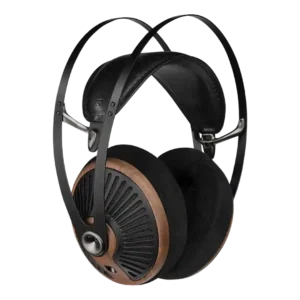
Choose the 105 Silva for beautiful, repairable construction, superb comfort, easy driveability, and an engaging spacious sound. Skip it if you need isolation, balanced connectivity, heavy sub-bass, or consistently smooth...
Pros: Design and Aesthetics, Overall recommendation
Cons: Noise isolation (passive), Connectivity options
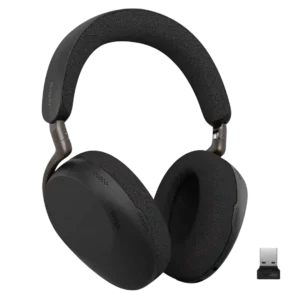
Choose it if your workday revolves around calls and you want exceptional mic isolation, huge battery life, all-day comfort, and a slim travel-friendly design. Skip it if music fidelity, class-leading...
Pros: Battery, Charging
Cons: Value for money, Codec support
Choose the Aventho 100 for standout battery life, portable retro styling, strong ANC, and flexible wired/wireless use. Skip it if you dislike on-ear pressure or want a wide, consistently neutral...
Pros: Battery, Design and Aesthetics
Cons: Clamping force comfort, Soundstage width
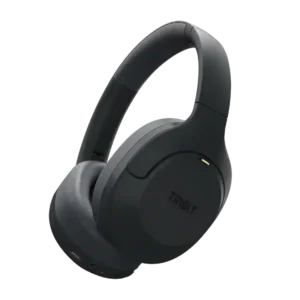
Best for exceptional battery life, useful ANC, flexible EQ, and strong budget value. Skip it if refined, detailed sound or polished controls matter more than price.
Pros: Value for money, Sound quality
Cons: Button control usability, App