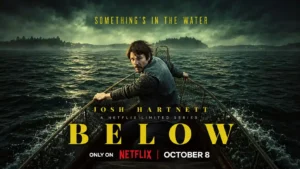
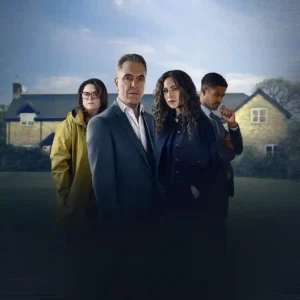
Compare Run Away, Season 1 vs Below

Run Away, Season 1

Run Away, Season 1

Overall score 3.8 / 5

Based on 27 scored reviews

vs
Below

Below

Overall score 3.7 / 5

Based on 43 scored reviews

How we score

Scorata scores summarize analyzed review evidence on a 1–5 scale; they are not laboratory measurements or a simple average of customer star ratings. Feature scores summarize the reviews covering that feature. The overall score averages feature scores within each review, then combines review averages. When both expert and customer evidence are available, those two groups receive equal weight. Products can have different review coverage, so small score gaps do not establish a winner.

Recommendations prioritize important features for the category, with a score of at least 3.5, a gap of at least 0.25 points and at least two supporting reviews per product. Features with widely varying scores or broad connectivity contexts are excluded from recommendations. These safeguards do not establish statistical significance.

Quick verdict

What each product is best for

The review evidence points to a tradeoff: villain quality and renewal interest versus cultural representation. Choose according to which strengths matter more to you; the overall score alone does not settle that choice.

Choose Run Away, Season 1 for villain quality and renewal interest.

Choose Below for cultural representation.

Why these recommendations?

Run Away, Season 1

Where It Has the Edge

  • villain quality is 4.9 vs 2.0. The assassin duo is repeatedly singled out as compelling, entertaining, and unusually decisive, making them one of the...
  • renewal interest is 5.0 vs 3.3. Interest in more material centers on Elena Ravenscroft, with multiple reviewers saying they would gladly watch a spin-off...
  • supporting cast performance is 5.0 vs 4.5. Supporting performances are frequently praised, especially the detectives, Elena, and several side characters. Strong ensemble work often keeps...

Below

Where It Has the Edge

  • cultural representation is 4.7 vs 3.3. The dialect, traditions and resettlement history make the Newfoundland setting unusually specific. The community is often valued as...
Run Away, Season 1 3.8 overall score
Below 3.7 overall score

Compare features

Scores are out of 5. Missing scores mean missing review evidence, not a missing feature.

Scored on both products

Other features

Score quality
Run Away, Season 1
1.0

The musical score receives little direct discussion, but one strongly negative viewer comment calls the music amateurish.

Below
4.2

Mark Korven's eerie music substantially strengthens the coastal unease. It is a common technical highlight, though the premiere makes less impression on one listener.

Villain quality
Run Away, Season 1
4.9

The assassin duo is repeatedly singled out as compelling, entertaining, and unusually decisive, making them one of the stronger elements of the ensemble mystery.

Below
2.0

The wealthy Crocker family gives the town a recognizable human threat. Its greed is often criticized as conventional or cartoonishly underdeveloped.

Editing quality
Run Away, Season 1
2.0

Editing drew a direct complaint that scene construction and cuts undercut otherwise talented performers, especially during high-emotion moments.

Below
4.5

Playful editing adds energy without forcing the ecological story into relentless gloom. This lighter touch complements the show's humor.

Character consistency
Run Away, Season 1
1.0

One source strongly objected to a late character decision as out of character, arguing that the writing forced behavior for shock rather than credibility.

Below
3.0

The creature's selective aggression and some sudden changes in human behavior strain credibility for several viewers. A more favorable reading finds the story mostly faithful to its own rules.

Cinematography
Run Away, Season 1
2.8

Visual reactions are divided. Some praise the distinct look and color treatment, while others find the shadow-heavy or unusual cinematography harsh, cheap-looking, or generic.

Below
4.6

The rugged coast, fog and cold water give the series striking images and a strong visual identity. The photography is one of its most widely praised qualities, even in unfavorable assessments.

Renewal interest
Run Away, Season 1
5.0

Interest in more material centers on Elena Ravenscroft, with multiple reviewers saying they would gladly watch a spin-off or series focused on her.

Below
3.3

The final hook leaves room for another season, and some would welcome more time with the world and characters. Others prefer the story to remain self-contained or would return only for a strong new idea.

Cliffhanger effectiveness
Run Away, Season 1
5.0

Episode-ending cliffhangers are one of the clearest strengths, repeatedly praised for pushing viewers straight into the next episode and sustaining surprise.

Below
3.5

The final icebergs can work as an ominous reminder of continuing environmental danger. Others find the continuation tease vague or unnecessary for a limited series.

Cultural representation
Run Away, Season 1
3.3

The move from the book’s American setting to Britain works for some reviewers but feels insufficiently naturalized to others, who say the show can still feel culturally American in tone and setup.

Below
4.7

The dialect, traditions and resettlement history make the Newfoundland setting unusually specific. The community is often valued as more than a backdrop for a monster.

Lore depth
Run Away, Season 1
5.0

One review finds the mystery lore so sprawling that it compares its density to major fantasy and superhero universes, though that depth also contributes to the challenge of keeping up.

Below
3.9

The sea-hag traditions and hints of older encounters enrich the early mystery. Scientific explanations and a hurried island detour can reduce the intrigue those legends initially create.

Character development
Run Away, Season 1
4.1

Many reviewers like the depth given to supporting characters such as Elena, the detectives, and the assassins. Critics of the show argue that Paige and some other figures are underdeveloped or treated mainly as plot devices.

Below
3.0

Calvin and Wade receive the strongest emotional attention. Mary, Jay and several secondary residents often have too little development for their numerous subplots to matter.

Language level
Run Away, Season 1
1.0

One content-focused review strongly objects to the heavy, frequent crude language, making the language level a clear concern for sensitive viewers.

Below
2.0

Intense language is raised as a concern for family audiences. It contributes to the premiere's cautious adult-only recommendation.

Dialogue quality
Run Away, Season 1
3.2

Dialogue quality is sharply split. Some reviewers call it extremely good or pacy, while others single out clichéd hospital lines and amateurish dialogue as major weaknesses.

Below
2.2

The local speech can be lively, but heavy scientific explanation and backstory sometimes turn scenes into lectures. Some viewers also need subtitles to follow the accents.

Directing quality
Run Away, Season 1
3.2

Direction receives polarized reactions: one review praises the directors for extracting excellent performances, while others find the staging and overall streaming-thriller aesthetic generic or performance-undermining.

Below
4.1

The handling of atmosphere and several high-intensity encounters is assured. Technical consistency often survives the later writing problems.

Theme depth
Run Away, Season 1
4.5

The strongest thematic material centers on family secrecy, addiction, guilt, protection, and how well people truly know those closest to them. Some critics think those ideas get buried beneath the twist machinery.

Below
3.6

Family legacy, ecological disruption and displacement give the series substance beyond creature attacks. The ideas can be affecting, although their depth and subtlety are disputed.

Season pacing
Run Away, Season 1
3.8

Fast pacing keeps many reviewers engaged and helps disguise plot holes, but others find the tempo overly compressed, uneven, or weakened by the finale.

Below
3.0

The mystery often moves briskly at first, with little streaming bloat. Later detours and a hurried wrap-up produce sharply divided opinions about the season's momentum.

Continuity
Run Away, Season 1
2.3

Plot holes and loose threads are a recurring concern. Some reviewers forgive them because the show moves quickly, while harsher critics say inconsistencies and dead-end red herrings undermine the mystery.

Below
1.5

A noticeable injured-arm mismatch weakens the polish of one sequence. Calvin switches which arm he protects between shots.

Story quality
Run Away, Season 1
3.9

The central family mystery is widely considered compelling and entertaining, but opinions split sharply over whether the escalating conspiracies and coincidences remain satisfying or collapse into nonsense.

Below
3.1

A sea-monster mystery gains personality from the community's fight to preserve its home. Too many competing arcs and an uneven final direction keep it from fulfilling that promise for everyone.

Plot twists
Run Away, Season 1
3.9

Twists are the engine of the season and often its biggest pleasure, but the volume becomes a major drawback for critics who feel later reveals turn improbable, exhausting, or nonsensical.

Below
3.1

Several viewers enjoy the unpredictable genre turns and gradual revelations. Others feel each explanation is less interesting than the mystery it resolves.

Character balance
Run Away, Season 1
3.0

The large ensemble is a major tradeoff: some reviewers enjoy having many characters and perspectives to latch onto, while others find the overlapping storylines crowded, distracting, or hard to track.

Below
2.3

The emphasis on Calvin and Wade can leave the other children and supporting townspeople sidelined. Many viewers would trade the extra side stories for deeper relationships.

Plot originality
Run Away, Season 1
2.8

The series is openly familiar Coben territory. Some viewers enjoy the dependable formula, while others see the repeated playbook and adaptation patterns as a lack of freshness.

Below
3.4

The specific Newfoundland community and ecological direction can freshen familiar aquatic horror. Obvious Jaws echoes and stock villains keep others from finding it especially original.

Suspense
Run Away, Season 1
4.6

Suspense is a consistent strength for most reviewers, driven by multiple suspects, interlocking mysteries, and cliffhangers. The main exception is criticism that too much complexity can eventually weaken tension.

Below
4.0

Withholding the creature builds potent early dread, and the submarine sequence is a frequent highlight. Explaining and softening the threat reduces fear for several viewers.

Plot clarity
Run Away, Season 1
3.3

This is one of the most contested attributes. Some reviewers admire how the many threads eventually connect, while others call the story convoluted, incoherent, or difficult to follow without extra effort.

Below
2.6

Early questions about the ice, infection and creature encourage attention. The later answers divide viewers between satisfying explanation and implausible, rushed resolution.

Genre satisfaction
Run Away, Season 1
4.4

For viewers who like twist-heavy mystery thrillers, the season usually delivers. Even mixed reviews often concede that it is gripping, bingeable genre entertainment, though some find the Coben formula too outlandish.

Below
3.8

The early coastal dread and creature carnage satisfy many horror enthusiasts. The eventual emphasis on family and ecology can disappoint viewers expecting the same intensity throughout.

Season length
Run Away, Season 1
4.1

Eight episodes feel quick and well-sized to some binge-watchers, while others say the same story could have been told in six. The length works best for viewers who enjoy the side stories.

Below
3.6

Six short episodes provide welcome economy and a manageable commitment. The same brevity leaves some themes and family arcs crowded or underdeveloped.

Season finale quality
Run Away, Season 1
2.2

The finale sharply divides opinion. Some viewers think it lands a memorable final twist, while others say it becomes anticlimactic, overstuffed, or damaging to the momentum built earlier.

Below
2.8

The closing episode must resolve the family, infection and resettlement stories at once. Some enjoy its emotional closure, while others find the compression leaves too many shortcuts.

Writing quality
Run Away, Season 1
3.1

The screenplay can keep a complicated mystery moving, but one critic argues it needs tighter scripting because overloaded scenes and plot turns weaken performances.

Below
2.6

The promising premise is weakened for many viewers by thin side stories, heavy explanation and logical shortcuts. More favorable reactions appreciate the controlled early setup.

Episode length
Run Away, Season 1
3.8

Episode runtimes work for some viewers as a quick watch, but another review found the lengths inconsistent, with some installments dragging and others rushing major events.

Below
4.3

Episodes of roughly half an hour to three-quarters of an hour make the series easy to fit into a short viewing window. Their brevity is often welcomed.

Action sequence quality
Run Away, Season 1
4.5

Action is not the dominant focus, but one review specifically praises how it is balanced with mystery, melodrama, and uncertainty.

Below
4.0

The submarine encounter and sudden tentacle attacks can deliver tense, visceral spectacle. Less enthusiastic viewers find the set pieces predictable or too sparse.

Episode structure
Run Away, Season 1
5.0

The season is often praised for low filler and strong end hooks, making each episode feel purposeful and designed to propel the mystery forward.

Below
4.5

Changing the type of threat and story from episode to episode keeps the show varied. The shifts are enjoyed as an expression of the region's different cultural influences.

Family friendliness
Run Away, Season 1
1.0

Graphic deaths, heavy crude language, drug use, and sexual-violence references make this a poor family-viewing choice for viewers sensitive to adult content.

Below
1.5

Graphic creature attacks and intense language sharply limit family friendliness. The frightening imagery can be especially difficult for younger viewers.

Violence level
Run Away, Season 1
2.8

Violence is intense and graphic enough to be a major concern for one reviewer, while another explicitly appreciated that the deaths were not softened or cut away from.

Below
3.3

The attacks can deliver effective visceral shocks, and some viewers enjoy the grisly bursts. Others find particular images ridiculous or too graphic for younger and family audiences.

Episode pacing
Run Away, Season 1
3.8

The episodes generally move quickly, which helps the binge, but some reviewers want more breathing room and find the tempo uneven from installment to installment.

Below
3.3

Patient early escalation builds character and dread, but drawn-out disputes or exposition sometimes slow individual episodes. The later mystery-solving can move too quickly.

Emotional impact
Run Away, Season 1
4.8

The father-daughter addiction story gives the season a strong emotional center and is often called relatable, heartbreaking, or weighty. Some critics feel that later twists crowd out that early emotional power.

Below
4.4

Calvin's grief and the eventual father-son reconciliation can provide substantial emotional weight. The payoff works less well for viewers who never become invested in the family.

Ending satisfaction
Run Away, Season 1
3.2

The ending is the season’s biggest dividing point. Some reviewers praise its shocking payoff and answers, while others call it unnecessary, anticlimactic, overstuffed, or a reason the whole story loses momentum.

Below
2.7

The ending divides opinion between a moving ecological reconciliation and a rushed, anticlimactic rescue adventure. Even favorable reactions sometimes want more time for the remaining plot threads.

Realism
Run Away, Season 1
2.3

The grounded family-addiction premise earns praise, but realism falls away for many reviewers once cults, coincidences, and repeated late twists take over. Implausibility is one of the most common reservations.

Below
2.8

The historically grounded community makes the premise easier to accept, but submarine survival, abrupt icebergs and the final rescue stretch plausibility. Some viewers enjoy the silliness anyway.

Tonal consistency
Run Away, Season 1
3.4

Some reviewers praise the realistic or subtly shifting tone, while others think misplaced humor, camp, or a late twist disrupts the mood and weakens the drama.

Below
3.0

The move from eerie mystery to warmer family adventure is the central tradeoff. Some find the mixture satisfying; others feel the series abandons the show they started watching.

Bingeability
Run Away, Season 1
4.8

Bingeability is a standout strength. Multiple reviewers finished all eight episodes quickly or said the cliffhangers and fast-moving mystery made it hard to stop watching.

Below
4.4

The compact run and short episodes make the series easy to consume in a few sittings. Its early mystery often keeps viewers moving forward despite an uneven final stretch.

Modern political framing
Run Away, Season 1
4.0

One adaptation-focused discussion finds the added race-and-power dynamic between a wealthy white father and a Black detective interesting, while noting that it replaces some of the book’s deeper religious debate.

Below
3.7

Resettlement, corporate exploitation and warming waters give the town's troubles contemporary relevance. The commentary is variously praised as integrated and humane or criticized as shallow and overexplicit.

Character likability
Run Away, Season 1
4.5

The characters are frequently described as watchable and compelling even when flawed. Simon in particular can be frustrating but remains relatable because of his desperation to find his daughter.

Below
4.2

Calvin's warmth and Wade's vulnerability often make the family easy to root for. Some viewers instead find Calvin's stubbornness frustrating or the ensemble insufficiently engaging.

Humor
Run Away, Season 1
3.5

Light humor can provide welcome relief from the darker material, especially through Elena, but another reviewer felt some comic beats were out of place.

Below
3.8

The eccentric locals and playful moments can give the horror welcome warmth. For some viewers, the jokes feel forced or interrupt the tension.

Series finale quality
Run Away, Season 1
3.0

Because this is a limited series, the ending carries the full burden of closure. Some sources praise the answers and convergence, while others feel the last stretch cannot justify the buildup.

Below
2.8

The limited-series conclusion can stand on its own while suggesting further trouble offshore. Its shift away from outright horror is the main source of disagreement.

Pilot episode quality
Run Away, Season 1
4.5

The opening is usually praised as gripping and immediately effective, though one viewer found the first hour and a half slow to click despite liking the series afterward.

Below
4.3

The opening house disaster and grisly closing attack often create a memorable, intriguing premiere. A minority find the first episode cheap-looking or emotionally unengaging.

Acting quality
Run Away, Season 1
4.4

Performances are one of the season’s most consistent strengths, with several critics calling the cast stellar or the best part of the show. A minority found the ensemble soap-like or uneven outside the strongest leads.

Below
4.6

The ensemble usually supplies warmth, commitment and believable reactions to the strange events. A few dissenting assessments find the voices or screen presence distracting.

Drama quality
Run Away, Season 1
3.8

The family drama and Coben-style melodrama can be very engaging, but some reviewers think the melodramatic flair becomes excessive and weakens the suspense.

Below
4.0

The family relationships give the sea threat personal stakes and can make the series surprisingly warm. Others find the secondary melodrama thin or insufficiently developed.

Cast chemistry
Run Away, Season 1
4.3

Several pairings work especially well, including the police detectives and the assassin duo. Reviewers often found those dynamics convincing or captivating, though one source thought chemistry was weak in parts of the ensemble.

Below
4.3

Calvin and Wade's father-son rapport is a recurring strength, and the family often feels comfortably lived in. Calvin and Fonda's connection is appealing to some viewers but underexplained to others.

Performance

Soundtrack quality
Run Away, Season 1
1.0

The soundtrack is barely discussed, with one viewer complaint characterizing the music as amateurish.

Below
4.1

The soundtrack's regional songs and striking needle drops give the series warmth and swagger. Several music choices make a stronger impression than the plot around them.

Supporting cast performance
Run Away, Season 1
5.0

Supporting performances are frequently praised, especially the detectives, Elena, and several side characters. Strong ensemble work often keeps the show engaging even when the plot becomes implausible.

Below
4.5

Charlie Heaton is frequently a standout, while the wider cast helps populate a warm, eccentric community. Thin roles and uneven line delivery limit some supporting contributions.

Main cast performance
Run Away, Season 1
4.5

The principal cast is usually a strength, anchored by a widely praised lead performance. A few critics find the ensemble uneven, but strong casting is a frequent point of agreement.

Below
4.4

Josh Hartnett generally gives Calvin a sturdy, sympathetic presence, conveying exhaustion and protective affection. His accent is the main performance caveat.

Comfort and build

Visual style
Run Away, Season 1
2.9

The visual presentation is divisive: some praise a distinct, well-graded look, while others see harsh shadows, odd lenses or grading, and generic streaming aesthetics.

Below
4.7

Cold seascapes and welcoming interiors make Snook's Arm both beautiful and threatening. Its distinctive location remains appealing when the plot becomes uneven.

Production design
Run Away, Season 1
3.0

Production design ranges from strongly praised sets that reinforce character to a harsh viewer complaint that the sets and production look amateurish.

Below
4.1

The cluttered home, worn harbor and cramped submarine help the setting feel inhabited and intimate. Some viewers nevertheless notice the limits of the production budget.

Costume design
Run Away, Season 1
5.0

Elena’s styling drew specific praise, with one reviewer singling out her yellow windbreaker as especially memorable.

Below
4.5

Hartnett's fisherman hats and practical coastal wardrobe give the lead an appealing visual presence. The clothing helps sell his rugged local identity.

World-building
Run Away, Season 1
5.0

The mystery world feels unusually expansive, with one review praising its lore as dense enough to rival much larger fictional universes. That richness also contributes to the show’s complexity.

Below
4.6

Snook's Arm often feels like a longstanding community with routines, history and an economic predicament. The setting remains a strength even when viewers want deeper exploration of its people.

Ownership and support

Rewatch value
Run Away, Season 1
1.8

The season is highly watchable in the moment but often described as forgettable afterward, suggesting limited rewatch appeal despite strong binge value.

Below
2.5

The series is more often recommended as a one-time adventure than a repeat destination. The revelations and uneven ending reduce the urge to return.

Entertainment value
Run Away, Season 1
4.3

Most reviewers find the season entertaining even when they criticize its logic. The common pattern is a fun, fast, twist-heavy ride whose absurdity is either part of the appeal or the main limitation.

Below
3.7

Below can be a quirky, engaging coastal adventure with an appealing ensemble. Its enjoyment depends heavily on tolerance for familiar beats, abundant subplots and a softer final direction.

Controls and connectivity

Audience appeal
Run Away, Season 1
4.0

Audience response is split but leans positive in several sources: some report mixed early scores, while others describe largely positive fan reactions and broad watchability.

Below
4.3

The strongest fit is viewers drawn to coastal mysteries, quirky communities and creature features with family drama. It is less dependable for anyone expecting uninterrupted monster carnage.

Critic appeal
Run Away, Season 1
3.8

Critical reception is positive but not ecstatic: one source describes respectable critic scores, while another notes that many positive notices still land around a modest 3/5.

Below
3.5

The supplied roundup reports broadly favorable early reception, especially for Hartnett and the setting. Other assessments doubt the show will remain memorable beyond the seasonal rush.

Age appropriateness
Run Away, Season 1
1.5

The series carries strong adult-content concerns, especially graphic violence, crude language, drug material, and references to sexual violence, making it a poor fit for younger or sensitive viewers.

Below
1.5

The combination of frightening suspense and graphic violence makes the show a poor choice for young viewers. Its unsettling images call for substantial maturity.

Evidence available for one product

Controls and connectivity

Accent appeal
Run Away, Season 1No score yet
Below
3.4

The thick Newfoundland voices give the town personality, and several viewers enjoy their lilting delivery. Others find the exaggerated inflections distracting or unintentionally funny.

Guest appearances
Run Away, Season 1No score yet
Below
4.0

Natasha Henstridge's appearance is welcomed as a knowing connection to creature-feature history. Her brief presence adds a recognizable genre face.

Other features

Accent authenticity
Run Away, Season 1No score yet
Below
3.1

Opinions divide on whether the cast sounds convincingly local. Consistency and commitment earn praise, while some listeners hear broad imitation or accents that drift between scenes.

Accountability handling
Run Away, Season 1
4.5

Simon is not treated as consequence-free: one review praises the way the story makes him carry the weight of his choices into the finale.

BelowNo score yet
Addiction portrayal
Run Away, Season 1
4.8

The addiction storyline is one of the show’s most grounded strengths, especially in its depiction of parental fear, helplessness, and determination to help a child.

BelowNo score yet
Atmosphere
Run Away, Season 1No score yet
Below
4.5

Fog, cold water and a remote harbor create a distinctive mixture of beauty and unease. The atmosphere is repeatedly praised even when the later storytelling disappoints.

Casting quality
Run Away, Season 1No score yet
Below
4.6

The recognizable ensemble largely fits the weathered coastal community and gives the unusual premise credibility. Its combination of grounded leads and colorful locals is a substantial attraction.

CGI quality
Run Away, Season 1No score yet
Below
3.0

Opinions range from convincing creature work to fake-looking icebergs and wonky composites. Partial glimpses generally fare better than clearly exposed digital imagery.

Disability representation
Run Away, Season 1
2.5

One reviewer appreciated the real-world wheelchair use but wished the series had acknowledged it in dialogue, saying the unexplained presentation became distracting instead of informative.

BelowNo score yet
Ethical sensitivity
Run Away, Season 1No score yet
Below
4.0

The turn toward understanding the creature offers a humane animal-welfare perspective. This sympathetic approach has value even when it reduces the expected action payoff.

Faithfulness to source material
Run Away, Season 1
4.3

The adaptation keeps much of the book’s core plot and even some dialogue closely intact, while making major setting and character-expansion changes. Reviewers generally see the book-to-screen approach as a strength despite those alterations.

BelowNo score yet
Friendship portrayal
Run Away, Season 1No score yet
Below
2.0

Jay's sudden bond with a man who recently tried to kill him feels unearned. The quick reconciliation is difficult to accept without more development.

LGBTQ+ representation
Run Away, Season 1No score yet
Below
2.5

Ruth's same-sex relationship is visible but given little dramatic attention. One assessment wishes this part of her life had received space instead of less consequential subplots.

Media scrutiny portrayal
Run Away, Season 1
5.0

The early public-shaming thread is praised for making Simon’s struggle against stigma and viral scrutiny feel captivating and personally distressing.

BelowNo score yet
Period authenticity
Run Away, Season 1No score yet
Below
4.5

The historical image of a house being moved across the sea gives the opening unusual credibility. Its real-world basis makes the ensuing disaster more potent.

Practical effects quality
Run Away, Season 1No score yet
Below
4.5

The gruesome practical-looking moments have a stronger visceral impact than some digital creature shots. Their physical texture makes the horror more convincing.

Protagonist agency
Run Away, Season 1No score yet
Below
4.5

Calvin's decision to understand the creature rather than simply retaliate is admired. His response shows compassion beyond his own history of loss.

Romance quality
Run Away, Season 1No score yet
Below
2.7

The tentative Calvin-Fonda connection can be appealing without needing to dominate the story. Underexplained attraction, a sudden Wade-Maggie attachment and the engagement subplot leave others unconvinced.

Sexual content level
Run Away, Season 1
3.3

Sexual content is limited in one reviewer’s viewing, but another content-focused source flags underwear and references to sexual violence as reasons for caution.

BelowNo score yet
Special effects quality
Run Away, Season 1No score yet
Below
3.3

Restrained monster glimpses and underwater encounters can look impressive. Full reveals and occasional digital inserts are less convincing for some viewers.

Trauma portrayal
Run Away, Season 1No score yet
Below
4.5

Calvin's guilt gives his protective behavior emotional context, and the mirrored rope-cutting image can provide meaningful release. This arc works best when the father-son relationship feels established.

Comfort and build

Creature design
Run Away, Season 1No score yet
Below
4.0

Carefully withheld glimpses make the giant squid and eerie apparition effective early threats. Full exposure and a more sympathetic explanation can make the monster less frightening.

Sound design
Run Away, Season 1No score yet
Below
2.5

The premiere's sound design is judged serviceable but not memorable. It does little to distinguish the opening for that viewer.

Ownership and support

Educational value
Run Away, Season 1No score yet
Below
4.8

The resettlement history offers an engaging introduction to an unfamiliar regional experience. Historical grounding makes the town's fear of losing its home easier to understand.

Performance

Marketing accuracy
Run Away, Season 1No score yet
Below
3.1

The restrained trailer effectively preserves uncertainty for some viewers. Others expect deeper supernatural or cosmic horror than the eventual scientific creature story provides.

Other Top TV Shows to Consider

#1 Colin From Accounts, Season 3
4.8

Best for sharp adult humor, magnetic chemistry and a deeply satisfying farewell. Skip it if familiar will-they-won’t-they plotting or deliberately messy leads are dealbreakers.

Pros: humor, writing quality

#2 King of the Hill, Season 15
4.7

Choose Season 15 for warm, character-driven comedy, meaningful growth, and a finale that rewards longtime fans. Skip it if the short binge format, uneven replacement voices, or occasional clumsy commentary...

Pros: franchise connection, character development

#3 The Pitt, Season 2
4.7

Choose The Pitt Season 2 for a gripping, realistic medical drama with superb acting and emotional depth. Skip it if graphic procedures, unresolved arcs, or slower character-driven pacing bother you.

Pros: realism, emotional impact

#4 Furious, Season 1
4.6

Best for powerhouse performances, thorny character work, and a tense revenge mystery that grows richer as it goes. Skip it if abuse, trafficking, graphic violence, or deliberately messy moral questions...

Pros: main cast performance, character development

Cons: pilot episode quality