Scorata scores summarize analyzed review evidence on a 1–5 scale; they are not laboratory measurements or a simple average of customer star ratings. Feature scores summarize the reviews covering that feature. The overall score averages feature scores within each review, then combines review averages. When both expert and customer evidence are available, those two groups receive equal weight. Products can have different review coverage, so small score gaps do not establish a winner.
Recommendations prioritize important features for the category, with a score of at least 3.5, a gap of at least 0.25 points and at least two supporting reviews per product. Features with widely varying scores or broad connectivity contexts are excluded from recommendations. These safeguards do not establish statistical significance.
Quick verdict
What each product is best for
The review evidence points to a tradeoff: drama quality and production design versus critic appeal. Choose according to which strengths matter more to you; the overall score alone does not settle that choice.
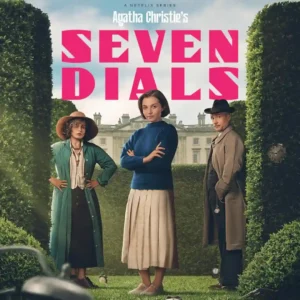
Choose Agatha Christie’s Seven Dials, Season 1 for drama quality and production design.
Choose Lanterns for critic appeal.
Why these recommendations?
Agatha Christie’s Seven Dials, Season 1
Where It Has the Edge
drama quality is 5.0 vs 4.3. At its best, the show balances grief, danger, comedy, and family tension without losing its caper energy. Positive...
production design is 4.9 vs 4.5. The production design is one of the strongest consensus wins: mansions, country estates, nightclubs, trains, and landscapes are...
main cast performance is 5.0 vs 4.7. The principal cast is a major selling point, with the lead performances repeatedly singled out as engaging and...
Lanterns
Where It Has the Edge
critic appeal is 4.8 vs 4.0. Critical reception is broadly enthusiastic, with roundups highlighting strong performances, grounded storytelling, and an engaging mystery despite pacing...
Agatha Christie’s Seven Dials, Season 13.4 overall score
Lanterns3.6 overall score
Compare features
Scores are out of 5. Missing scores mean missing review evidence, not a missing feature.
Scored on both products
Other features
Franchise connection
Agatha Christie’s Seven Dials, Season 1
1.0
Lanterns
4.3
Details and evidence for franchise connection
Agatha Christie’s Seven Dials, Season 1
The explicit push toward a larger Seven Dials universe lands badly with the critic who focuses on it, who sees the franchise setup as intrusive rather than exciting.
Bundle is consistently described as feisty, curious, determined, and easy to root for. Even mixed reviews often treat her personality as the main reason to keep watching.
The Seven Dials organization is an intriguing idea that never feels fully developed. Its buildup suggests a weightier secret society than the eventual explanation provides.
The photography divides opinion more than the production design: Ronda, Chimneys, trains, and period interiors can look gorgeous, but some critics dislike flat yellow lighting, portrait-style blur, or other modern visual choices.
Compared with many streaming murder mysteries, the content is relatively restrained. Blood and peril remain, but limited sex and language make it more approachable for cautious households.
The series subverts familiar superhero structure and often feels fresh, even as some critics think its True Detective influences are too obvious to fully transcend.
Twists are a major weakness in many reviews because suspects or reveals can be spotted too early. A few critics enjoy the final surprises, but predictability is one of the most repeated complaints.
Tone is the show’s most consistent criticism. The mixture of cozy comedy, grief, espionage, modern attitudes, and melodrama often feels uneven or off-kilter, even to reviewers who otherwise enjoy the series.
The serious, grounded tone can feel fresh and confident, but the mix of prestige crime drama, humor, and cosmic superhero material does not always blend cleanly.
Some filmmaking choices weaken immersion, including portrait-style blur and the lead’s very youthful appearance. Other unusual camera techniques add charm, so the realism concerns are noticeable rather than universally damaging.
The opener has a promising setup but uneven execution. Some critics like its initial mystery and atmosphere, while others find Bundle underdeveloped or the pacing too slow.
The premiere is one of the best-received installments, establishing the central relationship, grounded mystery, and major time-jump hook with confidence.
The added political material sharply divides critics. Some welcome the contemporary themes of empire, war, and gender, while others find the 21st-century framing forced and out of place in Christie’s lighter story.
Pacing varies noticeably by reviewer and episode. The show can feel brisk and propulsive, but the opener and middle stretch are repeatedly criticized for filler, exposition, or sluggishness.
Pacing is uneven. Some installments move the mystery forward effectively, but the slower episodes are repeatedly criticized for dragging or taking too long to ignite.
Dialogue is a major split point: some critics enjoy the witty, old-fashioned banter, while others find it plot-heavy or jarringly modern. The best exchanges add charm; the weakest feel like exposition.
The central story is the biggest structural weakness in the overall response. Admirers find enough character-driven entertainment to enjoy, but many critics call the mystery dull, minor, poorly shaped, or simply not strong enough for three hours.
The central mystery and character conflict inspire both strong praise and severe criticism. The biggest divide is whether the grounded plot feels compelling or artificially constructed.
Bundle’s more emotional, grief-driven characterization gives her stronger motivation, but not everyone likes the tradeoff. One critic found the character writing weak, while another saw the added emotional focus as a meaningful improvement.
The Hal-John character study and John’s upbringing often add real depth, but several relationships and motivations are criticized as underdeveloped or rushed.
The dry British wit and character banter can be genuinely funny, especially around Battle and Bundle. Slapstick and overly snarky comedy are more divisive, with some critics saying they drain menace or clash with the story’s darker turns.
Details and evidence for cliffhanger effectiveness
Agatha Christie’s Seven Dials, Season 1
The cliffhangers work extremely well for viewers who click with the series, pushing one episode directly into the next and strengthening its binge appeal.
Chemistry is a standout, especially around Bundle’s pairings with Gerry, Battle, and Lady Caterham. The ensemble’s playful back-and-forth gives the mystery extra warmth even when the plot falters.
Hal and John’s prickly mentor-trainee chemistry is one of the most consistently praised parts of the series. A minority find the relationship forced or underdeveloped.
At its best, the show balances grief, danger, comedy, and family tension without losing its caper energy. Positive reviews especially like the heart and high-stakes drama around Bundle and Lady Caterham.
Themes of war, grief, modernity, gender, and empire give the adaptation more weight than a simple cozy caper. Some critics admire that ambition, while others feel there are too many ideas for three episodes to explore properly.
Fear, legacy, race, power, and heroism give the series real thematic ambition. The main disagreement is whether those ideas are dramatized naturally or explained too bluntly.
Despite mixed opinions on season one, many reviewers want another Bundle adventure. Enthusiasm for a continuation is driven largely by the lead character and cast, though one critic questions whether this first case is strong enough to sustain a franchise.
Suspense works well for viewers who respond to the atmosphere, sound, and brisk stretches, but multiple critics say the low stakes, obvious culprit, or heavy comedy reduce tension. The result is more intriguing than consistently gripping.
The Rushville mystery is frequently described as compelling, unpredictable, and well paced in its reveals, making suspense one of the show’s stronger elements.
The cast is one of the show’s most consistent strengths, with several critics calling the ensemble excellent, pitch-perfect, or worth watching on its own. A smaller group found the younger performances uneven or underpowered.
The ensemble often feels overcrowded or unevenly used. Several critics found semi-prominent characters forgotten, blurred together, or introduced without enough time to matter.
The series is at its best when Hal and John share the screen, and separating them for long stretches weakens the balance between its strongest characters.
Adding grief and family trauma gives the mystery more emotional weight, but the effect is divisive. Some find the added depth moving, while others think it makes a light Christie story unnecessarily angry or tragic.
The strongest episodes can be deeply moving, especially around Hal and John’s broken ambitions, though at least one key emotional payoff is said to fall flat.
At the season level, pacing is more often criticized than praised. Even where the story moves quickly, detractors feel the overall three-hour shape is stretched, while one positive review credits the expeditious pace for keeping weaker plotting entertaining.
As a cozy or light mystery, the series often works better than it does as a demanding whodunit. Fans of breezy Christie-style entertainment may enjoy it, but critics seeking a sharper puzzle or more menace are less satisfied.
Writing is one of the most divided areas: positive critics praise sharp wit, compact storytelling, and strong character motivation, while negative ones attack exposition, confused plotting, weak characterization, and poor structural choices.
The writing is highly divisive: some episodes are praised as clever, outstanding, and carefully constructed, while others are condemned for exposition, forced character logic, and heavy-handed themes.
The three-part structure works well for some viewers because it gives the mystery room without losing momentum. Others note that the episodes still behave like sections of a single feature film.
The series gets strong marks for time jumps, flashbacks, and midseason structural pivots that reframe earlier information without simply following a standard superhero arc.
The central mystery is frequently criticized as either overcomplicated, choppy, or too loosely connected. A few critics appreciate the streamlined adaptation, but the overall pattern points to clarity problems.
The mystery can be clear and clue-driven at its best, but some later conflicts and motivations are described as confusing, baffling, or too dependent on exposition.
The dinner-table material around colonialism and war adds poignancy and gives Dr. Matip’s story greater weight. Its broader political handling is more divisive, but this specific thread landed emotionally for one critic.
The treatment of John Stewart’s Black identity and upbringing is often praised as meaningful and heartfelt, though some find the racial commentary over-explained or awkwardly placed.
Details and evidence for faithfulness to source material
Agatha Christie’s Seven Dials, Season 1
The adaptation takes substantial liberties, and reactions depend on whether those changes feel purposeful. Some praise the emotional depth and Christie spirit, while purists and harsher critics think the changes undermine the novel’s tone or ending.
The show uses plenty of Green Lantern lore and comic ideas, but its restrained cosmic scale divides fans who want more rings, aliens, constructs, and space mythology on screen.
Editing contributes to the show’s modernized feel in ways that do not always suit the 1920s material. One critic specifically disliked how the visual editing pulled the period piece toward a contemporary look.
Sexual content is restrained, with promiscuity kept to a minimum. That restraint contributes to the show feeling more approachable than many streaming murder mysteries.
Rewatch interest is polarized. One enthusiastic critic wanted to start again immediately, while negative reviewers describe the series as forgettable and easy to move on from.
Overall enjoyment is mixed but leans watchable: admirers call it a treat, fun escapism, or a satisfying quick mystery, while detractors find it dull, pedestrian, or lifeless. The cast and visuals often keep it afloat when the mystery does not.
Costumes range from immaculate and whimsically period-styled to disappointingly modern or generic. The strongest praise goes to the overall lavishness, while detractors feel Bundle’s styling weakens the 1920s illusion.
The production design is one of the strongest consensus wins: mansions, country estates, nightclubs, trains, and landscapes are repeatedly described as beautiful, sumptuous, or stunning.
The show can be gorgeous, whimsical, and richly atmospheric, especially in its estates and period settings. At the same time, flat lighting, modern blur, and inconsistent visual choices keep the style from winning universal praise.
The muted palette and grounded look can be striking, especially against green ring effects, but some viewers find parts of the production visually cheap or too subdued.
The series stays comparatively restrained for a murder mystery, avoiding explicit material while still showing death and some blood. That makes it more approachable for viewers who want a milder crime drama.
Appeal is sharply split: some coverage describes viewers devouring the series, while other reception reporting points to a much colder audience response. Even critics questioning the target audience acknowledge the show’s easygoing accessibility.
Critical reception trends positive but not enthusiastic. Coverage frames the show as broadly liked by critics, while still highlighting substantial reservations about story and execution.
Critical reception is broadly enthusiastic, with roundups highlighting strong performances, grounded storytelling, and an engaging mystery despite pacing complaints.
Details and evidence for supporting cast performance
Agatha Christie’s Seven Dials, Season 1
Supporting performances are unevenly served by the material. Several critics praise the ensemble and individual scene-stealers, while others feel good actors are sidelined, blurred together, or wasted.
The supporting ensemble is usually praised, especially Poorna Jagannathan and John’s parents, though Kelly Macdonald receives a notable dissenting critique.
The principal cast is a major selling point, with the lead performances repeatedly singled out as engaging and high quality. Mia McKenna-Bruce in particular anchors the show’s appeal.
Kyle Chandler and Aaron Pierre are the clearest consensus strength, repeatedly praised as magnetic, nuanced, and capable of carrying the series through weaker material.
The action peaks in the explosive fifth episode, where some find the set pieces emotionally charged and exciting. Others say inconsistent powers and character choices weaken the stakes.
The three-part format is widely seen as easy to binge, with several critics describing it as a one-sitting watch. Even a negative review conceded that its short runtime gives it some background-viewing appeal.
Aaron Pierre’s casting is divisive on representation grounds: one critique argues a darker-skinned actor would have made the material resonate more, while others call Pierre an exceptional fit.
Green-screen work is a recurring visual weakness in the harshest reviews, where it is described as obvious enough to break immersion in the period setting.
Character logic becomes a serious sticking point in later episodes, especially when Hal and John make choices that some feel contradict the people established earlier.
The harshest reviews blame the direction for frustrating or inexplicable creative choices, especially when potentially interesting framing gives way to more mundane execution.
The ending is one of the most divisive elements. Some viewers find the payoff satisfying, but many critics dislike the changed reveal, unresolved threads, or franchise setup and see the finale as a major weakness.
Strong language is very limited, with virtually no profanity beyond a few mild religious exclamations. The restrained language helps the show remain relatively approachable.
The 1920s setting is visually convincing in places, but modern behavior, dialogue, styling, and faux-English touches repeatedly break the illusion. When the production leans on lived-in period detail rather than overt modernization, it fares much better.
The most pointed power critique says the ring’s capabilities change whenever the plot needs a different outcome, undermining confidence in the action stakes.
The screenplay draws opposite reactions: one critic praises how clearly it motivates Bundle, while another faults it for lacking narrative discipline. The script’s character focus works better than its mystery construction for some viewers.
Episode three is often considered the strongest installment, with several critics saying it restores momentum or redeems the mystery. A harsh outlier found the finale disastrous, so praise for the episode does not always extend to the ending itself.
Three episodes sounds ideal on paper, but reviewers split on whether the story justifies all three hours. Some call the length perfect for a binge, while others insist the material belongs in a much shorter film.
Violence includes onscreen deaths, corpses, and some blood, but the camera generally avoids dwelling on gore. The restraint keeps the murder-mystery content from becoming excessively graphic.