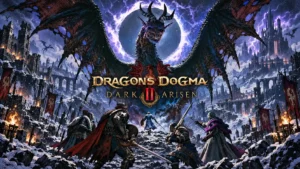
Compare Elder Scrolls V: Skyrim vs Dragon’s Dogma 2: Dark Arisen

Elder Scrolls V: Skyrim

Elder Scrolls V: Skyrim

Overall score 4.0 / 5

Based on 50 scored reviews

vs
Dragon’s Dogma 2: Dark Arisen

Dragon’s Dogma 2: Dark Arisen

Overall score 4.0 / 5

Based on 55 scored reviews

How we score

Scorata scores summarize analyzed review evidence on a 1–5 scale; they are not laboratory measurements or a simple average of customer star ratings. Feature scores summarize the reviews covering that feature. The overall score averages feature scores within each review, then combines review averages. When both expert and customer evidence are available, those two groups receive equal weight. Products can have different review coverage, so small score gaps do not establish a winner.

Recommendations prioritize important features for the category, with a score of at least 3.5, a gap of at least 0.25 points and at least two supporting reviews per product. Features with widely varying scores or broad connectivity contexts are excluded from recommendations. These safeguards do not establish statistical significance.

Quick verdict

What each product is best for

The review evidence points to a tradeoff: platform-specific feature support and handheld play suitability versus AI behavior and polish. Choose according to which strengths matter more to you; the overall score alone does not settle that choice.

Choose Elder Scrolls V: Skyrim for platform-specific feature support and handheld play suitability.

Choose Dragon’s Dogma 2: Dark Arisen for AI behavior and polish.

Why these recommendations?

Elder Scrolls V: Skyrim

Where It Has the Edge

  • platform-specific feature support is 4.6 vs 2.6. Gyro aiming, motion controls, mouse support, amiibo/Zelda content, and even native GameCube controller support add worthwhile platform flavor....
  • handheld play suitability is 5.0 vs 3.4. Portable Skyrim is repeatedly singled out as a major success. Switch and Switch 2 versions make the huge...
  • writing quality is 5.0 vs 3.5. The best faction quests, books, lore, and optional stories earn strong praise for writing, even when the main...

Dragon’s Dogma 2: Dark Arisen

Where It Has the Edge

  • AI behavior is 4.0 vs 1.8. Aggressive foes flank, ambush, and sometimes use their surroundings in surprising ways. Reactive townspeople also help the world...
  • polish is 3.6 vs 3.0. Accumulated updates noticeably improve convenience and the overall playable state. Persistent jank, cutscene artifacts, and occasional pop-in keep...
Elder Scrolls V: Skyrim 4.0 overall score
Dragon’s Dogma 2: Dark Arisen 4.0 overall score

Compare features

Scores are out of 5. Missing scores mean missing review evidence, not a missing feature.

Scored on both products

Other features

Camera behavior
Elder Scrolls V: Skyrim
1.0

The fixed, narrow field of view on some console versions can make camera movement uncomfortable, particularly on larger displays. Lack of an FoV control is a notable port limitation.

Dragon’s Dogma 2: Dark Arisen
4.0

More deliberate dialogue angles and cinematic framing help a basic story feel more involving. The presentation is a noticeable step up for these players.

Animation quality
Elder Scrolls V: Skyrim
1.7

Animation is one of the clearest signs of age: stiff NPC movement, robotic scenes, dated combat motions, and awkward character behavior come up repeatedly. Later editions improve presentation around it more than the animations themselves.

Dragon’s Dogma 2: Dark Arisen
4.0

Characters come across as more expressive in the expansion's more cinematic presentation, helping conversations feel livelier.

AI behavior
Elder Scrolls V: Skyrim
1.8

Enemy AI is a recurring weak spot: pathfinding can be exploited, companions and enemies get confused by geometry, and dragon behavior can become predictable. Some versions improve aggression, but the overall pattern remains rough.

Dragon’s Dogma 2: Dark Arisen
4.0

Aggressive foes flank, ambush, and sometimes use their surroundings in surprising ways. Reactive townspeople also help the world feel more believable.

Haptic feedback integration
Elder Scrolls V: Skyrim
1.0

Anniversary Edition on PS5 is criticized for making little meaningful use of DualSense features.

Dragon’s Dogma 2: Dark Arisen
3.0

HD rumble adds feedback on Switch 2, but it is judged less nuanced than it could be.

Companion AI
Elder Scrolls V: Skyrim
2.2

Followers are useful in fights and can add personality, but their pathfinding and positioning are frequent frustrations. They get stuck, block routes, or behave awkwardly often enough to be a recurring complaint.

Dragon’s Dogma 2: Dark Arisen
4.0

Pawns offer better rescue, navigation, and tactical support, with contextual behavior that can make the party feel alive. They still occasionally fail to avoid attacks or make baffling decisions.

Combat system
Elder Scrolls V: Skyrim
3.0

Combat is the biggest design tradeoff. Magic, archery, dual-wielding, Shouts, and hybrid builds provide variety, but melee is repeatedly described as floaty, clunky, shallow, or dated.

Dragon’s Dogma 2: Dark Arisen
4.7

Monster climbing, physics, party coordination, and upgraded abilities remain the game's defining strengths. The best battles reward adapting between damage, support, positioning, and environmental tricks.

Handheld play suitability
Elder Scrolls V: Skyrim
5.0

Portable Skyrim is repeatedly singled out as a major success. Switch and Switch 2 versions make the huge world easy to dip into anywhere while preserving strong image quality and generally stable play.

Dragon’s Dogma 2: Dark Arisen
3.4

Portable play is attractive enough for many reviewers to recommend despite reduced image clarity. Frame-generation artifacts, stutter, and pause or resume issues make the experience more conditional for others.

Learning curve
Elder Scrolls V: Skyrim
4.3

The streamlined classless progression is approachable, but the sheer number of possibilities can overwhelm newcomers. Starting slowly and engaging with a small area at a time can make the game much easier to absorb.

Dragon’s Dogma 2: Dark Arisen
2.8

Returning after a long break can mean relearning a large set of systems. The combat-focused trials can help rebuild familiarity, though revisiting the basics is not effortless for everyone.

Sandbox freedom
Elder Scrolls V: Skyrim
5.0

Skyrim gives players extraordinary freedom to ignore the main story, change builds, join factions, wander, craft, steal, explore, or simply live in the world. That agency is central to nearly every positive assessment.

Dragon’s Dogma 2: Dark Arisen
3.5

Creative solutions and unusual interactions remain outstanding strengths. A more linear story and heavy reliance on fast travel can narrow the freedom felt during some parts of the expansion.

Writing quality
Elder Scrolls V: Skyrim
5.0

The best faction quests, books, lore, and optional stories earn strong praise for writing, even when the main plot or routine dialogue is less consistent.

Dragon’s Dogma 2: Dark Arisen
3.5

A smaller cast and clearer motivations improve coherence for many players. Unsubtle dialogue, conventional twists, and recycled arcs still prevent the script from matching the strongest gameplay moments.

Gameplay mechanics
Elder Scrolls V: Skyrim
5.0

The classless skill system, Shouts, dual-wielding, crafting, exploration, and flexible interaction combine into a broad, rewarding RPG toolkit.

Dragon’s Dogma 2: Dark Arisen
3.7

New trial conditions and interacting systems encourage experiments with builds, terrain, and party composition. A few changes, including easier cures and commitment to Hard Mode, draw criticism for how they alter the experience.

Onboarding experience
Elder Scrolls V: Skyrim
3.0

The opening is divisive: it can establish tone effectively, but its unskippable length and early information overload hurt repeat play and have caused some newcomers to bounce off the game.

Dragon’s Dogma 2: Dark Arisen
4.3

The opening mystery and hostile arrival establish the adventure effectively. Early trial dungeons can also ease players into the new challenges before demands escalate.

Side character depth
Elder Scrolls V: Skyrim
2.7

NPCs make the world busy and believable, but deeper interpersonal writing and companion development are limited. Repeated voices, shallow relationships, and generic interactions keep characters behind the environmental storytelling.

Dragon’s Dogma 2: Dark Arisen
4.0

A smaller recurring cast often makes the village and central companion easier to care about. Not everyone connects, and rotating pawns can feel expendable rather than emotionally lasting.

Pacing
Elder Scrolls V: Skyrim
2.0

Pacing is a recurring weakness around the long intro and main-quest structure. Repeat players especially dislike the unskippable opening, and starting the dragon storyline too quickly can overwhelm the quieter exploration rhythm.

Dragon’s Dogma 2: Dark Arisen
3.3

The campaign often builds toward an exciting succession of major encounters. Slow openings, repeated errands, prolonged endings, and frequent interruptions create uneven stretches for some players.

Bug frequency
Elder Scrolls V: Skyrim
1.9

Bugs are the most consistent technical complaint, ranging from funny physics oddities to broken quests, stuck NPCs, and progress-loss situations. Many reviewers tolerate them because of the game’s scale, but later re-releases are criticized for still carrying old problems.

Dragon’s Dogma 2: Dark Arisen
3.1

Many accounts report substantial improvement or entirely clean sessions. Others still encounter skill-menu freezes, traversal bugs, or Switch 2 pause and sleep problems.

Crash stability
Elder Scrolls V: Skyrim
1.6

Crashes, freezes, and forced save reloads appear across several versions and eras. They are less universal than minor bugs, but when they occur they can erase progress and materially hurt reliability.

Dragon’s Dogma 2: Dark Arisen
2.8

Several long PC sessions are reported as crash-free, but that experience is not universal. Skill changes can freeze the game, and Switch 2 pause or sleep recovery can leave it locked or on a black screen.

Progression system
Elder Scrolls V: Skyrim
4.9

Use-based skill growth, perks, and classless development are among the game’s most praised systems. They make character growth intuitive, flexible, and tightly connected to how the player actually behaves.

Dragon’s Dogma 2: Dark Arisen
3.9

Relics, new skills, and obelisks give players a clearer and often satisfying route to stronger builds. Fast power gains can invalidate old equipment, blacksmith work, and the challenge of earlier areas.

Enemy variety
Elder Scrolls V: Skyrim
4.4

Many sources enjoy the mix of dragons, undead, creatures, bandits, and fantasy enemies, with some praising the designs strongly. A later perspective argues the underlying enemy mechanics become limited and repetitive with time.

Dragon’s Dogma 2: Dark Arisen
3.5

New creatures and reworked movesets help refresh combat, especially later in the expansion. Frequent regional variants and familiar ordinary foes remain one of the most repeated disappointments.

Skill tree depth
Elder Scrolls V: Skyrim
5.0

Perk trees strongly reward experimentation and specialization, with meaningful bonuses across combat, magic, stealth, crafting, and social skills. Build planning remains one of the most satisfying long-term systems.

Dragon’s Dogma 2: Dark Arisen
4.2

Six equipped skills, new abilities, obelisks, and gear-enhanced versions substantially broaden build options. Existing vocations gain depth even though new classes and editable gear perks remain absent.

Choice impact
Elder Scrolls V: Skyrim
3.4

Faction choices and individual quests can alter outcomes, but the main narrative often absorbs very different role-playing behavior without much consequence. The freedom to act is stronger than the long-term narrative reactivity.

Dragon’s Dogma 2: Dark Arisen
2.7

A branching story decision adds depth for one player, while others feel rollback saves reduce the weight of consequences. The greater safety net changes how permanent a mistake feels.

Content variety
Elder Scrolls V: Skyrim
4.9

The game is packed with guilds, dungeons, side quests, crafting, exploration, homes, books, random encounters, expansions, and role-playing diversions. Its breadth is one of the strongest points of agreement across the sources.

Dragon’s Dogma 2: Dark Arisen
4.2

Snow, ruins, caves, fresh mechanics, and new encounters add welcome contrast to the existing forests and deserts. Norgan feels like a substantial change of scenery rather than another identical region.

Environmental detail
Elder Scrolls V: Skyrim
5.0

Environmental detail is a defining strength, from weather and mountains to towns, dungeons, waterfalls, clutter, and small interactive objects. The world’s density repeatedly makes wandering feel worthwhile.

Dragon’s Dogma 2: Dark Arisen
4.3

Deforming snow, deep caves, and detailed ruins add texture to the journey. Switch 2 retains an appealing world while trimming foliage, clutter, lighting, and other detail.

Emotional impact
Elder Scrolls V: Skyrim
5.0

Emergent role-playing can create surprisingly personal attachment; one player describes genuinely feeling the loss of a companion within a self-made story.

Dragon’s Dogma 2: Dark Arisen
4.3

A smaller cast, sincere story moments, and a memorable finale can create strong personal investment. Some players grow attached to the people they help as well as to the adventure itself.

Art direction
Elder Scrolls V: Skyrim
5.0

The Nordic landscapes, weather, lighting, architecture, and strong visual mood have aged extremely well. Even reviewers who call the raw graphics dated still praise the art direction for making Skyrim distinctive and beautiful.

Dragon’s Dogma 2: Dark Arisen
4.4

Snowbound ruins, imposing creatures, and winter equipment give Norgan a strong identity. Its visual style often impresses more than raw graphical fidelity.

Load times
Elder Scrolls V: Skyrim
3.6

Loading varies dramatically by platform and edition: older console versions are often criticized for long, frequent waits, while PC and newer Anniversary versions can load extremely quickly.

Dragon’s Dogma 2: Dark Arisen
3.0

PS5 loading receives praise for being very quick. Switch 2 transitions into pawn rifts and cutscenes are noticeably slower in the port comparisons.

Mission variety
Elder Scrolls V: Skyrim
3.2

Mission quality ranges from imaginative faction stories and strange side adventures to repetitive fetch tasks and cave-clearing errands. The amount of content is huge, but not every activity is equally inventive.

Dragon’s Dogma 2: Dark Arisen
2.6

A sequence of major events keeps one account excited, while others find repeated errands and collection tasks monotonous. The main campaign's strongest moments do not make every assignment feel fresh.

Polish
Elder Scrolls V: Skyrim
3.0

Skyrim’s enormous ambition is balanced by visible rough edges. Some releases feel polished overall, yet persistent bugs, dated systems, and missing quality-of-life refinements keep it from feeling consistently finished.

Dragon’s Dogma 2: Dark Arisen
3.6

Accumulated updates noticeably improve convenience and the overall playable state. Persistent jank, cutscene artifacts, and occasional pop-in keep the finish from feeling uniformly clean.

Survival mechanics
Elder Scrolls V: Skyrim
4.4

Survival Mode meaningfully changes Skyrim by making food, sleep, warmth, travel, and planning matter. Most sources enjoy the added immersion and challenge, though it is deliberately more demanding and not for every playstyle.

Dragon’s Dogma 2: Dark Arisen
3.9

Cold, reduced visibility, and limited storm navigation add expedition tension. Some players enjoy the manageable countermeasures; others find the interruptions annoying or wish the cold mattered more.

Crafting system
Elder Scrolls V: Skyrim
4.6

Smithing, enchanting, alchemy, cooking, and equipment creation make gathered resources useful and support self-directed builds. Survival Mode gives some of these systems, especially cooking, even more purpose.

Dragon’s Dogma 2: Dark Arisen
4.0

Crafted Norgan gear offers a practical alternative when random relics fail to fill a particular slot. Affordable early recipes can also help a weak character establish a foothold.

Atmosphere
Elder Scrolls V: Skyrim
5.0

Skyrim’s cold, rugged setting, weather, audio, and sense of place create an unusually strong atmosphere. The world often feels compelling enough that players simply stop to look around or wander without a quest goal.

Dragon’s Dogma 2: Dark Arisen
4.5

Blinding storms, isolated ruins, and encounters in the dark give the north a brooding, sometimes frightening mood. Sudden weather changes can make an ordinary roaming boss feel like a staged set piece.

Economy and resource balance
Elder Scrolls V: Skyrim
3.5

Inventory selling and merchant limits can be tedious in the base game, while Survival Mode makes food and ordinary supplies feel meaningfully valuable. Resource balance depends heavily on how the game is played.

Dragon’s Dogma 2: Dark Arisen
4.0

Plentiful Rift Crystals, repeatable tokens, and targeted drop boosts help support appraisal and experimentation. Cold protection and cosmetic changes are generally affordable rather than a constant resource burden.

Grind level
Elder Scrolls V: Skyrim
3.5

Skyrim usually avoids feeling like a conventional grind because exploration and skill use produce progress naturally. Some later players still find repetitive leveling or optimization chores annoying.

Dragon’s Dogma 2: Dark Arisen
3.0

The relic chase can be a satisfying reason to keep fighting and refining a build. Pure randomness, early gear farming, and unwanted drops can also make optimization feel like a chore.

Loot system
Elder Scrolls V: Skyrim
4.5

Treasure, unique gear, crafted equipment, and exploration rewards give players frequent reasons to search dungeons and wander off-route. Some individual chests disappoint, but the broader reward loop is satisfying.

Dragon’s Dogma 2: Dark Arisen
4.1

Relic appraisal supplies frequent upgrades and powerful perks that can change a build. The same randomness frustrates players who want specific rewards, lasting equipment attachment, or a way to edit unwanted skills.

Exploration quality
Elder Scrolls V: Skyrim
5.0

Exploration is Skyrim’s clearest consensus strength. Roads, caves, ruins, random encounters, hidden quests, scenery, and unexpected detours constantly reward curiosity and make simple travel feel like play.

Dragon’s Dogma 2: Dark Arisen
4.6

Norgan's branching caves, hidden ruins, shortcuts, and frequent rewards make wandering a major attraction. Whiteouts, heavy encounter density, and random rather than bespoke loot can occasionally blunt that enjoyment.

Game length
Elder Scrolls V: Skyrim
5.0

Skyrim can absorb hundreds of hours through quests, exploration, character builds, expansions, and mods. Several reviewers still had major content left after dozens or even more than a hundred hours.

Dragon’s Dogma 2: Dark Arisen
4.6

The expansion is widely appreciated as a substantial adventure rather than a small add-on. Campaigns commonly take around 20–30 hours, with exploration, side quests, and repeated endgame runs extending that considerably.

Immersion
Elder Scrolls V: Skyrim
4.8

Skyrim remains exceptionally easy to get lost in because its world, weather, sound, routines, role-playing freedom, and environmental detail work together. Bugs and repeated NPC behavior can break the spell, but the broader immersion survives.

Dragon’s Dogma 2: Dark Arisen
4.3

Weather, mountain traversal, and a smaller community make Norgan feel like a real expedition. The combination of danger and discovery gives several players a strong sense of involvement.

Lore depth
Elder Scrolls V: Skyrim
4.6

Books, factions, history, Daedric stories, regional politics, and environmental storytelling provide enormous background depth. Engaging with the lore can make quests and locations substantially more meaningful.

Dragon’s Dogma 2: Dark Arisen
4.2

The Fallen Dragon, the cycle, and Norgan's ruined past give lore-minded players intriguing new questions. Environmental details and item descriptions add context beyond the main plot.

Difficulty balance
Elder Scrolls V: Skyrim
3.8

The less rigid level scaling and ability to encounter enemies above or below the player’s strength are generally improvements. Some fights still swing on luck, cheese tactics, or overpowered builds, and Survival Mode changes the balance substantially.

Dragon’s Dogma 2: Dark Arisen
3.4

Norgan restores danger and often rewards careful preparation, but its opening can be sharply punishing. Gear-driven growth, inflated enemy health, and later trivialization of older content make the curve divisive.

Core gameplay loop
Elder Scrolls V: Skyrim
5.0

Exploring, fighting, looting, leveling, getting distracted, and discovering another objective remains highly compelling. Multiple reviews describe the loop as addictive even many years after release.

Dragon’s Dogma 2: Dark Arisen
4.6

Heading out, fighting, collecting spoils, and returning to appraise them creates a powerful pull. New equipment then supplies a reason to tackle a tougher route or try another build.

Visual effects quality
Elder Scrolls V: Skyrim
4.3

Weather, lighting, spell effects, auroras, god rays, and remaster improvements can be striking. Some ports introduce distracting reflection, color, or pop-in artifacts, but the overall effects work is well regarded.

Dragon’s Dogma 2: Dark Arisen
4.0

Upgraded spells and snow deformation make battles spectacular. Switch 2 lighting cuts and generated-frame ghosting compromise that presentation in some situations.

World interactivity
Elder Scrolls V: Skyrim
4.8

Objects, crafting stations, homes, books, theft, routines, and small physical details make Skyrim unusually interactive. The ability to affect and inhabit ordinary spaces is a major contributor to immersion.

Dragon’s Dogma 2: Dark Arisen
4.4

Snow, ice, physics, and colliding monsters create memorable unscripted situations. Teleport-heavy play can reduce the chances to stumble into those encounters naturally.

Dialogue quality
Elder Scrolls V: Skyrim
2.9

Dialogue is uneven: some reviews praise natural conversational flow and a large amount of voiced material, while others find the script generic, repetitive, or uninspired. It rarely matches the strength of the world design.

Dragon’s Dogma 2: Dark Arisen
3.1

New contextual chatter can be funny and make pawns seem observant. Repeated complaints about running and recycled lines still become irritating over long sessions.

Fast travel convenience
Elder Scrolls V: Skyrim
4.0

Fast travel is convenient, but Survival Mode’s removal of it can actually deepen discovery; carriages provide a limited compromise when long-distance travel is needed.

Dragon’s Dogma 2: Dark Arisen
3.8

The Eternal Ferrystone and plentiful portcrystals greatly reduce tedious return trips. Opinions split over whether that convenience supports Norgan's expedition loop or bypasses too much of the adventure.

Movement feel
Elder Scrolls V: Skyrim
3.8

Movement and third-person play are improved over Oblivion and can feel responsive, but traversal is still basic and horses or first-person combat can feel awkward compared with newer games.

Dragon’s Dogma 2: Dark Arisen
4.0

The movement and weight of action make fighting satisfying. Improved performance helps that physical sense of impact come through.

Character roster
Elder Scrolls V: Skyrim
3.5

Skyrim has a huge population with memorable factions and some distinctive personalities, but repeated archetypes and limited companion depth keep the cast from matching the world’s richness.

Dragon’s Dogma 2: Dark Arisen
3.3

Existing vocations offer distinct, often excellent ways to fight. Several players still consider the absence of an entirely new vocation a missed opportunity.

Graphics quality
Elder Scrolls V: Skyrim
4.1

The landscapes, lighting, weather, vistas, and later-edition upgrades often look beautiful, while character models, old textures, pop-in, and some port-specific artifacts expose the game’s age. The visual verdict is strong overall but clearly version-dependent.

Dragon’s Dogma 2: Dark Arisen
4.3

Norgan's vistas, weather, and major encounters are frequently striking. Visual praise comes with caveats about softer performance modes and the reduced fidelity of the Switch 2 port.

Narrative quality
Elder Scrolls V: Skyrim
3.7

Story opinions are mixed. Some sources call the main campaign excellent or epic, while others see it as predictable, thin, or weaker than the faction and side-quest stories that make up much of Skyrim’s appeal.

Dragon’s Dogma 2: Dark Arisen
3.8

A tighter cast and a clearer regional mystery often improve on the base campaign. The story still ranges from gripping to merely functional, with predictable beats and thematic disagreements limiting its appeal for some.

Fun factor
Elder Scrolls V: Skyrim
4.9

Across original, remastered, portable, and modern retrospective coverage, Skyrim is consistently described as highly enjoyable and hard to put down. Even critical reviews tend to return to how much fun the overall experience remains.

Dragon’s Dogma 2: Dark Arisen
4.9

Chaotic fights, unexpected discoveries, and powerful new builds repeatedly rekindle enthusiasm. Even players with substantial complaints often describe being drawn back for another session.

Aiming precision
Elder Scrolls V: Skyrim
4.0

Archery and ranged combat are often praised as accurate and satisfying, especially with gyro or VR. Mouse/input-lag issues on some ports and occasional collision problems can undermine that precision.

Dragon’s Dogma 2: Dark Arisen
4.0

Magick Archer targeting locks on more quickly and reliably after the updates. That makes it easier to maintain distance and contribute during hectic fights.

Frame rate stability
Elder Scrolls V: Skyrim
4.0

Most versions are praised for stable performance within their targets, including strong handheld results. The recurring complaint is that some newer ports remain capped at 30fps despite hardware that seems capable of more.

Dragon’s Dogma 2: Dark Arisen
4.0

PC and stronger-console accounts often describe a dramatic improvement over launch. Switch 2 motion is more uneven, and generated frames can conceal or introduce different forms of stutter.

Innovation
Elder Scrolls V: Skyrim
4.5

Skyrim is not viewed as a wholesale revolution, yet its streamlined progression, classless character development, open-world density, and combination of systems were important refinements that helped define modern open-world RPG expectations.

Dragon’s Dogma 2: Dark Arisen
4.5

Reactive pawns and freedom to improvise remain unusually inventive strengths. These systems help the game stand apart from more conventional open-world RPGs.

Ownership and support

Platform-specific feature support
Elder Scrolls V: Skyrim
4.6

Gyro aiming, motion controls, mouse support, amiibo/Zelda content, and even native GameCube controller support add worthwhile platform flavor. Implementation quality varies, but these extras are usually viewed positively.

Dragon’s Dogma 2: Dark Arisen
2.6

Graphics toggles give Switch 2 players useful choices, but frame generation and VRR behavior draw conflicting assessments. Missing gyro aiming is a particular disappointment for archer players.

Replay value
Elder Scrolls V: Skyrim
4.8

Few attributes receive stronger agreement: alternate builds, faction paths, huge content depth, mods, portable versions, and self-directed role-playing keep people returning for years and even hundreds of hours.

Dragon’s Dogma 2: Dark Arisen
3.6

Refreshing trials, boss rematches, new builds, and the post-game loot chase create reasons to keep playing. Trial rewards can become irrelevant after Norgan, and optimized builds may outgrow the incentive to farm.

DLC value
Elder Scrolls V: Skyrim
4.1

The major expansions and Anniversary/Creation Club additions add substantial quests, locations, systems, and replay value. Opinions split on individual packs and on whether re-release bundles add enough to justify another purchase.

Dragon’s Dogma 2: Dark Arisen
4.6

Norgan delivers a substantial adventure with major battles, deeper builds, and a strong incentive to return. Random loot, uneven trials, and unresolved base-game weaknesses keep it from being a complete fix for everyone.

Value for money
Elder Scrolls V: Skyrim
4.2

The base game’s enormous content and replayability make it strong value for many players, and some bundles add DLC, Creation Club content, or free upgrades. Repeat buyers are more skeptical when an Anniversary release adds too little beyond versions they already own.

Dragon’s Dogma 2: Dark Arisen
4.6

The amount of new adventure commonly makes the expansion's price feel justified. One player considers it expensive, but still finds the scope worthwhile.

Save system reliability
Elder Scrolls V: Skyrim
3.5

Frequent autosaves, quick saves, and multiple files can reduce the pain of bugs and experimentation. Reliability is still undermined when glitches force reloads or long sessions lose progress.

Dragon’s Dogma 2: Dark Arisen
3.4

Multiple files and interim saves make replaying and recovering from mistakes easier. Some fans dislike the loss of finality, and one included player account reports lost progress after a patch and reinstall.

Comfort and build

Mission design
Elder Scrolls V: Skyrim
2.0

One DLC questline is criticized for bland locations and an unenjoyable structure, showing that added content does not always match the strongest base-game questing.

Dragon’s Dogma 2: Dark Arisen
3.8

Focused main objectives and deliberate encounters often feel stronger than the original campaign's errands. Repeated return trips and nested scavenger tasks still hold some missions back.

User interface design
Elder Scrolls V: Skyrim
2.4

Interface quality is platform-dependent: controller menus are often streamlined, but PC layout and some base UI choices are criticized as clumsy or messy. Mods such as SkyUI are frequently treated as practical fixes.

Dragon’s Dogma 2: Dark Arisen
3.7

The appraisal interface is praised for quick sorting and clear item handling. Switch 2 frame generation can introduce interface artifacts that undermine that clarity.

Quest design
Elder Scrolls V: Skyrim
4.8

Questing is a major strength, especially in guild and optional storylines where chance encounters can blossom into long, surprising adventures. Mundane fetch quests exist, but the best side content is repeatedly considered stronger than the main plot.

Dragon’s Dogma 2: Dark Arisen
3.6

Personal stories and a tighter main goal give many tasks stronger purpose. Fetch-heavy filler, recycled character arcs, and an irritating transmog unlock remain notable complaints.

Boss design
Elder Scrolls V: Skyrim
3.6

Dragon and major encounters can be spectacular, tense, and memorable, especially early on. Repeated attack patterns, easy exploits, and shallow scaling make some boss fights lose impact over time.

Dragon’s Dogma 2: Dark Arisen
4.8

Large encounters are a frequent highlight, combining spectacle with climbing, weak points, and tactical party support. A few players find specific ice-dragon attacks frustrating when surviving them depends on the right gear.

World-building
Elder Scrolls V: Skyrim
5.0

Skyrim’s frozen region, cities, factions, politics, histories, architecture, and ambient details form one of its most celebrated strengths. The world often feels like a character in itself and gives exploration lasting meaning.

Dragon’s Dogma 2: Dark Arisen
4.3

Forgotten ruins, the dragon's mystery, and a warmer village community give the northern setting substance. Reactive companions and persistent consequences help the wider world feel alive.

Open-world design
Elder Scrolls V: Skyrim
5.0

The open world is one of Skyrim’s most universally praised achievements: dense, scenic, explorable, and filled with reasons to leave the road. It still serves as a benchmark for player-driven fantasy exploration.

Dragon’s Dogma 2: Dark Arisen
4.6

Norgan feels larger than its map suggests because so much lies above, below, or beyond the obvious route. Dense caves, ruins, and vertical layers make its compact footprint productive.

Level design
Elder Scrolls V: Skyrim
4.4

Skyrim improves sharply on Oblivion’s repetitive dungeons, with more individualized layouts, environmental variety, shortcuts, traps, and discoveries. Repetition still creeps in after very long play sessions.

Dragon’s Dogma 2: Dark Arisen
4.0

Interconnected caves and varied trial restrictions often produce thoughtful, rewarding spaces. Dungeon quality is uneven, ranging from memorable layered runs to simple corridors and basic gauntlets.

Sound design
Elder Scrolls V: Skyrim
4.4

Ambient wind, wildlife, combat effects, environmental sounds, and upgraded audio help sell the physical world. A Switch-specific audio-warping problem is a sharp exception to otherwise strong sound work.

Dragon’s Dogma 2: Dark Arisen
4.2

Battle audio and weak-point impacts make encounters feel weighty and exciting. An intrusive compass beep is a conspicuous exception for one player.

Puzzle design
Elder Scrolls V: Skyrim
3.0

Dungeon puzzles can be memorable early on, but several sources find traps and puzzle patterns overused or too simple across a very long campaign.

Dragon’s Dogma 2: Dark Arisen
3.0

Sphinx riddles bring welcome puzzle solving into the adventure. Clearer help and a more focused combat direction leave some fans missing the original's more obscure discoveries.

Controls and connectivity

Character customization
Elder Scrolls V: Skyrim
4.7

Flexible race choices, appearance options, classless builds, and use-based skill growth let players shape very different characters. A few reviewers miss deeper old-school specialization, but build freedom is overwhelmingly praised.

Dragon’s Dogma 2: Dark Arisen
3.9

Transmog brings welcome freedom to pair useful equipment with a preferred look, while relic perks open more build combinations. Restrictions on cloaks, eligible gear, and some creator options leave room for improvement.

Voice acting
Elder Scrolls V: Skyrim
3.5

Voice acting ranges from strong and immersive to forced, repetitive, or too obviously recycled across NPCs. The size of the voiced cast is impressive, but performance consistency is uneven.

Dragon’s Dogma 2: Dark Arisen
4.0

The new settlement characters and key story roles are voiced effectively. The performance style remains broadly familiar to the base game.

Controls responsiveness
Elder Scrolls V: Skyrim
3.4

Controls range from fluid and precise on strong versions to frustratingly sluggish on specific ports. Switch 2 input lag and some PC/VR control issues stand out against generally solid controller play.

Dragon’s Dogma 2: Dark Arisen
3.1

Improved performance and targeting make combat feel tighter on several setups. Switch 2 frame generation divides opinion, with some finding its input delay objectionable and others considering it acceptable.

Menu usability
Elder Scrolls V: Skyrim
4.8

The streamlined favorites and equipment menus are widely praised on controllers for making a complex RPG approachable. PC-oriented interface criticism exists, but the general menu design is one of the stronger usability improvements.

Dragon’s Dogma 2: Dark Arisen
5.0

Appraising, comparing, equipping, and storing a haul takes little time in this account. The quick interface keeps repeated town visits from becoming cumbersome.

Performance

Soundtrack quality
Elder Scrolls V: Skyrim
5.0

The soundtrack is one of the strongest points of agreement in the entire set. Its exploration themes, battle music, choral pieces, and Dragonborn motif repeatedly heighten atmosphere, emotion, and discovery.

Dragon’s Dogma 2: Dark Arisen
4.5

Major battle themes and finale music often elevate encounters dramatically. One account finds the score fitting but less memorable, while others consider it among the expansion's best elements.

Performance optimization
Elder Scrolls V: Skyrim
3.9

Performance is highly version-dependent. Several ports are stable and newer editions improve optimization, but older PS3 issues, Switch 2 input/framerate choices, and occasional slowdown keep the record from being spotless.

Dragon’s Dogma 2: Dark Arisen
4.3

Updates deliver a substantial improvement over launch, especially in PC and stronger-console accounts. Switch 2 achieves an impressive port with clear compromises, while isolated stutters and visual artifacts persist elsewhere.

Evidence available for one product

Other features

Accessibility options
Elder Scrolls V: Skyrim
2.5

Accessibility is inconsistent across versions. Streamlined RPG systems help newcomers, but console ports are repeatedly criticized for missing basics such as an FoV slider, brightness controls, and broader visual options.

Dragon’s Dogma 2: Dark ArisenNo score yet
Character development
Elder Scrolls V: SkyrimNo score yet
Dragon’s Dogma 2: Dark Arisen
4.0

A smaller recurring cast gives personal struggles and growth more room to register. Village quests and the central companion's development make relationships easier to follow.

Class balance
Elder Scrolls V: SkyrimNo score yet
Dragon’s Dogma 2: Dark Arisen
3.0

Vocations generally retain their identities, but power and convenience vary with equipment and difficulty. Warfarer can struggle before gathering suitable weapons, while some Hard Mode fights favor defensive classes.

Collectibles
Elder Scrolls V: SkyrimNo score yet
Dragon’s Dogma 2: Dark Arisen
4.0

Norgan Ducats lead to desirable rewards, including useful exploration tools and additional build capacity. Renewable sources make collecting them less dependent on checking every fixed location.

Combat readability
Elder Scrolls V: SkyrimNo score yet
Dragon’s Dogma 2: Dark Arisen
3.0

Overlapping monsters can turn battles into a bewildering scramble. For this player, that hard-to-follow chaos is also a major part of the fun.

Content completeness
Elder Scrolls V: SkyrimNo score yet
Dragon’s Dogma 2: Dark Arisen
3.5

The expansion fills a weak stretch of progression and adds meaningful new activities. It leaves some of the original campaign's story, rewards, and encounter problems in place.

Cutscene skippability
Elder Scrolls V: SkyrimNo score yet
Dragon’s Dogma 2: Dark Arisen
4.0

Players interested primarily in combat can skip story presentation and get back to play. This flexibility is welcome even to a player who finds the narrative worth experiencing.

Death mechanics
Elder Scrolls V: SkyrimNo score yet
Dragon’s Dogma 2: Dark Arisen
2.0

Abundant resurrection resources can drain the tension from failure. This account finds that the safety net removes too much of the original adventure's meaningful risk.

Endgame content
Elder Scrolls V: SkyrimNo score yet
Dragon’s Dogma 2: Dark Arisen
4.1

Repeatable fights, harder encounters, and higher-tier equipment provide the lasting activity many players wanted. The random gear chase is compelling for some and too incremental for others.

Facial animations
Elder Scrolls V: Skyrim
4.0

Faces are improved over Oblivion and can look more expressive, but they still sit within an aging character presentation.

Dragon’s Dogma 2: Dark ArisenNo score yet
Faithfulness to franchise
Elder Scrolls V: SkyrimNo score yet
Dragon’s Dogma 2: Dark Arisen
3.7

The expansion preserves the series' chaotic systems and expedition spirit for many fans. Others feel easier travel, safer saves, and a more directed story soften the identity they valued.

Family friendliness
Elder Scrolls V: Skyrim
1.0

The game is not especially family-friendly for younger children because of gore, violence, sexual themes, and alcohol references.

Dragon’s Dogma 2: Dark ArisenNo score yet
Fishing mechanics
Elder Scrolls V: Skyrim
3.4

Fishing receives mixed reactions. Some find it simple, relaxing, and fun with worthwhile quests, while others call it boring, overly restricted to designated spots, or too shallow to matter.

Dragon’s Dogma 2: Dark ArisenNo score yet
Hint system
Elder Scrolls V: SkyrimNo score yet
Dragon’s Dogma 2: Dark Arisen
3.7

Contextual pawn advice, the wolf's tracking, and organically appearing clues can help without overwhelming discovery. Compass behavior is more divisive when winding paths or an irritating beep get in the way.

Horror tension
Elder Scrolls V: SkyrimNo score yet
Dragon’s Dogma 2: Dark Arisen
4.0

Distant howls and screams during a blizzard make pushing farther into the dark genuinely unsettling. Obscured surroundings strengthen the sense that something dangerous is nearby.

HUD clarity
Elder Scrolls V: SkyrimNo score yet
Dragon’s Dogma 2: Dark Arisen
2.0

Frame generation can make overhead names shake and health bars stutter. The extra apparent smoothness comes with distracting interface artifacts on Switch 2.

Humor
Elder Scrolls V: SkyrimNo score yet
Dragon’s Dogma 2: Dark Arisen
4.0

Vacant pawn chatter and playful dungeon twists bring moments of levity. The game can be amusing even while its world remains harsh and threatening.

Inventory management
Elder Scrolls V: SkyrimNo score yet
Dragon’s Dogma 2: Dark Arisen
3.7

Lightweight spoils and quick access to storage ease the burden of long loot runs. Carry-weight friction still remains a complaint in the wider game.

Microtransaction impact
Elder Scrolls V: SkyrimNo score yet
Dragon’s Dogma 2: Dark Arisen
4.0

Removing several disliked purchases is welcomed as an improvement to the game. Travel items and currencies no longer carry the same criticized paid add-ons.

Monetization fairness
Elder Scrolls V: SkyrimNo score yet
Dragon’s Dogma 2: Dark Arisen
4.0

The removal of criticized microtransactions improves confidence in the purchase structure. This account welcomes fewer paid shortcuts and currency items.

Originality
Elder Scrolls V: SkyrimNo score yet
Dragon’s Dogma 2: Dark Arisen
4.3

Unusual physics and RPG systems give the game a distinctive flavor. Its willingness to let strange interactions work is a major part of its appeal.

Overall quality
Elder Scrolls V: SkyrimNo score yet
Dragon’s Dogma 2: Dark Arisen
4.6

Most accounts recommend the expanded adventure for its combat, exploration, and stronger reward systems. It remains an imperfect package, with random loot, repetitive foes, story limitations, and platform-specific rough edges.

Pause functionality
Elder Scrolls V: SkyrimNo score yet
Dragon’s Dogma 2: Dark Arisen
2.0

Pausing and returning in handheld mode can leave the game stuck in a menu. Recovery is unpredictable in this Switch 2 account.

Photo mode
Elder Scrolls V: SkyrimNo score yet
Dragon’s Dogma 2: Dark Arisen
3.0

Opinions differ on whether the updated photo mode is sufficiently improved. One player still finds it clunky when trying to capture Norgan's vistas.

Recruitment system
Elder Scrolls V: SkyrimNo score yet
Dragon’s Dogma 2: Dark Arisen
4.0

Hiring pawns with the right roles makes balancing or revising a party straightforward. That flexibility also encourages experimenting with the player's own vocation.

Remake/remaster quality
Elder Scrolls V: Skyrim
3.4

Re-releases improve resolution, lighting, framerate, loading, portability, and bundled content, but opinions are mixed on how much they modernize the underlying game. Old animation, bugs, and limited new features make some editions feel low-effort or unnecessary.

Dragon’s Dogma 2: Dark ArisenNo score yet
Social features
Elder Scrolls V: SkyrimNo score yet
Dragon’s Dogma 2: Dark Arisen
4.0

Sending a pawn into other players' worlds and receiving rewards creates an enjoyable sense of shared adventure. The companion can return with a small reminder of experiences beyond the player's own journey.

Solo play quality
Elder Scrolls V: SkyrimNo score yet
Dragon’s Dogma 2: Dark Arisen
5.0

The expanded single-player adventure is praised as one of the game's richest strengths. Its ambitious content adds more room for the existing RPG systems to shine.

Stealth mechanics
Elder Scrolls V: Skyrim
4.0

Stealth is more readable and strategic than in Oblivion, with detection feedback that supports careful play. It can also become overpowered, especially when combined with archery.

Dragon’s Dogma 2: Dark ArisenNo score yet
Upgrade system
Elder Scrolls V: SkyrimNo score yet
Dragon’s Dogma 2: Dark Arisen
2.6

Obelisks and enhanced skills provide useful improvements to existing builds. Relics that cannot be upgraded or have their perks changed make traditional blacksmith progression feel less relevant.

VR implementation
Elder Scrolls V: Skyrim
2.0

VR makes Skyrim’s scale novel to inhabit, but imprecise interaction, compromised visuals, and unresolved interface/combat problems keep it from being the strongest way to play.

Dragon’s Dogma 2: Dark ArisenNo score yet
Weapon balance
Elder Scrolls V: Skyrim
2.0

Combat styles are not equally effective: stealth archery is repeatedly overpowered, magic can be uneven, and melee lacks the responsiveness of stronger modern action RPGs.

Dragon’s Dogma 2: Dark ArisenNo score yet

Controls and connectivity

Age appropriateness
Elder Scrolls V: Skyrim
1.7

The mature violence, gore, sexual themes, and alcohol references make the game a poor fit for younger children. One review suggests some teens may handle it, but the overall suitability signal is clearly mature.

Dragon’s Dogma 2: Dark ArisenNo score yet

Ownership and support

Cross-save support
Elder Scrolls V: SkyrimNo score yet
Dragon’s Dogma 2: Dark Arisen
2.0

Missing cross-save disappoints players who want to alternate between a stronger console and Switch 2 handheld play. Their enthusiasm for the portable version makes the limitation more noticeable.

Mod support
Elder Scrolls V: Skyrim
4.4

Mods are central to Skyrim’s longevity, adding fixes, visuals, quests, systems, and radically different playthroughs. Platform restrictions matter: PC is strongest, consoles vary, and Switch support is notably limited.

Dragon’s Dogma 2: Dark ArisenNo score yet

Comfort and build

Map and navigation design
Elder Scrolls V: SkyrimNo score yet
Dragon’s Dogma 2: Dark Arisen
3.4

Climbing hooks, linked routes, and more travel points make the layered region easier to traverse. Whiteouts and vague entrances can still make finding the right path frustrating.

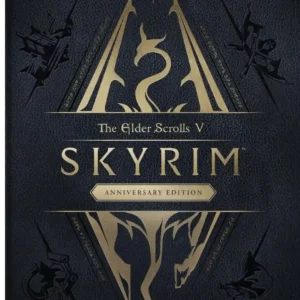
Other Top Video Games to Consider

#1 Well Dweller
4.7

Best for fluid traversal, rewarding exploration, striking art, and forgiving quality-of-life features. Skip it if you want deep combat, radical genre innovation, or consistently demanding bosses.

Pros: difficulty balance, boss design

Cons: innovation, sandbox freedom

#2 Hades II
4.6

Good if you want fast, tactical roguelite combat with huge progression depth, striking art, and standout music. Skip it if repetition, resource micromanagement, or a less emotionally satisfying sequel story...

Pros: combat system, progression system

Cons: originality

#3 Valheim
4.5

Good if you want a beautiful, demanding survival sandbox built around exploration, building, progression, and memorable co-op. Skip it if long resource runs, harsh death recovery, and deliberate pacing sound...

Pros: town-building system, exploration quality

Cons: grind level, fast travel convenience

#4 Donkey Kong Bananza
4.5

Best for joyful destruction, dense exploration, and a charming DK-Pauline adventure. Skip it if camera quirks, frame-rate dips, easy bosses, or premium Switch 2 pricing are dealbreakers.

Pros: fun factor, world interactivity

Cons: frame rate stability, boss design