
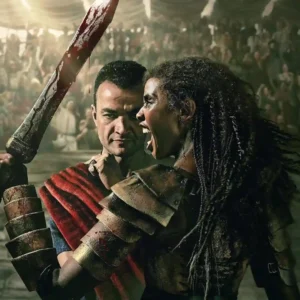
Steal, Season 1
Where It Has the Edge
No clear scored advantage over the other product.

Scorata scores summarize analyzed review evidence on a 1–5 scale; they are not laboratory measurements or a simple average of customer star ratings. Feature scores summarize the reviews covering that feature. The overall score averages feature scores within each review, then combines review averages. When both expert and customer evidence are available, those two groups receive equal weight. Products can have different review coverage, so small score gaps do not establish a winner.
Recommendations prioritize important features for the category, with a score of at least 3.5, a gap of at least 0.25 points and at least two supporting reviews per product. Features with widely varying scores or broad connectivity contexts are excluded from recommendations. These safeguards do not establish statistical significance.
Quick verdict
The available evidence supports the recommendation below, but does not establish an overall winner. Check the remaining features against your priorities.
There is not enough comparable review evidence to recommend Steal, Season 1 over the other product.
Choose Spartacus: House of Ashur for directing quality and villain quality.
No clear scored advantage over the other product.
Scores are out of 5. Missing scores mean missing review evidence, not a missing feature.
The thieves’ prosthetic disguises are described as creepily effective, helping the gang conceal its identities and strengthen the opening premise.
One YouTube critic strongly dislikes Achillia’s wig and styling, calling it distracting and unflattering.
Non-linear timelines and multiple competing storylines make the season feel overextended and harder to follow, despite a gripping opening structure.
Episode 7 is praised for concentrating its many storylines around a clear emotional center, producing a focused and driven hour.
One reviewer warns that plot holes and strange character choices weaken the otherwise enjoyable weekend-watch appeal.
The premiere’s recreation of the ludus and familiar world is so seamless for one longtime fan that it feels as if the franchise never left.
The finale earns some satisfaction from the season’s momentum, but several reviewers call its reveal over-engineered, preachy, confusing, or less exciting than the buildup.
One strongly positive full-season reviewer enjoyed the finale enough to immediately look forward to the next season.
Six episodes work well for reviewers who want a compact binge, though one critic argues the story would have benefited from being cut to four.
One negative review feels the prolonged epic approach does not fit the miniseries-style format well.
The writing ranges from serviceable to thoughtful, but critics object to bloated pacing, a philosophical ending, and ideas that do not receive a clear dramatic payoff.
One enthusiastic video review singles out the script writing as a major strength, praising the franchise’s distinctive verbal style.
The dialogue can become stylized and implausible under pressure, with one reviewer noting that characters sometimes say things no human would say in that situation.
The faux-Latin, Shakespearean cadence is a signature pleasure for many reviewers, who enjoy its poetic vulgarity and distinctive rhythm. Others find the syntax overly elaborate, difficult for newcomers, or distracting.
The visuals range from subtle, effective color and cinematography to competent but forgettable imagery that rarely produces striking shots.
Dramatic lighting and the restored visual atmosphere are singled out as part of the revival’s polished, instantly recognizable look.
Crisp editing and quick cuts help amplify the opening tension, while tight cuts and stillness later make the countdown-like danger feel immediate.
The recurring slow-motion action style is a nostalgic franchise hallmark, but one longtime fan now finds it dated.
Direction is generally serviceable, and the apartment sequence benefits from its filming, though visual choices and pacing do not always give the material enough force.
Direction is praised for maintaining craft across the production and, in later episode coverage, for delivering a focused and driven installment even without arena games.
The criminals can be brutal, volatile, and threatening, yet several reviewers find the crew generic, underwritten, or lacking the dark charisma of stronger heist villains.
Ashur’s toxic charisma and Cossutia’s scheming make villainous or antihero figures highly watchable even for reviewers who dislike them morally.
Some reviewers find the money-led workplace premise fresh and unique, while another sees the opening heist as a familiar montage of better-known thrillers.
The alternate-history premise divides reviewers almost completely: supporters call it fresh, clever, and audacious, while detractors see an unnecessary retread or fan-fiction-style resurrection.
Zara’s characterization sometimes conflicts with the dialogue describing her, while Zara and Luke’s changing alignment can make their relationship feel unearned.
Ashur’s characterization is a major fault line: some see a believable alternate-timeline evolution, while harsher reviews say he behaves far less cunningly and consistently than the original character.
The workplace threat can feel frighteningly plausible, but reviewers also flag necessary preposterousness, questionable institutional behavior, and inaccuracies in the crypto subplot.
The show is intentionally stylized, and some critics accept that bargain completely. Others strongly object to combat physics, historical behavior, and Achillia’s accelerated fighting credibility.
The score often supplies urgent atmosphere and carries tense scenes, though some reviewers find it unmemorable or occasionally too conspicuous.
The sweeping score is praised for instantly transporting the viewer back into the ludus and restoring the franchise atmosphere.
The series creates strong emotional pressure through fear, trauma, and the brutal mother-daughter scenes, though some reviewers found the characters too thin to sustain that impact.
The series is often more entertaining than moving in its early stretch, but later deaths—especially Celadus and Opiter-related material—land with considerably stronger emotion.
The premiere is the strongest consensus point: critics describe it as slick, brilliantly tense, gripping, unique, and an unusually effective opening for a thriller.
The opening earns mostly positive reactions for re-establishing the world, characters, and conflicts quickly, though one recap calls it flashy and hollow and another dislikes the resurrection mechanism.
The money, inequality, morality, and financial-activism themes give the thriller substance, although several reviewers think the show states its ideas too plainly or lets them disappear into chaos.
Many critics see substantive themes about class, enslavement, power, consent, exclusion, race, and survival beneath the gore. A smaller group misses the original rebellion’s moral purpose and finds this season thematically thinner.
Reviewers value the show’s focus on wage inequality, cost-of-living pressure, tax havens, and the anger produced by concentrated wealth, though some find the points obvious.
Professional reviews often praise the emphasis on class, power, exclusion, and Roman political maneuvering, describing it as sharp and relevant rather than decorative.
The central mystery is compelling, but the conspiracy’s layers, financial jargon, shifting timelines, and extra players frequently make the plot murky or overcomplicated.
The alternate-history setup and stylized world can be difficult for newcomers, and one long-form critic also objects to convoluted or incoherent information delivery.
Zara receives the richest development, with reviewers enjoying her evolving survival instincts and vulnerability-to-strength arc. The wider cast is much less fully worked out.
Achillia, Korris, Tarchon, and Ashur receive substantial praise for growth and added depth, especially as the season progresses. Critics who dislike the show argue some arcs arrive too quickly or leave too many supporting characters underdeveloped.
The early inside-job reveal and continuing twists keep the mystery lively, although the final mastermind reveal is often described as underwhelming or over-engineered.
Unpredictability is a recurring strength for positive reviewers, who praise the way the show sets up expected outcomes and then redirects the story.
This is not a relaxing family watch: reviewers flag frightening hostage scenes, bloody beatings, distress, and R-rated language.
Graphic violence, explicit sex, full-frontal nudity, and pervasive profanity make this a very poor fit for family viewing.
One family-oriented review flags R-rated language as a content concern alongside the show’s violence and frightening situations.
Profanity is extremely frequent, and multiple reviews warn that the combination of f-bombs, sexual vocabulary, and stylized syntax can be challenging or excessive.
The series is credited with representing London’s corporate bustle alongside the grittier side of working-class life, giving its British setting social texture.
Achillia’s role, queer relationships, and the show’s treatment of race and gender earn strong praise from many professional critics for adding depth and historical texture. Several YouTube reviewers reject the same choices as forced or implausible, making representation one of the most polarized aspects.
The final stretch is a divisive weakness: some find it energetic, while others see a shrugging, convoluted, or forgettable finish after a stronger opening.
Finale response is split. One full-season fan is highly satisfied and eager for season two, while detractors call parts of the ending melodramatic or, in the harshest case, an unmitigated disaster.
The core premise is consistently seen as smart, intriguing, or sharply entertaining, but the broader story can feel mediocre, hollow, or less effective than its concept.
Story response is mixed. Supporters praise sturdy storytelling, political intrigue, character-driven plotting, and meaningful consequences; detractors see thin purpose, repetition, weak investment, or outright bad plotting beneath the spectacle.
The six-episode format is repeatedly described as addictive, cleanly bingeable, and well suited to a weekend watch.
Reviewers who connect with the show repeatedly describe it as addictive, hooked them by the first half, or left them eager to continue.
Zara and Luke’s chemistry is praised by some reviewers, but others find their shifting relationship confusing or the romance between Zara and Rhys underdeveloped.
Chemistry is strongest in selected pairings, especially Ashur with Achillia and Korris with Opiter, while some reviewers find other romances or ensemble bonds shallow or inconsistent.
Cliffhanger episodes and the opening-hour twist are strong enough to keep viewers hooked through the season.
One critic specifically praises the patient plotting for letting developments feel earned instead of forcing artificial cliffhangers.
The drama lands most strongly in the traumatic, emotionally brutal material around Zara, Haley, and the aftermath of the heist.
Relationship-driven developments and character losses give later episodes potent melodrama, with one episode review praising how effectively evolving bonds drive the story.
The ensemble is the show’s weak point: critics repeatedly say the supporting players and heist crew are thinly drawn, underwritten, or given too many competing storylines.
Several negative reviews feel too much attention goes to combat or selected leads while other gladiators and supporting characters remain thin, creating an uneven ensemble.
Violence is a real content concern because of beatings, blood, and distressing hostage situations, though one reviewer appreciates that the show uses enough violence for tension without becoming repulsive.
Graphic violence is among the show’s defining pleasures and strongest action selling points for many reviewers. Others find the gore nauseating, excessive, or far beyond what they want to watch.
The opener moves with exceptional urgency, but later episodes are often criticized for slowing down, circling the same ideas, or losing the initial momentum.
Pacing varies by reviewer and episode: some early non-action stretches invite fast-forwarding, while later coverage praises focused momentum and brisk movement.
The season’s pacing is the clearest split: some critics call it propulsive and perfectly allocated, while many say the middle drags and loses the opener’s energy.
Some critics appreciate the patient build because developments feel earned, but others find the first half slow or believe major character milestones arrive too quickly relative to their setup.
Reviewers describe the series as high-stakes and action-heavy, with the heist energy helping carry the binge even when the plotting wobbles.
Arena fights and combat choreography are widely praised as creative, brutal, and thrilling, with several reviews calling them a major reason to watch. A small number of critics question the physical credibility of some matchups.
As a British crime and heist thriller, Steal delivers a fresh, tense, high-stakes ride that genre fans can enjoy even if it does not fully realize its potential.
For viewers seeking a pulpy sword-and-sandal drama, the show is described as an enticing, exciting entry likely to satisfy diehard genre and franchise fans.
The bleak, paranoid thriller tone is compelling, but the series can swing from razor-sharp to clumsy and from tense realism to far-fetched plotting.
The show’s cheerfully hedonistic identity feels confident to supporters, but one long-form critic argues comic slow-motion spectacle can undercut scenes meant to feel serious or heroic.
Suspense is strongest in the hostage opening and other high-pressure sequences, with repeated praise for dread, tension, and the ability to keep viewers on edge.
Political maneuvering, betrayals, and high stakes keep the show tense even away from the arena, with several reviewers praising its unpredictability.
The show has occasional dark or unintentional humor, particularly in its threateningly blunt characters, but comedy is not its main strength.
The lighter, deliberately silly register works for at least one critic, who enjoys the show’s refusal to take its lizard-brain pleasures too seriously.
The fast ride is enjoyable, but one reviewer expects the show’s twists may not linger long after the watch or remain memorable enough to revisit.
One highly positive critic explicitly says the series is fun enough to deserve a second viewing.
Steal is widely considered entertaining in bursts or as a fast thriller ride, even by reviewers who found the execution clumsy, uneven, or ultimately forgettable.
Even reviewers who acknowledge excess often find the series extremely entertaining, fun, or addictive. The strongest positive coverage treats its unapologetic spectacle as a feature rather than a flaw.
Its high-stakes setup, twists, and next-episode pull make it especially appealing to viewers looking for an easy thriller binge.
Longtime Spartacus fans are often described as the natural audience, while newcomers may find the lore, dialogue, or excess difficult to enter. Several YouTube reviewers were sharply resistant to the revival’s premise, making broader appeal unusually divisive.
Zara is often a sympathetic character worth rooting for, even while her selfishness and morally dubious choices make her divisive. Luke is singled out as especially unlikeable.
Ashur remains intentionally difficult to root for, and that limits emotional investment for several reviewers. Others find his corruption magnetic, while later episode coverage shows strong affection for characters such as Celadus.
Sophie Turner is the show’s clearest performance strength, praised for vulnerability, range, cunning, and the ability to make Zara compelling even when the plot becomes messy.
The lead performance is seen as capable of anchoring the narrative, though one mixed review feels the conception of Ashur as central hero remains difficult to embrace.
The acting is uneven: one episode review calls Sophie Turner the weak link, while another praises the actors’ expressive non-verbal work and a different critic celebrates the show’s great acting.
Performances are one of the clearest strengths, with many critics calling the cast spectacular, top-notch, or phenomenal. A few dissenters find the style unsubtle or uneven, but the overall acting response is strongly positive.
The music is generally effective at creating a nervous, urgent mood, though its techno familiarity and occasional overstatement draw criticism.
The music is included among the elements one enthusiastic reviewer calls phenomenal.
Supporting performances receive praise for energy and presence, especially Archie Madekwe, Andrew Howard, and the ensemble, even as the characters themselves are often underwritten.
The supporting ensemble is a major asset, with Korris, Cossutia, Achillia, and the gladiator group often described as increasingly compelling and sometimes stronger than the central lead.
The London corporate setting and grittier working-class life give the show a recognizable British world that helps ground its financial-crime premise.
Moving deeper into Roman politics while rebuilding Capua’s social and gladiatorial ecosystem is praised for expanding the franchise without abandoning its familiar foundations.
The visual identity is stylish and effectively bleak, with a washed-out palette and elevated sheen, but some viewers find the overall imagery dull or not very memorable.
The gritty lighting, stylized blood, scenery, and operatic presentation are widely praised for restoring the franchise identity, though a few critics find individual shots or effects visibly fake.
The robbers’ polished black-and-gray styling looks deliberate but also familiar, making them resemble stock streaming-thriller criminals.
Costuming draws sharply different reactions: one review calls it lush and highly crafted, while a historically focused trailer critique objects to specific armor and wardrobe choices.
The sets are neat and realistic, but the financial offices and living spaces do not develop enough visual character to distinguish the series from its genre rivals.
The gritty Roman look and lighting earn praise, but green-screen use, variable sets, and limited open-air scale draw criticism from several reviews.
One full-season critic felt the revival avoids seriously confronting Ashur’s past crimes, leaving his potential redemption underdeveloped.
CGI is one of the weaker production areas in the negative coverage, with critics objecting to over-the-top effects and conspicuous green-screen use.
Most professional critics say the revival recaptures the Spartacus look, language, action, and pulpy energy with impressive fidelity. Dissenting reviewers argue it copies the aesthetics without restoring the original’s soul or heroic purpose.
The deeper focus on Capua’s politics and social hierarchy expands the franchise world beyond arena combat and gives the revival a broader canvas.
Using media coverage to reveal information is called a neat concept, though the surrounding mystery can drown out what those revelations are meant to accomplish.
Historical plausibility is contested. One article defends female gladiators and mixed matchups as grounded enough for the period, while a history-focused video strongly objects to dialogue, equipment, and combat presentation.
Several negative YouTube reviews reject the physical logic of Achillia’s rapid success against experienced men and criticize other characters’ strength as plot-dependent.
Physical spectacle gets mixed reactions: one critic praises realistic gore, while another finds explicit prosthetics distractingly fake.
Every review that directly addresses future viewing is enthusiastic: several critics want the next episodes immediately, and full-season viewers express clear interest in season two.
The conclusion provides answers and an ending, but reviewers variously describe it as hollow, uneventful, confusing, or forgettable rather than fully earned.
Sex and nudity are intentionally extreme. Supportive critics argue the eroticism serves character, power, and atmosphere, while content-focused and negative reviews find it gratuitous, excessive, or less effectively handled than before.
Effects are uneven across the coverage: some VFX and set work look artificial, while the combat-injury effects receive strong praise for shockingly realistic detail.
Professional critics frequently call the revival a fitting, dynamic, or triumphant return, but several full-season and YouTube reviews question why the spinoff exists at all. The result is a genuine split between successful reinvention and unnecessary retread.
The content-focused review considers the series emphatically adult, citing graphic gore, explicit sex, full-frontal nudity, and harsh profanity.
The critical response is described as exceptionally strong, even as audience reaction is much more divided.

Best for sharp adult humor, magnetic chemistry and a deeply satisfying farewell. Skip it if familiar will-they-won’t-they plotting or deliberately messy leads are dealbreakers.
Pros: humor, writing quality

Choose Widow’s Bay for its dark laughs, richly haunted island and memorable ensemble. Skip it if you need straightforward scares, rapid answers to every mystery or a completely resolved finale.
Pros: humor, genre satisfaction
Cons: ending satisfaction, season pacing

Choose Season 15 for warm, character-driven comedy, meaningful growth, and a finale that rewards longtime fans. Skip it if the short binge format, uneven replacement voices, or occasional clumsy commentary...
Pros: franchise connection, character development

Choose The Pitt Season 2 for a gripping, realistic medical drama with superb acting and emotional depth. Skip it if graphic procedures, unresolved arcs, or slower character-driven pacing bother you.
Pros: realism, emotional impact