Scorata scores summarize analyzed review evidence on a 1–5 scale; they are not laboratory measurements or a simple average of customer star ratings. Feature scores summarize the reviews covering that feature. The overall score averages feature scores within each review, then combines review averages. When both expert and customer evidence are available, those two groups receive equal weight. Products can have different review coverage, so small score gaps do not establish a winner.
Recommendations prioritize important features for the category, with a score of at least 3.5, a gap of at least 0.25 points and at least two supporting reviews per product. Features with widely varying scores or broad connectivity contexts are excluded from recommendations. These safeguards do not establish statistical significance.
Quick verdict
What each product is best for
The review evidence points to a tradeoff: humor and supporting cast performance versus renewal interest and franchise connection. Choose according to which strengths matter more to you; the overall score alone does not settle that choice.
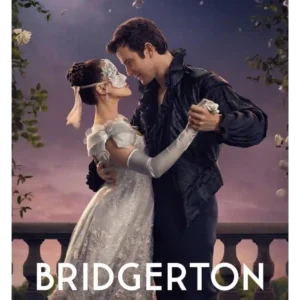
Choose Bridgerton, Season 4 for humor and supporting cast performance.
Choose Neagley for renewal interest and franchise connection.
Why these recommendations?
Bridgerton, Season 4
Where It Has the Edge
humor is 4.3 vs 2.6. Comic banter, sibling moments and physical comedy provide welcome lightness, with several reviewers calling out genuinely funny scenes.
supporting cast performance is 4.9 vs 4.3. Supporting performers receive strong notices, particularly in the Penwood, Francesca/Michaela, Violet and Lady Danbury storylines.
tone consistency is 4.0 vs 3.5. The season shifts between light fairy tale, steamy romance, grief and soapier ensemble drama; that range works for...
Neagley
Where It Has the Edge
renewal interest is 4.7 vs 4.1. Despite mixed opinions on Season 1, several reviewers want a second season and see clear room for the...
franchise connection is 4.9 vs 4.3. The Reacher connection is generally handled well. Cameos and familiar DNA establish continuity without letting Jack Reacher overtake...
emotional impact is 4.8 vs 4.4. The personal case, Neagley’s trauma, and her father relationship give the spinoff more emotional weight than Reacher. Many...
Bridgerton, Season 43.9 overall score
Neagley4.1 overall score
Compare features
Scores are out of 5. Missing scores mean missing review evidence, not a missing feature.
Scored on both products
Other features
Plot clarity
Bridgerton, Season 4
2.1
Neagley
5.0
Details and evidence for plot clarity
Bridgerton, Season 4
Convenient misunderstandings and late revelations sometimes strain logic, especially when obvious questions could resolve conflicts much sooner.
Eight episodes feel cramped for the number of romances and subplots in play; some reviewers explicitly argue that an extra episode or two would improve breathing room.
The eight-episode season is viewed as an effective size for the story, leaving enough room for character development without overstaying in its strongest positive assessment.
Reviewers appreciate the season’s broader attention to class, race and queer identity, especially Sophie’s perspective and the expansion beyond the ton’s elite.
Humor is a recurring weakness. Several reviewers miss Reacher’s deadpan comic timing and think Neagley’s more serious tone would benefit from additional levity.
Netflix’s two-part release is a consistent complaint, with reviewers saying the month-long split interrupts romantic momentum and exaggerates pacing problems.
The full-season drop is convenient for binging but may reduce week-to-week tension. Another source specifically praises airing Neagley immediately after Reacher.
The writing improves markedly for some reviewers in Part 2, especially around class and emotional consequence, while others still fault contrivances and repetitive plotting.
Episode 8 is one of the strongest-reviewed parts of the season, restoring romance, cleverness and surprise even for critics who struggled with earlier episodes.
The ensemble is generally serviceable, but the strongest notices focus on how comfortably the performances fit the pulpy material rather than awards-level acting.
The more character-driven drama is one of the spinoff’s strongest differentiators, giving Neagley emotional material that reviewers see as more elevated than the parent show’s usual approach.
Details and evidence for faithfulness to source material
Bridgerton, Season 4
Book readers generally appreciate recognizable scenes and careful updates to more uncomfortable material, though adaptation choices still divide reviewers.
Direction is praised when it heightens romance and visual storytelling, but a few camera and blocking choices miss opportunities in major emotional scenes.
Araminta is often praised as a more layered and empathetic villain than the Cinderella template requires, though some late antics still feel cartoonish.
Villain reception is sharply mixed. Some reviewers prefer the broader criminal web and praise Lawrence Cole, while others see the antagonists as predictable, hammy, overcrowded, or cartoonish.
Late-season reveals and the revived Whistledown mystery generate strong surprise, even when some reviewers see them as safe callbacks or convenient solutions.
The season’s steamy scenes are generally welcomed as part of Bridgerton’s romantic appeal, especially once Part 2 restores the heat that some viewers missed early on.
One review objects to how the show reframes Neagley’s aversion to touch, feeling the romantic storyline changes a trait that previously helped define her.
Individual episodes can drag when the search, miscommunication or side plots linger, while stronger installments move briskly once the emotional conflicts sharpen.
The premiere is praised as engaging, atmospheric, character-focused, and strong enough to establish Neagley as a lead while setting up the season’s personal mystery.
Ensemble balance is divisive. Some praise the better-integrated supporting stories, while others think too many subplots repeatedly steal time from Benedict and Sophie.
Trauma, vulnerability, family, and exploitation give the series more thematic weight than a basic action spinoff. The harshest review thinks those ideas are overstuffed and shallowly resolved.
Despite mixed opinions on Season 1, several reviewers want a second season and see clear room for the team, relationships, and Chicago setting to grow.
The Reacher connection is generally handled well. Cameos and familiar DNA establish continuity without letting Jack Reacher overtake Neagley’s story, and newcomers can still follow the spinoff.
Episodes running around an hour give the ensemble room to breathe, but some reviewers feel the length becomes excessive when plotting is not equally sharp.
The season shifts between light fairy tale, steamy romance, grief and soapier ensemble drama; that range works for some reviewers but feels uneven to others.
The darker, more serious tone suits Neagley’s guarded personality and helps distinguish the show, but several reviewers think it becomes too heavy without enough humor or contrast.
Part 2 is repeatedly described as moving, heartbreaking and tear-inducing, with grief, vulnerability and romantic payoff giving the season substantial emotional weight.
The personal case, Neagley’s trauma, and her father relationship give the spinoff more emotional weight than Reacher. Many reviewers say these quieter beats are where the show differentiates itself most successfully.
As a romance, the season works best when it embraces yearning, tenderness and fairy-tale payoff. Its Cinderella framework delights some viewers and feels overly familiar to others.
The series works best when it leans into hardboiled detective and noir pleasures, with reviewers praising the investigative focus even when the larger conspiracy feels familiar.
The central love story earns substantial affection, but the familiar fairy-tale setup and occasional contrivances keep the overall story from being universally embraced.
The central case earns mixed-to-positive notices: some find it compelling, intimate, and well executed, while others call it flat, obvious, thin, or overextended.
This is the most consistently praised part of the season. Reviews like the deeper look at Neagley’s past, haphephobia, father relationship, and gradual willingness to let other people into her life, though a few find the arc underdeveloped or overexplained.
Supporting characters are generally easy to root for, with Renee’s growth and the broader team often described as likable even when their writing is thin.
Several reviewers found the season extremely easy to keep watching, including critics who consumed whole batches in one sitting despite reservations about the plotting.
Yearning, class barriers and cliffhangers provide romantic tension, although the guaranteed happy ending and obvious secret identity reduce uncertainty for some viewers.
The cult material, action, and personal stakes create strong tension in the better-reviewed stretches, but obvious plotting sometimes drains suspense before the investigation catches up.
Writing is one of the most split areas: Part 2’s emotional layering and thematic ambition win praise, while formula, exposition and convenient resolutions draw criticism.
Writing is a major point of disagreement: one review praises a weighty narrative that unlocks Sten’s best work, while another says the scripts overexplain and underserve the cast.
The Cinderella structure is the season’s most repeated criticism. Even positive reviews acknowledge that the setup is familiar, predictable or deliberately traditional.
Originality is one of the biggest concerns. Many reviews see the structure, archetypes, and conspiracy beats as too close to Reacher or familiar crime-thriller formulas, although some think the character focus refreshes the material.
Season pacing is mixed. Some reviewers think eight episodes work very well, while others find the middle meandering or the overall length too stretched for a predictable mystery.
Benedict and Sophie’s chemistry is one of the clearest points of praise. Some Part 1 reactions found the spark muted, but most felt it grows into convincing yearning and intimacy.
Chemistry is mostly a strength, especially Neagley’s evolving bonds with Riley and the team. One sharply negative review found the core ensemble had little chemistry, so this is not universal.
The class divide adds welcome grounding, but reviewers differ on whether the show’s fantasy world makes those social barriers feel credible or selectively convenient.
The show earns praise when it lets supporting characters be imperfect fighters, but one review finds the cult world too visibly artificial and stereotyped to feel immersive.
Most reviewers find the series fun, gripping, or highly watchable, but enthusiasm varies. The main divide is whether viewers miss Reacher’s swagger and humor enough for the darker tone to feel less entertaining.
The season remains easy to recommend to established Bridgerton fans, though its familiar formula and crowded ensemble may test viewers wanting a sharper reinvention.
One dissenting review found Neagley hard to sustain as the center of eight episodes, suggesting the show may work best for viewers already interested in the wider Reacher world.
Critical response is mixed-to-positive: the season’s romance and fantasy still appeal, but several published assessments cited in the roundup criticize predictability and lost edge.
Early critic roundups are broadly positive, with praise centering on Maria Sten, action, and character depth, while still noting that the spinoff trails Reacher’s strongest critical reception.
Sets, balls, furnishings and locations remain lavish and immersive overall, despite isolated complaints about artificial-looking environments and green-screen work.
The series remains lush, polished and immediately recognizable, with masquerades, Regencycore pageantry and bright production design continuing to impress.
The fixed Chicago setting and recurring team are praised for giving the spinoff a world that can deepen over multiple seasons rather than reset each year.
The ensemble is usually a major plus, with Riley, Keno, and Renee helping give the show a team identity. A few reviews find them thinly written or noticeably weaker than Sten.
Maria Sten is the consensus anchor, repeatedly praised for screen presence, physicality, restraint, and emotional nuance. Even negative reviews usually separate her strong performance from complaints about the material around her.
The season earns praise when Benedict’s mistakes carry consequences and other characters challenge his assumptions instead of letting him coast past them.
Action is one of the show’s clearest strengths: fights are often praised as tactical, hard-hitting, and tailored to Neagley. Several reviewers still find them less fun, brutal, or spectacular than Reacher’s.
The exploitation of people dealing with addiction is treated as a meaningful part of the conspiracy, giving the thriller a rawer social dimension instead of using addiction only as background color.
Visual storytelling is frequently effective, particularly in the upstairs/downstairs framing, though at least one pivotal emotional scene drew criticism for its camera blocking.
The season expands Neagley’s personal history and the wider franchise world, giving the character more context than her supporting appearances could provide.
The class and power-dynamics framing gives the romance more consequence and is often praised for making the season feel more thoughtful than a simple fairy tale.
Reviewers like that Neagley remains formidable without becoming implausibly superhuman. Her fights rely more on speed, training, and endurance than Reacher-style brute force.
The He-Man display is singled out as overly obvious product placement, with one reviewer comparing it unfavorably to a knowingly exaggerated movie gag.
The slow-burn Neagley–Riley connection works for reviewers who value restraint and character consistency, but others find it predictable or awkward and unconvinced by the match.
Most reviews think Neagley justifies its existence through Sten, deeper character work, and a fixed ensemble. The main reservation is how closely it still follows Reacher’s structural and stylistic blueprint.
The gowns and masquerade looks remain a signature attraction, with frequent praise for detail and spectacle. A minority found some styling overdone or unflattering.
The show attempts to explain haphephobia and trauma, but one critic thinks the internal conflicts resolve too weakly for that educational angle to feel worthwhile.