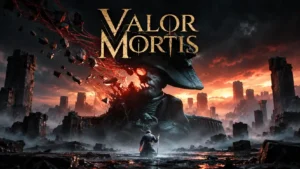
Compare Romeo is a Dead Man vs Valor Mortis

Romeo is a Dead Man

Romeo is a Dead Man

Overall score 3.5 / 5

Based on 59 scored reviews

vs
Valor Mortis

Valor Mortis

Overall score 3.7 / 5

Based on 84 scored reviews

How we score

Scorata scores summarize analyzed review evidence on a 1–5 scale; they are not laboratory measurements or a simple average of customer star ratings. Feature scores summarize the reviews covering that feature. The overall score averages feature scores within each review, then combines review averages. When both expert and customer evidence are available, those two groups receive equal weight. Products can have different review coverage, so small score gaps do not establish a winner.

Recommendations prioritize important features for the category, with a score of at least 3.5, a gap of at least 0.25 points and at least two supporting reviews per product. Features with widely varying scores or broad connectivity contexts are excluded from recommendations. These safeguards do not establish statistical significance.

Quick verdict

What each product is best for

The review evidence points to a tradeoff: endgame content and replay value versus core gameplay loop and fast travel convenience. Choose according to which strengths matter more to you; the overall score alone does not settle that choice.

Choose Romeo is a Dead Man for endgame content and replay value.

Choose Valor Mortis for core gameplay loop and fast travel convenience.

Why these recommendations?

Romeo is a Dead Man

Where It Has the Edge

  • endgame content is 4.8 vs 2.3. New Game Plus is the main post-credits attraction and is enthusiastically received by the reviewers who discuss it,...
  • replay value is 4.6 vs 2.7. New Game Plus is widely welcomed, and several reviewers immediately started or planned another run. Carryover progression, higher...
  • skill tree depth is 4.8 vs 3.5. Reviewers who discuss the stat maze like how route choices turn character growth into a small puzzle rather...

Valor Mortis

Where It Has the Edge

  • core gameplay loop is 4.1 vs 2.2. The parry, posture-break and finisher loop can be absorbing. Its momentum falters when extra systems and repetitive encounters...
  • fast travel convenience is 4.0 vs 2.8. Lantern fast travel makes revisiting chapters convenient. A late temporary restriction is understandable in context, even though it...
Romeo is a Dead Man 3.5 overall score
Valor Mortis 3.7 overall score

Compare features

Scores are out of 5. Missing scores mean missing review evidence, not a missing feature.

Scored on both products

Other features

Endgame content
Romeo is a Dead Man
4.8

New Game Plus is the main post-credits attraction and is enthusiastically received by the reviewers who discuss it, especially because progression carries over and higher difficulties deepen combat.

Valor Mortis
2.3

The reported lack of New Game Plus at launch limits post-campaign options, especially for players wanting to carry a developed character into another run.

Handheld play suitability
Romeo is a Dead Man
1.3

Steam Deck impressions are poor. Reviewers report frame rates falling into the 20s or teens and describe the handheld experience as effectively unplayable or more frustrating than fun.

Valor Mortis
3.5

Steam Deck play is more workable than expected with low settings and upscaling. Visual compromises and dips in busy areas keep the recommendation conditional.

Aiming precision
Romeo is a Dead Man
2.6

Ranged combat is useful for weak points, yet aiming frequently draws criticism for slow speed, awkward camera movement, manual-aim feel, and cumbersome reload behavior.

Valor Mortis
4.5

Mouse and keyboard aiming earns praise for its speed and shooting precision, making it an appealing control choice for targeting weak points.

Core gameplay loop
Romeo is a Dead Man
2.2

The routine of clearing enemies, dipping into Subspace, and repeating objectives wears thin for several reviewers. Creative detours help, but the standard loop is often described as repetitive or tedious.

Valor Mortis
4.1

The parry, posture-break and finisher loop can be absorbing. Its momentum falters when extra systems and repetitive encounters pull attention away from that core.

Content variety
Romeo is a Dead Man
4.8

Variety is one of the game’s defining strengths. Third-person action, pixel-art hub exploration, horror, comics, minigames, dungeons, and other format shifts make the experience unusually unpredictable.

Valor Mortis
3.1

The compact collection of swords, guns and powers can support varied tactics. Its limited size also makes repeated fights and second playthroughs less distinctive for players who enjoy broad arsenals.

Environmental detail
Romeo is a Dead Man
2.3

Environment quality trails the broader art direction. Critics describe several locations as bland, basic, or budget-constrained even when the surrounding presentation is imaginative.

Valor Mortis
4.1

Rich environmental detail makes the ruined countryside memorable at close range. Some textures and peripheral areas look noticeably rougher than the strongest scenes.

Movement feel
Romeo is a Dead Man
2.4

Movement is one of the rougher mechanical areas, with complaints about sluggish transitions, animation lock-in, and awkward recovery after being hit. A few reviewers adapt, but the jank remains noticeable.

Valor Mortis
4.1

Smooth movement and a strong sense of momentum help the action stand apart. Awkward collision and inconsistent momentum occasionally make traversal feel clumsy.

HUD clarity
Romeo is a Dead Man
1.8

Combat readability is a recurring problem. Dense blood, particles, cyan sparks, summons, and cramped arenas can turn the screen into visual noise that reviewers struggle to parse.

Valor Mortis
3.3

Off-screen warnings can provide valuable notice of unseen attacks. The inability to hide the HUD is a separate frustration for players wanting an unobstructed view.

Skill tree depth
Romeo is a Dead Man
4.8

Reviewers who discuss the stat maze like how route choices turn character growth into a small puzzle rather than a conventional list of nodes. It offers meaningful planning without becoming opaque.

Valor Mortis
3.5

Ambers and skill nodes support useful tactical adjustments without a sprawling stat sheet. Limited branching, compulsory investments and modest bonuses leave some players wanting deeper specialization.

Fast travel convenience
Romeo is a Dead Man
2.8

Fast travel through Space-Time Pharmacies is useful, but using those points can respawn defeated enemies, making backtracking and repeated traversal less convenient than expected.

Valor Mortis
4.0

Lantern fast travel makes revisiting chapters convenient. A late temporary restriction is understandable in context, even though it limits free exploration for a time.

Gameplay mechanics
Romeo is a Dead Man
2.7

The broader gameplay package is divisive: some reviewers find its layered systems satisfying once they click, while others call the underlying mechanics stiff, dated, or uneven.

Valor Mortis
3.9

Swords, firearms and supernatural powers create useful tactical combinations. Some abilities arrive too late, feel clumsy or receive too little development after their introduction.

Side character depth
Romeo is a Dead Man
4.3

The colorful Space-Time Police crew is a major source of charm. Reviewers often enjoy returning to the ship just to hear new conversations and spend time with its strange, likable personalities.

Valor Mortis
3.1

Supporting characters divide opinion: some bring intrigue and charm, while others leave little lasting impression. The smaller human stories often fare better than the broader plot.

Checkpoint system
Romeo is a Dead Man
2.6

Checkpoints are functional but divisive. Some reviewers appreciate returning to an activated point with a retry buff, while others dislike old-school save-point rules and unforgiving placement.

Valor Mortis
3.8

Boss-adjacent lanterns and shortcuts often make retries convenient. A few cave routes and late sequences still impose frustrating runbacks or inconsistent checkpoints.

Platforming precision
Romeo is a Dead Man
2.3

Ladders, ledges, and vertical spaces expose control roughness, with reviewers describing falls, pauses, and vulnerable transitions that make traversal more frustrating than precise.

Valor Mortis
3.5

Wall-running, grappling and vertical routes produce exhilarating sequences when they connect. Scripted jumps, unreliable triggers and first-person spacing also create some of the campaign's most frustrating moments.

Character development
Romeo is a Dead Man
3.1

Reviewers who connect with the cast praise the care given to relationships and recurring crew members. More critical sources argue that major characters remain thin or never become emotionally convincing.

Valor Mortis
2.0

William's predictable, drawn-out realization about the war weakens the impact of his character development.

AI behavior
Romeo is a Dead Man
1.0

The direct AI critique is severe: enemies can stand idle or get stuck when elevation changes, undermining otherwise straightforward encounters.

Valor Mortis
2.0

Enemy behavior sometimes breaks down, with misdirected attacks, inactive bosses or aggression that persists beyond sensible limits. These lapses undermine otherwise demanding fights.

Animation quality
Romeo is a Dead Man
4.5

The limited direct assessments are positive, praising stellar character-scene animation and well-executed motion even when the broader presentation can be rough.

Valor Mortis
3.5

Weighty attacks and detailed finishers can make the swordplay feel convincing. Occasional clipping and inconsistent animation reduce that sense of precision.

Dialogue quality
Romeo is a Dead Man
3.4

Quirky banter, one-liners, and crew conversations are often charming, but the quantity of text and occasional nonsense can become tiring for reviewers less receptive to the style.

Valor Mortis
2.4

Some conversations are brisk and entertaining, but awkward pacing and banal lines can weaken the characters. William's dialogue does not work equally well for everyone.

Innovation
Romeo is a Dead Man
5.0

The most celebrated innovations are small but memorable: the DeadGear Cannonball progression maze, Bastard system, mixed-media storytelling, and willingness to switch genres without warning.

Valor Mortis
4.0

The unusual perspective and Napoleonic horror setting feel fresh to many players. Others find too much of the underlying formula familiar for the change to fully distinguish it.

Camera behavior
Romeo is a Dead Man
2.3

The camera compounds crowded fights for several reviewers, with complaints about tight zoom, wall collisions, poor tracking, and aiming movements that disorient the view.

Valor Mortis
3.2

First-person combat adds intimacy and impact, but narrows awareness of enemies, hazards and escape routes. It works best in clear duels and can become frustrating in crowds or confined spaces.

Stealth mechanics
Romeo is a Dead Man
2.1

The weaponless asylum sequence sharply divides opinion. Horror-focused reviewers call the stealth change-up fantastic, while others consider the forced sneaking one of the game’s weakest sections.

Valor Mortis
3.0

Sneaking and backstabs can give open encounters satisfying tactical options. The later forced stealth sections are much less welcome and interrupt the established rhythm.

Immersion
Romeo is a Dead Man
5.0

Reviewers who click with the game find its world-building and constant tonal shifts unusually absorbing, even when they stop actively trying to decode every plot detail.

Valor Mortis
4.2

The close viewpoint makes sword clashes, giant enemies and ruined locations feel unusually immediate. It is one of the clearest benefits of bringing the genre into first person.

Visual effects quality
Romeo is a Dead Man
3.5

Blood, neon, particles, and special attacks create huge spectacle, but the same excess can obscure enemies and make combat visually overwhelming. Reviewers love the style more than its readability.

Valor Mortis
4.3

Lighting, fog and supernatural effects help sell the atmosphere. Combat effects also provide useful timing feedback rather than serving only as spectacle.

Originality
Romeo is a Dead Man
4.8

Originality is the strongest consensus point. Even harsh critics acknowledge that the game is bold, strange, handmade-feeling, and unlike the safer action games surrounding it.

Valor Mortis
4.0

The historical horror setting and first-person approach give the game a distinctive identity within a familiar genre.

Progression system
Romeo is a Dead Man
4.4

DeadGear Cannonball is one of the most consistently praised systems: turning stat growth into a Pac-Man-like route-planning minigame makes progression feel playful, deliberate, and memorable.

Valor Mortis
3.6

Unlocking tools and improving a focused skill tree can make growth feel clear and rewarding. Slow early development and costly late levels sometimes add friction without substantially changing the playstyle.

Tutorial quality
Romeo is a Dead Man
2.3

The opening tutorial is viewed as generic and insufficient for some of the game’s stranger systems. Important mechanics can feel underexplained even when the basic attack controls are easy to grasp.

Valor Mortis
3.0

Clear tutorials can help establish the basics. Repeated introductions can also interrupt the campaign and delay its more interesting combinations.

Combat system
Romeo is a Dead Man
3.5

Combat lands very differently depending on the reviewer. Its aggressive melee/ranged rhythm, Bloody Summer attacks, and Bastard summons can feel exhilarating, but others find the foundation shallow, clunky, or overly repetitive.

Valor Mortis
4.1

Parrying and close-range swordplay are the main attraction, with guns and powers adding satisfying combinations. Imprecise hit detection, restrictive encounters and repetition sometimes interrupt the flow.

Atmosphere
Romeo is a Dead Man
4.9

The game’s strongest locations can feel intensely distinct, from cozy pixel-art downtime aboard The Last Night to oppressive, grotesque horror spaces. Its tonal confidence is a major attraction.

Valor Mortis
4.3

Quiet devastation, ruined villages and grotesque corruption establish a memorable mood. The atmosphere often stays compelling even when the story or combat falters.

Economy and resource balance
Romeo is a Dead Man
2.5

One reviewer specifically disliked how scarce upgrade materials can push players toward investing in only a small part of the weapon roster rather than experimenting freely.

Valor Mortis
3.1

Resources can encourage thoughtful use of guns, powers and stamina. Ammo shortages, tight stamina and slow access to healing sometimes feel restrictive rather than rewarding.

Frame rate stability
Romeo is a Dead Man
2.4

Frame-rate drops are one of the most repeated complaints, particularly in crowded fights, Subspace, and certain late areas. Some console configurations stay stable, but consistency varies sharply by platform and scene.

Valor Mortis
3.0

Stable high frame rates are achievable on some tested systems, but traversal stutter and frame drops recur elsewhere. Settings and update state make a meaningful difference.

Grind level
Romeo is a Dead Man
2.9

Grinding is manageable when save points let players quickly respawn nearby enemies, but some reviewers still resent being pushed into farming for late upgrades or harder encounters.

Valor Mortis
3.5

Streamlined systems and rewards from failed boss attempts can reduce grinding. Expensive late levels and difficult encounters still push some players toward repetitive farming.

Loot system
Romeo is a Dead Man
3.3

Reward quality depends on the activity. Some optional content delivers worthwhile badges and materials, while generic combat dungeons are criticized for offering little worth chasing.

Valor Mortis
3.8

Exploration usually brings useful materials, Ambers or other upgrades. The absence of hidden weapons disappoints players hoping for a more transformative discovery off the main path.

World interactivity
Romeo is a Dead Man
5.0

The Last Night hub stands out for its tactile feel, with hands-on activities and character interactions giving the ship more personality than a simple menu-based base.

Valor Mortis
4.5

Explosive props, hanging objects and other environmental hazards provide practical ways to thin groups. Paying attention to the surroundings can create an advantage before a sword fight begins.

Graphics quality
Romeo is a Dead Man
3.5

Raw graphical fidelity is less consistent than the art direction. Some call it Grasshopper’s best-looking work, while others point to dated environments, uneven lighting, low-detail scenes, or technical softness.

Valor Mortis
4.0

Many accounts praise beautiful landscapes and striking ruined locations. Muddy textures, uneven character models and visual compromises on weaker hardware keep the presentation from being consistently impressive.

Weapon balance
Romeo is a Dead Man
3.2

The eight-weapon arsenal invites experimentation, yet melee and guns do not always feel equally satisfying. Ranged weapons are strategically essential for weak points, but slow reloads and awkward switching often make melee more enjoyable.

Valor Mortis
3.6

The saber and rapier offer useful defensive tradeoffs, and some players find every weapon worthwhile. Others rely heavily on the starting saber or find weaker firearms difficult to justify.

Difficulty balance
Romeo is a Dead Man
3.6

Higher difficulties often bring out the combat’s best qualities by forcing full use of weapons, Bastards, and boss patterns. Cheap attacks, uneven spikes, and a too-easy standard setting create some disagreement.

Valor Mortis
3.2

The challenge ranges from demanding but fair to frustratingly uneven. Early boss walls, damage spikes and cramped fights are recurring complaints, although some players find the overall experience comparatively forgiving.

Bug frequency
Romeo is a Dead Man
2.7

Bug experiences vary from almost clean runs to serious progression and audio problems. Pathfinding glitches, broken settings, and late-game bugs keep the technical picture from feeling dependable.

Valor Mortis
2.4

Collision problems, disappearing or misplaced enemies and other glitches can disrupt progress. Some playthroughs are largely clean, and updates reportedly resolve a portion of the roughness.

Polish
Romeo is a Dead Man
2.8

The game’s rough edges are impossible to ignore even for many fans. Jank, uneven controls, technical problems, and reused content coexist with unusually confident presentation and several highly polished individual systems.

Valor Mortis
2.5

The game can feel accomplished and satisfying, but jank and inconsistent execution repeatedly limit its polish. Reports differ on how intrusive those rough edges become.

Horror tension
Romeo is a Dead Man
4.8

The asylum chapter is the standout horror moment, with stalking, disturbing imagery, puzzles, and a helpless-player setup that several horror-focused reviewers find genuinely effective.

Valor Mortis
4.5

Mutated soldiers, disturbing civilian stories and oppressive spaces create effective dread. The horror often comes from sustained unease and body imagery rather than conventional scares.

Accessibility options
Romeo is a Dead Man
3.3

Accessibility impressions conflict. One reviewer says dedicated options are sparse despite aim assists and colorblind settings, while another finds the game broadly accessible and praises clear subtitles.

Valor Mortis
3.0

Accessibility assessments differ sharply. Rebinding and presentation controls are useful, but some coverage still finds the overall selection too limited.

Art direction
Romeo is a Dead Man
4.6

Art direction earns near-universal enthusiasm. The game constantly shifts among 3D action, pixel art, comics, animation, retro interfaces, and other styles while retaining a distinct Grasshopper identity.

Valor Mortis
4.8

Military uniforms, pastoral landscapes and grotesque mutations create striking art direction. The contrast between historical detail and supernatural corruption gives the horror a coherent visual identity.

Fun factor
Romeo is a Dead Man
3.8

Most reviewers find substantial fun in the combat spectacle, Bastards, bosses, and sheer unpredictability, but a sizable minority is worn down by repetition, rough controls, and navigation.

Valor Mortis
4.0

The best combat and movement sequences are a great deal of fun. Repetition, technical problems and frustrating set pieces determine how consistently that enjoyment lasts.

Crash stability
Romeo is a Dead Man
3.0

Crash reports are inconsistent: some reviewers encounter no major crashes, while others report multiple crashes or severe issues requiring restarts or reinstalls.

Valor Mortis
2.8

Crash reports vary from none to repeated interruptions. That inconsistency makes stability a meaningful caveat rather than a universal problem.

Pacing
Romeo is a Dead Man
2.8

High-energy combat and rapid tonal shifts keep the best stretches moving, but repeated Subspace trips, late-game gauntlets, and drawn-out navigation repeatedly interrupt that momentum.

Valor Mortis
3.0

The campaign's momentum divides opinion: some find it brisk and well paced, while others struggle through slow openings, repetitive middle chapters or disruptive late sequences.

Exploration quality
Romeo is a Dead Man
3.9

Exploration often pays off with upgrades, collectibles, and hidden material, and some stages invite satisfying detours. Backtracking and Subspace navigation can undermine that sense of discovery.

Valor Mortis
4.1

Returning with new abilities can uncover useful upgrades, secrets and optional encounters. The appeal depends on whether those rewards outweigh repeated routes and occasionally confusing navigation.

Emotional impact
Romeo is a Dead Man
4.4

Beneath the gore and absurdity, several reviewers find genuine melancholy, loss, and tenderness. The best story beats and boss setups can hit surprisingly hard when the game’s emotional wavelength connects.

Valor Mortis
4.5

Brief stories about civilians make the consequences of the invasion emotionally affecting, adding weight beyond the battlefield spectacle.

Narrative quality
Romeo is a Dead Man
3.2

The story is intentionally bizarre and deeply polarizing. Some reviewers find its fragmented mystery, themes, and emotional turns captivating; others see an incoherent, directionless plot that never earns its chaos.

Valor Mortis
3.1

The alternate-history mystery and civilian stories can be compelling. Predictable themes, a slow start and an abrupt or inconclusive ending leave many less impressed with the plot than the setting.

Lore depth
Romeo is a Dead Man
4.5

The denser story material rewards close reading and replay for reviewers who enjoy interpretation. Layers of meaning, notes, and recurring themes leave some players wanting to revisit the game with a notebook.

Valor Mortis
4.4

Notes, memories and environmental storytelling deepen the ruined world and its inhabitants. These smaller discoveries often supply emotional context missing from the central plot.

Enemy variety
Romeo is a Dead Man
2.9

Enemy variety is mixed and trends weaker late in the game. Some reviewers enjoy distinct tactical threats and weak-point roles, while others feel the same small pool is recycled too often.

Valor Mortis
2.8

Mutated troop types offer striking first encounters, but many accounts find the enemy pool too small. Reused elites and familiar combinations become especially noticeable later on.

Writing quality
Romeo is a Dead Man
2.9

Writing ranges from layered and thoughtful to rambling and underdeveloped. The strongest reactions praise thematic depth and character moments, while critics object to tenuous plot connections, cryptic exposition, and uneven payoff.

Valor Mortis
3.0

The writing mixes appealing pulp and emotionally effective moments with obvious themes and uneven follow-through. Its best smaller stories often land more strongly than the main argument about war.

Learning curve
Romeo is a Dead Man
3.9

Basic combat is easy to pick up, but weapon switching, aiming, Bastard use, and higher difficulties take longer to internalize. Some reviewers enjoy that mastery curve; others find the adaptation needlessly awkward.

Valor Mortis
3.9

Learning enemy patterns and parry timing can be highly satisfying. A real adjustment period remains, especially for players unfamiliar with this style of defense.

Upgrade system
Romeo is a Dead Man
3.9

Upgrades usually feel consequential, especially reload speed, health, damage, and Bastard improvements. Resource limits and late grinding keep a few reviewers from enjoying the system as much.

Valor Mortis
3.9

Generous materials can make upgrading several weapons practical, encouraging experimentation. The paths are generally straightforward, with limited room for dramatic changes to a weapon's role.

Onboarding experience
Romeo is a Dead Man
2.3

Early hours can misrepresent how complex and unusual the game becomes. Reviewers repeatedly mention awkward introductions or systems—especially Bastards—being explained too late or too vaguely.

Valor Mortis
2.3

The opening gives players time to learn, but can feel slow, clunky or overwhelming before the combat and progression settle into place.

Ownership and support

Replay value
Romeo is a Dead Man
4.6

New Game Plus is widely welcomed, and several reviewers immediately started or planned another run. Carryover progression, higher difficulties, missed Bastards, and interpretive story details give repeat play real appeal.

Valor Mortis
2.7

Amber combinations and missed side content offer reasons to return. A small arsenal, limited build diversity and the reported absence of New Game Plus at launch weaken immediate replay appeal.

Value for money
Romeo is a Dead Man
4.1

Positive reviewers see strong value in the mid-priced runtime, side content, New Game Plus, and replayability. One more skeptical source recommends waiting for a steep discount, so value depends on tolerance for the roughness.

Valor Mortis
4.3

The lower asking price is widely appealing for the amount and quality of action on offer. Technical roughness and uneven design make the value less convincing to some players.

Comfort and build

Level design
Romeo is a Dead Man
2.4

Level design is a recurring weakness despite flashes of creativity. Reviewers praise certain chapter gimmicks and the asylum, but criticize bland corridors, reused spaces, overly linear layouts, and Subspace-heavy progression.

Valor Mortis
4.2

Interconnecting paths, shortcuts and ability-gated routes make many locations rewarding to learn. Cramped mines, confusing loops and uneven encounter layouts expose the limits of first-person combat.

User interface design
Romeo is a Dead Man
2.9

The interface is visually distinctive but not universally easy to use. Its retro flourishes and strong personality win praise, while messy layouts and confusing technical settings can frustrate.

Valor Mortis
4.0

The quest log makes it convenient to track main and side objectives without adding quest markers to the world.

Puzzle design
Romeo is a Dead Man
2.4

Subspace puzzles are usually viewed as simple rather than clever, and their growing length can turn them into a chore. The asylum’s horror puzzles are a notable positive exception.

Valor Mortis
3.3

Small environmental puzzles can open useful rewards and shortcuts. Other puzzles feel familiar and do little to develop the possibilities of the powers they introduce.

Quest design
Romeo is a Dead Man
4.8

Optional missions and side dungeons can be compelling enough to pull players away from the main path, especially when they combine combat with useful upgrades and rewards.

Valor Mortis
4.1

Side quests often add memorable human stories, worthwhile discoveries and choices. Some feel slight or offer too little payoff, and unclear objectives can turn them into unnecessary errands.

Map and navigation design
Romeo is a Dead Man
2.1

Navigation is one of the clearest weaknesses, especially in Subspace. Maze-like rooms, weak vertical guidance, repeated TVs, and getting lost make progression more tiring than exploratory.

Valor Mortis
2.8

Distinct landmarks and reconnecting paths can make the world satisfying to learn. Missing maps, obscure gates and unclear quest directions also lead to wasted time and repeated loops.

World-building
Romeo is a Dead Man
4.9

The fractured space-time setting, bizarre institutions, crew, horror detours, and mixed-media presentation create an unusually immersive world for reviewers who embrace the game’s logic.

Valor Mortis
4.4

The plague-ravaged Napoleonic setting is a major strength, giving the familiar genre a distinctive identity. Its history and imagery are often richer than the main narrative makes use of.

Boss design
Romeo is a Dead Man
4.0

Bosses are among the most reliable highlights: grotesque designs, bespoke music, varied mechanics, and demanding patterns make many encounters memorable. A minority find some fights spongy, cheap, or mechanically basic.

Valor Mortis
3.5

Boss opinions range from imaginative, satisfying highlights to underwhelming or poorly balanced fights. The windmill is especially memorable, while early difficulty spikes and repeated encounters are common reservations.

Sound design
Romeo is a Dead Man
4.1

Most reviewers like the punchy, unsettling audio and how it supports the action and horror tone. One detailed PS5 assessment reports tinny sound and sibilant dialogue, creating a notable dissenting view.

Valor Mortis
4.4

Metallic parry sounds, weapon impacts and environmental audio give the action weight. Missing sounds, distracting cues or uneven presentation occasionally weaken that otherwise strong feedback.

Performance

Soundtrack quality
Romeo is a Dead Man
4.8

The soundtrack is one of the clearest consensus strengths. Reviewers repeatedly praise its rock, synth, vocal boss themes, and eclectic genre mix, with several wanting to keep listening after play ends.

Valor Mortis
3.2

The soundtrack can reinforce the historical horror mood, but it leaves little lasting impression for several players. Some appreciate its discordant character, while others find it repetitive or distracting.

Performance optimization
Romeo is a Dead Man
2.3

Performance is a persistent technical weakness. Reviews repeatedly report heavy slowdowns, poor PC scaling, troublesome settings, and especially bad Steam Deck results, though a few systems run smoothly.

Valor Mortis
3.5

Performance varies substantially across builds, platforms and hardware. Some players report smooth results or major patch improvements, while others encounter persistent instability even on powerful PCs.

Controls and connectivity

Protagonist appeal
Romeo is a Dead Man
4.0

Romeo is usually seen as a solid or compelling lead, with his earnestness and growth helping anchor the chaos. Even positive reviewers sometimes want more depth behind his fixation on Juliet.

Valor Mortis
2.9

William's voiced reactions can make the journey feel personal. Other accounts find him too predictable or thinly characterized to carry the story's moral awakening.

Character customization
Romeo is a Dead Man
4.3

Build flexibility comes from combining weapons, badges, consumables, and Bastard loadouts rather than cosmetic creation. Reviewers like how those choices support different combat approaches.

Valor Mortis
3.6

Ambers and modifiers let players adapt their tactics without managing a huge inventory. The freedom is useful within encounters, but remains narrower than extensive class or equipment customization.

Voice acting
Romeo is a Dead Man
3.9

Voice work is generally well received, with several reviewers singling out Romeo’s performance and the cast’s delivery. A few sources find parts of the English voice work merely adequate or uneven.

Valor Mortis
4.3

Voice acting is a recurring strength, particularly the prominent supporting roles and William's performance. A few accounts find delivery inconsistent, but the cast generally adds conviction to the setting.

Menu usability
Romeo is a Dead Man
3.0

One reviewer explicitly wishes more upgrade and farming tasks were handled through straightforward menus, finding the repeated hands-on routines charming at first but increasingly cumbersome.

Valor Mortis
3.2

Weapon swapping can support quick tactical changes, but the wheel and transitions are not consistently smooth. Interface refinement would help the combat maintain its pace.

Controls responsiveness
Romeo is a Dead Man
3.3

Responsiveness ranges from superbly snappy to frustratingly delayed. Weapon-switch locks, dodge timing, and animation commitments are the main complaints when the controls feel slow.

Valor Mortis
3.4

Combat can feel quick and responsive, but default keyboard bindings and occasional input problems draw criticism. Rebinding helps, and some players prefer mouse accuracy while others find the controller comfortable.

Evidence available for one product

Controls and connectivity

Age appropriateness
Romeo is a Dead Man
1.5

The direct parental-suitability assessment advises against the game for concerned parents because of frequent blood fountains and coarse language.

Valor MortisNo score yet
Collector appeal
Romeo is a Dead Man
5.0

One reviewer strongly wishes for a physical copy specifically to keep and display on a shelf, showing clear collector appeal despite the lack of a broader consensus.

Valor MortisNo score yet

Other features

Character roster
Romeo is a Dead Man
4.7

The ensemble is widely liked for being bizarre, colorful, and memorable, with the ship’s crew providing some of the game’s warmest and funniest downtime.

Valor MortisNo score yet
Choice impact
Romeo is a Dead ManNo score yet
Valor Mortis
3.5

Quest and dialogue choices can add welcome character texture and smaller consequences. They do not substantially reshape the main campaign.

Combat readability
Romeo is a Dead ManNo score yet
Valor Mortis
3.7

Readable animations, sound cues and off-screen indicators help compensate for the narrow viewpoint. Large enemies, overlapping attacks and crowded rooms can still make defensive timing difficult to judge.

Content completeness
Romeo is a Dead ManNo score yet
Valor Mortis
2.3

Abrupt endings, unresolved threads and an unfinished feel leave some wanting a more complete launch package. Future story content does not resolve those reservations about the base game.

Crafting system
Romeo is a Dead Man
4.3

Growing, fusing, and refining Bastards is a major highlight. Reviewers frequently treat the system as a game within the game because it supports experimentation, stronger summons, and personalized builds.

Valor MortisNo score yet
Death mechanics
Romeo is a Dead ManNo score yet
Valor Mortis
3.8

Boss rewards and currency placed outside the arena make failed attempts less punishing. Forgiving fall penalties also help keep traversal mistakes from becoming expensive setbacks.

Family friendliness
Romeo is a Dead Man
1.5

The same parental assessment rates the game poorly for family suitability due to its extreme violence and strong language, even if the gore can be exaggerated and comic.

Valor MortisNo score yet
Field-of-view options
Romeo is a Dead ManNo score yet
Valor Mortis
3.0

Field-of-view controls can improve awareness where available. Conflicting accounts include a complaint about the lack of a proper slider, so the experience appears dependent on the tested build.

Flying mechanics
Romeo is a Dead Man
4.0

The limited ship travel works more like a stylish level-select and resource-gathering interlude than free flight. The one direct assessment found its restrictions acceptable.

Valor MortisNo score yet
Game length
Romeo is a Dead ManNo score yet
Valor Mortis
3.3

The campaign's focused size feels appropriate to some players, while others find the same combat ideas stretched too far. Optional exploration and personal progress through bosses affect how well the runtime lands.

Graphics settings
Romeo is a Dead ManNo score yet
Valor Mortis
3.0

Settings adjustments can improve performance considerably, especially by reducing costly effects or lowering handheld visuals. Frame generation draws a separate caution because defensive timing is sensitive to latency.

Load times
Romeo is a Dead ManNo score yet
Valor Mortis
4.5

Brief loading times make restarting and moving between the menu and game convenient in the tested PS5 version.

Mission variety
Romeo is a Dead Man
4.4

Chapters regularly introduce new eras, gimmicks, or genre shifts, which helps the campaign avoid feeling identical from start to finish even when the underlying objective structure repeats.

Valor MortisNo score yet
Overall quality
Romeo is a Dead ManNo score yet
Valor Mortis
4.4

The game earns strong recommendations for its distinctive setting and satisfying action. Its uneven design and technical state keep it from being an equally easy recommendation for everyone.

Pause functionality
Romeo is a Dead ManNo score yet
Valor Mortis
4.3

Being able to pause is a welcome convenience that makes this demanding game easier to fit around interruptions.

Romance quality
Romeo is a Dead Man
3.8

The Romeo-and-Juliet relationship is a major point of disagreement. Some reviewers find its messy, unhealthy dynamic fascinating, while others think the central romance lacks enough substance to justify Romeo’s devotion.

Valor MortisNo score yet
RPG system depth
Romeo is a Dead ManNo score yet
Valor Mortis
2.9

The RPG layer favors accessible refinement over deep class-building. Ambers and upgrades support useful tactical changes, but a small arsenal and narrow specialization limit radically different builds.

Sandbox freedom
Romeo is a Dead ManNo score yet
Valor Mortis
3.3

Open arenas reward creative combinations of movement, powers and positioning. Narrow spaces and prescribed sequences sometimes reduce that freedom to a single intended solution.

Violence level
Romeo is a Dead ManNo score yet
Valor Mortis
4.0

Visceral finishers and creative violent combinations add to the pleasure of mastering combat. The approval concerns their effect on the action, rather than simply the amount of violence.

Ownership and support

DLC value
Romeo is a Dead ManNo score yet
Valor Mortis
2.5

The Deluxe edition is a weaker immediate purchase when its extra cost mainly buys skins and an expansion still some way off.

Localization support
Romeo is a Dead ManNo score yet
Valor Mortis
2.5

English-only audio limits alternatives for players unhappy with the pacing of the dialogue delivery.

Platform-specific feature support
Romeo is a Dead Man
2.5

The detailed technical review finds the PC upscaling controls confusing and ineffective in places, with DLSS quality settings not behaving as their labels suggest.

Valor MortisNo score yet
Save system reliability
Romeo is a Dead ManNo score yet
Valor Mortis
2.5

The single-save restriction is a disappointing limitation for players wanting more flexibility with separate runs.

Comfort and build

Enemy design
Romeo is a Dead ManNo score yet
Valor Mortis
4.4

Twisted military units and disturbing human-animal mutations give enemies a strong identity. Their concepts are often more inventive than the limited roster's repeated use suggests.

Mission design
Romeo is a Dead Man
3.1

The episodic structure produces some memorable setups, yet late-game missions and repeated routes can become exhausting. Several reviewers specifically dislike the gauntlets and reused material near the end.

Valor MortisNo score yet

Other Top Video Games to Consider

#1 Well Dweller
4.7

Best for fluid traversal, rewarding exploration, striking art, and forgiving quality-of-life features. Skip it if you want deep combat, radical genre innovation, or consistently demanding bosses.

Pros: difficulty balance, boss design

Cons: innovation, sandbox freedom

#2 Hades II
4.6

Good if you want fast, tactical roguelite combat with huge progression depth, striking art, and standout music. Skip it if repetition, resource micromanagement, or a less emotionally satisfying sequel story...

Pros: combat system, progression system

Cons: originality

#3 Valheim
4.5

Good if you want a beautiful, demanding survival sandbox built around exploration, building, progression, and memorable co-op. Skip it if long resource runs, harsh death recovery, and deliberate pacing sound...

Pros: town-building system, exploration quality

Cons: grind level, fast travel convenience

#4 Donkey Kong Bananza
4.5

Best for joyful destruction, dense exploration, and a charming DK-Pauline adventure. Skip it if camera quirks, frame-rate dips, easy bosses, or premium Switch 2 pricing are dealbreakers.

Pros: fun factor, world interactivity

Cons: frame rate stability, boss design