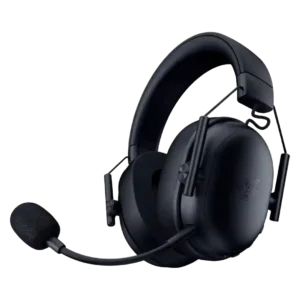
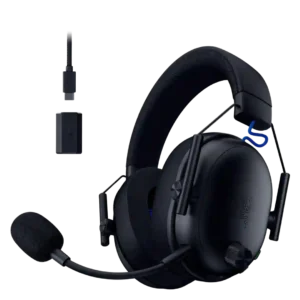
Razer BlackShark V3 X HyperSpeed
Where It Has the Edge
- Battery is 5.0 vs 4.6. Battery life is one of the clearest strengths, repeatedly lasting through long sessions and often multiple days between...

Scorata scores summarize analyzed review evidence on a 1–5 scale; they are not laboratory measurements or a simple average of customer star ratings. Feature scores summarize the reviews covering that feature. The overall score averages feature scores within each review, then combines review averages. When both expert and customer evidence are available, those two groups receive equal weight. Products can have different review coverage, so small score gaps do not establish a winner.
Recommendations prioritize important features for the category, with a score of at least 3.5, a gap of at least 0.25 points and at least two supporting reviews per product. Features with widely varying scores or broad connectivity contexts are excluded from recommendations. These safeguards do not establish statistical significance.
Quick verdict
The review evidence points to a tradeoff: Battery versus Active noise cancellation and Detachable microphone convenience. Choose according to which strengths matter more to you; the overall score alone does not settle that choice.
Choose Razer BlackShark V3 X HyperSpeed for Battery.
Choose Razer BlackShark V3 for Active noise cancellation and Detachable microphone convenience.
Scores are out of 5. Missing scores mean missing review evidence, not a missing feature.
Most buyers rate the sound highly for gaming, with clear detail and strong directional performance. The less enthusiastic reports describe it as hollow, metallic, thin, or less lively for music and compared with pricier BlackShark models.
Sound is the headset’s clearest strength: most reviewers describe it as crisp, detailed, rich, or excellent across games, music, and everyday use. A small minority call it tinny, merely decent, or inferior to alternatives.
ANC is a clear omission for noise-sensitive buyers. The customers who called it out said passive isolation was not enough to fully shut out busy surroundings.
Two customers who describe noise cancelling say it works extremely well, including one report of dramatically reducing jet noise during a flight.
Mic noise reduction is a strong point, with multiple users praising clean voice pickup and effective suppression of keyboard noise, static, or background interference.
Noise handling is inconsistent across the reports: one expert praises background suppression, while a customer says the mic picks up breathing and lacks noise suppression.
The virtual 7.1 processing did not convincingly widen the presentation for the expert who evaluated it; instead, it sounded thin and artificial.
Opinions on soundstage are sharply split: one customer calls it amazing, while another finds the music presentation abysmal and lacking spatial scale.
Spatial audio is sharply mixed. Some players love 7.1 for gaming and directional immersion, while others hear little benefit, dislike the artificial sound, or resent extra software and paid processing.
Spatial processing is usually a strength, especially for competitive games where THX or surround cues improve awareness. One customer, however, felt the spatial effect was almost absent in music.
Bass is generally satisfying, with several buyers praising its punch and depth without masking detail. A few listeners found the low end dull, dry, or weak compared with richer-sounding alternatives.
Bass is generally praised for being deep, punchy, and controlled rather than boomy. One customer, however, found the headset noticeably short on bass.
Passive isolation is usually effective, with many users saying the large cushions block substantial outside noise. One expert found the seal much leakier to exterior sound, so results may depend on fit.
The memory-foam earcups block a meaningful amount of outside sound on their own, helping reviewers stay focused without relying on electronic cancellation.
Directional gaming performance is consistently excellent in the comments that test it, especially for footsteps and locating enemies moving from behind or beside the player.
Directional accuracy is excellent in most reports, making footsteps, gunshots, enemies, and environmental sounds easy to locate. One low-volume customer reports the opposite because important cues were too quiet to hear.
The tuning is praised for staying balanced rather than chasing exaggerated impact. Strong bass can coexist with clear detail, though one expert still found the extremes a little dull.
Reviewers who discuss tonal balance find the response clear, detailed, and generally controlled. One audio-focused customer considered the response good enough to choose the headset over other gaming options.
Output can get plenty loud while retaining the generally good sound character reported by the same buyer.
Three customers independently complain that maximum output is far too low, even after EQ or setting changes. For listeners who prefer high playback levels, this is the most repeated performance warning.
The customers who specifically tried Xbox reported failure to connect, making Xbox use a significant caution unless the exact edition and setup are confirmed.
Xbox results are mostly excellent, with easy setup, strong integration, low-lag play, and precise cues. One customer reports a severe exception where wireless microphone use required an adapter.
The included charging and port-extension cables earned unusually strong praise for feeling smooth, practical, and well made.
Cable convenience is mixed. One customer likes that the included cord is long enough for direct PC use, while others dislike the long HyperSpeed desktop run or find the charging cord too short.
The USB-C wireless dongle is a standout practical detail: compact, unobtrusive, and repeatedly described as simply working without blocking nearby ports.
The remote dongle design divides reviewers. Some like being able to position or switch it easily, while others dislike the long cable, laptop clutter, or report a failed dongle switch.
The box can be impressively complete, with useful cables, adapters, and a compact dongle. Two customers, however, received units missing the microphone windscreen/foam.
The unboxing feedback is positive about the small included touches, with the cable minder specifically earning a thumbs-up.
The cups move freely enough for one expert despite lacking full swivel, but another owner specifically disliked that they do not rotate.
The updated swivel points are viewed as a welcome improvement over the previous generation’s fit hardware.
Packaging experiences are split: one buyer was especially pleased with the presentation, while another found the newer packaging unusually plain.
The included hardware arrives neatly packed and secure, with the unboxing reviewer specifically praising the presentation and protection.
Glasses wearers were consistently positive, saying the headset sits well without excessive pressure and remains comfortable for long sessions.
Glasses comfort is split. One expert wore the headset without the usual temple pressure, while a customer says the cups hurt their ears when wearing glasses.
Padding feedback is mostly positive, with many calling the cushions plush, soft, breathable, or cozy. Fit-sensitive users sometimes found the pads too thin, too small, rough inside, or lacking enough depth.
The memory-foam cushions earn strong praise for softness, depth, and breathability. Several reviewers prefer them to pads on competing or older headsets.
The dedicated game/chat balance wheel is a premium-style control that an expert was especially pleased to find on a sub-$100 headset.
The dedicated game/chat control is useful for changing mixes without opening software, but one customer finds its adjustment steps far too fine and slow.
The 2.4GHz connection is usually rock-solid with few or no dropouts. A smaller set of users reported micro-pauses, Bluetooth glitches, or frequent disconnects.
A reviewer specifically notes that the headset stays securely on the head even while bending over, despite its very light weight.
The boom mic is functional overall: one expert found it merely serviceable, while another user said positioning took a moment but worked well once adjusted.
The microphone is usually rated very highly for clarity and voice reproduction, and several reviewers call it among the better wireless-headset mics. Criticism centers on excess background pickup, one long-term degradation report, and one Xbox connection problem.
Customers who broke out the frequency ranges praised clear, detailed highs, but the expert assessment was more restrained and found the extreme treble somewhat dull.
High frequencies stay detailed and clear without harshness, and vocals remain distinct even when mixes get busy.
Console flexibility is a weak point: one expert noted separate PlayStation and Xbox editions, and one customer could not connect the unit they bought to either Xbox Series S or PS5.
One Xbox customer reports that wireless microphone use required an adapter, making the console experience unusable for their intended setup.
A detachable boom is convenient for mobile or non-chat use and one owner especially liked being able to remove it. Another preferred a permanently attached flip-up design and worried about jack wear.
Removing the mic is convenient for music or solo play and helps keep it out of the way. The main drawback is that there is no integrated place to store it once detached.
In busy gameplay, the drivers separate cues well enough to make individual movement and positioning easier to follow when the scene is not overwhelmed by effects.
Complex mixes are a strong point, with reviewers saying individual sounds stay distinct even when games or music become crowded.
Sidetone is useful at moderate settings, but the control experience is imperfect: placement can feel odd and the highest level can be excessively loud or briefly finicky.
Sidetone is polarizing. One reviewer gets a natural, useful monitoring level after adjustment, while another calls it quiet and terrible-sounding enough to be a dealbreaker.
Preset EQ quality is mixed. One buyer found some gaming profiles harsh or muddy, while another liked having several presets alongside custom EQ.
Built-in profiles are convenient for some users, but quality is inconsistent. Several like the quick presets, while others call the esports profiles poor or the stock choices unremarkable.
Range is usually very strong, covering rooms or even a house without signal loss. One owner called it merely okay, but the broader pattern is positive.
Wireless range is consistently strong in the few reports that test it, including stable use across a living room and roughly 10–15 meters without noticeable delay.
The familiar BlackShark adjustment system generally holds its position and offers useful range, but the mechanism can feel clunky and does not fit every head size equally well.
Most reports find the sliding adjustment smooth and useful, but there are exceptions. One customer says the extensions slowly slip, while another simply finds adjustability below average.
The headset worked well across combinations of PC, PlayStation, phones, and other devices in the positive compatibility reports, making it useful beyond a single setup.
Broad platform support is a consistent strength, with positive use across PC, Mac, PlayStation, Switch, Xbox, phones, and other devices. Hardware switching between systems is generally described as convenient.
Overall sentiment is strongly positive, especially around comfort, battery life, wireless performance, and value. The negative experiences cluster around mic volume, clamping, software friction, console compatibility, and isolated durability problems.
Overall sentiment is strongly positive: many reviewers call it a favorite, daily driver, excellent upgrade, or easy recommendation. The main dissent comes from low-volume complaints, software frustrations, a few build concerns, and isolated hardware failures.
Wireless flexibility is a major appeal, from 2.4GHz and Bluetooth to easy phone switching and freedom from cables. It is less versatile for buyers expecting simultaneous dual-source audio or seamless compatibility with every console.
Reviewers like being able to move among 2.4 GHz wireless, Bluetooth, USB, phones, PCs, and consoles, with simultaneous sources especially useful. One customer is frustrated by missing Bluetooth/wireless mixing in their setup.
The midrange stays full and clear in the strongest customer feedback, helping voices and game detail remain easy to hear.
The midrange is described as clean and well-defined, helping voices and core musical content remain easy to follow.
Wireless latency is exceptionally strong across every opinionated report, with repeated descriptions of no noticeable lag or near-zero delay in gaming.
Low latency is one of the most consistent strengths in the set. Reviewers repeatedly report instant, smooth, or effectively lag-free wireless response, including in competitive games.
A key limitation is the inability to listen to PC/2.4GHz audio and Bluetooth audio simultaneously, which matters for buyers wanting true dual-source playback.
Simultaneous 2.4 GHz and Bluetooth audio is repeatedly praised, letting users keep game audio and a phone or second device active together. The reports that actually use the feature describe it as convenient and working well.
Firmware support is a sore point in the one detailed complaint: the owner saw the lack of post-launch updates as a major frustration and wanted ongoing fixes and refinement.
One enthusiast is specifically waiting for firmware improvements to address low volume, control behavior, and EQ limitations, so confidence in post-launch fixes remains uncertain.
Value is one of the strongest themes, especially around sale prices from roughly $75 to $100 and the mix of wireless features, comfort, and battery life. Lower scores come from buyers bothered by software paywalls, weak sound, or durability.
Most reviewers consider the mid-range price a strong deal because sound, comfort, mic quality, and wireless features approach more expensive headsets. Negative value judgments come from low-volume or nonworking units rather than a broad sense that the feature set is overpriced.
Fit is excellent for many users, but size extremes can be awkward. Some smaller-headed users found the headset too loose even at minimum adjustment, while others felt the ear space was cramped.
Fit is generally comfortable and secure, but not perfectly consistent. Two users praise the fit while another says the headset slowly slides down and needs frequent readjustment.
Clamp is highly head-shape dependent. Several users praised the balanced, secure pressure, while others reported squeezed ears, headaches, or pain within minutes.
The headset stays secure without squeezing too hard, and reviewers specifically praise the lack of excessive side pressure.
Long-session comfort is a major strength for most buyers thanks to the low weight and soft padding. A meaningful minority struggled with tight clamping, limited ear space, or rough inner material.
Comfort is one of the strongest areas in the set. Reviewers repeatedly wear it for long gaming sessions or workdays without fatigue, pressure, or a strong urge to remove it.
The clean BlackShark shape, matte finish, and restrained non-RGB look are consistently attractive to the people who commented on design.
The understated black styling appeals to reviewers who dislike flashy gaming gear, and several call it sleek or restrained. One reviewer finds the all-black look boring, so the minimalism will not suit everyone.
Most owners describe the headset as solid, well made, and impressively finished for the price. Durability is less consistent, with isolated reports of plastic feel, broken controls, and a unit breaking after a short drop.
Build impressions are mixed. Experts and several customers call it robust or durable, but others say the lightweight plastic feels cheap, fragile, or less sturdy than a competing headset.
The lightweight feel is nearly universally praised, often described as disappearing on the head even during long sessions.
Its light weight is repeatedly called out as a major advantage, especially for long sessions. Several users contrast it favorably with heavier premium headsets.
Setup is one of the most divisive parts of the headset. Some users were running in minutes, while others fought Synapse, registration, multiple apps, long setup steps, paywalls, or confusing console configuration.
Setup ranges from plug-and-play and beginner-friendly to genuinely frustrating. Most users have little trouble, but Synapse restart/resource complaints and one repeated power-on problem keep this from being universally simple.
The mobile app can be handy for EQ and basic settings, but the software experience is uneven. Some found it useful and easy, while others described it as limited, confusing, or needlessly bloated.
Software opinions are mixed. Razer Audio is often described as easy and useful, while several Synapse/Android users complain about connection trouble, heavy resource use, or poor interface choices.
Most buyers found the mic clear, crisp, or unusually good for a wireless gaming headset. The main counterpoint is output level: an expert and several users found it quiet, thin, or inconsistent across apps and platforms.
Voice calls are consistently clear and natural, with reviewers reporting compliments from friends, coworkers, and customers. The mic is well suited to Discord, meetings, and work calls.
The physical controls are usually simple, tactile, and convenient, especially for mute and volume. There are smaller usability complaints about finding the mute button quickly, plus one broken volume wheel.
Physical controls are often praised for tactile feel, placement, and quick access, but not everyone likes them. Two customers find the knobs awkward or excessively slow for large adjustments.
Custom EQ is one of the most useful software features and can noticeably improve thin or dry stock tuning. Frustrations center on missing mic-EQ options and some EQ features being restricted or paywalled.
EQ flexibility is widely appreciated, with game tuning, mic EQ, and saved profiles giving users meaningful control. One enthusiast criticizes the app for offering only a fixed graphic EQ rather than deeper parametric tuning.
Bluetooth is useful for phone use and easy switching alongside the 2.4GHz connection. Most experiences were positive, though one buyer reported recurring Bluetooth chopping and glitches.
Bluetooth is usually convenient and smooth, including easy phone pairing and strong dual-source use. One customer reports occasional short Bluetooth dropouts.
Battery life is one of the clearest strengths, repeatedly lasting through long sessions and often multiple days between charges. One expert exceeded the 70-hour claim in real use.
Battery life is a major strength, commonly lasting days between charges. The caveats are shorter endurance in ultra-low-latency mode, a few optimistic runtime estimates, and one concern about difficult battery replacement access.
Charging is quick over USB-C, complementing the already long battery life well.
Fast charging is consistently praised, with several reviews highlighting the six-hours-from-15-minutes claim or quick real-world top-ups. One customer’s only complaint is a short charging cable.
A few customers report severe reliability problems, including units that would not work or were difficult to power on. These failures are much less common than the positive reports, but they are serious when they occur.
The pads peel off at the edge, making replacement straightforward when compatible pads are available.
The dedicated footstep-scaling control is viewed as a useful, distinctive competitive-gaming feature that makes cue adjustment more convenient.
The adjustment rods held their tension after weeks of use, although the reviewer noted that BlackShark mechanisms can loosen somewhat over time.
The microphone jack works as a 3.5mm connection, but one owner still disliked the irregular port shape and listed it among the headset’s drawbacks.
Portable use is hurt by the long cabled HyperSpeed dongle, which one reviewer found awkward for Switch 2 and other mobile setups.
The pads themselves are designed to come off easily, which is useful for maintenance. One customer still wished replacement cushions were more readily offered as part of the ownership experience.
The matte finish resists fingerprints and dirt well, helping the headset stay clean-looking with regular use.
USB-C is a practical strength here, supporting the headset's very fast charging experience.
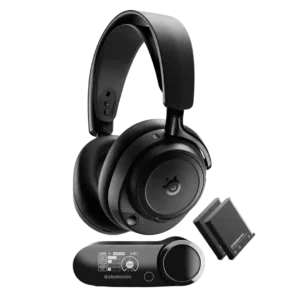
Choose the Arctis Nova Elite if you want top-tier wireless sound, ANC, hot-swap batteries, and multi-device mixing. Skip it if $600 feels excessive, you game on one console, or tight/heavy...
Pros: Sound quality, Connectivity versatility
Cons: Value for money, Carry case quality
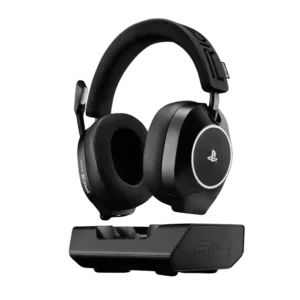
Best for sharp gaming audio, long battery life, an excellent dock, and strong value. Skip it if you need ANC, a detachable mic, maximum console volume, or seamless PS5/Xbox switching.
Pros: Sound quality, Included stand quality
Cons: Detachable microphone convenience
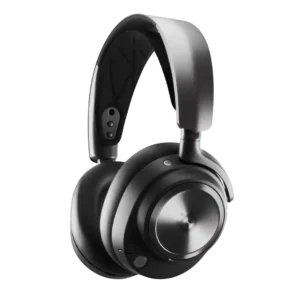
Choose the Arctis Nova Pro Wireless for premium gaming audio, hot-swappable batteries, broad device support, and deep EQ control. Skip it if the high price, mixed mic quality, or uneven...
Pros: Battery, Comfort during long use
Cons: Console compatibility limitations, USB-C
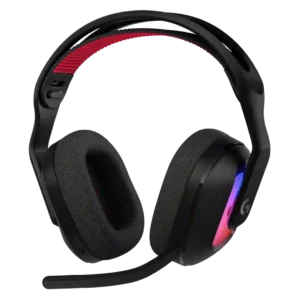
Choose it if you regularly switch between two gaming systems and want an excellent mic, long battery life, and lightweight comfort. Skip it if you need simultaneous Bluetooth audio, strong...
Pros: Overall satisfaction, Sound quality
Cons: Fit/seal reliability, Multipoint connectivity reliability