Scorata scores summarize analyzed review evidence on a 1–5 scale; they are not laboratory measurements or a simple average of customer star ratings. Feature scores summarize the reviews covering that feature. The overall score averages feature scores within each review, then combines review averages. When both expert and customer evidence are available, those two groups receive equal weight. Products can have different review coverage, so small score gaps do not establish a winner.
Recommendations prioritize important features for the category, with a score of at least 3.5, a gap of at least 0.25 points and at least two supporting reviews per product. Features with widely varying scores or broad connectivity contexts are excluded from recommendations. These safeguards do not establish statistical significance.
Quick verdict
What each product is best for
The available evidence supports the recommendation below, but does not establish an overall winner. Check the remaining features against your priorities.
Choose Young Sherlock, Season 1 for world-building and visual style.
There is not enough comparable review evidence to recommend The Shards over the other product.
Why these recommendations?
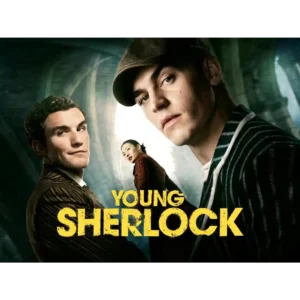
Young Sherlock, Season 1
Where It Has the Edge
world-building is 5.0 vs 4.5. Oxford, the Holmes family estate, Paris, Constantinople, and the wider Victorian setting create a rich, expansive adventure world...
visual style is 4.4 vs 4.1. The production is repeatedly described as stylish, polished, cinematic, and visually impressive, even by reviewers who dislike the...
The Shards
Where It Has the Edge
No clear scored advantage over the other product.
Young Sherlock, Season 14.0 overall score
The Shards3.1 overall score
Compare features
Scores are out of 5. Missing scores mean missing review evidence, not a missing feature.
Scored on both products
Other features
Plot twists
Young Sherlock, Season 1
4.8
The Shards
1.5
Details and evidence for plot twists
Young Sherlock, Season 1
Twists are a major attraction, frequently described as bold, surprising, riveting, and effective enough to propel the binge.
Several reviewers like how individual episodes build their own hooks while feeding the larger mystery, though others dislike the season-long case swallowing episodic detective storytelling.
Standalone diversions—especially the dance show and Shakespeare material—are repeatedly criticized as surplus, overextended, or disconnected from the main mystery.
Details and evidence for cliffhanger effectiveness
Young Sherlock, Season 1
The season’s cliffhangers land strongly, with reviewers describing them as effective hooks that immediately create appetite for another episode or season.
The season-ending cliffhanger divided reviewers. One called it an exceptional hook for another season, but most felt it withheld closure without making the unresolved mystery more compelling.
Multiple reviewers explicitly want another season, citing the open ending, strong character dynamics, and curiosity about where Sherlock and Moriarty go next.
Interest in another season is split. One enthusiastic review says the cliffhanger demands continuation, while several others think the story should have concluded in one season.
Turning Moriarty into Sherlock’s friend and reshaping his family history gives the familiar character a fresh angle, even if some reviewers see the broader prequel formula as derivative.
The show can summon melancholy and investment, but many reviewers felt major traumas, relationships, and coming-of-age beats lacked the emotional depth or processing they needed.
Bret’s voice-over is highly divisive. Some find it seductive, evocative, or useful for grounding an unreliable protagonist, while many call it flat, droning, overused, or intrusive.
Animal harm and graphic violence were too much for some reviewers, who specifically warned sensitive viewers or wished certain images had been withheld.
The show sustains a brash, playful adventure tone surprisingly well, though some reviewers think its lighter energy undercuts tension or its late escalation pushes too far.
Tone is a recurring weakness. Reviews repeatedly cite abrupt swings among horror, camp, teen soap, satire, and nostalgia, even when individual modes are enjoyable on their own.
The last episode offers big revelations and spectacle but is polarizing because some reviewers find the payoff earned while others call it rushed and overloaded.
The season finale is directly criticized as structurally weak and poorly connected, reinforcing the broader dissatisfaction with its lack of resolution.
The finale is the strongest recurring complaint. Most reviewers object to the lack of answers, abrupt new mysteries, and unresolved character arcs, with only a small minority finding the landing satisfying.
The opening earned both praise and criticism: some saw a stylish, unsettling setup with strong mystery momentum, while another found the first episode a poor pilot.
Despite an erotic premise and frequent sexual material, multiple reviewers found the series surprisingly chaste or sanitized in ways that weakened the intended tension.
Moriarty’s reinvention is widely praised as fresh and compelling, but his late movement toward villainy can feel rushed and inconsistent to some reviewers.
Robert and the Trawler divide reviewers: some find Robert magnetic or frighteningly smooth, while others say the menace never fully materializes and the mystery loses force.
The central mystery and family conspiracy are compelling enough to sustain the adventure, though some critics find the story overcomplicated, disjointed, or weaker than its presentation.
The central idea and individual episodes can be engaging, but the prevailing concern is that the season becomes overstuffed, unfocused, and less satisfying as it expands its mysteries and side plots.
The series works best for reviewers who embrace its dark comedy and camp. Others think it never fully commits to horror, thriller, satire, or melodrama strongly enough.
The best thematic material comes from grief, family, loyalty, class differences, morality, and the diverging values that will eventually separate Holmes and Moriarty.
The series reaches for ideas about identity, privilege, adolescence, nostalgia, and self-invention, but many reviewers feel those ideas remain on the surface compared with the novel’s psychological depth.
The mystery can be tense and addictive, especially early on, but many reviewers think the Trawler plot loses menace as it is sidelined, overexplained, or weakened by tonal shifts.
A few characters become unexpectedly easy to root for, but other reviewers found the wealthy teen ensemble too thin or remote to care about consistently.
Guy Ritchie’s kinetic approach is widely praised for giving the show energy and visual identity, even as a minority finds the imitation of his style overbearing or stale.
Direction is split between admiration for Murphy’s strong visual instincts and criticism that campy staging sometimes undercuts the horror the story needs.
Episodes usually move quickly and keep viewers engaged, but the middle stretch and finale draw complaints for either dragging or cramming too much into too little time.
Pacing varies widely by episode: some praise the unhurried buildup, while others flag slow starts, overlong detours, and repeated interruptions just as the plot seems ready to move.
The propulsive mystery makes the season easy to binge for some viewers, while others found the all-at-once experience exhausting or padded enough to benefit from breaks.
Writing reactions are divided: some praise the tightly threaded mystery and character work, while harsher critics call the subplots weak and the dialogue/material poorly written.
Performance quality is a major strength overall, with the ensemble repeatedly called superb, phenomenal, fantastic, or assured despite a few sharply negative takes on the leads.
Performances are one of the steadier strengths, especially Igby Rigney, Hayes Warner, Jordan Roth, and several adult players. A smaller group found parts of the young cast stiff, wooden, or miscast.
The widening conspiracy often becomes difficult to follow, with critics citing logical leaps, too many subplots, and revelations that can overwhelm rather than clarify.
Reviewers repeatedly describe the storytelling as jumbled, overstuffed, or poorly connected, especially late in the season when mysteries multiply faster than they resolve.
The season’s overall rhythm is its biggest structural weakness: a fast opening and ending can surround a dull middle, while nonstop revelations leave little breathing room.
The season often loses momentum as it expands beyond the central mystery. Some appreciate the wandering structure, but most criticism focuses on padding, detours, and a weak late-season drive.
Details and evidence for faithfulness to source material
Young Sherlock, Season 1
The show takes major liberties with Conan Doyle and Andrew Lane, which some viewers embrace as a fresh remix and purists or critics see as barely recognizable Holmes.
This is one of the biggest fault lines. Early episodes and some overall choices are praised as faithful, but many reviewers believe the adaptation sanitizes or discards the novel’s psychological ambiguity, interiority, and sharper edge.
One reviewer directly criticizes stretching the self-contained novel across nine episodes, seeing the expanded length as a source of padding and structural trouble.
The harshest critics see weak subplots, fuzzy characterization, and poor writing as core problems, even though other aspects of the production remain entertaining.
Writing is one of the harsher areas of criticism, with complaints about unclear motivations, weak connective tissue, unearned arcs, and incoherent late-season storytelling.
Dark comedy is a consistent bright spot: several reviewers praise the camp, absurdity, and specific comic episodes or line deliveries even when they dislike the larger story.
Sherlock and Moriarty’s chemistry is one of the clearest strengths, with their banter, camaraderie, and doomed-friendship dynamic repeatedly singled out as the show’s best element.
The ensemble often sells the friendships, rivalries, and shifting attractions; several reviewers especially liked the chemistry around Bret, Robert, and the core group.
The camera work is a major strength: reviewers repeatedly praise the lush, seductive photography, stylish compositions, and images that make early-1980s Los Angeles feel vivid and dangerous.
The family history and Moriarty friendship give several characters meaningful arcs, but some critics feel the breakneck conspiracy leaves too little room for reflection or earned growth.
Debbie and Thom receive some of the clearest growth, and positive reviews appreciated time spent beneath the characters’ polished surfaces. The finale, however, left some major emotional turns underdeveloped.
Most reviewers see an easy-to-recommend adventure with wide appeal, though a few question whether its youthful remix will satisfy either traditional Holmes fans or Gen Z viewers.
Some reviewers see a clearly targeted, highly watchable show, while others think its layers and period allusions may narrow the audience that fully connects with it.
The modern, high-energy soundtrack helps sell the youthful Ritchie style for many viewers, but others find the choices dated, anachronistic, or potentially quick to age.
The soundtrack is one of the most consistently praised elements, with reviewers loving the period needle drops and the way the music deepens the 1980s atmosphere.
Details and evidence for supporting cast performance
Young Sherlock, Season 1
The supporting ensemble is a major asset, with Dónal Finn, Colin Firth, Natascha McElhone, Zine Tseng, and Holly Cattle receiving repeated individual praise.
Supporting performers are frequently a highlight, with especially strong notices for Jordan Roth, Evan Rachel Wood, Wes Bentley, and other eccentric adult characters.
The core cast is generally strong, especially Dónal Finn, though Hero Fiennes Tiffin receives more divided reactions and Max Irons draws some notable criticism.
The central cast is generally well regarded, led by strong notices for Igby Rigney and, in some reviews, Homer Gere. A few critics found key performances stiff or unconvincing.
Even skeptical reviewers often found the series watchable, stylish, or intermittently fun. Others found the excess exhausting or dull, producing a genuinely mixed entertainment consensus.
Costumes are a standout craft element, praised for rich detail, character storytelling, texture, and visual appeal even when historical accuracy is imperfect.
Oxford, the Holmes family estate, Paris, Constantinople, and the wider Victorian setting create a rich, expansive adventure world that reviewers find immersive.
The glossy, stylized look is broadly admired even by negative reviewers, though a few argue that the beauty can become empty surface or work against the book’s alienating mood.
Production design is among the strongest areas of agreement, with repeated praise for lavish interiors, precise period detail, and a polished visual world.
The fights and chases are energetic and frequent, but reactions split: some call them inventive and top-notch, while others find them forgettable, overused, or unable to generate excitement.
Casting drew sharply mixed reactions. Some called the ensemble inspired or impeccable, while others questioned key choices—especially whether some performers convincingly read as high-school students.
Princess Shou’an’s wardrobe is praised for avoiding lazy Orientalism, but other reviews criticize the series for thin cultural context and broad stereotypes.
The series borrows recognizable Holmes lore and Ritchie-style DNA without belonging to his Robert Downey Jr. film continuity, a separation reviewers view with both relief and disappointment.
Reviewers enjoy the family history, early mind palace, Moriarty friendship, and other origin-story additions that expand Holmes lore beyond familiar Baker Street territory.
The 1981 setting is one of the clearest successes. Production details, music, styling, locations, and cultural texture repeatedly convince reviewers that the show inhabits its era.
The conspicuous period brands are noticeable enough to be distracting at times, though they also reinforce the consumerist world the show is depicting.
The deliberately heightened adventure asks viewers to suspend disbelief; some enjoy the scrappy fight authenticity, while others find deductions and conspiracy turns implausible.
The major romantic triangles and pairings draw mostly negative reactions, with reviewers citing weak stakes, hollow dynamics, or insufficient chemistry.
One reviewer felt the pre-release promise of an especially depraved, transgressive series did not match the comparatively restrained show that arrived.