realism
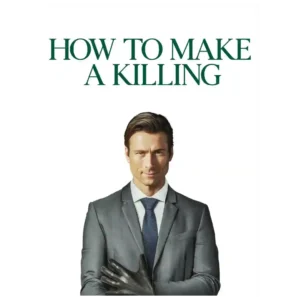
How to Make a Killing
2.0
Plausibility is one of the sharpest recurring complaints, especially around the FBI, forensic gaps, and how easily Becket gets away with repeated murders.
The Rip
3.5
The cop lingo, worn-down behavior, and grounded production often create convincing authenticity. That realism is weakened by implausible decisions, continuity errors, and plot mechanics that some reviewers could not buy.
drama quality
How to Make a Killing
3.6
The film finds occasional gravitas, especially late, but many critics say its serious dramatic side never earns enough emotional investment.
The Rip
5.0
The strongest dramatic scenes are the face-offs between Damon and Affleck, where their friendship and mutual distrust give the macho posturing real emotional intensity.
visual style
How to Make a Killing
4.4
The film’s slick, colorful, polished look is a regular positive, even among critics who think the style never fully coheres with the tone.
The Rip
3.0
The film’s dark neo-noir lighting and gritty sheen often create a convincing, cinematic mood. The same darkness is also a recurring complaint, with several viewers finding later scenes murky, ugly, or generically Netflix-polished.
chemistry between characters
How to Make a Killing
3.5
Chemistry varies by pairing. Becket and Ruth earn some warm praise, while other romantic dynamics are described as forced or unconvincing.
The Rip
4.8
Damon and Affleck’s chemistry is the clearest consensus strength. Their long friendship gives the trust, suspicion, banter, and confrontations a lived-in weight the script could not easily manufacture.
suspense
How to Make a Killing
3.2
The framing device and predictability often weaken suspense, though several viewers still enjoy the late-game tension and third-act escalation.
The Rip
4.2
Suspense is the movie’s most dependable craft strength. The money, ticking clock, uncertain loyalties, and Damon-Affleck distrust create sustained pressure even when the eventual action or reveals disappoint.
theme depth
How to Make a Killing
3.2
The film raises worthwhile questions about greed, class, contentment, and entitlement, but many critics say it stops short of exploring them deeply.
The Rip
3.9
The moral ambiguity around greed, loyalty, corruption, and who counts as a good cop gives the thriller more substance than a simple shootout movie. Some critics still wish those ideas were sharper or less simplistic.
lead performance
How to Make a Killing
3.8
Glen Powell is the clearest consensus strength, repeatedly praised for charisma and likability even by critics who think he is miscast or too mild.
The Rip
4.4
Damon and Affleck repeatedly elevate the material, with Damon often singled out for the more controlled, layered work. Their performances remain compelling even when the script gives them familiar archetypes.
pacing
How to Make a Killing
3.2
Pacing is uneven across the set. Some call it brisk and fleet-footed, while others find the middle repetitive, sluggish, or poorly proportioned.
The Rip
3.8
Once suspicion takes hold, the film can move with excellent momentum and make its length feel light. The main complaints are a slow first act, a long setup, and finales that sometimes run past the natural stopping point.
directing quality
How to Make a Killing
3.8
John Patton Ford draws praise for visual control and some set-pieces, yet several critics fault his tonal decisions and handling of the remake.
The Rip
4.4
Joe Carnahan is widely praised for controlling suspicion, pressure, and contained action with confident genre instincts. A minority find the filmmaking inert, overly blunt, or chaotic once the final act erupts.
tonal consistency
How to Make a Killing
2.4
Tone is one of the most repeated weaknesses, with the movie often described as caught between farce, noir, thriller, and moral drama.
The Rip
3.0
The contained, grounded pressure-cooker tone works very well at its best. The trouble comes when the movie shifts into shouty action, relentless dourness, or sentimental closure that feels like a different film.
emotional impact
How to Make a Killing
2.9
There are isolated moments of genuine feeling, but much of the film is described as emotionally distant, hollow, or hard to invest in.
The Rip
3.5
The central friendship and weary-cop humanity give the movie real emotional weight for some viewers. Others find late grief beats or sentimental touches unearned, leaving the emotional payoff uneven.
genre satisfaction
How to Make a Killing
3.9
It works best for viewers who accept it as a light dark-comedy thriller; critics wanting sharper farce or tougher suspense are often disappointed.
The Rip
4.4
As an old-school cop and crime thriller, the movie generally delivers what genre fans want: stars, paranoia, moral murk, and escalating danger. Even lukewarm reviews often concede that it functions as a solid throwback.
entertainment value
How to Make a Killing
3.2
Reactions are mixed overall. Many customers found it fun and easy to watch, while a large share of critics called it dull, forgettable, or underwhelming.
The Rip
3.7
Most reactions land on enjoyable to very entertaining, especially when the movie leans into suspicion and star chemistry. The dissenters see it as disposable, generic streaming fare that is easy to forget.
dialogue quality
How to Make a Killing
2.9
A few quips and bits of repartee land, but narration-heavy exposition and a shortage of sharper wit are frequent complaints.
The Rip
2.5
The dialogue draws frequent criticism for exposition, tough-guy clichés, and repetitive profanity. A smaller group likes the natural banter and hard-boiled rhythm when the actors can make it feel lived in.
action sequences
How to Make a Killing
3.8
The murder set-pieces can be brisk, clever, and tense, but several critics found later deaths too throwaway or lacking in impact.
The Rip
3.4
The action is divisive: some praise the clear gunfights, chases, and physical impact, while others find it too sparse, generic, or overbearing late in the film. The suspense often lands better than the spectacle.
score quality
How to Make a Killing
4.0
Emile Mosseri’s score is a notable craft strength, praised for giving the movie momentum and a distinctive propulsive texture.
The Rip
4.4
The pulsing, glowering score is a consistent technical strength, amplifying dread and keeping momentum alive through quieter stretches. Even a more skeptical review still finds it propulsive.
cinematography
How to Make a Killing
4.3
The polished, grainy photography is widely admired, with several critics singling out the lighting, texture, and camera work.
The Rip
4.0
The moody, low-light cinematography often gives the film a gritty theatrical look and turns confined spaces into pressure cookers. The main drawback is that the final act becomes too murky for at least one critic.
character development
How to Make a Killing
2.5
Character depth is a recurring weakness: Becket’s motives and several supporting players are often described as thin, rushed, or underwritten.
The Rip
2.2
Character depth is the most consistent weakness. Damon and Affleck get the most usable material, while several supporting officers are repeatedly described as underdeveloped, thin, or introduced too late.
supporting cast performance
How to Make a Killing
3.9
The supporting ensemble is frequently praised, especially Zach Woods, Bill Camp, Topher Grace, Jessica Henwick, and Margaret Qualley, despite limited screen time.
The Rip
4.1
The supporting cast is frequently praised, especially Steven Yeun and Sasha Calle, and several reviews call the ensemble unusually strong. The frustration is that Taylor, Moreno, and others are not always given enough to do.
message quality
How to Make a Killing
2.7
The class-and-greed commentary sometimes resonates, but a common criticism is that the satire stays obvious, shallow, or less incisive than it promises.
The Rip
2.5
The film’s moral framing of cops and corruption splits opinion. Some appreciate its search for imperfect heroes, while others see the good-cop message as simplistic, too pointed, or close to copaganda.
humor
How to Make a Killing
3.7
The comedy is inconsistent. Some scenes and supporting performances draw real laughs, but many critics say the film never becomes funny enough.
The Rip
3.5
The humor is light and mostly carried by banter, attitude, and the Damon-Affleck dynamic. Some viewers think that amount is just right, while others wish the grim tone had more levity.
story quality
How to Make a Killing
3.7
The inheritance-murder premise has obvious appeal, but opinions split on whether the story remains engaging or becomes repetitive and implausible.
The Rip
3.5
The best version of the story is a compact pressure cooker about trust, greed, and corruption. The weaker version becomes generic or muddled once its thin characterization and pileup of twists start showing.
audience appeal
How to Make a Killing
3.9
Audience reactions lean warmer than the critic consensus, with many calling it watchable, fun, or worth seeing even when imperfect.
The Rip
4.0
The movie plays best as a Friday-night, macho crime-thriller watch rather than a broad crowd-pleaser. Viewers already drawn to Damon, Affleck, and old-school cop movies are the clearest fit.
screenplay quality
How to Make a Killing
3.8
The script has clever ideas and occasional sharp scenes, but exposition, thin characterization, and underdeveloped themes keep it from fully landing.
The Rip
3.7
The screenplay earns praise for its contained premise, suspicion engine, and satisfying reveal structure. Its weaker side is exposition, thin secondary characterization, and logic that becomes patchy under the weight of the twists.
plot clarity
How to Make a Killing
2.5
The confession structure helps some viewers follow the story, but others find the narration cumbersome and the timeline or logic needlessly confusing.
The Rip
2.4
The layered double-crosses and hidden motives are often harder to follow than they need to be. Some enjoy that density, but several reviewers call the plotting muddy, convoluted, or logically inconsistent.
ending satisfaction
How to Make a Killing
3.3
The ending is sharply divisive: some viewers love the twists and coda, while others find the resolution contrived or unsatisfying.
The Rip
3.3
The ending is sharply divisive. Several critics love the final reveal and resolution, while others think the film keeps going too long, turns generic, or closes on an overly sentimental note.