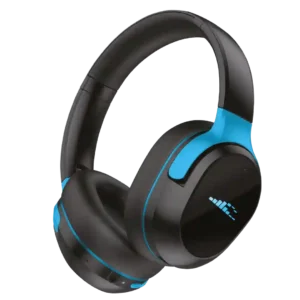
H2O Audio RIPT Ultra
Where It Has the Edge
No clear scored advantage over the other product.

Scorata scores summarize analyzed review evidence on a 1–5 scale; they are not laboratory measurements or a simple average of customer star ratings. Feature scores summarize the reviews covering that feature. The overall score averages feature scores within each review, then combines review averages. When both expert and customer evidence are available, those two groups receive equal weight. Products can have different review coverage, so small score gaps do not establish a winner.
Recommendations prioritize important features for the category, with a score of at least 3.5, a gap of at least 0.25 points and at least two supporting reviews per product. Features with widely varying scores or broad connectivity contexts are excluded from recommendations. These safeguards do not establish statistical significance.
Quick verdict
The available evidence supports the recommendation below, but does not establish an overall winner. Check the remaining features against your priorities.
There is not enough comparable review evidence to recommend H2O Audio RIPT Ultra over the other product.
Choose Nothing Headphone (1) Pro for Equalizer customization and Premium feel.
No clear scored advantage over the other product.
Scores are out of 5. Missing scores mean missing review evidence, not a missing feature.
Sound quality drew unusually divided reactions: some heard crisp, balanced, energetic audio, while others found it muddy, tinny, or merely passable for the price. The tuning seems better suited to workout motivation than critical listening.
Sound quality is a major strength, with most hands-on reviewers praising the Pro’s clarity, detail and overall refinement. A few found the tuning merely good or behind top rivals, so it is not universally class-leading.
Microphone noise reduction is a weak spot. Traffic, strong fans, wind, and heavy breathing may remain audible, although one tester reported decent fan handling.
The microphones suppress environmental noise very effectively, with reports of callers hearing little background noise even in wind or around a lawnmower. Voice quality may still sound slightly processed.
Wind handling is mixed. One runner found outdoor wind and fan noise controlled well, while another reviewer said wind remained a problem for calls.
Wind handling is excellent by the standards of ANC headphones. Reviewers say the Pro nearly solves the wind-noise weakness of cheaper Nothing models and remains effective outdoors.
Soundstage is highly source- and listener-dependent: some heard a wider presentation with ANC, while others found it narrow and crowded. Spaciousness is not a consistent strength.
The presentation is wider and more open than earlier Nothing models, with strong spatial placement. It still sounds more closed-in than large open-back reference headphones.
ANC’s effect on the tuning varies sharply: one reviewer heard improved depth and a wider stage, while another preferred the cleaner, less muddy sound with ANC off.
Switching ANC on produced almost no noticeable change to the music in the direct comparison, which is an excellent result for sound consistency.
ANC changes the sound noticeably for some listeners. It often adds bass, impact, and richness, but can also deepen muddiness or introduce hum in wired mode.
ANC has little audible effect on the music in the direct on/off comparison, preserving the headphone’s sound while reducing outside noise.
Low-frequency noise such as aircraft hum, fans, and gym machinery is reduced effectively in many tests. Other reviewers heard only a small improvement, and silicone pads can weaken the seal.
Steady background noise and ANC hiss are well controlled: hums can disappear entirely, and the faint hiss heard on the older model is less perceptible here.
The Zwift edition worked well for indoor racing and paired smoothly with Discord, offering clear playback and a usable built-in microphone.
Spatial audio can enhance gaming, adding a stronger sense of placement and immersion when the effect suits the game.
The thick over-ear cushions provide strong passive isolation before ANC is even engaged. That seal helps cut gym, travel, and office noise without using extra battery.
The soft cushions can create a strong passive seal, and one reviewer called the isolation impressive. Another found the softer pads reduced isolation, while fit and glasses can change the result.
When the tuning worked, reviewers heard an even, balanced response with clear articulation. Track-to-track performance was less consistent for one tester, especially with bass-heavy material.
Flat mode can sound impressively accurate, but lab measurements raised concerns about high-frequency variability and positioning sensitivity. Fit appears to affect the measured response more than usual.
ANC was widely praised for suppressing gym clatter, fans, aircraft hum, and office distractions, though a few found it only average. Performance can weaken with silicone pads, and long sweaty sessions produced crackling for some users.
ANC is consistently strong, often described as close to flagship Sony and Bose performance and especially effective against hum, voices and travel noise. Seal sensitivity can make results less consistent on some heads.
Most listeners enjoyed the strong, punchy low end, but a few heard bass bleed, crackling, or excessive thickness. Bass-heavy tracks are the biggest test of whether this tuning will suit you.
Bass is generally controlled and punchy rather than bloated, with good depth and timbre. Bass-heavy listeners may want more impact, and one reviewer specifically found the punch softer than expected.
One tester reported no meaningful latency during wireless use, making video playback feel properly synchronized.
Low-latency mode kept audio tightly synchronized with video and gaming in the real-world test that addressed it.
Hi-res wireless playback and USB DAC-style audio modes are absent. Buyers seeking higher-resolution digital playback will need a different model.
The onboard DAC and hi-res wired path are genuinely useful for lossless libraries, supporting high-resolution playback without fuss.
LDAC is not supported, limiting high-resolution Bluetooth options for compatible Android devices.
LDAC support is useful for higher-quality wireless listening and was judged to sound good through the Pro’s drivers, though it shortens battery life.
The headphones fold or hinge into a compact shape, and some cups rotate flat. That makes the bulky over-ear design much easier to pack.
The headphones do not fold, which hurts compact portability compared with rivals designed to collapse for travel.
The launch feature set feels thin for a premium-priced model, especially because the app, EQ, Find My, and other extras are missing.
The launch feature set is broad and immediately useful, with advanced listening and connectivity tools available from the start.
Glasses may break the ear-cushion seal, allow sweat to pool, and press the arms against the head. One commenter reported no issue, but the main review considered glasses compatibility potentially uncomfortable.
The soft, pliable cushions work well around glasses and help preserve comfort and seal. One reviewer still found fit with glasses inconsistent, so head shape and frame style can matter.
The plastic-heavy construction can look and feel less premium than conventional headphones at this price. Its practical durability softens that criticism but does not erase it.
Premium materials are a consistent strength. Aluminum, titanium and glass give the Pro a more expensive feel without making it as heavy as the AirPods Max.
Long battery life, folding construction, wired playback, and a protective case make these strong travel companions. The softer pads also help them transition from workouts to flights and daily use.
The headphones can work well for travel, but the heavy partial case repeatedly undermines portability. Several reviewers said the case was bulky enough to discourage packing them for longer trips.
Most versions include a protective carry case or bag plus space for cables and spare cushions. The case is useful for travel, though one reviewer found it only moderately protective and another called it sizable.
The carrying case is the product’s most divisive—and usually most criticized—part. Most reviewers dislike its weight, exposed headband and lack of cable storage, though a minority love its unusual protective design.
Instrument separation was one of the more disputed sound traits. A few testers could isolate individual parts easily, but others heard instruments smushed together or pushed into the background.
Most reviewers who focused on separation heard cleaner spacing between vocals and instruments. One prominent comparison found the Pro more muddled than Sony and AirPods Max, making this a point of disagreement.
The black and gray versions offer a more discreet gym look than the bright orange Zwift model, which attracts considerably more attention.
The transparent glass-and-metal aesthetic is striking and polished rather than discreet, and the reviewer addressing looks directly found it especially impressive.
Android can provide a precise battery percentage that the headphones’ own voice feedback lacks, adding a useful compatibility benefit.
Android compatibility worked smoothly in a mixed Android-and-Mac setup, including dual-device use.
The built-in microphone and call controls make it easy to answer, reject, or end calls without reaching for a phone.
The built-in microphone system delivered very good call quality in the review that assessed it directly.
Fit security is excellent for many medium-to-large heads, staying put through running, lifting, and cycling. Smaller heads are the clear risk: several testers experienced slipping, and one pair flew off during power cleans.
Fit stability is good enough that the headphones stay in place rather than slipping off during normal use.
Treble impressions ranged from crisp and clean to rolled-off, thin, or lacking sparkle. It avoids harshness well, but detail lovers may want more air and presence.
Treble earns strong marks for sparkle, clarity and natural detail. There are isolated concerns about high-frequency emphasis, variability and a somewhat recessed presentation in Flat mode.
The click-adjust headband usually holds its setting securely and offers precise sizing. A serious exception is smaller heads, where even the minimum setting may remain too loose.
The headband offers generous adjustment and accommodated larger heads without trouble in the tests that discussed fit range.
The package is generous, with alternate cushions and other workout or travel essentials treated as thoughtful additions.
The box includes useful wired-listening accessories, though cable color and the case’s lack of storage drew minor complaints.
Removable cushions are central to the design and usually twist off for washing or replacement. Reinstallation can take practice, and one reviewer could not find official spare pads for sale at the time.
The earpads are unusually easy to remove and reinstall, which makes replacement and cleaning simple.
Overall satisfaction is high among users who prioritize sweatproof over-ear comfort, battery life, and workout stability. Satisfaction drops when fit is loose, heat builds up, or sound and software are judged against similarly priced lifestyle headphones.
Hands-on satisfaction is overwhelmingly high among the reviewers who gave a direct personal verdict, with several saying they loved the headphones or had very little to complain about.
The included 3.5mm input is a valuable backup for airplanes, receivers, and low-latency listening. Wired sound can be strong, although one tester heard ground-loop hum when ANC was active.
The 3.5mm input is genuinely useful for analog sources, adding flexibility for travel and legacy gear.
Headband padding is thick enough to spread pressure comfortably without becoming cumbersome. Reviewers found it well matched to the secure workout fit.
Headband padding is much improved overall and reduces pressure during long sessions. One reviewer still found the top padding too light, so comfort can vary by head shape.
Transparency mode is useful for outdoor awareness and quick conversations, and several reviewers found it natural enough for safety. One tester heard muffled mids, rolled-off treble, and hiss.
Transparency mode is one of the more consistently praised features, sounding clear, natural and markedly improved from earlier Nothing headphones. Several reviewers place it just below Apple’s best implementation.
USB-C charging was praised as convenient and painless, with ordinary cables working as expected.
USB-C audio is more than a convenience here: hi-res wired playback can reveal extra detail compared with lower-resolution alternatives.
Sweat resistance is the defining strength: the silicone cushions protect the drivers, wipe or rinse clean, and survived demanding workouts. There is no formal IP rating, and sweat can still pool inside the cups during long sessions.
IP52 protection is useful for workouts and light weather, but it should not be mistaken for heavy water resistance.
Most reviewers recommend the headphones for people who specifically want sweatproof over-ear workout audio. Recommendations become much more cautious for audiophiles, smaller heads, long hot sessions, or shoppers focused on maximum value.
Overall recommendations lean positive: reviewers see a genuinely premium, feature-rich flagship with excellent ANC, controls and detail. The case, price and cheaper Nothing alternatives are the main reasons some stop short of a full recommendation.
Vocals and mids were generally clear, warm, and easy to follow. A few reviewers thought voices sounded slightly dark or lost detail when arrangements became dense.
The midrange is usually clear and well presented, especially for vocals and instruments. Some listeners found it a little too forward or slightly subdued depending on mode and tuning.
The two cushion sets are a standout: silicone for sweaty training and softer leather-style pads for everyday wear. Reviewers liked the secure fit, easy cleaning, and flexibility to trade breathability for comfort.
The revised ear cushions are a clear upgrade: softer, plusher and more comfortable than previous Nothing models, including for glasses wearers.
Bluetooth and wired 3.5mm playback give the headphones useful flexibility for phones, airplanes, and other everyday sources.
Connectivity is unusually flexible, with Bluetooth, 3.5mm analog and USB-C digital listening all available.
The headphones connected smoothly across smartphones, an iPad, and a Garmin watch, showing strong compatibility beyond a single platform.
The Pro handled mixed-platform use cleanly, including an Android phone and MacBook connected at the same time.
The ear cushions can be swapped and replaced easily, which supports longer ownership and lets users move between workout and everyday pads. Headband replacement was not discussed.
The earpads are easy to pull off and reinstall, making pad replacement and cleaning unusually convenient.
The fixed sound profile cannot be adjusted with an equalizer or vocal preset. That is especially frustrating for reviewers who wanted to tame bass, lift vocals, or correct the darker tuning.
EQ customization is unusually deep, ranging from simple presets to a flexible parametric EQ with per-driver control. Enthusiasts love the flexibility, though the sheer number of options can feel overwhelming.
Voice prompts are a recurring annoyance because they are loud, vague, and cannot be disabled or volume-adjusted. Mode announcements can also interrupt music and calls.
Auditory feedback from the physical controls is unusually satisfying, including the distinctive ratcheting sound of the volume roller.
There is no functional companion app for these headphones, which most reviewers saw as a major omission at this price. One tester appreciated the simpler app-free experience, but customization remains extremely limited.
The Nothing X app is intuitive and easy to connect, with a straightforward path to the headphone’s deeper settings.
The software feature set is sparse compared with similarly priced headphones. There is no companion control suite for personalized settings or feature expansion.
The Pro is packed with advanced controls and listening features, including deep EQ, personalized sound and spatial options. The breadth is a strength, though limited remapping and complexity can temper the experience.
Physical buttons are generally easy to locate and more dependable than touch controls with sweaty hands. Downsides include awkward placement, loud spoken interruptions, and an ANC button that stuck on one sample.
The tactile roller, paddle and physical buttons are a standout strength. Reviewers repeatedly call them intuitive, easy to identify by feel and among the best headphone controls available.
Pairing and setup were effortless in the one detailed test, with multiple devices connecting quickly and reliably without confusing steps.
Setup is straightforward, and the personalization process takes only a few minutes. Connecting the headphones through the app was also easy.
Call voices were usually clear, sometimes even clearer than a phone alone. Outdoor traffic, fan noise, and wind can still reach the other person because microphone noise suppression is limited.
Call quality ranges from average to excellent: voices are usually clear and understandable, even outdoors, but occasional warbling or a processed tone can be audible.
Bluetooth connections were consistently stable across phones, tablets, watches, and normal household distances. Reviewers reported easy pairing, no meaningful dropouts, and little noticeable latency.
Bluetooth setup was quick and trouble-free in the hands-on test that directly assessed it.
The sealed over-ear design frequently traps heat and moisture during hard workouts. Several testers found the silicone pads hotter than normal, with sweat pooling around the ears on longer sessions.
Closed-back heat buildup is present but moderate; one reviewer’s ears warmed slightly, yet less than with several competing headphones.
Styling is polarizing: the Zwift edition earned praise for its bold orange design, while the standard blue-accented models looked too sporty or plain to others. The design favors workout identity over sleek minimalism.
Nothing’s distinctive transparent, squared-off design is widely loved. Reviewers repeatedly call it unique, recognizable and among the brand’s best-looking work.
The hinge and frame felt robust overall, but one active-use test produced occasional squeaking and crackling noises during movement.
The hinges feel more premium and operate quietly, with no creaking noted in the review that focused on them.
Clamping is firmer than average to support movement, but reviewers who fit the headphones properly did not find it painful. The pressure generally feels purposeful rather than excessive.
Clamp pressure was described as secure without feeling vice-like, giving the headphones a stable but comfortable fit.
Most testers expected the sweatproof plastics and washable pads to last through repeated workouts, and one unit remained reliable for months. The major concern is intermittent ANC crackling reported on multiple long, sweaty rides, including a replacement pair.
The headphones themselves show encouraging durability, including scratch resistance in early use, but one reviewer raised concerns about the case hinge rather than the headphones.
Long-wear comfort is one of the strongest themes, especially with the softer leather-style pads. Heat and small-head fit issues are the main reasons some users may not stay comfortable for extended workouts.
Long-session comfort is excellent despite the 327g weight. Softer ear cushions, a wider headband and better padding let multiple reviewers wear the Pro for hours or nearly a full workday with little discomfort.
Construction generally feels solid, with metal reinforcement and durable plastics suited to exercise. Some units creak or feel cheaper than their price suggests, but most reviewers still considered them well made.
The metal, titanium and glass construction feels sturdy and significantly upgraded over the standard model.
Most testers found the weight well balanced or surprisingly light in use, though one reviewer considered the 304g frame and thick silicone pads noticeably heavy. Comfort depends more on heat and fit than raw weight.
On-head weight is better managed than the raw 327g figure suggests, though some reviewers still notice that these are heavier than key Sony and Bose rivals.
Two reviewers criticized the lack of high-resolution options, while one video reviewer reported an “AEX HD” codec that worked reliably. The conflicting descriptions leave advanced codec support unclear.
High-quality wireless codec playback is a positive, with LDAC delivering strong results despite a modest battery tradeoff.
Reports on multipoint conflict: some reviewers say it is absent, while others paired multiple devices or reported dual-device support that worked smoothly. Buyers who depend on true simultaneous multipoint should verify the behavior they need.
Dual-device switching worked reliably in the reviews that tested it, including mixed Android, Mac and phone use.
Value is the biggest dividing line. The specialized sweatproof design can justify the premium for committed over-ear workout users, but several reviewers felt the sound, ANC, and missing app fell short of the price.
Value is mixed at $399. Some reviewers think the Pro competes well with pricier flagships, while others feel the cheaper Headphone (1) or Headphone (a) delivers most of the experience for much less.
Battery life is a major strength, commonly lasting a week or many long workouts without recharging. Real-world results around 40-50 hours with ANC were considered more than sufficient.
Battery life is adequate to strong in isolation, with around 30 hours quoted or observed with ANC. The recurring complaint is that cheaper Nothing models last longer, which makes the Pro’s stamina feel underwhelming for the price.
USB-C charging is convenient, and one review reported several hours of playback from a 15-minute charge. The port is charging-only, with no USB audio mode.
Fast charging is a clear strength, with reviewers praising the quick top-ups and useful listening time from a short charge.
Auracast adds practical flexibility for broadcasts and shared audio, and was highlighted as a genuinely useful feature rather than a spec-sheet novelty.
Wear detection reliably paused and resumed playback in the review that tested it.
The included wired cables are a nice touch and feel purpose-built, though one reviewer would have preferred a darker color to match the headphones.
Detail retrieval is one of the Pro’s clearest strengths. Reviewers repeatedly heard extra texture, breaths, instrumentation and leading-edge information that cheaper or older headphones obscured.
The rotating earcups provide useful fit flexibility and can lay flat for storage.
There is no Find My function, which one reviewer considered a notable omission at this price.
Imaging is excellent, with precise instrument positioning complementing the wider soundstage.
Flat EQ is the most divisive sound feature: some reviewers love its neutral, work-ready presentation and physical toggle, while others find it dull, niche, fiddly or sonically unsuccessful.
The wear-detection sensors worked reliably in real-world use.
The glossy glass is a fingerprint magnet. Multiple reviewers noticed smudges quickly, making this one of the few repeated cosmetic complaints about the headphones themselves.
The headphones play very loudly, with more than enough output for workouts and noisy environments. Reviewers did not struggle to reach motivating volume levels.
Auto-pause behavior tied to wear detection worked reliably in the test that focused on it.
The Pro can sound exceptionally lively and dynamic, especially in its processed listening modes.
The headphones stay mechanically quiet during movement, with little thudding or creaking heard while running.
Idle ANC hiss is better controlled than on the previous Headphone (1), where the faint background hiss was more noticeable.
Spatial processing can make movies and other compatible content feel more atmospheric and immersive, especially when the effect suits the material.
At louder listening levels in quiet spaces, sound leakage can become noticeable to people nearby.
Spatial audio is capable but taste-dependent. Some reviewers found the modes immersive and technically impressive, while others called them light-touch, gimmicky or something they would rarely use.
Wear detection was explicitly described as very reliable.
Personalized listening features work well, with Personal Sound making a meaningful difference for some users even though the setup is simpler than a few competing systems.
Wear-based Smart Pause behavior was reliable in the test that directly assessed it.
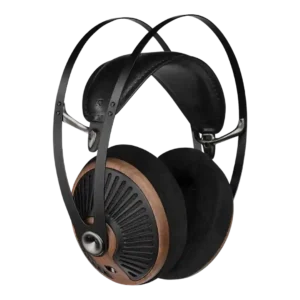
Choose the 105 Silva for beautiful, repairable construction, superb comfort, easy driveability, and an engaging spacious sound. Skip it if you need isolation, balanced connectivity, heavy sub-bass, or consistently smooth...
Pros: Design and Aesthetics, Overall recommendation
Cons: Noise isolation (passive), Connectivity options

Choose it if your workday revolves around calls and you want exceptional mic isolation, huge battery life, all-day comfort, and a slim travel-friendly design. Skip it if music fidelity, class-leading...
Pros: Battery, Charging
Cons: Value for money, Codec support

Choose the Aventho 100 for standout battery life, portable retro styling, strong ANC, and flexible wired/wireless use. Skip it if you dislike on-ear pressure or want a wide, consistently neutral...
Pros: Battery, Design and Aesthetics
Cons: Clamping force comfort, Soundstage width
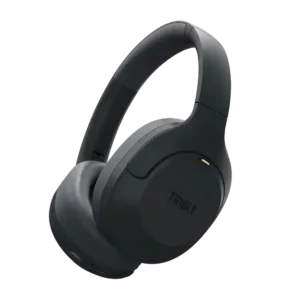
Best for exceptional battery life, useful ANC, flexible EQ, and strong budget value. Skip it if refined, detailed sound or polished controls matter more than price.
Pros: Value for money, Sound quality
Cons: Button control usability, App