Scorata scores summarize analyzed review evidence on a 1–5 scale; they are not laboratory measurements or a simple average of customer star ratings. Feature scores summarize the reviews covering that feature. The overall score averages feature scores within each review, then combines review averages. When both expert and customer evidence are available, those two groups receive equal weight. Products can have different review coverage, so small score gaps do not establish a winner.
Recommendations prioritize important features for the category, with a score of at least 3.5, a gap of at least 0.25 points and at least two supporting reviews per product. Features with widely varying scores or broad connectivity contexts are excluded from recommendations. These safeguards do not establish statistical significance.
Quick verdict
What each product is best for
The review evidence points to a tradeoff: editing quality and scares versus special effects quality. Choose according to which strengths matter more to you; the overall score alone does not settle that choice.
Choose Exit 8 for editing quality and scares.
Choose The Sheep Detectives for special effects quality.
Why these recommendations?
Exit 8
Where It Has the Edge
editing quality is 4.7 vs 2.0. Seamless loops, hidden cuts, brisk transitions, and perspective changes make the corridor feel physically continuous while preventing the...
scares is 4.0 vs 2.8. The film relies more on claustrophobia, uncertainty, and accumulating dread than constant jump scares. Most found it effectively...
visual style is 4.4 vs 3.9. The overlit, sterile, game-like imagery is widely admired as elegant, hypnotic, and claustrophobic. A few critics felt the...
The Sheep Detectives
Where It Has the Edge
special effects quality is 4.2 vs 3.7. The effects are generally regarded as seamless and technically impressive, especially in keeping the sheep believable. A few...
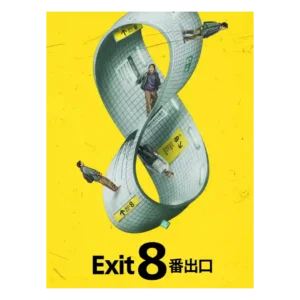
Exit 84.2 overall score
The Sheep Detectives4.1 overall score
Compare features
Scores are out of 5. Missing scores mean missing review evidence, not a missing feature.
Scored on both products
Other features
Editing quality
Exit 8
4.7
The Sheep Detectives
2.0
Details and evidence for editing quality
Exit 8
Seamless loops, hidden cuts, brisk transitions, and perspective changes make the corridor feel physically continuous while preventing the structure from becoming completely static.
The editing draws criticism where the film feels overextended or visually awkward. Several critics believe a tighter cut would improve the middle stretch and overall pacing.
The digital sheep are often called seamless, expressive and convincing, especially when moving through live-action spaces. Dissenters find them overly polished, uncanny or weakest when directly interacting with people.
Details and evidence for faithfulness to source material
Exit 8
The corridor, rules, game rhythm, and interactive feeling are recreated with exceptional fidelity. Reviewers repeatedly praise the film for expanding the game without losing its identity.
The adaptation is intentionally lighter and more family-friendly than the novel. That change works for some critics, while a source-material fan feels it sands away too much of the book’s darker edge.
The film relies more on claustrophobia, uncertainty, and accumulating dread than constant jump scares. Most found it effectively creepy, though a few said it was barely scary at all.
The film has only a handful of frightening moments, but death and one especially scary sequence can hit young children hard. Other critics note that the violence is not especially brutal or graphic.
Long takes, first-person framing, precise camera moves, and bright corridor compositions repeatedly earn standout praise. The photography turns a single hallway into an interactive, claustrophobic visual puzzle.
The bright countryside photography and picturesque setting earn praise, especially George Steel’s work. One critic objected to bland framing in effects-heavy scenes, so the visual composition is not universally admired.
Genki Kawamura is repeatedly praised for controlling tension, perspective, and repetition with unusual precision. The direction makes a minimal premise feel cinematic rather than merely copied from a game.
Kyle Balda is often credited with balancing live action, CG characters and unusually mature themes with confidence. A few detractors criticize framing, integration and the move from animation to live action.
The spot-the-difference premise feels fresh on film, and several critics admired how it becomes a narrative engine. More negative reactions found the added fatherhood plot predictable or limiting.
The central sheep premise is inventive, but the murder plot itself often follows familiar cozy-mystery patterns. Many critics enjoy those conventions while still calling the whodunit formulaic or predictable.
Details and evidence for practical effects quality
Exit 8
The long corridor takes and repeating Walking Man movements are praised for being achieved practically, with hidden cuts and in-camera work that feel seamless.
The film is widely seen as a strong piece of liminal and psychological horror, favoring dread, uncertainty, and participation over conventional shocks. Its deliberately repetitive style remains an acquired taste.
As an entry-level cozy whodunit, the mystery is usually engaging and fun to follow. More experienced mystery fans are split, with recurring criticism that the culprit, clues or suspect pool can feel too simple, predictable or underdeveloped.
At roughly feature length, the premise feels perfectly sustained to some viewers and noticeably stretched to others. Several critics specifically argued that a shorter version could have been stronger.
The near-two-hour length is a recurring concern, particularly for younger viewers, with several calls for a tighter cut. One critic, however, felt the runtime passed effortlessly.
The dialogue and witty character banter are mostly praised, though one critic thought some conversations ran too long. The sheep’s perspective supplies much of the verbal charm.
The sheep relationships and several comic pairings are warmly received, including Lily with Sebastian and Mopple. The main exception is criticism of the intended connection between Nicholas Braun and Molly Gordon’s characters.
The darker material is handled without graphic gore, but the murder and animal danger can still be unsettling for children. Critics differ on whether that restraint makes the content comfortably family-friendly.
The screenplay earns strong praise for building character, theme, and structure around a nearly plotless game. Its more literal or moralizing choices are the main source of criticism.
Craig Mazin’s script is widely admired for intelligence, tonal control and respect for younger viewers. Criticism concentrates on the village-side plotting and a few weaker mystery mechanics rather than the film’s thematic writing.
The ending is one of the most divisive elements: some found it resonant, satisfying, or beautifully thematic, while others called it didactic, underpowered, or overly obvious.
The ending is one of the most divisive areas. Some find the resolution satisfying, but repeated complaints target a rushed, predictable or contrived clue reveal that weakens an otherwise strong experience.
Fatherhood, responsibility, passivity, empathy, routine, and modern isolation give the loop more meaning than the game provides. Reactions split over whether those themes feel profound, elegantly integrated, or too literal.
Grief, memory, mortality, prejudice, community and acceptance give the film far more depth than its premise implies. This thematic seriousness is one of the most consistently celebrated parts of the movie.
Most critics feel the sheep have convincing weight, movement and integration despite talking like people. Negative reactions focus on uncanny faces, glossy rendering and moments where the animals interact less naturally with humans.
Set transformations, blood, water, lighting, and restrained effects usually support the anomalies well. The more overt creature imagery drew a more mixed response.
The effects are generally regarded as seamless and technically impressive, especially in keeping the sheep believable. A few critics still find the digital work obvious, so the visual illusion does not convince everyone.
The restrained score and recurring motifs are praised for supporting the atmosphere, with several reviewers highlighting forceful musical cues. One review found the score less memorable than the sound design.
The film often balances calm repetition, dark comedy, dread, and emotion with impressive control. Some viewers felt the later tonal shifts interrupted the horror or became disorienting.
Most critics admire how the film balances silliness, mystery and sadness without talking down to children. A meaningful minority experiences tonal whiplash or an identity crisis between cozy comedy and serious murder story.
The film builds tension by making viewers inspect every corner and fear a missed detail. That slow-burn uncertainty works strongly for most, but a few viewers never felt the intended unease.
The mystery keeps many critics guessing, with red herrings, twists and misdirection that work especially well for younger or newer whodunit viewers. Even critics who predict the culprit often find the investigation engaging.
Dark humor and precise comic timing provide welcome release without undercutting the horror, and several viewers were surprised by how funny the film could be.
Most critics find the sheep, wordplay and human-animal misunderstandings genuinely funny, with several standout gags. A smaller group thinks the film is too serious for long stretches or relies on broader comedy more than expected.
The film’s ideas about empathy, responsibility, parenthood, and breaking passive routines connected strongly with many viewers. Others considered the lesson heavy-handed, moralistic, or restrictive.
The film’s lessons about grief, remembering hard truths, accepting outsiders and thinking for yourself are among its most praised elements. Even when one subplot feels heavy-handed, the moral ideas are generally seen as sincere and unusually thoughtful for family entertainment.
Repetition is the central tradeoff. Some found the loops hypnotic, brisk, or carefully varied, while many others felt the movie dragged, lost steam, or would have worked better at a shorter length.
Pacing is notably mixed. Some enjoy the calm, storybook rhythm, while others find the opening, middle stretch or overall two-hour shape too slow, plodding or overstuffed.
The rules of the corridor are generally easy to learn, but the origin and logic of the loop remain unexplained. That ambiguity enriches the mystery for some viewers and breaks immersion for others.
The basic setup is easy to follow and some critics find the clues click neatly into place. Others call the story convoluted, rushed at the reveal, or overloaded with competing ideas.
Many reviewers were surprised by the pathos beneath the horror, especially the father-and-child material. Others felt the third act did not fully earn the emotional payoff.
This is one of the film’s clearest strengths: many critics describe being surprised, choked up or moved to tears. Grief, memory, sacrifice and belonging give the talking-sheep premise genuine emotional force.
The added fatherhood arc and shifting viewpoints give the game’s anonymous figures more humanity, especially the Lost Man and the boy. Some critics still found the protagonist thin or the growth overly obvious.
The flock receives unusually strong characterization for a family mystery, with Lily, Sebastian, Mopple and the winter lamb getting meaningful arcs. The human suspects are more uneven and are sometimes criticized as underdeveloped.
Most reviewers think the film finds a surprisingly effective human story inside a nearly storyless game. The central disagreement is whether that added narrative is resonant and focused or thin, forced, and overextended.
The story is repeatedly praised as smart, compassionate and more substantial than a talking-animal premise suggests. Lower marks come from critics who find the human ensemble or mystery execution too thin.
Reviewers repeatedly call the film fresh, singular, and unusually inventive, especially in how it turns a tiny game premise into a theatrical experience. A few familiar homages and generic thematic choices temper that praise.
The sheep-detective conceit and willingness to combine a cozy mystery with grief and existential ideas make the film feel fresh. Critics repeatedly describe it as a welcome break from formulaic modern family fare.
The dramatic material lands far better than the premise suggests, particularly the grief, loss and winter-lamb storylines. The film’s emotional seriousness gives the comedy more weight.
Footsteps, fluorescent hum, silence, cries, and recurring audio cues are treated as major weapons of suspense. The sound work is among the most consistently praised elements.
The audio mix earns praise for atmospheric surround activity and precise movement of voices, but one critic found the human ADR noticeably distracting. The result is technically strong overall with a clear dissenting complaint.
The corridor’s rules are understandable, but the larger reality behind the loop remains deliberately vague. That restraint supports the metaphor while leaving some viewers wanting firmer answers.
The sheep society and small-town mystery setting are praised as well developed and engaging, helping the film’s absurd premise feel coherent and lived-in.
The overlit, sterile, game-like imagery is widely admired as elegant, hypnotic, and claustrophobic. A few critics felt the sterility eventually became limiting or some homages too obvious.
The sunny countryside, saturated colors and picture-book warmth are frequently praised. Some critics find the look too glossy, artificially bright or processed, creating a small but noticeable divide.
The immaculate white-tiled corridor is one of the film’s clearest triumphs. Its exact details, changing anomalies, harsh lighting, and game-accurate layout make the limited setting immersive and oppressive.
Kazunari Ninomiya’s physical, anxious everyman performance is frequently credited with holding the film together. A few critics blamed the thin writing or slow decisions rather than the acting itself.
The classical selections and recurring motifs fit the looping transit setting, with the Boléro use and other needle drops receiving particularly enthusiastic praise.
The ensemble is widely praised for making a sparse, repetitive concept feel human and immediate. Even more critical takes generally found the performances solid.
The ensemble is widely praised for selling the film’s oddball premise with warmth and personality. A small minority found some performances flatter or less varied, but the cast is generally treated as a major strength.
Details and evidence for supporting cast performance
Exit 8
Yamato Kochi’s Walking Man is the standout, repeatedly described as unnerving and memorable. The boy and other figures add useful perspective, though some critics found the secondary roles underdeveloped.
The supporting ensemble is usually viewed as strong, funny and well chosen, with several scene-stealing turns. One critique is that the human cast is underused, limiting how much the suspects can contribute to the mystery.
Most critics and video reviewers strongly recommend the film, often calling it one of the better game adaptations or horror releases of the year. A smaller group found it disappointing or easier to admire than enjoy.
Puzzle-horror fans and players of the game are the clearest match, though several reviewers say newcomers can enjoy it too. Viewers with little patience for repetition or ambiguity may find it frustrating.
Its strongest audience advantage is how well it plays across generations, giving children an accessible mystery while adults get richer themes and character humor. A few critics think its unusual tone may split some viewers.
Reviewers who connected with the film considered it worth a theatrical ticket, often emphasizing the large screen and sound system as part of the experience.
Some reviewers want to revisit the film with friends to search for details, while others see the solved puzzle as a one-time experience and have no desire to endure the repetition again.
For viewers who enjoy contained puzzle films, the anomaly hunt is absorbing and often fun. The same repetition can turn the experience into a chore for less receptive audiences.
The overwhelming response is that the film is charming, funny and far more entertaining than its premise or marketing suggests. Even more reserved critics generally find it watchable, while the most enthusiastic call it one of the year’s biggest surprises.
The limited action is used effectively, especially the physical comedy and the sheep-versus-dogs sequence. It adds energy without turning the gentle mystery into an action-heavy film.
The sheep animation is usually praised for expressive faces, believable movement and distinct personalities. A few critics found the realistic facial animation stiff or artificial in spots.
One review strongly objects to the film’s traditional framing of masculinity and underwritten women, arguing that its message narrows the roles available to its characters.
The film is repeatedly praised as a true family movie that respects both children and adults. Its emotional maturity is a strength, though parents of very young children should be prepared for death and frightening material.
The film works well for school-age children and adults, but several critics caution that death, grief and a few scary moments may be too much for very young viewers. Suggestions cluster around roughly age seven or eight and up.