
Compare The Invite vs Toy Story 5

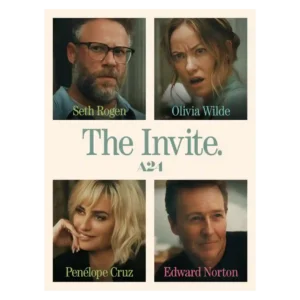
The Invite
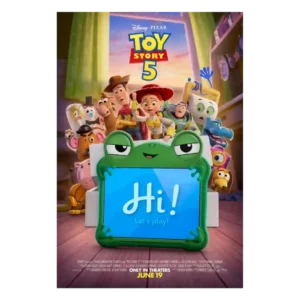
Toy Story 5

Quick verdict

What each product is best for

Choose The Invite for originality and romance quality.

Choose Toy Story 5 for score quality and character development.

Comparison Takeaways

The Invite

Where It Has the Edge

  • originality is 5.0 vs 2.2. Even with a familiar dinner-party setup and multiple earlier adaptations, the film often feels fresh, contemporary, and surprising....
  • romance quality is 4.5 vs 2.5. The film treats marriage, desire, and non-monogamy with curiosity rather than easy judgment. Its romantic outlook is messy...
  • critic appeal is 5.0 vs 3.3. Critical response is overwhelmingly enthusiastic, with many calling it one of the year’s best comedies or films. A...
  • ending satisfaction is 4.5 vs 3.2. Most critics admire the bittersweet, enigmatic, or quietly hopeful ending and expect audiences to discuss it afterward. A...

Toy Story 5

Where It Has the Edge

  • score quality is 4.5 vs 3.1. Randy Newman’s score blends playfulness with familiar melancholy and helps the quieter scenes land. Its recurring emotional textures...
  • character development is 4.5 vs 3.8. Moving Jessie into the lead gives her room to confront abandonment, prejudice, and responsibility while Bonnie becomes a...
  • genre satisfaction is 5.0 vs 4.5. As an animated family adventure, the film supplies humor, warmth, action, and accessible emotion. It works especially well...
  • suspense is 4.5 vs 4.0. The rescue missions and converging storylines maintain enough urgency to support the comedy and emotion. The suspense is...
Average score
The Invite
4.5
Toy Story 5
3.9
originality
The Invite
5.0

Even with a familiar dinner-party setup and multiple earlier adaptations, the film often feels fresh, contemporary, and surprising. Its specific observations about stalled relationships keep it from playing like a routine remake.

Toy Story 5
2.2

The new digital-childhood angle refreshes the franchise for many, but repeated emotional beats and greatest-hit callbacks create real sequel fatigue. The result feels freshly relevant and overly familiar at the same time.

romance quality
The Invite
4.5

The film treats marriage, desire, and non-monogamy with curiosity rather than easy judgment. Its romantic outlook is messy but ultimately humane, showing both the fear and possibility involved in changing a relationship.

Toy Story 5
2.5

The Buzz-and-Jessie romance provides a few sweet or funny moments, but it is often treated as a distraction from the stronger friendship and belonging themes. Its proposal thread divides attention in an already busy story.

critic appeal
The Invite
5.0

Critical response is overwhelmingly enthusiastic, with many calling it one of the year’s best comedies or films. A smaller group finds it shallow, overworked, or only intermittently funny.

Toy Story 5
3.3

Scores and grades cluster around qualified approval rather than universal acclaim. The film clears the bar for a solid family sequel but is frequently judged against the unusually high standard of the earlier Toy Story films.

score quality
The Invite
3.1

Devonté Hynes’s string-heavy score sharply amplifies tension and comic rhythm for some critics. Others find it blaring, overly insistent, or distracting, making this the clearest technical point of disagreement.

Toy Story 5
4.5

Randy Newman’s score blends playfulness with familiar melancholy and helps the quieter scenes land. Its recurring emotional textures connect the new story to the franchise’s past.

ending satisfaction
The Invite
4.5

Most critics admire the bittersweet, enigmatic, or quietly hopeful ending and expect audiences to discuss it afterward. A few consider it too cautious, noncommittal, or less satisfying than the journey.

Toy Story 5
3.2

The final act brings the storylines together and delivers a strong Jessie-centered emotional payoff. Some see a satisfying landing, while others feel the catharsis is manipulative or cannot fully justify another sequel.

pacing
The Invite
4.2

Most critics praise the kinetic rhythm and carefully timed reveals, especially within the single-apartment setup. Others find the opening overcharged or the later monologues and arguments too drawn out.

Toy Story 5
3.0

The movie generally improves once the setup is complete, but the first act feels slow or overextended in several accounts. Multiple storylines delay the point where the adventure fully clicks into gear.

acting performance
The Invite
4.8

The four leads are widely praised as a remarkably balanced ensemble, with several critics calling the work career-best. Even more mixed assessments agree the cast keeps the film lively.

Toy Story 5
3.8

The voice ensemble is broadly strong, with veterans and newcomers giving the toys distinct personality. Some longtime voices sound older and the crowded cast limits several familiar performers to cameos.

chemistry between characters
The Invite
5.0

The quartet’s contrasting styles lock into a lively rhythm, while each new pairing creates a different emotional and comic charge. The believable friction between the married couple is especially important to the film’s impact.

Toy Story 5
4.0

Joan Cusack and Conan O’Brien create lively comic friction between Jessie and Smarty Pants. Their exchanges give the crowded new ensemble one of its most enjoyable relationships.

sexual content level
The Invite
4.5

The film is raunchy in subject and conversation but contains no explicit sex or nudity. Its adult material is generally seen as purposeful, playful, and tied to character rather than included for shock alone.

Toy Story 5
3.5

Sexual material is minimal, with mild double entendres identified as the main concern. The restraint keeps the film broadly suitable for families.

supporting cast performance
The Invite
4.9

Penélope Cruz and Edward Norton are repeatedly praised as magnetic, funny, and unpredictable foils. Cruz brings seductive confidence and comic precision, while Norton balances smug charm with unexpected tenderness.

Toy Story 5
4.0

The supporting voices bring strong comic personality, especially among the discarded gadgets. The ensemble is talented, but the crowded script leaves several returning favorites and new characters underused.

plot clarity
The Invite
3.5

The central setup is easy to follow, but some later turns may lose viewers who have not fully bought into the couples’ behavior. The film favors emotional escalation over a tidy, conventional plot.

Toy Story 5
2.6

The central Bonnie-and-Jessie story is easy to follow, but the Buzz army and expanding toy ensemble often make the structure feel overstuffed or scattered. The separate threads usually converge, though not always smoothly.

message quality
The Invite
4.5

The film argues for honesty, change, and renewed openness rather than prescribing monogamy or non-monogamy. Its hopeful ideas resonate with many critics, though a few find the relationship lessons obvious or didactic.

Toy Story 5
3.7

The call for balanced screen use, imaginative play, and face-to-face friendship feels timely and thoughtful at its best. The main divide is whether the film finds useful nuance or slips into heavy-handed anti-tech scolding.

story quality
The Invite
4.5

The familiar dinner-party premise grows into a surprisingly layered exploration of marriage and desire. Most find the story close to perfectly executed, though some consider its deeper turns forced or superficial.

Toy Story 5
3.7

The Jessie-centered sequel gives the franchise a timely reason to return, pairing a strong emotional core with a child-and-technology story. Its crowded plotting and familiar franchise beats make the fifth outing feel essential to some and exhausted to others.

character development
The Invite
3.8

The four characters gradually reveal insecurity, grief, desire, and resentment beneath their initial comic types. Most find them richly layered, though one critic felt some interactions were overly manufactured.

Toy Story 5
4.5

Moving Jessie into the lead gives her room to confront abandonment, prejudice, and responsibility while Bonnie becomes a more fully realized child. The shift refreshes the ensemble even when some legacy characters receive little to do.

plot originality
The Invite
5.0

The story repeatedly swerves away from the most predictable version of its premise and complicates each character’s motives. Its surprises are a major pleasure even when the broad destination can be anticipated.

Toy Story 5
4.4

The screen-time threat is a clever, timely reason to revisit the toys and modernize the original film’s old-versus-new conflict. Some still see the premise as another variation on abandonment and obsolescence rather than a truly new story.

cinematography
The Invite
5.0

The 35mm photography, careful blocking, mirrors, and shifting perspectives make one apartment feel cinematic and constantly changing. A few flourishes can feel conspicuous, but the visual craft is a major strength.

Toy Story 5
4.5

The imagery favors vibrant color, expressive lighting, and clear visual energy instead of the flat look common to lesser digital animation. The presentation supports both intimate emotion and broad adventure.

genre satisfaction
The Invite
4.5

As an adult relationship dramedy, dark comedy, and sex farce, it delivers sophisticated laughs with real emotional stakes. Its frank approach to marriage and non-monogamy feels refreshingly grown-up.

Toy Story 5
5.0

As an animated family adventure, the film supplies humor, warmth, action, and accessible emotion. It works especially well for families comfortable with its screen-time warning and bittersweet themes.

production design
The Invite
5.0

The renovated apartment functions like a fifth character, expressing warmth, distance, entrapment, and unfinished marital business. Its rooms, mirrors, decor, and sightlines keep the contained story visually alive.

Toy Story 5
4.5

The suburban rooms, discarded-toy spaces, and especially the pastoral farm settings are richly realized. The warmer rural environments reinforce Jessie’s memories and the film’s melancholy.

suspense
The Invite
4.0

The apartment becomes a claustrophobic emotional trap as grievances, secrets, and attraction accumulate. The tension comes from social and marital danger rather than conventional thriller mechanics.

Toy Story 5
4.5

The rescue missions and converging storylines maintain enough urgency to support the comedy and emotion. The suspense is family-friendly but effective, especially once the separate threads begin to connect.

emotional impact
The Invite
4.8

The film repeatedly turns belly laughs into sadness, tenderness, and even tears. Its strongest moments make marital regret and buried longing hit harder because the comedy has lowered viewers’ defenses.

Toy Story 5
4.4

Jessie’s abandonment fears and Bonnie’s loneliness produce several powerful, tear-jerking moments. The sentiment lands deeply for many, though some find it manipulative or less potent than the earlier films.

visual style
The Invite
4.2

Warm 35mm texture, mirrors, frames within frames, and precise spatial composition give the chamber piece a polished cinematic identity. Some critics find the early symbolism overly studied, but the overall look is admired.

Toy Story 5
4.5

Bonnie’s play fantasies use vivid storybook and watercolor-like imagery that separates imagination from ordinary reality. These sequences are repeatedly singled out as among the film’s most creative visual ideas.

directing quality
The Invite
4.7

Olivia Wilde’s control of performance, space, and comic escalation is frequently called her strongest directing work. A few early choices feel fussy or overemphatic, but the overall staging is confident and inventive.

Toy Story 5
5.0

Andrew Stanton grounds the spectacle in Bonnie’s loneliness and Jessie’s fear of abandonment. His handling of those emotions gives the sequel more purpose than its premise alone might suggest.

drama quality
The Invite
5.0

Beneath the farce is a poignant chamber drama about disappointment, intimacy, and a marriage nearing collapse. The emotional seriousness gives the comedy weight without turning the film into a conventional tearjerker.

Toy Story 5
4.8

Jessie’s fear of abandonment and Bonnie’s social isolation give the adventure genuine dramatic weight. The strongest scenes approach classic Pixar intensity, though some emotional turns feel engineered.

audience appeal
The Invite
5.0

The film appears built for communal viewing, with packed audiences reportedly laughing hard and staying engaged. Its adult, dialogue-driven style should land best with viewers who enjoy sharp relationship comedy.

Toy Story 5
4.8

Family comedy, nostalgia, and modern parenting concerns give the film broad multigenerational appeal. Children can enjoy the adventure while adults connect with its ideas about growth, loss, and changing relationships.

entertainment value
The Invite
4.4

Despite its single location and talk-heavy structure, the film is widely considered a highly entertaining pressure cooker. Its combination of awkwardness, surprise, and star chemistry keeps the evening engaging.

Toy Story 5
4.7

The adventure offers colorful action, familiar characters, strong laughs, and an emotional payoff. Enjoyment remains high for many, although franchise fatigue keeps it from feeling equally irresistible to everyone.

theme depth
The Invite
4.2

The film digs into failed ambition, comparison, resentment, intimacy, and the stories couples tell themselves. Most find it insightful and mature, while a dissenting group sees only a superficial treatment of modern relationships.

Toy Story 5
4.0

The film uses toys, screens, loneliness, and obsolescence to explore connection and the need to feel useful. Its strongest moments reach beyond a simple toys-versus-tech setup into questions about childhood and change.

humor
The Invite
4.8

The strongest consensus is that the film is genuinely hilarious, with rapid insults, physical comedy, and escalating social discomfort producing big laughs. A small minority finds it only occasionally funny.

Toy Story 5
4.6

Fast visual gags, the synchronized Buzz army, and Smarty Pants generate frequent laughs. Even many of the harsher reactions still found individual comic set pieces and performances that worked.

dialogue quality
The Invite
4.4

The rapid, overlapping dialogue is commonly described as crackling, sharp, natural, and extremely funny. Some critics find the verbal sparring self-satisfied or overextended, especially in longer arguments.

Toy Story 5
4.3

The verbal gags are quick, character-based, and well paired with the visual comedy. Smarty Pants and the older toys get many of the sharpest lines.

screenplay quality
The Invite
4.8

The screenplay is broadly celebrated as whip-smart, funny, adult, and emotionally perceptive. Its overlapping talk and carefully planted reveals are major strengths, though a few critics call it over-written or smug.

Toy Story 5
4.8

The script’s strongest achievement is giving the technology debate emotional stakes rather than a simple villain. It is funny and thoughtful, though the number of characters and subplots sometimes strains its structure.

lead performance
The Invite
5.0

Seth Rogen is repeatedly singled out for combining comic timing with deep, lived-in sadness, while Olivia Wilde earns career-best notices for anxious physical comedy and emotional vulnerability.

Toy Story 5
5.0

Joan Cusack’s commanding, vulnerable voice work makes Jessie a convincing lead rather than a promoted side character. Her performance gives the film much of its humor, urgency, and emotional force.

soundtrack quality
The Invite
5.0

The musical selections are used sparingly but effectively, with the Sade needle drop singled out as a crowd-pleasing highlight. The songs add sensuality and irony to the relationship drama.

Toy Story 5
5.0

The music supports the franchise’s nostalgic warmth, and the end-credit song is singled out as catchy and emotionally apt. The songs reinforce the bond between Jessie and the children she has loved.

tonal consistency
The Invite
4.0

For most of its runtime, the film balances broad comedy, cringe, pathos, and sadness with impressive control. Several critics note that the late turn into darker emotion can feel choppy or forced.

Toy Story 5
4.0

The film balances warm comedy, melancholy, and a cautionary technology message, though its optimism can feel overly mild. The emotional and comic tones generally coexist better than the sermonizing and adventure elements.

action sequences
The InviteNo score yet
Toy Story 5
4.5

Chases, rescues, and the synchronized Buzz Lightyear set pieces keep the film lively once the plot accelerates. The opening and later ensemble action are playful and inventive, even when the Buzz subplot feels detached.

age appropriateness
The InviteNo score yet
Toy Story 5
4.0

The PG-level material is largely gentle, with the main concerns coming from double entendres, toilet humor, bullying, and emotionally intense themes. The story remains designed for children and families.

animation quality
The InviteNo score yet
Toy Story 5
4.6

Pixar’s animation remains detailed, expressive, and often gorgeous, especially during Bonnie’s imagination sequences and the Buzz set pieces. A small minority question the polish, but the visual craftsmanship is one of the clearest strengths.

CGI quality
The InviteNo score yet
Toy Story 5
4.5

The CGI is no longer a medium-changing surprise, but it still delivers polished detail, photorealistic touches, and occasional breathtaking spectacle. Its strongest moments make the toys and environments feel tactile and alive.

costume design
The Invite
4.5

The clothing subtly places the buttoned-up hosts and liberated guests in visual opposition. These choices reinforce personality and relationship dynamics without becoming overly showy.

Toy Story 5No score yet
editing quality
The Invite
3.5

The cutting usually gives the dinner party propulsive rhythm and helps the comedy snap into place. The most negative response calls the staccato approach cacophonous and exhausting.

Toy Story 5No score yet
faithfulness to source material
The Invite
4.8

The adaptation remains close to the Spanish source while adding American detail, greater sensuality, and more character expansion. Several critics consider it an unusually successful U.S. remake.

Toy Story 5No score yet
family friendliness
The InviteNo score yet
Toy Story 5
4.5

The film retains the accessible adventure, warmth, and moral clarity expected from Toy Story. Its mild double entendres and potty jokes are the main content caveats for younger children.

realism
The Invite
5.0

The petty grievances, overlapping arguments, insecurity, and emotional stagnation feel painfully recognizable. Many critics see their own long-term relationship dynamics reflected in the film’s uncomfortable comedy.

Toy Story 5No score yet
rewatch value
The Invite
4.8

The dense dialogue, layered performances, visual blocking, and ambiguous ending give the film strong repeat-viewing potential. The few explicit rewatch comments are highly enthusiastic.

Toy Story 5No score yet
runtime
The Invite
2.7

At roughly 107–108 minutes, the film feels tight and propulsive to some viewers but overlong to others. The most common concern is that the material could lose 15–20 minutes without sacrificing its emotional point.

Toy Story 5No score yet
scares
The InviteNo score yet
Toy Story 5
4.5

The screen-addiction imagery carries an effective digital-horror edge without turning the film into something too frightening for its family audience. The unease comes more from recognizable behavior than conventional peril.