plot originality
Romería
3.5
The underlying family mystery is familiar and not especially surprising, but the film’s personal framing and visual approach give it freshness.
Maddie’s Secret
1.5
The premise and style feel highly distinctive to many critics, but one harsh assessment argues that the overall story arc closely lifts from the 1986 television film Kate’s Secret.
score quality
Romería
2.5
The string score adds unease, but one critic found its arch tone mismatched with Marina’s inward, passive perspective.
Maddie’s Secret
4.5
The intentionally retro, slightly cheesy score reinforces the movie-of-the-week atmosphere and tongue-in-cheek mood. Its period influence is clear without overwhelming the drama.
story quality
Romería
4.8
The personal search for identity and family truth is tender, compelling, and thoughtfully constructed, though its low-key mystery offers more emotional than narrative momentum.
Maddie’s Secret
2.9
Supporters see a moving character study beneath the heightened surface, while detractors find the plot contrived, familiar, or underdeveloped. The mother-daughter story is often considered the strongest thread.
ending satisfaction
Romería
5.0
The closing stretch gives Marina meaningful agency and a stronger connection to her parents, with several critics highlighting the final scene as especially beautiful and rewarding.
Maddie’s Secret
3.2
The ending divided critics: some found it tonally perfect and emotionally satisfying, while others thought it perfunctory or frustrated by unresolved relationships and career questions.
acting performance
Romería
5.0
The cast is consistently strong, with natural ensemble interplay that makes the sprawling family feel lived-in and convincing.
Maddie’s Secret
3.2
The ensemble usually embraces the heightened TV-movie style with committed, intentionally broad performances. A few dissenters found the acting artificial or weak when they rejected the film’s central conceit.
plot clarity
Romería
2.8
The large family, conflicting accounts, and shifting timelines can be difficult to track. The ending also moves quickly enough that some practical details remain unclear.
Maddie’s Secret
1.0
One strongly negative viewer found the movie’s central point and thematic purpose impossible to identify, especially as trauma, career ambition, relationships, and satire competed for attention.
runtime
Romería
2.5
At nearly two hours, the restrained journey can feel longer than its relatively simple administrative premise requires.
Maddie’s Secret
4.3
At roughly 98 minutes, the film is generally considered compact and effective. One critic felt it came close to overstaying its welcome, especially during the middle act.
entertainment value
Romería
4.8
Despite its contemplative pace, lively family scenes and a memorable dance sequence keep the film engaging. Its appeal depends heavily on patience for understated drama.
Maddie’s Secret
3.4
Most critics found the film funny, compelling, and unusually enjoyable despite its difficult subject. A vocal minority found it exhausting, excruciating, or simply unrewarding.
message quality
Romería
5.0
The film makes a resonant case that confronting painful family history can create freedom, identity, and a more honest future.
Maddie’s Secret
3.9
The film is generally praised for treating eating disorders, body image, and social-media pressure with empathy rather than mockery. Strong dissenters felt the satire was insensitive or added little new.
screenplay quality
Romería
3.8
The screenplay is strongest when revealing family lies through small gestures and contradictory conversations. Some critics found the structure diffuse, discursive, or emotionally underfocused.
Maddie’s Secret
2.8
The screenplay earns praise for fearless tonal ambition, sharp comedy, and tenderness. Negative reactions focus on scattered themes, repetitive treatment-center material, and writing that becomes forced or unfocused.
audience appeal
Romería
4.0
This is best suited to viewers who enjoy patient Spanish dramas, family-history mysteries, and subtle emotional conflict rather than fast-moving plotting.
Maddie’s Secret
3.0
This is an acquired taste built for viewers who enjoy John Early, camp melodrama, and very specific movie-of-the-week references. Several critics warned that newcomers may find it baffling, grating, or too insular.
character development
Romería
2.3
Marina’s reserve suits the story, but a few critics found her difficult to read and wished her emotional arc were more fully defined.
Maddie’s Secret
3.2
Maddie is widely seen as layered, vulnerable, and empathetic. Reactions are less consistent toward the supporting arcs, with complaints that the mother is too convenient and several relationships remain unresolved.
chemistry between characters
Romería
4.5
The family ensemble feels convincingly chaotic and intimate, while Marina’s connection with Nuno adds a deliberately uneasy spark.
Maddie’s Secret
5.0
Maddie’s scenes with Deena and Jake give the film warmth, comic friction, and emotional grounding. Their contrasting kinds of devotion make the central relationships unusually memorable.
production design
Romería
4.5
Small design details help distinguish generations, spaces, and parallel timelines while grounding the family’s wealth and emotional history.
Maddie’s Secret
5.0
Vibrant, carefully arranged interiors and a heightened Los Angeles setting reinforce the movie’s glossy melodramatic world. Maddie’s shadowy, colorful home receives particular praise.
lead performance
Romería
4.9
Llúcia Garcia is the clear standout, bringing warmth, restraint, curiosity, and growing resolve to Marina. Her dual role in the imagined past adds another layer to an impressive debut.
Maddie’s Secret
4.5
John Early’s committed portrayal of Maddie is the film’s most consistent strength, praised as sincere, nuanced, and emotionally convincing. A smaller group found the casting distracting or the performance superficial.
humor
Romería
4.0
Small family observations and recognizable personality clashes provide welcome humor without undercutting the story’s grief.
Maddie’s Secret
4.4
The comedy ranges from visual gags and broad line readings to precise satire of influencer culture. Many found it uproarious, though some felt the jokes were insensitive, too niche, or inconsistent.
editing quality
Romería
4.3
The interwoven diary, DV footage, present-day scenes, and imagined past are often assembled with impressive flow, although one tonal transition divided opinion.
Maddie’s Secret
4.7
Precise, energetic cutting strengthens the dance and binge-eating sequences, making them emotionally forceful and visually inventive. The editing is among the craft elements praised even in mixed assessments.
emotional impact
Romería
4.5
The search for buried family truth is frequently moving, heartbreaking, and restorative. Its quiet approach lands deeply for many, though a few found the emotions held at too much distance.
Maddie’s Secret
4.9
The strongest reactions describe the film as unexpectedly moving, heartbreaking, tender, and compassionate. Its treatment-center scenes and mother-daughter confrontation produced the deepest emotional response.
directing quality
Romería
4.8
Carla Simón handles painful autobiographical material with patience, restraint, and visual confidence. The late fantasy turn is bold, though not everyone found it fully integrated.
Maddie’s Secret
4.5
John Early’s debut shows a distinct, confident visual voice and an ambitious command of camp, sincerity, and emotional escalation. Some critics still found the later storytelling uneven.
originality
Romería
4.2
Its blend of observational realism, diary narration, camcorder footage, and spectral fantasy gives the familiar family-secret story a distinctive form. The final stylistic shift is daring but divisive.
Maddie’s Secret
4.5
Critics repeatedly call the film singular, bold, and difficult to categorize, blending melodrama, camp, satire, and sincerity. A few argue its story borrows too directly from earlier issue movies.
theme depth
Romería
5.0
The film thoughtfully explores identity, inherited shame, memory, forgiveness, and the need to repair the past before building a future.
Maddie’s Secret
4.8
The film thoughtfully links internet visibility, appetite, body image, feminine expectations, and self-erasure. Its best moments show how public validation can intensify private harm.
supporting cast performance
Romería
5.0
The supporting ensemble creates a believable web of affection, resentment, guilt, and long-established family habits.
Maddie’s Secret
4.9
The comedy ensemble is a major asset, with scene-stealing work across Maddie’s workplace, home, and treatment center. Even critics with reservations often praise the cast’s full commitment.
cinematography
Romería
4.9
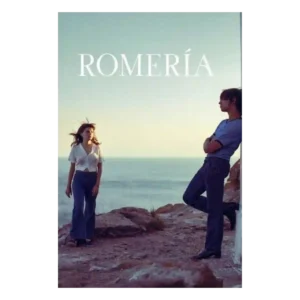
The sunlit Galician coast is photographed with exceptional texture and beauty, often turning water, skin, and landscape into the film’s most immediate pleasures.
Maddie’s Secret
4.9
Rich color, expressive shadows, close-ups, and carefully composed interiors give the movie a lush melodramatic look. Even mixed or negative critics often admired the visual confidence.
visual style
Romería
4.9
Sunlit realism, fuzzy DV footage, grainy flashbacks, and dreamlike fantasy combine into a rich and memorable visual design, even when style occasionally outweighs clarity.
Maddie’s Secret
4.8
The movie uses glossy color, distorted close-ups, shadows, mirrors, and heightened compositions to turn familiar television melodrama into distinctive cinema. Its visual identity is widely admired.
pacing
Romería
2.6
The deliberate rhythm supports observation and emotional accumulation, but repeated diary interludes and a wandering middle caused several critics to find it slow or overextended.
Maddie’s Secret
2.6
The brisk first half and tight runtime work for many viewers, but the inpatient-treatment section is the most common pacing complaint. Several critics felt the middle or third act loses momentum.
audio description accessibility
RomeríaNo score yet
Maddie’s Secret
1.0
The lack of an audio-description track was a clear accessibility weakness for blind viewers, making the film’s naturalistic visual presentation and casting conceit harder to understand.
costume design
Romería
4.0
Wardrobe choices quietly reinforce family history and identity, with clothing details serving as meaningful visual clues rather than decoration.
Maddie’s SecretNo score yet
cultural representation
Romería
5.0
The film thoughtfully connects one family’s wounds to Spain’s heroin and AIDS crisis, class divisions, regional identity, and lingering social stigma.
Maddie’s SecretNo score yet
dialogue quality
RomeríaNo score yet
Maddie’s Secret
3.2
The dialogue is deliberately stilted, overly precise, and melodramatic, which many found funny and purposeful. Viewers who did not accept the style described it as forced or atrocious.
drama quality
Romería
4.7
The family drama is intimate, intelligent, and often gripping without relying on loud confrontations. Its controlled tone can also feel muted to viewers seeking sharper conflict.
Maddie’s SecretNo score yet
genre satisfaction
Romería
5.0
As a quiet coming-of-age family drama with autobiographical and magical-realist elements, it strongly satisfies viewers drawn to subtle European art-house storytelling.
Maddie’s SecretNo score yet
realism
Romería
4.0
The loose family scenes feel natural and lived-in, even if one critic found the style slightly generic before the film moves into fantasy.
Maddie’s SecretNo score yet
rewatch value
Romería
5.0
Its layered imagery, family details, and emotional subtext give it strong repeat-viewing appeal for admirers of slow, personal cinema.
Maddie’s SecretNo score yet
romance quality
Romería
4.5
The parents’ youthful love is presented with warmth and sensual beauty before addiction and illness darken the relationship.
Maddie’s SecretNo score yet
sound design
Romería
4.5
Careful attention to coastal ambience, household texture, and remembered sounds strengthens the film’s intimate, diary-like atmosphere.
Maddie’s SecretNo score yet
suspense
Romería
4.5
The gradual uncovering of hidden illness, addiction, and family betrayal gives the quiet drama a steady investigative pull.
Maddie’s SecretNo score yet
tonal consistency
RomeríaNo score yet
Maddie’s Secret
4.1
The blend of camp comedy, melodrama, and painful realism is the film’s defining gamble. Most critics admire the balance, while others find the shifts chaotic, indecisive, or emotionally incompatible.
value for money
Romería
5.0
For art-house audiences, the striking coastal imagery and standout dance sequence offer a theatrical experience worth seeing on a large screen.
Maddie’s SecretNo score yet