

Compare Mockbuster vs Earth, Wind & Fire (To Be Celestial vs. That’s the Weight of the World)

Mockbuster
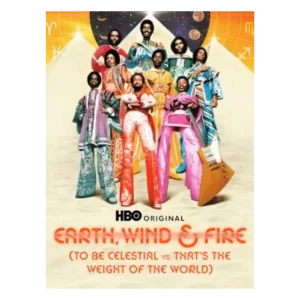
Earth, Wind & Fire (To Be Celestial vs. That’s the Weight of the World)

Quick verdict

What each product is best for

Choose Mockbuster for runtime and originality.

Choose Earth, Wind & Fire (To Be Celestial vs. That’s the Weight of the World) for ending satisfaction and drama quality.

Comparison Takeaways

Mockbuster

Where It Has the Edge

  • runtime is 4.8 vs 2.8. At roughly 90 minutes, it fits its subject and generally feels appropriately sized. Minor middle-section drag does not...
  • originality is 4.8 vs 3.3. The unusual double-production setup gives the documentary a distinctive hook: Frith directs a mockbuster while filming his own...
  • plot originality is 4.8 vs 3.3. Directing a bargain-basement dinosaur movie while simultaneously documenting the experience gives the story a rare, self-reflexive premise. It...
  • message quality is 4.7 vs 4.3. Its strongest idea is that making imperfect work can matter more than waiting for ideal conditions. The film...

Earth, Wind & Fire (To Be Celestial vs. That’s the Weight of the World)

Where It Has the Edge

  • ending satisfaction is 5.0 vs 3.5. The closing emphasis on September, reunion, forgiveness, and the music’s permanence leaves the film on an exuberant and...
  • drama quality is 5.0 vs 4.0. Maurice White’s brilliance, family wounds, financial conflicts, and strained band relationships give the documentary genuine tension beyond its...
  • plot clarity is 4.1 vs 3.2. The documentary generally explains the band’s evolution, sound, and philosophy in a clear, accessible way. Its more impressionistic...
  • editing quality is 4.6 vs 3.8. The strongest sequences combine interviews, archival performances, animation, and needle drops with infectious rhythm. The lone major complaint...
Average score
Mockbuster
4.4
Earth, Wind & Fire (To Be Celestial vs. That’s the Weight of the World)
4.7
runtime
Mockbuster
4.8

At roughly 90 minutes, it fits its subject and generally feels appropriately sized. Minor middle-section drag does not make the overall length excessive.

Earth, Wind & Fire (To Be Celestial vs. That’s the Weight of the World)
2.8

The two-hour scope is packed with history, music, and personalities, yet the determination to be definitive can make some passages feel both overstuffed and hurried.

ending satisfaction
Mockbuster
3.5

The premiere provides a joyful finish, but the route there is rushed. More detail on reshoots, editing, and final delivery would have made the conclusion more satisfying.

Earth, Wind & Fire (To Be Celestial vs. That’s the Weight of the World)
5.0

The closing emphasis on September, reunion, forgiveness, and the music’s permanence leaves the film on an exuberant and emotionally satisfying note.

originality
Mockbuster
4.8

The unusual double-production setup gives the documentary a distinctive hook: Frith directs a mockbuster while filming his own struggle to make it. The access keeps the dream-chasing story fresh.

Earth, Wind & Fire (To Be Celestial vs. That’s the Weight of the World)
3.3

Its immersive collage, animation, and musical analysis can feel distinctive, but some sections fall back on a conventional chronological survey of albums, hits, and personnel changes.

plot originality
Mockbuster
4.8

Directing a bargain-basement dinosaur movie while simultaneously documenting the experience gives the story a rare, self-reflexive premise. It finds a fresh angle on the familiar pursuit-of-a-dream arc.

Earth, Wind & Fire (To Be Celestial vs. That’s the Weight of the World)
3.3

The sensory, non-linear passages feel fresh, but the career chronology often resembles a familiar music-documentary timeline. The result is inventive in texture more than in overall structure.

drama quality
Mockbuster
4.0

The six-day shoot supplies genuine tension through clashes, delays, and impossible logistics. The conflict stays engaging without becoming melodramatic.

Earth, Wind & Fire (To Be Celestial vs. That’s the Weight of the World)
5.0

Maurice White’s brilliance, family wounds, financial conflicts, and strained band relationships give the documentary genuine tension beyond its celebratory music history.

plot clarity
Mockbuster
3.2

The central six-day filmmaking challenge is easy to follow. Context for The Asylum, preparation details, and the path from reshoots to premiere are thinner than they should be.

Earth, Wind & Fire (To Be Celestial vs. That’s the Weight of the World)
4.1

The documentary generally explains the band’s evolution, sound, and philosophy in a clear, accessible way. Its more impressionistic passages can feel sprawling, and one critique finds the overall focus insufficiently sharp.

editing quality
Mockbuster
3.8

Editing and narration usually keep the chaos clear and light on its feet. The jump from reshoots to the premiere feels abrupt and could have used another connective scene.

Earth, Wind & Fire (To Be Celestial vs. That’s the Weight of the World)
4.6

The strongest sequences combine interviews, archival performances, animation, and needle drops with infectious rhythm. The lone major complaint is that busy cutting sometimes interrupts songs before viewers can fully savor them.

pacing
Mockbuster
3.3

Most of the 90-minute journey moves briskly, but the middle logistics can linger. The final act then compresses key steps, creating a slow-middle, rushed-ending rhythm.

Earth, Wind & Fire (To Be Celestial vs. That’s the Weight of the World)
4.0

Most of the film moves with musical energy and keeps interviews flowing smoothly. The broad scope occasionally creates rushed or checklist-like stretches, especially when covering decades in limited time.

humor
Mockbuster
4.1

The funniest moments come from blunt studio executives, improvised problem-solving, and nobody pretending the production is under control. The comedy complements rather than erases the stress.

Earth, Wind & Fire (To Be Celestial vs. That’s the Weight of the World)
4.7

Playful interview moments, especially around Reasons and the band’s rivalries, add warmth without undercutting the more painful material.

interview quality
Mockbuster
4.3

The Asylum interviews are candid, funny, and among the film’s best material, especially the executives’ blunt descriptions of their business. Once shooting begins, the documentary could use more outside voices.

Earth, Wind & Fire (To Be Celestial vs. That’s the Weight of the World)
4.8

Band members, family, peers, and famous admirers provide candid, funny, and informative perspectives. Philip Bailey, Marilyn White, Stevie Wonder, and the Obamas contribute several standout moments.

message quality
Mockbuster
4.7

Its strongest idea is that making imperfect work can matter more than waiting for ideal conditions. The film turns creative compromise into an encouraging case for starting somewhere.

Earth, Wind & Fire (To Be Celestial vs. That’s the Weight of the World)
4.3

The film clearly communicates the band’s belief in music as a force for hope, unity, expanded consciousness, and cultural possibility while acknowledging the personal cost of that vision.

story quality
Mockbuster
4.3

The personal dream-chasing narrative gives the industry access a clear emotional spine. It balances setbacks, absurdity, and collaboration well enough to make the process satisfying.

Earth, Wind & Fire (To Be Celestial vs. That’s the Weight of the World)
4.6

The film builds a compelling story around Earth, Wind & Fire’s rise and Maurice White’s complicated leadership. Most find it rich and moving, though one critique sees an authorized greatest-hits tour where a deeper reappraisal was needed.

directing quality
Mockbuster
4.5

Frith handles the self-aware documentary with confidence, balancing production chaos, humor, and personal stakes. A few structural gaps keep the final stretch from feeling fully polished.

Earth, Wind & Fire (To Be Celestial vs. That’s the Weight of the World)
4.8

Questlove’s musical knowledge, enthusiasm, and archival instincts make the film vivid and accessible. The main reservation is that his attempt to balance celebration with reappraisal can sometimes feel unfocused.

entertainment value
Mockbuster
4.5

The hectic production, candid personalities, and self-aware comedy make this consistently entertaining. Even viewers unfamiliar with The Asylum can enjoy the ride.

Earth, Wind & Fire (To Be Celestial vs. That’s the Weight of the World)
4.7

Classic songs, charismatic interviews, humor, and vivid performance footage make the documentary consistently engaging. Even the most critical assessment concedes that the band’s catalog creates a high entertainment floor.

theme depth
Mockbuster
4.5

Beneath the production comedy is a thoughtful question about whether creating flawed art is better than never creating at all. It also explores ego, compromise, work, family, and success.

Earth, Wind & Fire (To Be Celestial vs. That’s the Weight of the World)
4.7

The tension between celestial ambition and worldly cost gives the documentary substantial depth. It explores how spiritual idealism, artistic control, family trauma, money, and fame shaped both the music and the fractures.

audience appeal
Mockbuster
4.6

It works beyond The Asylum’s core fan base, especially for B-movie devotees and anyone curious about filmmaking. Aspiring directors are the clearest fit.

Earth, Wind & Fire (To Be Celestial vs. That’s the Weight of the World)
4.8

The film has broad pull for longtime fans and newcomers because its familiar songs, lively interviews, and cultural context are immediately inviting. One dissenting take finds the presentation more dependable than revelatory.

character development
Mockbuster
4.8

Frith’s shift from stalled corporate-video director to overwhelmed feature filmmaker gives the documentary a strong emotional center. His self-doubt and growth make the journey relatable.

Earth, Wind & Fire (To Be Celestial vs. That’s the Weight of the World)
4.7

Maurice White emerges as visionary, wounded, controlling, inspiring, and self-sabotaging rather than a flattened musical icon. Family and bandmate testimony gives his contradictions emotional weight.

genre satisfaction
Mockbuster
4.7

B-movie fans and aspiring filmmakers should find it especially rewarding. It offers affectionate schlock culture alongside a practical look at making a feature under absurd constraints.

Earth, Wind & Fire (To Be Celestial vs. That’s the Weight of the World)
4.7

This is widely seen as a strong music documentary that combines biography, cultural history, and musical analysis. Its main limitation is a conventional greatest-hits structure that occasionally feels more comprehensive than penetrating.

emotional impact
Mockbuster
4.6

The stress, self-doubt, and eventual premiere create a surprisingly warm payoff. Its affection for scrappy filmmaking makes the feel-good moments land without seeming manipulative.

Earth, Wind & Fire (To Be Celestial vs. That’s the Weight of the World)
4.6

Joy, nostalgia, spiritual uplift, betrayal, loss, and forgiveness all register strongly. The best moments make the band’s music feel newly immediate while the darker history adds haunting weight.

animation quality
MockbusterNo score yet
Earth, Wind & Fire (To Be Celestial vs. That’s the Weight of the World)
4.7

The animated passages make Maurice White’s spiritual and metaphysical ideas easier to grasp while preserving the film’s vibrant, period-rich personality.

archival footage quality
MockbusterNo score yet
Earth, Wind & Fire (To Be Celestial vs. That’s the Weight of the World)
4.9

Rare concert clips and archival interviews bring the band’s peak years vividly to life. The strongest footage feels immersive enough to place viewers inside the performances.

critic appeal
MockbusterNo score yet
Earth, Wind & Fire (To Be Celestial vs. That’s the Weight of the World)
4.5

Most critical reactions are highly enthusiastic, calling the film superb, polished, essential, or a must-see. A notable dissent argues that it never reaches the greatness of its subject.

cultural representation
MockbusterNo score yet
Earth, Wind & Fire (To Be Celestial vs. That’s the Weight of the World)
4.8

The documentary connects Earth, Wind & Fire’s sound to African roots, Afrofuturism, Black cultural history, spiritual uplift, and crossover success without reducing the band to nostalgia.

lead performance
Mockbuster
4.4

Frith is a charming, vulnerable guide whose passion and self-doubt carry the documentary. His occasional impatience and uncertainty make the portrait more candid, though less consistently polished.

Earth, Wind & Fire (To Be Celestial vs. That’s the Weight of the World)No score yet
realism
Mockbuster
4.6

The candid access makes low-budget filmmaking feel messy, exhausting, and genuinely collaborative. A little staging is noticeable, but the pressures and compromises still come across as authentic.

Earth, Wind & Fire (To Be Celestial vs. That’s the Weight of the World)No score yet
score quality
MockbusterNo score yet
Earth, Wind & Fire (To Be Celestial vs. That’s the Weight of the World)
5.0

The Roots’ floaty ambient score supports the documentary’s meditative, cosmic atmosphere without competing with Earth, Wind & Fire’s own music.

soundtrack quality
MockbusterNo score yet
Earth, Wind & Fire (To Be Celestial vs. That’s the Weight of the World)
4.9

The band’s catalog is the film’s most dependable strength, with familiar songs made vivid through context, performance footage, and musical breakdowns. Several reactions say the documentary makes well-known tracks sound fresh again.

supporting cast performance
Mockbuster
5.0

The veteran actors and Asylum executives add warmth, humor, and blunt candor. Michael Paré, Eric Roberts, Paul Bales, David Michael Latt, and David Rimawi are particular standouts.

Earth, Wind & Fire (To Be Celestial vs. That’s the Weight of the World)No score yet
tonal consistency
MockbusterNo score yet
Earth, Wind & Fire (To Be Celestial vs. That’s the Weight of the World)
3.8

The film usually balances affection, honesty, humor, and sadness effectively. A dissenting view finds the celebration and critical inquiry insufficiently integrated.

visual style
MockbusterNo score yet
Earth, Wind & Fire (To Be Celestial vs. That’s the Weight of the World)
4.9

Gold-toned archival footage, animation, stage spectacle, and trippy period imagery create a vivid ’70s atmosphere. Concert sequences are especially immersive and sometimes almost synesthetic.

world-building
MockbusterNo score yet
Earth, Wind & Fire (To Be Celestial vs. That’s the Weight of the World)
5.0

The film conveys Earth, Wind & Fire’s stage universe as a fusion of African roots, cosmic futurism, choreography, costumes, magic, and spiritual aspiration.