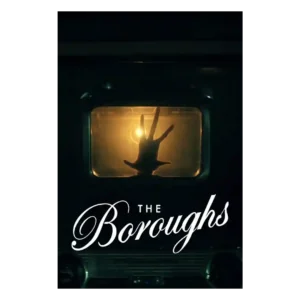

The Boroughs, Season 1
Where It Has the Edge
No clear scored advantage over the other product.

Scorata scores summarize analyzed review evidence on a 1–5 scale; they are not laboratory measurements or a simple average of customer star ratings. Feature scores summarize the reviews covering that feature. The overall score averages feature scores within each review, then combines review averages. When both expert and customer evidence are available, those two groups receive equal weight. Products can have different review coverage, so small score gaps do not establish a winner.
Recommendations prioritize important features for the category, with a score of at least 3.5, a gap of at least 0.25 points and at least two supporting reviews per product. Features with widely varying scores or broad connectivity contexts are excluded from recommendations. These safeguards do not establish statistical significance.
Quick verdict
The available evidence supports the recommendation below, but does not establish an overall winner. Check the remaining features against your priorities.
There is not enough comparable review evidence to recommend The Boroughs, Season 1 over the other product.
Choose It’s Not Like That, Chapter 1 for visual style and audience appeal.
No clear scored advantage over the other product.
Scores are out of 5. Missing scores mean missing review evidence, not a missing feature.
Visual style divided reviewers negatively where it came up. The washed-out palette, flat lighting, and muddy coloring were called out as limiting the wonder of the desert and supernatural imagery.
Clean imagery and thoughtful framing support the emotional tone, including a restrained apparition device that keeps Jenny's absence visually present.
Production design and setting were praised for making The Boroughs feel like an appealing but suspicious retirement world. The isolated desert community gives the mystery menace and a strong sense of place.
The overall production is described as polished and well made, reinforcing the sense that this is a higher-quality entry in faith-oriented television.
World-building is strongest when the retirement community feels like a complete, eerie little society. Reviewers liked the time spent building the town, while later lore questions suggest the larger mythology remains only partly developed.
The interconnected households, church, school, and neighborhood feel fully formed quickly, making it easy to settle into the characters' shared lives.
Plot clarity drew some of the toughest criticism. A few reviewers said the monster mystery felt silly, lacked urgency, or became incoherent as the season tried to explain its secrets.
The large ensemble is introduced clearly, while David's motives and parts of the marital history remain underexplained.
Dialogue quality drew criticism in the cited review, which found some exchanges stilted and awkward. The complaint suggests the dialogue sometimes fails to match the complexity of the cast or themes.
The strongest responses call the dialogue realistic and human, especially around grief and family conflict. One critic found it too close to sentimental or unnatural.
Season length got one positive note from a reviewer who felt the eight episodes were not especially overlong. Other pacing complaints elsewhere show that the length works better for some viewers than others.
The eight-episode order frustrates viewers in opposite ways: one critic thinks the middle is padded, while another believes the season is far too short.
The screenplay was criticized as clunky in the cited review, despite the show’s promising premise and strong performers. The issue is less the idea than the execution of scenes and story momentum.
The script is praised as carefully thought out, with layered characters and emotional moments that serve more than the central romance.
Realism is not the show’s priority. The cited review found it enjoyable once viewers accept its sweet, silly wavelength rather than expecting airtight logic.
Grief, divorce, parenting, and faith usually feel messy, relatable, and emotionally honest. Negative responses question the pastoral behavior, consequences, and volume of issues packed into the story.
The season finale tied together enough threads for some viewers, but it also left major questions hanging. The final glitchy hook created intrigue while leaving others wanting clearer answers.
The finale delivers an intense, tissue-worthy emotional experience, even though its romantic outcome divides the audience.
Plot twists were considered present but not consistently surprising. Some reviewers liked the twists and late reveals, while others felt the villain was obvious or the questions were mainly setup for more.
The changing relationships and twists keep the story lively and increase anticipation for another season.
The cited episode review praised the camera work as sleek and visually dynamic. This suggests the premiere has enough visual motion to keep the slower setup from feeling static.
The picture is described as clean, steady, and professionally filmed, with clear visuals that avoid the murky darkness common in some dramas.
The finale payoff disappointed the cited reviewer, especially around the villain and supernatural resolution. The ending did not fully justify the season’s buildup for that critic.
The finale is the clearest source of frustration, particularly Lori's romantic choice and the last-minute reversal of the hoped-for pairing.
Suspense worked best in the creature reveals and hidden-community threat. Some reviewers found the monster plot draggy, but others praised the tension, creepy imagery, and early horror atmosphere.
Unpredictable choices and unanswered relationship questions keep viewers wondering what will happen next, supporting continued interest without turning the show into a thriller.
The structure mostly works when it foregrounds character before spectacle. Still, some viewers found the story and structure a little flawed even while enjoying the cast and themes.
The pilot wins viewers over despite a noticeable explainer-heavy setup that sometimes feels like conventional premiere groundwork.
The violence level was approved for keeping most of the graphic ickiness off camera. The show offers horror stakes without becoming as intense or gory as it could have been.
The limited violence is generally appreciated, with only school wrestling and bullying flagged as mild concerns rather than dominant content.
Season pacing was one of the main weak spots. Critics repeatedly said the show loses speed in the middle or toward the end, even when they still enjoyed the cast and overall mood.
The middle episodes are the weakest stretch for pacing, with criticism that the season becomes low-key, uneven, and less compelling week to week.
The emotional material around grief, aging, and relationships landed strongly for many viewers. Sam’s loss, late-life friendship, and the show’s gentler reflections were often described as touching or endearing.
Tearful, heartfelt moments are a defining strength, with grief and family scenes repeatedly described as moving, hopeful, and earned rather than manipulative.
Renewal interest is high among viewers who connected with the show. Reviewers and recap channels wanted another season or at least more clarity after the ending.
Demand for another season is exceptionally strong, with many viewers explicitly asking for Season 2 and some wanting several more seasons.
The premiere was generally seen as a promising start, with an attention-grabbing monster opening and a heartfelt introduction to Sam. A few noted that the sci-fi material arrives late, but the episode still establishes the tone well.
The opening episode is repeatedly described as charming, compelling, and an excellent start, even when its exposition feels compressed.
The show’s deepest praise centers on its aging, mortality, grief, and time themes. Some reviewers found those ideas wise and moving, while others thought the series eventually reduced them to platitudes.
Grief, faith, divorce, addiction, parenting, and second chances are explored with compassion and few easy answers. Some viewers found the sheer number of issues excessive.
Episode pacing was mixed: several reviewers accepted the slower build because it let the world and characters breathe, but others found the early episodes or middle stretch too slow. The pacing worked best when character moments carried the mystery.
The premiere moves confidently for some viewers, but others felt it races through exposition and romance before the relationships have enough time to settle.
As genre entertainment, the show generally satisfies viewers looking for warm sci-fi horror rather than pure scares. Its creature-feature, B-movie, and adventure elements work best when paired with humor and character.
It is widely seen as a welcome revival of warm multigenerational family drama, combining comfort-viewing appeal with contemporary emotional complications.
The drama resonates most when the series deals with being overlooked, grief, and late-life friendship. The show can be moving, though not every reviewer found its broader statements equally sharp.
The series balances grief, romance, parenting, and faith with warmth and meaningful stakes. Its quieter, earnest style can feel too sappy or subdued for viewers wanting sharper drama.
The senior-led spin on familiar sci-fi gave the show freshness for many reviewers. Several still felt the series leaned too hard on Stranger Things, Spielberg, and other genre templates, making the plot feel predictable.
The series often avoids an easy romantic resolution and can surprise viewers, but familiar child arcs, predictable tropes, and one strongly negative response limit the praise.
Bingeability is strong for viewers who enjoy the cast and adventure-comedy mix. One video reviewer called it a good weekend binge despite the full eight-hour commitment.
Several viewers finished the season in two days or said they could not stop watching. Even a more critical response still watched the full run in hopes of a stronger payoff.
Sexual content is present as part of the show’s older-character vitality rather than as shock value. One review noted the horniness as a surprising quirk of the ensemble.
Sex is discussed or implied without graphic depiction, and several viewers praise the restraint. More conservative responses still object to dating and intimacy outside marriage.
The show’s portrayal of older people was praised as refreshing and respectful. Reviewers liked seeing seniors treated as active, perceptive heroes rather than background grandparents or caricatures.
Faith is usually praised as sincere, welcoming, and naturally woven into modern family life rather than preachy. A vocal minority rejects the inclusive Christian portrayal as inauthentic or overly progressive.
The cast chemistry is a major reason the show works for many reviewers. The best scenes come when the older heroes simply hang out, tease one another, or move as a unit.
Scott Foley and Erinn Hayes generate natural, lived-in chemistry that anchors the series, while the wider ensemble often feels like a believable interconnected family.
Character development was one of the show’s strongest selling points when reviewers focused on Sam, Wally, Judy, Art, and Renee. The dissenting view is that some arcs and backstories are too thin or rushed.
The adults and children receive distinct emotional struggles that make most of the ensemble easy to invest in. Detractors found some children unlikable and wanted serious problems addressed more responsibly.
Humor was a consistent plus. Reviewers liked the witty banter, dry senior-citizen comedy, and the way the show balances jokes with horror and grief.
Light banter, awkward family moments, and Foley's easy humor keep the grief-heavy story from becoming oppressive without turning it into a broad comedy.
Reviewers often liked the core story as a warm sci-fi adventure with grief and aging at its center. The main split is that some found the plot terrific and sincere, while others thought the mystery itself was dull or uneven.
The intertwined family story is widely praised as heartfelt, relatable, and compelling, with strong balance between adults and children. Critics cite clichés, overcrowded issues, and disappointing late choices.
The cliffhanger was effective for viewers who wanted more answers and theories. It leaves the season with a memorable final glitch, though its value depends on appetite for unresolved mystery.
The unresolved ending clearly points toward another season, though its payoff depends on future episodes following through.
Audience appeal is strongest for viewers drawn to senior-led adventures, gentle horror, and ensemble chemistry. More skeptical critics still found it pleasant and accessible, if not especially demanding.
Its warm, accessible style reaches beyond a strictly faith-based audience and resonates especially with families and viewers who have experienced grief or divorce.
The acting is the strongest area of consensus, with the veteran ensemble repeatedly called stellar, fantastic, and accomplished. Even negative reviews tended to say the cast elevated weaker material.
The cast is one of the clearest strengths, with customers repeatedly praising believable performances. A small minority found the acting poor or disliked specific casting choices.
Supporting performances were mostly praised, especially Geena Davis, Alfre Woodard, Denis O’Hare, and the broader cul-de-sac crew. One critic thought weaker supporting players outside the core group dragged momentum down.
The younger cast often earns standout praise for warmth, realism, and emotional range, particularly Cary Christopher and Caleb Baumann. One hostile response disliked how the children were presented.
Alfred Molina’s Sam received consistent praise for balancing grumpiness, grief, and warmth. Reviewers also admired how the older leads carry heroic genre roles without needing age-based caveats.
Scott Foley and Erinn Hayes earn especially strong praise for vulnerability, warmth, and emotional clarity. One critic tired of Foley repeating the same tearful expression.
Entertainment value is broadly positive, even among mixed reviews. The show is often called fun, enjoyable, charming, or watchable, with the veteran cast offsetting predictable or clunky story beats.
The broad response is highly positive, with many calling it refreshing, comforting, and easy to enjoy. The harshest critics found it unrealistic, overstuffed, or not worth finishing.
Conflict resolution is usually presented as compassionate and constructive, but the drunk-driving crash drew sharp criticism for lacking police consequences or meaningful intervention.
Cancellation satisfaction is low in the cited update, which frames Netflix’s decision as canceling a well-reviewed and widely viewed show. The reaction suggests disappointment rather than closure.
CGI was viewed as mostly effective by one reviewer who praised its realism, while another found the creature design only moderately distinctive. The digital creatures work best when they blend into the environment.
Malcolm's choices are the main sticking point: critical viewers felt his behavior did not match the responsibilities of a pastor or attentive father.
A major drunk-driving crash is criticized for vanishing without a police report or consequences, creating a conspicuous break in narrative follow-through.
Brad Silberling's direction is singled out for helping the slice-of-life material feel polished, emotionally clear, and impactful.
Episode length was criticized as part of a broader Netflix-original issue. The show’s hour-ish structure can feel awkward when the story slows or stretches.
Most viewers value the wholesome tone, limited profanity, restrained sexual content, and focus on family. Mature themes and a few moral objections mean it is not universally suitable for children.
Profanity is minimal and generally viewed as refreshingly restrained, although faith-focused guides still note occasional swearing as a content caveat.
Lore depth is a recurring weakness. Reviewers often wanted richer mythology for the monsters, villains, and larger sci-fi rules, even when they appreciated the emotional ideas behind them.
The girls' wrestling storyline may feel contemporary and inclusive to some viewers, but it was also criticized as propaganda.
Practical creature work was criticized in the cited review. Prosthetics and related effects were said to underwhelm even though the first monster design had some creepiness.
The score was praised for sounding like it belongs in an 1980s Spielberg-style adventure. That musical throwback supports the show’s nostalgic sci-fi tone.
Special effects drew mixed reactions. Some found the monsters convincing and accessible, while another review said the effects and prosthetics often underwhelm.
The restrained presentation suits many families with teens, but grief, self-harm, addiction, divorce, and other mature themes make it a questionable choice for younger children.
Strong critical notices reinforce the show's appeal beyond its enthusiastic customer audience.
Parents appreciated the way the show encourages conversations about difficult issues, and one older viewer found its parenting lessons personally revealing.
Included Prime access makes the series feel like an excellent value and worthwhile use of time. Its initial add-on placement was harder to justify for less enthusiastic viewers.
The soundtrack stood out for its Springsteen use and broader musical choices. Reviewers who mentioned it treated the music as emotionally important and highly enjoyable.

Best for sharp adult humor, magnetic chemistry and a deeply satisfying farewell. Skip it if familiar will-they-won’t-they plotting or deliberately messy leads are dealbreakers.
Pros: humor, writing quality

Choose Widow’s Bay for its dark laughs, richly haunted island and memorable ensemble. Skip it if you need straightforward scares, rapid answers to every mystery or a completely resolved finale.
Pros: humor, genre satisfaction
Cons: ending satisfaction, season pacing

Choose Season 15 for warm, character-driven comedy, meaningful growth, and a finale that rewards longtime fans. Skip it if the short binge format, uneven replacement voices, or occasional clumsy commentary...
Pros: franchise connection, character development

Best for sharply acted, compassionate, high-pressure hospital drama. Skip it if graphic procedures unsettle you or you need a neatly resolved season finale.
Pros: character development, acting performance
Cons: character consistency, dialogue quality