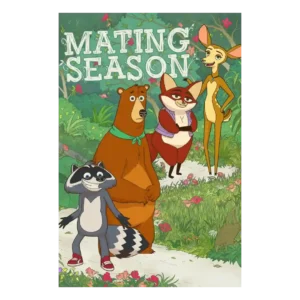

Mating Season, Season 1
Where It Has the Edge
No clear scored advantage over the other product.

Scorata scores summarize analyzed review evidence on a 1–5 scale; they are not laboratory measurements or a simple average of customer star ratings. Feature scores summarize the reviews covering that feature. The overall score averages feature scores within each review, then combines review averages. When both expert and customer evidence are available, those two groups receive equal weight. Products can have different review coverage, so small score gaps do not establish a winner.
Recommendations prioritize important features for the category, with a score of at least 3.5, a gap of at least 0.25 points and at least two supporting reviews per product. Features with widely varying scores or broad connectivity contexts are excluded from recommendations. These safeguards do not establish statistical significance.
Quick verdict
The available evidence supports the recommendation below, but does not establish an overall winner. Check the remaining features against your priorities.
There is not enough comparable review evidence to recommend Mating Season, Season 1 over the other product.
Choose Berlin and the Lady with an Ermine, Chapter 2 for bingeability and main cast performance.
No clear scored advantage over the other product.
Scores are out of 5. Missing scores mean missing review evidence, not a missing feature.
Animal behavior details work well for viewers who want the characters to feel species-specific rather than merely human sitcom types in fur. That grounding helps the absurd premise feel more purposeful.
The episode’s weakest logic relies on obvious plot protection that makes Berlin brilliant by making the police look incompetent.
The pilot sells the premise clearly, but reactions are split. Some praise the dumped-after-hibernation hook as strong and enticing; others think the first episode is too crude and too thin to invite more watching.
The opening episode receives a confident stream recommendation for its charm, setup, and promising double-cross.
Humor is the show’s biggest split: fans call it hilarious, bold, and well-timed, while detractors find the sex jokes repetitive, lazy, or gross without enough payoff. Enjoyment depends heavily on tolerance for crude adult animation.
A playful refusal to take the criminal fantasy too seriously gives the series much of its charm.
The series often uses a classic sitcom setup, splitting the friends into parallel romantic misadventures that meet back at the Watering Hole. Some praise the structure as tight and serialized, while negative viewers find certain episodes pointless.
Multiple romantic subplots crowd the heist in the weaker episodes, leaving the season overstuffed and occasionally filler-heavy.
The animal-world dating hook gives the series a memorable angle, but many writers feel it leans too hard on familiar rom-com and adult-cartoon formulas. The most positive takes credit the animal behavior twists for adding freshness.
The season adds a double-cross, emotional tragedy, and new setting, but familiar franchise rhythms still create déjà vu for some critics.
Writing quality is uneven across the response. Some praise the later-season voice and relationship dynamics, while critics complain about surface-level jokes, lazy lessons, and weak commentary.
The screenplay can blend character and caper material effectively, but its crowded middle and repetitive formulas undermine the stronger ideas.
The first episode’s sudden gross-out turn works for at least one viewer as a hook rather than empty shock. The surprise helped distinguish the show from generic adult animal cartoons for that audience.
Several reviewers enjoy the clever reversals, especially Samuel’s reveal, while one critic finds the twists increasingly mechanical.
The show touches modern dating, identity, grief, loneliness, and queer community, but opinions differ on depth. Fans find realistic stings under the chaos; critics say it rarely reaches beyond sex jokes.
The season ranges from light escapism to a surprisingly thoughtful meditation on love, art, control, and the masks people use to hide loneliness.
The series can surprise viewers with loneliness, insecurity, and friendship beats beneath the animal chaos. Still, several viewers feel the emotion is lighter than Big Mouth or gets punctured by jokes too quickly.
The finale and Cameron’s fate hit hard for positive reviewers, even as a harsher critic found much of the season emotionally forgettable.
The story works best when it turns animal dating into recognizable heartbreak, friendship, and romantic chaos. Detractors find too many arcs familiar, thin, or undercut by raunch before they can land.
The double heist and human stakes can be highly engaging, yet contrivance, repetition, and underdeveloped ideas keep the overall story from earning consistent praise.
The season has strong binge appeal for viewers who click with the premise. One skeptical viewer unexpectedly watched the whole thing, while another calls out binge potential for adult-animation fans.
The combination of twists, romance, and fast-moving crime drama proved highly bingeable, with some viewers watching through the night.
Character work is the main divider. Supporters like Penelope, Fawn, and the friend group as messy but lovable; critics say Josh, Ray, and some arcs stay underdeveloped or reset too easily.
Berlin and several emotional arcs gain meaningful texture, but critics disagree on whether the supporting characters truly grow or remain thin romantic functions.
The ten-episode season is enough for the premise to build arcs, but the length can also expose repetition. One critic felt the half-hour episodes made the formula wear thin.
The season is judged roughly 40 minutes too long, with trimming needed across the middle episodes.
The core friendship chemistry works for many viewers, giving the raunchy premise a warmer hangout-sitcom feel. Negative reactions argue some romances and early group dynamics lack enough believable connection.
Berlin and Candela’s spark is widely praised, while the crew’s broader group dynamic receives a more divided response.
The Big Mouth connection sets expectations and helps sell the show to existing fans. It feels spiritually related rather than a direct replacement, which helps some viewers and disappoints others.
Some see a lively continuation of the Money Heist spirit; others think the familiar formulas now reveal clear franchise fatigue.
Interest in renewal is mixed but present. Fans and some critics see room for Josh, Penelope, and the world to grow, while harsh detractors actively hope it stops.
One critic sees a formula with plenty of life, while another believes the wider franchise has exhausted its creative drive.
The animated staging gets credit for depth-of-field choices that highlight jealousy, competition, and physical comedy. Its visual composition does more than simply place animal characters on screen.
Tight framing heightens claustrophobia, while the glossy, sun-drenched imagery preserves the franchise’s polished visual identity.
Voice acting is one of the clearest strengths. Even mixed reviewers repeatedly single out the ensemble, especially Zach Woods, June Diane Raphael, Sabrina Jalees, and Nick Kroll, as energetic and well cast.
Pedro Alonso’s commanding, theatrical performance is the clearest point of agreement, with his charisma repeatedly credited for keeping the season alive.
Dialogue swings between polished, quick, and conversational for fans and gratingly crude for detractors. The best-liked lines are smaller throwaways, while the most disliked ones spell out jokes too aggressively.
Witty banter lands well in stronger scenes, but exaggerated romantic dialogue can become heavy and slow the pace.
The finale lands well for at least one critic because it ties earlier pieces together and leaves a stronger aftertaste than the early episodes. It suggests the season had more structure than first impressions implied.
The heist payoff, wedding, and emotional resolution are considered earned and unexpectedly affecting.
The closing episodes are among the better-liked parts of the season, especially for viewers who wanted serialized payoff. They bring the character arcs together more coherently than the setup initially promises.
The ending successfully converges the heist, romance, and tragedy into a memorable emotional payoff.
Several reactions describe a rocky or repetitive start that improves in the back half. The stronger finale stretch helps some viewers forgive the early unevenness, while others never warm to the pacing.
Personal stories sometimes enrich the action, but expanded romantic subplots also create a noticeable midseason slowdown.
As adult animated sex comedy, the show satisfies viewers already tuned into Nick Kroll’s style. Others think it fails to balance raunch, romance, and commentary enough to stand out in the genre.
The strongest reviews enjoy the clever cons and high-stakes caper energy, while detractors miss the sustained tension of a sharper heist drama.
The premiere’s rapid pace works for viewers who like fast joke density, but harsher takes call the episodes slow or exhausting. The show is at its most divisive when it piles gags on top of relationship beats.
The reconnaissance episode raises stakes efficiently, but the middle stretch is repeatedly criticized for dragging and producing fatigue.
The score receives limited but positive notice. It is not a major talking point, but one viewer specifically calls it quite good.
The restrained use of music during Cameron’s death strengthens the scene instead of forcing an emotional response.
Overall enjoyment ranges from must-watch enthusiasm to total rejection. Positive viewers enjoy the cast, pace, and weird relationship comedy; negative viewers find it boring, repetitive, or not worth the time.
Most positive reactions describe the season as irresistible escapist fun, playful enough to make its excesses part of the appeal.
Audience fit is narrow but clear. Big Mouth fans and adult-animation viewers are the likeliest match; people turned off by crude sex comedy or familiar sitcom tropes should be cautious.
Viewers turned the series into a major streaming hit, although professional reactions ranged from enthusiastic recommendations to sharp disappointment.
Early critical reception appears respectable rather than glowing. The consensus leans toward a watchable but imperfect successor with strong characters and humor but less depth.
Critical response is sharply divided: some celebrate the emotional ambition, while others see a tired, unnecessary extension of the franchise.
The look is highly divisive. Some praise the bright forest backgrounds, expressive animation, and eventual charm of the designs; others call the style corporate, ugly, or uninspired.
Glossy sunlight, elegant clothing, polished locations, and heightened romantic imagery remain among the season’s most dependable strengths.
The forest world is most praised when animal instincts shape dating, flirting, and social rituals. Criticism rises when the rules of clothing, jobs, species behavior, and civilization feel inconsistent.
Seville and the expanded criminal circle bring fresh texture, though some critics feel the larger Money Heist universe gains little meaningful growth.
Guest voices add fun when they create memorable romantic obstacles or oddball animal personalities. Less impressed viewers find some supporting characters too thin and sitcom-functional.
Candela, the Duke, and Cameron make strong impressions, though weaker writing leaves parts of the ensemble underused or flattened.
Zach Woods and Sabrina Jalees draw the warmest praise among the leads. Their anxious, specific voice work makes Josh and Penelope feel more human than the show’s premise might suggest.
Pedro Alonso earns unanimous praise as a magnetic lead who can carry even the season’s weaker material.
The opening theme stands out positively for at least one viewer. The music gives the season a stronger adult-rom-com identity than some of the individual musical material.
The death scene benefits from musical restraint, avoiding an overbearing heroic cue and letting the silence carry the emotion.
Berlin’s reckless leadership is criticized early, but the season eventually allows serious consequences to puncture the crew’s glamorous criminal world.
Animation draws both praise and criticism. Supporters see polish, expressive movement, and improved design compared with related shows, while harsher viewers find the characters stiff, bland, or unattractive.
Berlin’s contradictions and flamboyant instincts remain recognizable, though his repeated recklessness can feel like a failure to learn from earlier mistakes.
The season-ending surprises create some appetite for more Penelope drama, but the cliffhanger is not universally admired. Supporters see future potential; detractors call it predictable and manipulative.
The finale earns points for connecting earlier threads that once seemed disposable. That payoff makes the serialized elements feel more intentional for viewers who stuck with the season.
Queer and relationship representation is a notable bright spot for several viewers. Penelope’s lesbian self-discovery and the show’s open treatment of varied sexualities receive strong praise.
Cameron’s death is singled out for restrained, haunting direction that avoids pushing the emotion too aggressively.
Romantic complications and loss create real dramatic pull, though some critics feel melodrama overwhelms the heist without enough depth or consequence.
This is plainly not family-friendly viewing. Content-focused reactions stress raunch, strong language, and sexual situations as central to the experience.
Profanity is frequent and strong enough to matter for content-sensitive viewers. The language reinforces the TV-MA tone rather than softening the adult material.
Too many competing ideas and side stories sometimes obscure which material truly serves the central heist.
Sexual content is the defining trait, and approval depends on taste. Fans call the raunch bold or surprisingly balanced; detractors say it overwhelms story, humor, and comfort.
The season is either a charismatic return to form or a forced, divisive continuation, depending on how much patience viewers have for melodrama.
Vault danger and tight reconnaissance scenes generate real tension, but romance-heavy stretches reduce the sustained pressure expected from a heist series.
The pilot includes graphic cartoon violence that some content-focused viewers flag as harsh. The violence is played for shock comedy, but it can be too much for sensitive viewers.
The content is firmly adult. Sexual situations, profanity, violence, and crude discussion make it unsuitable for younger viewers despite the cartoon format.
Elegant costumes reinforce the show’s luxurious, theatrical approach to crime and romance.
Seville’s lavish locations and opulent castle give the new heist an attractive, upscale backdrop.
Animal facts and mating behaviors add a lightly educational layer to the jokes. The trivia is framed as funny rather than instructional, but it gives the premise extra texture.

Best for sharp adult humor, magnetic chemistry and a deeply satisfying farewell. Skip it if familiar will-they-won’t-they plotting or deliberately messy leads are dealbreakers.
Pros: humor, writing quality

Choose Season 15 for warm, character-driven comedy, meaningful growth, and a finale that rewards longtime fans. Skip it if the short binge format, uneven replacement voices, or occasional clumsy commentary...
Pros: franchise connection, character development

Choose The Pitt Season 2 for a gripping, realistic medical drama with superb acting and emotional depth. Skip it if graphic procedures, unresolved arcs, or slower character-driven pacing bother you.
Pros: realism, emotional impact

Best for powerhouse performances, thorny character work, and a tense revenge mystery that grows richer as it goes. Skip it if abuse, trafficking, graphic violence, or deliberately messy moral questions...
Pros: main cast performance, character development
Cons: pilot episode quality