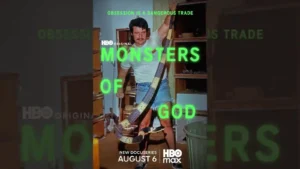
Compare World War II with Tom Hanks, Season 1 vs Monsters of God

World War II with Tom Hanks, Season 1

World War II with Tom Hanks, Season 1

Overall score 4.3 / 5

Based on 15 scored reviews

vs
Monsters of God

Monsters of God

Overall score 4.0 / 5

Based on 16 scored reviews

How we score

Scorata scores summarize analyzed review evidence on a 1–5 scale; they are not laboratory measurements or a simple average of customer star ratings. Feature scores summarize the reviews covering that feature. The overall score averages feature scores within each review, then combines review averages. When both expert and customer evidence are available, those two groups receive equal weight. Products can have different review coverage, so small score gaps do not establish a winner.

Recommendations prioritize important features for the category, with a score of at least 3.5, a gap of at least 0.25 points and at least two supporting reviews per product. Features with widely varying scores or broad connectivity contexts are excluded from recommendations. These safeguards do not establish statistical significance.

Quick verdict

What each product is best for

The review evidence points to a tradeoff: season length and cultural representation versus interview and source material quality. Choose according to which strengths matter more to you; the overall score alone does not settle that choice.

Choose World War II with Tom Hanks, Season 1 for season length and cultural representation.

Choose Monsters of God for interview and source material quality.

Why these recommendations?

World War II with Tom Hanks, Season 1

Where It Has the Edge

  • season length is 4.3 vs 2.3. The 20-episode length divides critics. Some say it still is not enough for the war’s scale, but more...
  • cultural representation is 4.5 vs 4.3. The series is praised for broadening WWII beyond a narrow battlefield or American-only lens. Its attention to civilians,...

Monsters of God

Where It Has the Edge

  • interview and source material quality is 4.7 vs 4.2. Hard-won access is a major strength: reviewers praise candid responses, an unusually broad interview pool, remarkable archival footage,...
World War II with Tom Hanks, Season 1 4.3 overall score
Monsters of God 4.0 overall score

Compare features

Scores are out of 5. Missing scores mean missing review evidence, not a missing feature.

Scored on both products

Other features

Cinematography
World War II with Tom Hanks, Season 1
2.4

The original talking-head footage is one of the weaker visual elements, with a critic calling it plainly filmed and lit. The show’s visual power comes much more from archive material than studio presentation.

Monsters of God
5.0

Animal imagery is a clear standout, with beautifully photographed glamour close-ups and striking reptile footage repeatedly singled out for praise.

Editing quality
World War II with Tom Hanks, Season 1
4.2

The editing has at least one clever strength: cycling through propaganda responses from different sides of the conflict. Even a skeptical review credits that technique with giving events a wider snapshot.

Monsters of God
2.0

The main editing complaint is excess: the series is called too long, repetitive, and increasingly stuffed with colorful side stories that weaken the central line.

Season length
World War II with Tom Hanks, Season 1
4.3

The 20-episode length divides critics. Some say it still is not enough for the war’s scale, but more positive reviews say the length finally lets the series go deep across campaigns, fronts, and consequences.

Monsters of God
2.3

Length is a clear point of disagreement, but complaints dominate: two critics find the five-part run overextended, including one who says it could have been a two-parter. Another reviewer, however, wished for one more episode of reflection.

Originality
World War II with Tom Hanks, Season 1
4.6

Freshness is one of the more debated strengths. Some writers say the series gives a new perspective on an over-covered war, while others value how it widens the lens beyond famous battles.

Monsters of God
3.3

One reviewer says the series digs into the reptile underground more deeply than anything they have seen, while another sees little real advance over Goode’s previous animal documentaries.

Plot clarity
World War II with Tom Hanks, Season 1
4.6

The series is easy to follow even when it covers massive events and shifting alliances. Reviewers especially recommend it for viewers who want WWII history explained without getting tangled in specialist detail.

Monsters of God
3.3

The investigative operations give parts of the series a clear backbone, but the overall narrative thread is criticized as loose once the documentary expands into more tangents and side characters.

Emotional impact
World War II with Tom Hanks, Season 1
3.8

The emotional response is mixed but meaningful. Some critics wanted a grander sense of awe, while others say the veteran accounts and personal perspectives make the war’s human cost land.

Monsters of God
4.8

Animal cruelty and trafficking consequences land hard, with reviewers describing the series as eye-opening, disturbing, shocking, sad, and heartbreaking.

Episode pacing
World War II with Tom Hanks, Season 1
2.2

Episode pacing draws criticism from The Guardian, which says major events can zip by too quickly. Viewers wanting deep treatment of every turning point may feel some sections move in broad strokes.

Monsters of God
3.3

Pacing opinions diverge: one feature says each hour raises the stakes, while another review says the series peaks in episode one and then limps through the remaining installments.

Episode structure
World War II with Tom Hanks, Season 1
2.6

The episode format is mixed: one critic finds the clip-narration-talking-head rhythm monotonous, while another calls the outline standard but serviceable. The structure is clear, but not always distinctive.

Monsters of God
3.3

Undercover operations such as Cobra and Chameleon provide a clear dramatic backbone when the series stays focused. Some side anecdotes, though, are criticized as amusing but structurally off-topic.

Interview and source material quality
World War II with Tom Hanks, Season 1
4.2

Archive footage, expert commentary, and historical accounts are the most consistently praised ingredients. The main caveat is that some critics miss the irreplaceable force of veteran testimony and first-hand witnesses.

Monsters of God
4.7

Hard-won access is a major strength: reviewers praise candid responses, an unusually broad interview pool, remarkable archival footage, and valuable firsthand perspectives from people inside the trade.

Score quality
World War II with Tom Hanks, Season 1
4.5

The score is praised for reinforcing the wartime narrative with force. The music is treated as part of the show’s epic, dramatic presentation.

Monsters of God
4.0

A more restrained musical approach is viewed as an improvement over the comically driven cues that one critic felt undermined Goode’s earlier series.

Story quality
World War II with Tom Hanks, Season 1
4.3

The storytelling is generally praised for organizing huge wartime events into a coherent, serious narrative. A few writers call it familiar rather than groundbreaking, but most still find the retelling clear and purposeful.

Monsters of God
3.9

The strongest storytelling comes from the historical deep dive, criminal underworld access, and moral contradictions. Its weaknesses are a dry linear stretch, overstuffed tangents, and less magnetic human figures than Goode’s earlier series.

Pilot episode quality
World War II with Tom Hanks, Season 1
4.6

The opening episode made a strong impression in at least one review, with praise for its visceral storytelling and historical insight. It appears to set up the series’ tone effectively.

Monsters of God
5.0

The opening episode is a major strength, described as immediately gripping and, by one critic, the high point of the series. A reptile-focused viewer also says it far exceeded expectations.

Season pacing
World War II with Tom Hanks, Season 1
2.3

One critic feels the season cannot fully contain the war’s scale, making the overall arc feel compressed. The concern is less about slowness than about a subject too vast for even 20 episodes.

Monsters of God
2.0

The season is criticized for repetition and for losing momentum after its strong first episode, making the five-part structure feel stretched.

Accountability handling
World War II with Tom Hanks, Season 1
4.6

The series is framed around moral responsibility rather than detached chronology. Hanks’s comments emphasize that viewers should not treat past atrocities as safely distant from present choices.

Monsters of God
4.3

The series is strongest when it refuses simple heroes and villains, spreading responsibility across smugglers, zoos, law enforcement, and even the filmmaker. One critic still wanted Goode to scrutinize his own role more deeply.

Cultural representation
World War II with Tom Hanks, Season 1
4.5

The series is praised for broadening WWII beyond a narrow battlefield or American-only lens. Its attention to civilians, continents, home fronts, and the war’s human cost gives the history a wider cultural frame.

Monsters of God
4.3

Reptile-community viewers appreciate that the series does not simply caricature keepers as insane. There is still concern that linking reptile culture with old drug-smuggling stories could leave outsiders with an overly broad association.

Realism
World War II with Tom Hanks, Season 1
4.8

The documentary earns praise for factual grounding, especially its no-reenactment approach and use of a documentary format over dramatization. It aims for authenticity rather than cinematic invention.

Monsters of God
4.5

The documentary’s strongest realism comes from resisting clean moral categories and showing complicity across dealers, zoos, law enforcement, and conservation circles.

Genre satisfaction
World War II with Tom Hanks, Season 1
4.7

As a WWII documentary, it satisfies viewers looking for a broad, serious, modern treatment of the conflict. Its global scope and comprehensive structure are repeatedly presented as reasons to watch.

Monsters of God
4.5

True-crime and documentary fans generally respond well to the mix of psychological character study, criminal history, and eccentric personalities, especially viewers already interested in the genre.

Theme depth
World War II with Tom Hanks, Season 1
4.1

Theme depth is the central tradeoff: supporters praise the moral urgency, civilian focus, and links to modern responsibility, while skeptics say the analysis can stay basic. It is strongest as a broad ethical framing of the war.

Monsters of God
4.2

The series repeatedly returns to obsession, extinction, complicity, and the blurred line between protectors and exploiters. Most reviewers value that nuance, though some find the conclusions simplistic or wish the environmental angle went deeper.

Controls and connectivity

Audience appeal
World War II with Tom Hanks, Season 1
4.4

Audience fit is clear: this is especially appealing to newcomers, younger viewers, at-home historians, and anyone wanting the war in one accessible package. Several sources also point to growing interest and strong viewing appeal.

Monsters of God
3.8

The hidden-world premise can be gripping even for snake-squeamish viewers, and some critics see strong conversation value. Others think the quieter, retrospective approach and drug-heavy detours narrow its appeal.

Ownership and support

Entertainment value
World War II with Tom Hanks, Season 1
4.5

Most positive reviewers find the series engaging, informative, and worth streaming. Even when the subject is grim, the stronger reviews describe it as compelling television rather than dry history.

Monsters of God
4.0

Most reviewers find the material fascinating or strongly watchable, especially when the criminal personalities and history click. The counterview is that the calmer, more linear approach can feel dry and less entertaining than Goode’s earlier work.

Educational value
World War II with Tom Hanks, Season 1
4.7

Several writers say the series works as a learning tool, with even seasoned WWII followers finding surprises. It is strongest when turning familiar history into a clear, teachable overview.

Monsters of God
4.8

This is one of the strongest areas. Reviewers repeatedly praise the history of the reptile trade, deep access to the underground market, and the way the series connects obsession, smuggling, conservation, and law enforcement.

Comfort and build

Visual style
World War II with Tom Hanks, Season 1
4.8

Visual presentation is one of the strongest areas. Reviewers praise the restored footage, colorized stills, and unusually vivid use of video and imagery to make WWII feel immediate.

Monsters of God
5.0

Close-up reptile photography gives the series a vivid, polished look, with the animals themselves repeatedly described as beautifully photographed and visually compelling.

Evidence available for one product

Other features

Bingeability
World War II with Tom Hanks, Season 1No score yet
Monsters of God
3.2

Responses split sharply: some viewers wanted to keep watching or even revisit episodes, while others felt the loose throughline and lack of a single magnetic personality weakened the urge to binge.

Casting quality
World War II with Tom Hanks, Season 1No score yet
Monsters of God
3.5

Several reviewers find the traffickers and investigators fascinating, bizarre, and memorable interview subjects. A dissenting view finds the aging central smugglers comparatively drab and misses a singular personality with Joe Exotic-level pull.

Character development
World War II with Tom Hanks, Season 1No score yet
Monsters of God
3.6

The best interviews reveal enough contradiction to inspire both contempt and empathy, and the law-enforcement figures gain unexpected moral complexity. One critic, however, argues that the series never develops truly distinct characters.

Directing quality
World War II with Tom Hanks, Season 1No score yet
Monsters of God
4.8

Eric Goode is praised for toning down mockery, drawing revealing interviews, and using deep reptile knowledge to gain access and push the investigation further. His more substantive approach is widely seen as a strength.

Drama quality
World War II with Tom Hanks, Season 1No score yet
Monsters of God
3.3

One critic finds the series gripping enough to be an outright shocker and talker. Another misses the campy madness that powered Goode’s earlier hits, making the dramatic effect less consistent.

Ending satisfaction
World War II with Tom Hanks, Season 1No score yet
Monsters of God
4.0

The final reveal and closing wildlife note are praised for tying the series’ moral ideas together. One reviewer still wanted an additional episode of personal reflection from Goode.

Franchise connection
World War II with Tom Hanks, Season 1No score yet
Monsters of God
2.7

The series retains the personality-driven DNA of Tiger King and Chimp Crazy, but its retrospective history format is less immediate and less dependent on one outrageous central figure.

Humor
World War II with Tom Hanks, Season 1No score yet
Monsters of God
3.0

The humor is uneven. A bizarre gorilla-costume sting anecdote lands as genuinely funny, while Hank Molt’s costume sequence is described as more off-putting than amusing.

Language level
World War II with Tom Hanks, Season 1No score yet
Monsters of God
4.0

One review describes the human subjects as profane but fun, suggesting the rough language fits the colorful personalities rather than hurting the experience.

Modern political framing
World War II with Tom Hanks, Season 1
4.7

Modern relevance is one of the show’s defining choices. Reviewers and interviews repeatedly connect the war to present-day moral choices, political fragility, and the danger of forgetting.

Monsters of GodNo score yet
Plot twists
World War II with Tom Hanks, Season 1No score yet
Monsters of God
3.5

The series is less twist-heavy than Tiger King or Chimp Crazy, but reviewers still credit the finale with a reveal that meaningfully pulls its themes together.

Season finale quality
World War II with Tom Hanks, Season 1No score yet
Monsters of God
4.5

The closing episode earns praise for a reveal that unifies the project’s nuances and for ending on a fitting wildlife-documentary note.

Series finale quality
World War II with Tom Hanks, Season 1No score yet
Monsters of God
4.5

As a limited-series conclusion, the finale is praised for bringing the moral contradictions together and finishing on a satisfying wildlife-focused note.

Suspense
World War II with Tom Hanks, Season 1No score yet
Monsters of God
4.5

The documentary generates strong forward pull through shocking material, escalating stakes, and curiosity about what happens next, even without the constant twists of Goode’s earlier hits.

Tonal consistency
World War II with Tom Hanks, Season 1No score yet
Monsters of God
3.5

The overall tone is more sober and less mocking than Goode’s earlier work, which is praised. One reptile-community viewer notes that the sensational opening sound bites feel somewhat at odds with the more educational episode that follows.

Violence level
World War II with Tom Hanks, Season 1
4.2

The series includes graphic images of death and destruction. That realism may be appropriate for the subject, but it is not positioned as soft viewing.

Monsters of GodNo score yet
Writing quality
World War II with Tom Hanks, Season 1No score yet
Monsters of God
2.0

One critic finds the later storytelling less punchy and increasingly overstuffed, arguing that too many strange characters and anecdotes are forced into the central narrative.

Controls and connectivity

Character appeal
World War II with Tom Hanks, Season 1No score yet
Monsters of God
2.8

Most of the central figures are intentionally difficult to like, with one critic calling many of them creepy. Tommy Crutchfield is a notable exception for another reviewer, who finds him relatively likable on screen.

Performance

Main cast performance
World War II with Tom Hanks, Season 1
4.2

Hanks’s narration is repeatedly treated as a major asset: grave, authoritative, humanizing, and backed by a long personal connection to WWII stories. One critic notes his presence is not overwhelming, which may be a plus or minus depending on expectations.

Monsters of GodNo score yet
Soundtrack quality
World War II with Tom Hanks, Season 1No score yet
Monsters of God
4.0

One critic appreciates that the series avoids the mocking, comically driven soundtrack choices that marred earlier Goode documentaries, giving the music a more respectful role.

Ownership and support

Rewatch value
World War II with Tom Hanks, Season 1No score yet
Monsters of God
5.0

At least one engaged viewer says the episode was cool enough that they might watch it again, giving the series some explicit repeat-viewing appeal.

Comfort and build

Sound design
World War II with Tom Hanks, Season 1
4.7

One reviewer singles out the combination of video, audio, and imagery as unusually effective. The sound contributes to the show’s visual storytelling rather than standing apart as a flashy element.

Monsters of GodNo score yet
World-building
World War II with Tom Hanks, Season 1No score yet
Monsters of God
5.0

The underground reptile market is explored with unusual depth, giving viewers a detailed sense of its dealers, transport methods, law-enforcement response, and hidden international network.


Other Top TV Shows to Consider

#1 Colin From Accounts, Season 3
4.8

Best for sharp adult humor, magnetic chemistry and a deeply satisfying farewell. Skip it if familiar will-they-won’t-they plotting or deliberately messy leads are dealbreakers.

Pros: humor, writing quality

#2 King of the Hill, Season 15
4.7

Choose Season 15 for warm, character-driven comedy, meaningful growth, and a finale that rewards longtime fans. Skip it if the short binge format, uneven replacement voices, or occasional clumsy commentary...

Pros: franchise connection, character development

#3 The Pitt, Season 2
4.7

Choose The Pitt Season 2 for a gripping, realistic medical drama with superb acting and emotional depth. Skip it if graphic procedures, unresolved arcs, or slower character-driven pacing bother you.

Pros: realism, emotional impact

#4 Furious, Season 1
4.6

Best for powerhouse performances, thorny character work, and a tense revenge mystery that grows richer as it goes. Skip it if abuse, trafficking, graphic violence, or deliberately messy moral questions...

Pros: main cast performance, character development

Cons: pilot episode quality