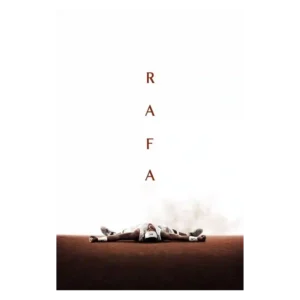
Rafa, Season 1
Where It Has the Edge
No clear scored advantage over the other product.

Scorata scores summarize analyzed review evidence on a 1–5 scale; they are not laboratory measurements or a simple average of customer star ratings. Feature scores summarize the reviews covering that feature. The overall score averages feature scores within each review, then combines review averages. When both expert and customer evidence are available, those two groups receive equal weight. Products can have different review coverage, so small score gaps do not establish a winner.
Recommendations prioritize important features for the category, with a score of at least 3.5, a gap of at least 0.25 points and at least two supporting reviews per product. Features with widely varying scores or broad connectivity contexts are excluded from recommendations. These safeguards do not establish statistical significance.
Quick verdict
The available evidence supports the recommendation below, but does not establish an overall winner. Check the remaining features against your priorities.
There is not enough comparable review evidence to recommend Rafa, Season 1 over the other product.
Choose Death of the Pastor’s Wife for character development and directing quality.
No clear scored advantage over the other product.
Scores are out of 5. Missing scores mean missing review evidence, not a missing feature.
Several viewers felt Rafa finds fresh angles on a heavily documented athlete, especially by showing new sides of Nadal the man. Its originality comes less from surprise events than from reframing familiar career moments around pain, doubt, and endurance.
One reviewer notes that seasoned true-crime viewers may find the underlying story familiar, limiting its sense of originality.
The season’s emotional heaviness is part of its identity, but it can make the four-part arc feel laborious. The story often favors solemn reflection over lighter momentum.
The pacing is mostly praised as lean and not annoyingly bloated, with the depth generally seen as enough to justify three episodes.
The opening is designed around Nadal preparing to announce retirement, giving the season an immediate emotional hook. That framing quickly signals that the story is about how he reaches acceptance, not just how many titles he won.
The opening episode sets up an intriguing true-crime story, but its heavy reliance on secondhand accounts can leave the picture feeling incomplete.
Rafa is not a twist-heavy documentary, and one critic explicitly notes the lack of shocking turns. The real shift comes from the production itself changing from comeback story to acceptance story once injuries interrupt the plan.
One reviewer was repeatedly surprised as new developments entered the story, giving the documentary's revelations strong impact.
As a sports documentary, Rafa lands strongly for at least one critic because it teaches something new about a very famous athlete. It is treated as more than a celebration and as a compelling piece of sports storytelling.
True-crime fans are expected to find the series compelling, though the first episode’s reliance on secondhand accounts tempers that enthusiasm somewhat.
The media-pressure material shows how Nadal’s public image was shaped by coverage of rituals, retirement rumors, and press expectations. It adds context to the gap between how he was watched and what he was privately experiencing.
One reviewer strongly praises the decision to keep conspiracy-driven true-crime speculation brief instead of letting it dominate the story.
The structure earns praise for weaving Nadal’s final season with earlier career chapters. The back-and-forth timeline lets his teenage rise, rivalries, injuries, and retirement mirror each other without turning into a simple chronology.
The material is praised for being organized into a clear linear story despite the case's large amount of detail.
The biggest clarity issue is Nadal’s inner drive: one critic felt the documentary explains what he achieved better than why he kept pushing. For viewers wanting a clean psychological answer, the portrait can feel just out of reach.
Several reviewers praise the chronological, linear presentation and overall context, while others flag abrupt transitions, unresolved questions, and important information they felt was missing.
Rafa gives a layered picture of Nadal as disciplined, anxious, resilient, and physically depleted. Some critics still wanted more access to his deepest motivations, but the strongest responses felt the series deepened the man behind the legend.
The series is praised for keeping Mica at the center through her voice, journals, footage, and loved ones’ accounts, helping her register as a full person rather than only a true-crime victim.
Zach Heinzerling’s direction draws praise for access, restraint, polish, and refusing to make the project feel like an infomercial. Even mixed reviews credit the focused study of decline and cost.
Julia Willoughby Nason and Mike Gasparro are praised for disciplined, careful direction that builds tension while resisting sensationalism.
Pacing is one of the clearest mixed points. Some critics admired the space given to recovery, doubt, and decline, while others found the series slow, overlong, or heavier than the material needed.
One reviewer felt some material within the episodes could be trimmed, even though the overall series remained highly engaging.
Access is one of Rafa’s defining strengths, from family interviews and rival commentary to home movies, archival footage, and locker-room vulnerability. Even critics who wanted more perspective acknowledge how close the camera gets.
Interviews, journals, footage, and family testimony are major strengths, but this is also the biggest recurring criticism: some reviewers wanted missing participants, more context, or material Netflix left out.
The season works best when it treats Nadal’s final run as a story about identity, aging, and release rather than a trophy reel. A few critics felt the retirement arc lacked a dramatic engine, but most found the personal framing compelling.
The storytelling is repeatedly called engrossing, compelling, riveting, and engaging. Criticism centers more on missing context than on the core narrative itself.
The documentary is generally praised for not sanding away the costs of Nadal’s choices. It discusses painkillers, Toni Nadal’s methods, and the family toll without fully condemning or glorifying the decisions.
Reviewers consistently praise the series for showing how church leadership, community loyalty, and legal gaps can protect powerful people while victims remain unsafe.
The suspense comes from uncertainty rather than twists: is Nadal preparing for another comeback, or for goodbye? That quiet unknown gives the final-season footage its tension.
Reviewers repeatedly describe the series as gripping, riveting, nail-biting, and immediately hooking, even though its real-life subject makes that tension uncomfortable.
The emotional pull is a major strength, built from pain, retirement dread, family support, and the awe of Nadal’s sacrifice. Even more critical pieces describe moments of despair or agony that are hard to look away from.
The emotional response is exceptionally strong: reviewers call the series shocking, haunting, heartbreaking, infuriating, nauseating, and difficult to shake.
Rafa’s realism comes from showing aging, injury, doubt, and private vulnerability without turning every scene into triumph. Several critics valued how plainly it shows the cost of elite sport.
One reviewer specifically praises the series as an accurate glimpse into coercive control and domestic violence that can otherwise remain hidden.
Theme depth is the series’ strongest throughline: critics repeatedly focus on suffering, aging, identity, anxiety, sacrifice, and the cost of greatness. The main caveat is that a few still wanted more distance or insight into Nadal’s deepest motivation.
The strongest thematic praise centers on coercive control, faith, abuse, power, and institutional complicity. One reviewer wanted the religious dimension explored more fully.
Editing is a bright spot, especially the clean transitions between archival footage and the final-year material. The series is praised for making its timelines and footage sources coexist smoothly.
Editing receives strong marks for effective archival integration, purposeful repetition, and turning a large amount of material into a clear linear story.
Season length is split: some call the four-part deep dive too much for casual viewers, while another says the four hours are well spent. The length works best for Nadal fans or viewers drawn to the emotional story.
Views are mixed on the three-episode length: some argue the story needs more room, while another reviewer wonders whether the material could have worked as a single film.
The cinematography is praised through the behind-the-scenes production account, especially the ability to capture intimate, tight-space moments. The result is described as a more engrossing cinematic experience.
One reviewer praised the lighting and generally attractive photography while noting some awkward interview camera angles.
Critical enthusiasm is strongest from outlets that call it revealing, top-tier, or unusually fresh. Its appeal comes from finding new dimensions in a subject many fans thought they already knew.
Reported reception is mixed in one source, with some viewers or commentators applauding the presentation while others were strongly put off by it.
The show reaches beyond hardcore tennis fans when it leans into aging, identity, resilience, and letting go. Still, its best fit is clearly Nadal devotees, competitive players, and viewers comfortable with a solemn deep dive.
Recommendations are overwhelmingly positive, with multiple critics calling it gripping, must-watch viewing. One reviewer was more moderate at three out of five, especially for viewers already familiar with the case.
The visual presentation is polished and sometimes striking, with praise for Rafa-on-court imagery and overall audiovisual craft. One critic’s caveat is that the luxurious surface can make the portrait feel too close and glossy.
One reviewer praises the polished high-resolution imagery, attractive presentation, and small visual details in the stylized shots.
Entertainment value is strong for viewers who want an emotional character study, with several critics calling it compelling or worth watching. It is less ideal for anyone expecting constant match action or a breezy sports montage.
Despite the harrowing subject, reviewers repeatedly call the series riveting, engrossing, compelling, engaging, and hard to stop watching.
The three-part format is repeatedly described as easy to keep watching, with reviewers saying viewers may move quickly from one episode to the next.
The documentary draws a clear line between young Nadal and older Nadal through repeated habits, rituals, and competitive instincts. That consistency helps the later decline feel connected to the same mentality that made him great.
The standout cliffhanger note comes from the reveal of Novak Djokovic at the end of an episode. It gives Nadal’s rivalry history a sharp serialized tease.
The contemporary and archival strands are described as blending smoothly. That continuity helps the series move between young Rafa and retiring Rafa without feeling disjointed.
As sports drama, Rafa has moving highs, lows, and intimate hardship, but not everyone finds it thrilling. Its drama is quieter and more observational than a rousing underdog story.
One reviewer thought some material within the episodes could be shaved off, suggesting the installments could be tightened slightly.
Most reviewers praise the respectful, victim-centered handling and care around unresolved facts. A smaller number question contextual omissions or the ethics of packaging real suffering as true-crime entertainment.
The family-content assessment is cautious because the episode deals with infidelity, suicide, and sexual activity alongside its faith-centered material.
The closing stretch lands best when it lets viewers sit with the private retirement decision and Rafa’s family life. The final emphasis on refuge, health, and a life beyond tennis gives the farewell a tender payoff.
Humor is uneven. Decider and Tucson note funny, humanizing moments around young Rafa and his team teasing him, while The Guardian felt the series has almost no levity.
The career-history material gives fans a solid sweep of Nadal’s defining moments and rivalries. It is most effective when the historical chapters feed the final-season story rather than simply listing achievements.
The final chapter is praised for shifting the focus from titles to quality of life. It brings the season’s suffering-versus-success theme to a clear emotional resolution.
One critic found the storytelling too plain, arguing that the series leaves little subtext beneath its champion-and-sacrifice thesis. That makes the documentary clear, but not especially layered in its writing.
A broad group of reviewers see the series as useful for recognizing coercive control, grooming, spiritual abuse, warning signs, and institutional failures that can leave victims unprotected.
Nadal’s on-camera presence divides critics slightly: one finds him guarded and bland, while another finds his humility and self-deprecation charismatic. The guardedness itself becomes part of the portrait.
The soundtrack gets a direct compliment for its musical selection. Music is one of the craft details that helps the documentary feel carefully finished.
Mery, Toni Nadal, and the rival players add memorable texture, with Mery often singled out as a standout emotional presence. Toni’s sections are compelling and uncomfortable, while one critic thought the Federer and Djokovic appearances stay too superficial.
The documentary is described as well put together overall, with polished presentation offset by a few odd camera choices.
The sound side is folded into praise for the documentary’s overall audiovisual craft. It is not discussed often, but the available response is clearly positive.

Best for sharp adult humor, magnetic chemistry and a deeply satisfying farewell. Skip it if familiar will-they-won’t-they plotting or deliberately messy leads are dealbreakers.
Pros: season pacing, episode structure
Cons: none
Choose Season 15 for warm, character-driven comedy, meaningful growth, and a finale that rewards longtime fans. Skip it if the short binge format, uneven replacement voices, or occasional clumsy commentary...
Pros: episode structure, season finale quality
Cons: release schedule, bingeability
Choose The Pitt Season 2 for a gripping, realistic medical drama with superb acting and emotional depth. Skip it if graphic procedures, unresolved arcs, or slower character-driven pacing bother you.
Pros: episode structure, main cast performance
Cons: age appropriateness, plot clarity

Best for powerhouse performances, thorny character work, and a tense revenge mystery that grows richer as it goes. Skip it if abuse, trafficking, graphic violence, or deliberately messy moral questions...
Pros: episode structure, supporting cast performance
Cons: cinematography, sexual content level