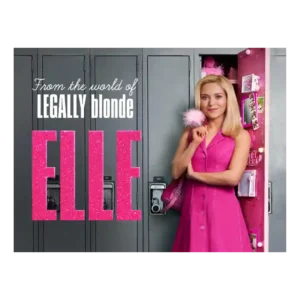

Elle, Season 1
Where It Has the Edge
No clear scored advantage over the other product.

Scorata scores summarize analyzed review evidence on a 1–5 scale; they are not laboratory measurements or a simple average of customer star ratings. Feature scores summarize the reviews covering that feature. The overall score averages feature scores within each review, then combines review averages. When both expert and customer evidence are available, those two groups receive equal weight. Products can have different review coverage, so small score gaps do not establish a winner.
Recommendations prioritize important features for the category, with a score of at least 3.5, a gap of at least 0.25 points and at least two supporting reviews per product. Features with widely varying scores or broad connectivity contexts are excluded from recommendations. These safeguards do not establish statistical significance.
Quick verdict
The available evidence supports the recommendation below, but does not establish an overall winner. Check the remaining features against your priorities.
There is not enough comparable review evidence to recommend Elle, Season 1 over the other product.
Choose Berlin and the Lady with an Ermine, Chapter 2 for character consistency and humor.
No clear scored advantage over the other product.
Scores are out of 5. Missing scores mean missing review evidence, not a missing feature.
Character consistency is the central canon problem. Teenage Elle learning the same lessons before Harvard makes the original film harder to reconcile, unless this is treated as its own version of Elle.
Berlin’s contradictions and flamboyant instincts remain recognizable, though his repeated recklessness can feel like a failure to learn from earlier mistakes.
The humor rarely reaches Legally Blonde levels. Light comic energy and June Diane Raphael’s lines help, but the season often plays too mildly or too dramatically for a comedy.
A playful refusal to take the criminal fantasy too seriously gives the series much of its charm.
The pilot is one of the shakier entries. It starts with some promise but leans so heavily on the movie’s setup that the season has to recover its own identity later.
The opening episode receives a confident stream recommendation for its charm, setup, and promising double-cross.
The franchise connection is both the hook and the problem. Nods to Legally Blonde can be charming, but constant callbacks, a repeated arc, and shaky prequel logic hurt the season.
Some see a lively continuation of the Money Heist spirit; others think the familiar formulas now reveal clear franchise fatigue.
Originality is the season’s biggest weak spot. The plot often feels like a repeat of Legally Blonde or a collage of familiar teen-movie beats, even though the high-school setup has occasional charm.
The season adds a double-cross, emotional tragedy, and new setting, but familiar franchise rhythms still create déjà vu for some critics.
The finale lands somewhere between encouraging and unnecessary. Warmer takes see a clearer teen-dramedy identity, while skeptics think the eighth episode does not add enough.
The heist payoff, wedding, and emotional resolution are considered earned and unexpectedly affecting.
The season finale gives the show a more confident teen-dramedy shape for some viewers. Others find the last hour less necessary than the episode before it.
The ending successfully converges the heist, romance, and tragedy into a memorable emotional payoff.
The screenplay works best when Elle makes sincere mistakes and solves problems with fashion-specific smarts. At its weakest, it feels like a strained attempt to recreate the movie instead of expanding it.
The screenplay can blend character and caper material effectively, but its crowded middle and repetitive formulas undermine the stronger ideas.
Drama quality depends on the storyline. Family and friendship beats carry genuine feeling, but the love triangles and teen melodrama are often clunky, predictable, or hard to invest in.
Romantic complications and loss create real dramatic pull, though some critics feel melodrama overwhelms the heist without enough depth or consequence.
The performances are generally stronger than the writing. Minetree’s charm and precision draw praise, though some moments feel closer to a Reese Witherspoon echo than a fully independent take.
Pedro Alonso’s commanding, theatrical performance is the clearest point of agreement, with his charisma repeatedly credited for keeping the season alive.
The story works best when treated as a soft teen dramedy rather than strict canon. Its sweet moments and easy watchability sit beside major complaints that it feels thin, repetitive, and sometimes pointless.
The double heist and human stakes can be highly engaging, yet contrivance, repetition, and underdeveloped ideas keep the overall story from earning consistent praise.
Dialogue is a recurring weak point. Wooden exchanges, weak wordplay, and missed joke opportunities keep the show from matching the sharpness associated with Legally Blonde.
Witty banter lands well in stronger scenes, but exaggerated romantic dialogue can become heavy and slow the pace.
As a spin-off, Elle is often seen as unnecessary or misdirected. It works best as a separate YA show, while the Legally Blonde label creates expectations it struggles to meet.
The season is either a charismatic return to form or a forced, divisive continuation, depending on how much patience viewers have for melodrama.
Bingeability is surprisingly decent for viewers who accept the soft YA tone. The season can be weekend-friendly and easy to devour, though less invested viewers may treat it as background TV.
The combination of twists, romance, and fast-moving crime drama proved highly bingeable, with some viewers watching through the night.
Theme depth is mixed. The show clearly celebrates kindness, confidence, and feminine self-expression, but those ideas can feel less fresh or less nuanced than they did in the original film.
The season ranges from light escapism to a surprisingly thoughtful meditation on love, art, control, and the masks people use to hide loneliness.
Interest in more episodes is limited but real among people who bought into this version. Excitement for Season 2 centers on the relationships, while doubts remain about whether the premise can stretch further.
One critic sees a formula with plenty of life, while another believes the wider franchise has exhausted its creative drive.
Individual episodes often feel slower than the premise suggests. The lighter teen-comedy ideas can get weighed down by hourlong installments and repeated plot turns.
The reconnaissance episode raises stakes efficiently, but the middle stretch is repeatedly criticized for dragging and producing fatigue.
Genre satisfaction is strongest for viewers wanting a breezy teen dramedy. It is much weaker as a Legally Blonde comedy, where repeated tropes and a lack of fresh sparkle disappoint.
The strongest reviews enjoy the clever cons and high-stakes caper energy, while detractors miss the sustained tension of a sharper heist drama.
The mystery material is divisive. The school-embezzlement and Scooby-gang elements add momentum for some, while others find the sleuthing lazy or distracting.
Vault danger and tight reconnaissance scenes generate real tension, but romance-heavy stretches reduce the sustained pressure expected from a heist series.
The structure works best when an episode commits to a playful teen-TV format, especially the Breakfast Club-style chapter. The late-season shape is bumpier, with twists that can feel artificial.
Multiple romantic subplots crowd the heist in the weaker episodes, leaving the season overstuffed and occasionally filler-heavy.
Character growth is strongest when Elle changes Seattle without losing herself and when supporting relationships mature naturally. The main drawback is that this growth can make her later movie arc feel repetitive.
Berlin and several emotional arcs gain meaningful texture, but critics disagree on whether the supporting characters truly grow or remain thin romantic functions.
The season can improve after a slow start and, for some, moves easily as a binge. For others, the storylines drag and stretch far past their natural length.
Personal stories sometimes enrich the action, but expanded romantic subplots also create a noticeable midseason slowdown.
The school-corruption mystery, romances, and family material can crowd each other. The result is a season that sometimes feels muddy or convoluted instead of cleanly focused.
Too many competing ideas and side stories sometimes obscure which material truly serves the central heist.
Season length feels bloated to many skeptics, especially for a story some think would work better as a movie. The eight-episode binge is breezy only for viewers already buying into the tone.
The season is judged roughly 40 minutes too long, with trimming needed across the middle episodes.
The strongest emotional material comes from Elle’s optimism and her relationship with her mother. Those moments give the season warmth even when the larger prequel premise strains.
The finale and Cameron’s fate hit hard for positive reviewers, even as a harsher critic found much of the season emotionally forgettable.
Chemistry is one of the show’s better-liked qualities. Elle’s friendships, family bond, and a few romantic pairings give the ensemble warmth when the plot feels familiar.
Berlin and Candela’s spark is widely praised, while the crew’s broader group dynamic receives a more divided response.
Realism is frequently shaky. Anachronistic dialogue, a caricatured Seattle student body, and far-fetched plot turns make the 1995 setting feel more like costume than lived-in world.
The episode’s weakest logic relies on obvious plot protection that makes Berlin brilliant by making the police look incompetent.
Entertainment value is sharply mixed. At its best, the season is charming, enjoyable, and easygoing; at its worst, it is boring, unnecessary, or only useful as low-pressure background viewing.
Most positive reactions describe the season as irresistible escapist fun, playful enough to make its excesses part of the appeal.
Audience appeal depends heavily on tolerance for nostalgia and YA tropes. The season can suit Legally Blonde fans or teen-drama watchers, but its target audience is not always clear.
Viewers turned the series into a major streaming hit, although professional reactions ranged from enthusiastic recommendations to sharp disappointment.
Critical appeal leans mixed-negative overall. Charm from the lead and a few breezy moments competes with low grades, skip recommendations, and doubts about lasting attention.
Critical response is sharply divided: some celebrate the emotional ambition, while others see a tired, unnecessary extension of the franchise.
Costumes are memorable but contested. Minetree’s pink wardrobe draws affection, while the 1995 grunge and teen clothes are often called anachronistic or overly broad.
Elegant costumes reinforce the show’s luxurious, theatrical approach to crime and romance.
The visual style makes the pink-against-gray contrast easy to read. Some like the bold palette shift, while others find the Seattle look drab, sludgy, or not vibrant enough.
Glossy sunlight, elegant clothing, polished locations, and heightened romantic imagery remain among the season’s most dependable strengths.
Production design gets modest but real praise for contrasting sunny LA with gray Seattle. The broader look is more often judged through the costumes, palette, and 1990s setting.
Seville’s lavish locations and opulent castle give the new heist an attractive, upscale backdrop.
World-building is one of the show’s most debated choices. The Seattle grunge setting can be fun and distinctive, but the school and city often feel flattened into flannel-heavy stereotypes.
Seville and the expanded criminal circle bring fresh texture, though some critics feel the larger Money Heist universe gains little meaningful growth.
Lexi Minetree is the clear bright spot. Even when the season disappoints, her warmth, optimism, vocal precision, and Elle-like mannerisms often keep the show watchable.
Pedro Alonso earns unanimous praise as a magnetic lead who can carry even the season’s weaker material.
The soundtrack is one of the more dependable pleasures for nostalgia-minded viewers. The caveat is that some needle drops and grunge references feel too obvious or not specific enough.
The death scene benefits from musical restraint, avoiding an overbearing heroic cue and letting the silence carry the emotion.
The supporting cast is uneven but valuable. June Diane Raphael gets the steadiest praise, Gabrielle Policano stands out, and the ensemble often works better than the material around it.
Candela, the Duke, and Cameron make strong impressions, though weaker writing leaves parts of the ensemble underused or flattened.
Berlin’s reckless leadership is criticized early, but the season eventually allows serious consequences to puncture the crew’s glamorous criminal world.
Tight framing heightens claustrophobia, while the glossy, sun-drenched imagery preserves the franchise’s polished visual identity.
Continuity is a major sticking point. The show works best as an alternate-universe comfort watch; taken as a literal prequel, it creates plot holes and undercuts the film.
Representation draws both praise and concern. The LGBTQ material and Liz’s humanity work well for some, while the handling of race, class, and alt-culture dynamics can feel shallow.
Cameron’s death is singled out for restrained, haunting direction that avoids pushing the emotion too aggressively.
Episode length is a common frustration. The 45- to 60-minute installments can make a light teen comedy feel padded, with several moments that would likely play better at half-hour length.
Faithfulness to Elle Woods’ spirit is contested. The show understands her kindness and optimism in places, but its prequel shape can also strip force from what made the movie special.
The season can add texture to the Legally Blonde universe when it shows Elle’s privilege and the consequences of her mistakes. That thread is less prominent than the broader canon complaints.
Several reviewers enjoy the clever reversals, especially Samuel’s reveal, while one critic finds the twists increasingly mechanical.
The restrained use of music during Cameron’s death strengthens the scene instead of forcing an emotional response.

Best for sharp adult humor, magnetic chemistry and a deeply satisfying farewell. Skip it if familiar will-they-won’t-they plotting or deliberately messy leads are dealbreakers.
Pros: humor, writing quality

Choose Season 15 for warm, character-driven comedy, meaningful growth, and a finale that rewards longtime fans. Skip it if the short binge format, uneven replacement voices, or occasional clumsy commentary...
Pros: franchise connection, character development

Choose The Pitt Season 2 for a gripping, realistic medical drama with superb acting and emotional depth. Skip it if graphic procedures, unresolved arcs, or slower character-driven pacing bother you.
Pros: realism, emotional impact

Best for powerhouse performances, thorny character work, and a tense revenge mystery that grows richer as it goes. Skip it if abuse, trafficking, graphic violence, or deliberately messy moral questions...
Pros: main cast performance, character development
Cons: pilot episode quality