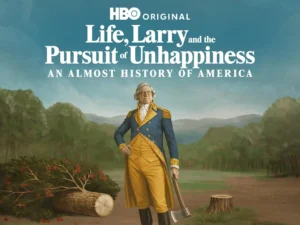

Life, Larry, and the Pursuit of Unhappiness, Season 1
Where It Has the Edge
No clear scored advantage over the other product.

Scorata scores summarize analyzed review evidence on a 1–5 scale; they are not laboratory measurements or a simple average of customer star ratings. Feature scores summarize the reviews covering that feature. The overall score averages feature scores within each review, then combines review averages. When both expert and customer evidence are available, those two groups receive equal weight. Products can have different review coverage, so small score gaps do not establish a winner.
Recommendations prioritize important features for the category, with a score of at least 3.5, a gap of at least 0.25 points and at least two supporting reviews per product. Features with widely varying scores or broad connectivity contexts are excluded from recommendations. These safeguards do not establish statistical significance.
Quick verdict
The available evidence supports the recommendation below, but does not establish an overall winner. Check the remaining features against your priorities.
There is not enough comparable review evidence to recommend Life, Larry, and the Pursuit of Unhappiness, Season 1 over the other product.
Choose The Pitt, Season 2 for critic appeal and season length.
No clear scored advantage over the other product.
Scores are out of 5. Missing scores mean missing review evidence, not a missing feature.
Editing is one of the clearest complaints in the first-episode review. Several jokes are described as overstretched, with a tighter cut seen as a major missed opportunity.
Editing is repeatedly praised for clarity and flow inside the chaotic ER. Critics call it sharp, fluid, and essential to making many simultaneous plotlines feel understandable.
Renewal interest is weak. One reviewer jokes they might be ready for another season only in another 250 years.
Renewal interest is strong. Even mixed finale reactions often end with curiosity about Season 3 and where the characters go next.
The seven-episode run is viewed as too much for the concept by some critics. One suggests a special could have distilled the best ideas, while another says the first episode suggests only enough steam for about three.
Season length is viewed as a virtue. Reviewers appreciate the 15-episode, hour-by-hour design, with one wishing the show ran even longer.
As sketch comedy, the season is repeatedly described as hit-or-miss. Even sympathetic critics acknowledge unevenness, while harsher ones say the misses dominate.
As a medical drama, Season 2 is considered excellent by most reviewers. It satisfies genre expectations through competency, urgency, and empathy while avoiding many glossy TV-doctor shortcuts.
The show’s handling of race and history is mixed. Some appreciate that it avoids making slavery itself the joke, while others find certain sketches too timid or uncomfortable.
Representation is noted through the diverse medical staff and the show’s attention to race, immigration, and night-shift casting. Some viewers are alert to patterns in who exits or gets centered, but the ensemble breadth is still valued.
Season pacing suffers from repetition across episodes. Critics say fatigue is almost guaranteed as the same sketch engine repeats.
Season pacing is generally praised for avoiding a sophomore slump and keeping the weekly, real-time format moving. One video reviewer notes the release is weekly rather than binge-style, which shapes how the momentum lands.
Reviewers caution against bingeing it. The sketch formula is said to work better as a weekly treat because repetition becomes more obvious in stacked viewing.
Bingeability and appointment-viewing appeal are both strong. Reviewers say the season is addictive, easy to race through, and compelling enough to make weekly viewing feel necessary.
Direction gets modest credit when the show finds usable comic bits, but the short-form sketch format is also blamed for scenes that cannot glide past weak details.
Direction is praised for keeping the tone controlled and consistent. Reviewers notice that the show can move from chaos to quiet character moments without losing its rhythm.
Writing is the most persistent weakness. Reviews repeatedly cite recycled Curb bits, stale sketches, thin material, and jokes that do not build far enough.
Writing is admired for its structure, empathy, and smart second-season choices, but not without caveats. Several reviewers mention occasional didacticism, heavy-handedness, or melodramatic lines.
Reviewers like the idea of packing multiple sketches into each half hour, but many say the format exposes the sameness of the core joke.
The real-time structure remains one of the show’s biggest strengths. Reviewers say it feels clever, immediate, and like proper episodic TV rather than a gimmick.
The dialogue has the loose, improvised rhythm associated with Curb. That can create sparks with longtime partners, though it also contributes to a shaggy feel.
Dialogue is praised for helping the season stay grounded. Reviewers describe the conversation and medical exchanges as convincing rather than artificially melodramatic.
Pacing is one of the most repeated complaints. Even positive reviews note long or repetitive sketches, and negative reviews call the show slow, tedious, and stretched past its punchlines.
Episode pacing earns strong marks for urgency, real-time momentum, and jam-packed medical plots. The main caveat is that the premiere and early stretch can feel slower or more table-setting before the season settles in.
Humor is the central divide: admirers call it reliably fun or very funny, while detractors say it is cringey, stale, or short on actual punchlines.
Humor is a quiet strength: reviewers mention gross-out laughs, workplace quips, and a deceptively funny tone that offsets the heavy medical drama. It does not turn the show into a comedy, but it keeps the intensity watchable.
Originality is a major weak point. The historical premise is sometimes called clever, but many critics say the jokes and structure feel familiar, formulaic, or directly recycled.
Reviewers mostly admire the season’s refusal to simply repeat the first season’s mass-casualty escalation, with several calling the smaller-crisis approach smart. The main reservation is that some beats feel familiar after Season 1.
Thematic ambition is mixed. Some critics appreciate the topical bite and irreverent view of American history, while others say the political commentary is safe, strained, or too clumsy.
Theme depth is a standout, especially around healthcare strain, patriotism, trauma, AI, immigration, and who deserves care. Some reviewers find the topicality blunt, but most see it as central to the show’s force.
The first episode receives a weak response from the dedicated episode review, which says it struggles to manage David’s comedy and stretches several sketches too far.
Premiere reactions are positive but slightly tempered. Reviewers describe the first hour as a solid foundation and high-stakes comfort food, though one video reviewer calls the opening episode rocky.
The story concept has obvious appeal: Larry David interrupting American history can be clever and funny. The recurring complaint is that the concept often does more work than the sketches themselves.
Story reactions are highly positive overall: reviewers like that Season 2 keeps the hospital-shift engine working without needing another giant disaster. A few later writeups think some scenes or story choices land less cleanly, but the season is still seen as strong television.
Larry remains almost aggressively consistent from sketch to sketch. Some reviewers find that comforting, but many say the same persona quickly turns predictable.
Character consistency is mostly respected because the show lets people grow while keeping their flaws intact. A few reviewers object to specific choices, including one complaint that some characters are pushed too hard.
Chemistry is one of the brighter spots, especially when David is paired with familiar collaborators like Jerry Seinfeld, J.B. Smoove, or Susie Essman.
Cast chemistry remains a selling point, with reviewers pointing to the ensemble’s collective energy and the way new characters fold into the team. The show’s crowded ER setting works because the cast feels connected.
The show’s best craft notes involve its period recreation, with one reviewer praising authentic-looking slices of American life.
Realism is one of the strongest points of agreement. Reviewers consistently describe the hospital work, medical chaos, and emotional exhaustion as authentic, immersive, and sometimes almost too intense.
Critical response is sharply divided but leans skeptical. A few reviewers admire the high points, while the harshest call it a shambles or a formulaic letdown.
Critic appeal is exceptionally high, with multiple writers calling it one of the best shows on television. The praise is not unanimous, but the overall critical center is very strong.
The strongest appeal is for longtime Curb or Larry David fans, with several reviewers saying that audience will enjoy the familiar persona. Others warn that viewers tired of his style may find the show grating.
Audience appeal is broad among critics and video reviewers, who describe the season as must-watch, welcoming to Season 1 fans, and still exciting from the trailer stage. The main warning is that it remains intense and medically graphic.
One critic says the show is aimed at adults rather than younger viewers, mainly because the profanity makes it unsuitable for minors.
Content intensity may be too much for sensitive viewers. Several reviews describe graphic procedures and imagery that could make weaker-stomached viewers queasy.
Entertainment value depends heavily on tolerance for Larry David’s familiar shtick. One reviewer enjoyed every second, while others found the show skippable or nostalgic rather than satisfying.
Entertainment value is high even when the material is grim. Reviewers call the season fun, engrossing, absorbing, comforting, and relentlessly watchable.
Performances draw a split response: David is seen as serviceable when he actually acts, while Jurnee Smollett earns clearer praise in the first episode.
Acting is a major consensus strength. Critics and video reviewers repeatedly describe the cast as excellent, magnetic, and fully believable inside the hospital environment.
Main performances are uneven but not without standouts. Obama’s comic timing receives strong praise, while David’s familiar screen persona is both the engine and the limitation.
Noah Wyle’s main performance is repeatedly singled out as a major reason the season works. Reviewers call Robby the emotional anchor and praise Wyle’s work as intense, vulnerable, and award-worthy.
The supporting cast is consistently called impressive, loaded with comedy names and often smartly deployed. Several reviewers still feel the cast is better than the material.
The supporting cast gets unusually broad praise, from Katherine LaNasa and Sepideh Moafi to newer night-shift characters. Even mixed reviews tend to describe the ensemble as strong and full of life.
The show expands Larry David’s world to all of American history, which gives it a broad comic canvas even when the character stays the same.
The hospital world feels immersive enough that viewers talk about being stuck inside the shift with the characters. Later episodes also suggest fresh night-shift angles that could expand the show’s world.
The visual style benefits from period recreations and occasional less-stagey direction. Reviewers generally like the look more than the sketch writing.
The visual style is grounded rather than flashy, with praise for Pittsburgh scenery, tight hospital shots, and a well-shot real-time feel. Some viewers warn that the medical imagery can be intense.
Production design earns some of the steadiest praise. Reviewers point to high production values, period settings, trenches, the Alamo, costumes, and makeup as stronger than the writing.
Production design supports the show’s realism through an unglamorous, overcrowded hospital environment. Reviewers value that the setting feels functional and pressured rather than polished for spectacle.
Character development is one of Season 2’s clearest strengths, especially as returning rookies mature and Robby’s trauma becomes more complicated. Some complaints focus on supporting characters who still feel underused or compressed.
Cinematography and camera movement receive direct praise for making the ER feel immediate and lived-in. Reviewers like the dynamic camerawork, close fluorescent style, and immersive shooting approach.
Continuity with Season 1 is handled confidently. Reviewers like that the show carries forward trauma, relationships, and the real-time format without needing to reset or over-explain itself.
Drama quality is widely praised, with reviewers calling the season gripping, intense, humane, and emotionally forceful. Even quieter episodes are treated as serious, confident medical drama rather than filler.
The emotional impact is one of the season’s defining traits. Reviewers repeatedly mention heartbreak, empathy, trauma, and powerful patient or staff moments, though a few emotional beats are called corny or unresolved.
Finale satisfaction is split. Some reviewers accept the quieter, unresolved ending as emotionally realistic, while others felt disappointed that the episode pulled back and left too little resolved.
Individual sketches are often judged too long for their premises. The Rosa Parks bit, for example, is described as funny in concept but better at three or four minutes than near ten.
The Curb connection is unmistakable, from callbacks to returning collaborators. Fans may enjoy the historical dress-up version, but others see it as recycled rather than refreshed.
The language is treated as adult-oriented, with one critic specifically saying there is too much profanity for minors.
The historical layer is often treated as a setup rather than deep substance. Some topical references land, but other reviewers say the show barely connects with actual history.
Makeup is praised alongside costumes and set design as part of the show’s polished period recreation.
One critic found the season frustratingly incomplete, saying it sets up promising storylines without paying off enough of them. That concern is narrow, but it stands out against the otherwise strong praise for the season’s storytelling.
Season-finale quality lands mixed-to-positive. One reviewer found the heavy emotional arcs extremely satisfying, another loved the final episode, and others thought the finale withheld too many answers.
The available effects note is positive, with VFX grouped alongside production design and costuming as part of the show’s authentic period look.
Suspense is strong even without a single defining catastrophe. The season builds pressure through ticking clocks, repressed tension, and the sense that every hour could expose another breaking point.
The season is described as bloodier and medically graphic, but not empty shock value. Reviewers frame the gore as part of the show’s immersive hospital realism.
The period costuming and makeup are praised as part of the show’s surprisingly polished craft, helping each historical sketch look more complete.
Rewatch value is strong among the most enthusiastic reviewers. One critic calls the realism and competence-porn balance enormously rewatchable, while a video reviewer says they could watch for half the year.

Best for sharp adult humor, magnetic chemistry and a deeply satisfying farewell. Skip it if familiar will-they-won’t-they plotting or deliberately messy leads are dealbreakers.
Pros: humor, writing quality

Choose Season 15 for warm, character-driven comedy, meaningful growth, and a finale that rewards longtime fans. Skip it if the short binge format, uneven replacement voices, or occasional clumsy commentary...
Pros: franchise connection, character development

Best for powerhouse performances, thorny character work, and a tense revenge mystery that grows richer as it goes. Skip it if abuse, trafficking, graphic violence, or deliberately messy moral questions...
Pros: main cast performance, character development
Cons: pilot episode quality

Best for sharp jokes, standout performances, and a warm, emotionally satisfying goodbye. Skip it if you most valued the pricklier Deborah-Ava conflict and biting Hollywood satire; the final season is...
Pros: humor, finale satisfaction
Cons: realism, season pacing