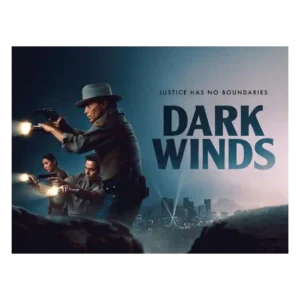

Dark Winds, Season 4
Where It Has the Edge
- season pacing is 3.7 vs 2.5. The pacing leans slow-burn, and that works for many reviewers once the tension builds. Others say the middle...

Scorata scores summarize analyzed review evidence on a 1–5 scale; they are not laboratory measurements or a simple average of customer star ratings. Feature scores summarize the reviews covering that feature. The overall score averages feature scores within each review, then combines review averages. When both expert and customer evidence are available, those two groups receive equal weight. Products can have different review coverage, so small score gaps do not establish a winner.
Recommendations prioritize important features for the category, with a score of at least 3.5, a gap of at least 0.25 points and at least two supporting reviews per product. Features with widely varying scores or broad connectivity contexts are excluded from recommendations. These safeguards do not establish statistical significance.
Quick verdict
The review evidence points to a tradeoff: season pacing versus cast chemistry. Choose according to which strengths matter more to you; the overall score alone does not settle that choice.
Choose Dark Winds, Season 4 for season pacing.
Choose It’s Not Like That, Chapter 1 for cast chemistry.
Scores are out of 5. Missing scores mean missing review evidence, not a missing feature.
Season 4 is described as connected to both earlier character arcs and the already-ordered fifth season. Reviewers note that prior relationships, trauma, and storylines continue to shape the new case.
A major drunk-driving crash is criticized for vanishing without a police report or consequences, creating a conspicuous break in narrative follow-through.
Family friendliness is limited by the show’s crime-thriller content. One reviewer notes no sex or nudity, but also a lot of profanity and violence.
Most viewers value the wholesome tone, limited profanity, restrained sexual content, and focus on family. Mature themes and a few moral objections mean it is not universally suitable for children.
Violence is prominent, including shootouts, blood, kidnappings, torture threats, and action scenes. Reviewers generally treat the intensity as part of the season’s thriller identity.
The limited violence is generally appreciated, with only school wrestling and bullying flagged as mild concerns rather than dominant content.
Finale satisfaction is mostly positive but deliberately unfinished. Reviewers like the relationship movement and emotional payoffs, while also noting the finale leaves threads and a major next-season hook.
The finale is the clearest source of frustration, particularly Lori's romantic choice and the last-minute reversal of the hoped-for pairing.
Language is a content concern for sensitive viewers. The clearest content note says there is a lot of profanity.
Profanity is minimal and generally viewed as refreshingly restrained, although faith-focused guides still note occasional swearing as a content caveat.
The pacing leans slow-burn, and that works for many reviewers once the tension builds. Others say the middle stretch wanders or that the longer season creates uneven momentum.
The middle episodes are the weakest stretch for pacing, with criticism that the season becomes low-key, uneven, and less compelling week to week.
Reviewers repeatedly describe the season as distinctive in the TV mystery space, with the L.A. relocation and Navajo-centered noir helping it feel fresh. Even those noting familiar genre pieces tend to see the overall package as unusually specific.
The series often avoids an easy romantic resolution and can surprise viewers, but familiar child arcs, predictable tropes, and one strongly negative response limit the praise.
Episode-to-episode momentum gets a positive nod from critics who felt the show kept viewers on edge. The weekly rhythm is treated as measured rather than empty when the suspense is working.
The premiere moves confidently for some viewers, but others felt it races through exposition and romance before the relationships have enough time to settle.
Season length is a recurring caveat because the eight-episode structure can feel less tight than earlier six-episode runs. Critics who like the season still acknowledge that the extra room can create uneven pacing.
The eight-episode order frustrates viewers in opposite ways: one critic thinks the middle is padded, while another believes the season is far too short.
Plot clarity is the main soft spot: several reviews like the ride but say the conspiracy, villain backstory, or organized-crime thread could use more focus. The harshest review calls the season loose and underdeveloped.
The large ensemble is introduced clearly, while David's motives and parts of the marital history remain underexplained.
Sexual content appears low, with one reviewer explicitly noting no sex or nudity. Some unsettling sexual tension around Irene is discussed, but not as explicit content.
Sex is discussed or implied without graphic depiction, and several viewers praise the restraint. More conservative responses still object to dating and intimacy outside marriage.
Most reviews enjoy the twists, calling them earned, delightful, or part of the pulpy fun. The biggest caveat is that one critic found a key reveal too easy to predict.
The changing relationships and twists keep the story lively and increase anticipation for another season.
The cliffhanger is effective because it makes Season 5’s direction immediately clear while still landing as a surprise. The finale’s last murder especially gives the next chapter urgency.
The unresolved ending clearly points toward another season, though its payoff depends on future episodes following through.
Dialogue gets narrower but positive support through scenes where Leaphorn’s quiet monologues carry emotional weight. The season’s talkier moments work best when tied to violence, guilt, or cultural responsibility.
The strongest responses call the dialogue realistic and human, especially around grief and family conflict. One critic found it too close to sentimental or unnatural.
Acting is the most consistent strength across the reviews. McClarnon is singled out again and again, while Gordon, Matten, Potente, and the ensemble are credited with giving the season its power.
The cast is one of the clearest strengths, with customers repeatedly praising believable performances. A small minority found the acting poor or disliked specific casting choices.
Cultural representation is one of the season’s core appeals, especially around Native displacement, beliefs, and community responsibility. A dissenting review argues the show still could use more Diné language and cosmology.
Faith is usually praised as sincere, welcoming, and naturally woven into modern family life rather than preachy. A vocal minority rejects the inclusive Christian portrayal as inauthentic or overly progressive.
Character development is one of the clearest strengths, especially for Chee, Joe, and Bernadette. Most reviewers praise the deeper personal arcs, though one critic argues the arcs ultimately stall.
The adults and children receive distinct emotional struggles that make most of the ensemble easy to invest in. Detractors found some children unlikable and wanted serious problems addressed more responsibly.
Chemistry is mostly praised, especially between Chee and Bern and between McClarnon and Potente. One reviewer is less convinced by Chee and Bern as an established couple, preferring their earlier slow-burn tension.
Scott Foley and Erinn Hayes generate natural, lived-in chemistry that anchors the series, while the wider ensemble often feels like a believable interconnected family.
Bingeability looks solid because one reviewer watched all eight and still found enough in each episode to sustain interest. The season’s slow-burn style may play better when the momentum can accumulate.
Several viewers finished the season in two days or said they could not stop watching. Even a more critical response still watched the full run in hopes of a stronger payoff.
The period setting feels convincing to reviewers who notice the cars, clothes, facades, and lived-in environments. The L.A. scenes are praised for feeling immersive rather than artificial.
Grief, divorce, parenting, and faith usually feel messy, relatable, and emotionally honest. Negative responses question the pastoral behavior, consequences, and volume of issues packed into the story.
The drama works through personal strain as much as the case itself. Joe and Emma, Chee and Bern, and the pressure on the police trio give the season a heavier emotional charge.
The series balances grief, romance, parenting, and faith with warmth and meaningful stakes. Its quieter, earnest style can feel too sappy or subdued for viewers wanting sharper drama.
Suspense is a reliable strength, from the race to save Billie to the cat-and-mouse pressure around Irene. Reviewers describe dread, chase scenes, and episode hooks as key reasons the season keeps pulling forward.
Unpredictable choices and unanswered relationship questions keep viewers wondering what will happen next, supporting continued interest without turning the show into a thriller.
The season’s structure divides opinion: some like the balance between personal drama and the central case, while the negative review calls the framework loose. It lands best when the character material and investigation reinforce each other.
The pilot wins viewers over despite a noticeable explainer-heavy setup that sometimes feels like conventional premiere groundwork.
The finale earns some of the season’s strongest praise, including a critic calling it one of the best season finales in years. The recap also presents it as a tense wrap-up that still leaves room for Season 5.
The finale delivers an intense, tissue-worthy emotional experience, even though its romantic outcome divides the audience.
As a noir mystery and Western crime drama, Season 4 satisfies most critics. It is repeatedly described as one of TV’s best or most distinctive mystery shows, despite some story caveats.
It is widely seen as a welcome revival of warm multigenerational family drama, combining comfort-viewing appeal with contemporary emotional complications.
The cinematography is praised for pristine shots, haunting nighttime lighting, and visual confidence. Several critics see the season as a visual triumph as well as a character drama.
The picture is described as clean, steady, and professionally filmed, with clear visuals that avoid the murky darkness common in some dramas.
Humor appears in small, odd flashes rather than broad comedy. Reviewers respond to the season’s willingness to get weird, especially around Irene’s unsettling behavior.
Light banter, awkward family moments, and Foley's easy humor keep the grief-heavy story from becoming oppressive without turning it into a broad comedy.
Renewal interest is high: several reviews explicitly look forward to Season 5 or say the show still has plenty left. The final hook gives that interest a concrete reason.
Demand for another season is exceptionally strong, with many viewers explicitly asking for Season 2 and some wanting several more seasons.
The themes are unusually central: identity, cultural displacement, assimilation, justice, memory, and family all come through the reviews. Critics appreciate that the show can educate without turning into a lecture.
Grief, faith, divorce, addiction, parenting, and second chances are explored with compassion and few easy answers. Some viewers found the sheer number of issues excessive.
The screenplay-level praise focuses on twists, character arcs, and the writing staff’s ability to keep the mystery moving. A few plot concerns remain, but the better reviews still find the construction satisfying.
The script is praised as carefully thought out, with layered characters and emotional moments that serve more than the central romance.
The premiere makes a strong first impression with its violent diner setup and eerie closing crime-scene mood. One critic notes it starts a little slow, but still says it hooks hard by the end.
The opening episode is repeatedly described as charming, compelling, and an excellent start, even when its exposition feels compressed.
Direction receives strong praise, especially for McClarnon’s work behind the camera and the season’s memorable visual choices. Critics call out the diner aftermath and episode two as standout examples.
Brad Silberling's direction is singled out for helping the slice-of-life material feel polished, emotionally clear, and impactful.
Season 4 is widely praised as a strong, emotionally charged mystery, especially when the search for Billie and Joe’s personal reckoning drive the story. The main pushback is that a few critics find parts of the central conspiracy thin, generic, or less cohesive than earlier seasons.
The intertwined family story is widely praised as heartfelt, relatable, and compelling, with strong balance between adults and children. Critics cite clichés, overcrowded issues, and disappointing late choices.
The season has strong emotional pull, especially in Joe’s regret, Chee’s ceremony, and the relationships under strain. Multiple critics describe moments as heartfelt, moving, or tear-inducing.
Tearful, heartfelt moments are a defining strength, with grief and family scenes repeatedly described as moving, hopeful, and earned rather than manipulative.
World-building benefits from the L.A. move, the Native community center, and the 1970s setting, but not everyone thinks the expansion is fully used. The organized-crime side draws the most complaints for feeling underbuilt.
The interconnected households, church, school, and neighborhood feel fully formed quickly, making it easy to settle into the characters' shared lives.
Production design is a clear plus in the Los Angeles material. Reviewers praise the interiors, cars, building facades, and period details for making the 1970s setting feel lived in.
The overall production is described as polished and well made, reinforcing the sense that this is a higher-quality entry in faith-oriented television.
The visual style is moody, eerie, and more horror-tinged than before. Neon, red police lights, desert spaces, and L.A. period texture help the season stand out.
Clean imagery and thoughtful framing support the emotional tone, including a restrained apparition device that keeps Jenny's absence visually present.
Audience appeal is strongest for existing fans of Dark Winds and viewers who like atmospheric crime mysteries. The one sharp negative review suggests impatient viewers may be less forgiving.
Its warm, accessible style reaches beyond a strictly faith-based audience and resonates especially with families and viewers who have experienced grief or divorce.
This is adult-leaning TV, with violence and profanity outweighing the lack of sexual content. It is better suited to mature viewers than family viewing.
The restrained presentation suits many families with teens, but grief, self-harm, addiction, divorce, and other mature themes make it a questionable choice for younger children.
Critic appeal is broadly positive, with many reviews calling this one of the show’s best seasons. The main dissent centers on whether the season’s expansion weakens its focus.
Strong critical notices reinforce the show's appeal beyond its enthusiastic customer audience.
Entertainment value is high for most reviewers, who call the season thrilling, weird, pulpy, or worth streaming. Even its heavier themes are usually framed as part of an engaging crime drama.
The broad response is highly positive, with many calling it refreshing, comforting, and easy to enjoy. The harshest critics found it unrealistic, overstuffed, or not worth finishing.
The main cast is treated as the show’s anchor. Zahn McClarnon, Kiowa Gordon, and Jessica Matten receive repeated praise for carrying the emotional and investigative sides of the season.
Scott Foley and Erinn Hayes earn especially strong praise for vulnerability, warmth, and emotional clarity. One critic tired of Foley repeating the same tearful expression.
The supporting cast is a major draw, led by Franka Potente’s Irene and strong turns from newer or recurring players. One dissenting review finds Irene stiff and hollow, but most critics see her as a memorable addition.
The younger cast often earns standout praise for warmth, realism, and emotional range, particularly Cary Christopher and Caleb Baumann. One hostile response disliked how the children were presented.
Conflict resolution is usually presented as compassionate and constructive, but the drunk-driving crash drew sharp criticism for lacking police consequences or meaningful intervention.
Malcolm's choices are the main sticking point: critical viewers felt his behavior did not match the responsibilities of a pastor or attentive father.
Faithfulness to Hillerman is mixed and depends on expectations. One critic calls the show Hillerman-lite, while broader reviews treat the season as a loose adaptation that succeeds on its own terms.
The season is strongly tied to the larger series, carrying forward relationship fallout, Chee’s past, and the setup for Season 5. Reviewers generally see the franchise momentum as healthy.
Navajo culture, ceremonies, ghost sickness, and folklore give the season more than a standard crime-story frame. A minority view says the adaptation still lacks enough Diné cosmology and language.
The girls' wrestling storyline may feel contemporary and inclusive to some viewers, but it was also criticized as propaganda.
The score is called out for a sweeping, uneasy sound that mirrors the characters’ turmoil. It contributes to the season’s haunted, noir-leaning mood.
Costume design gets a direct rave for the L.A. episodes, especially the flare pants, button-up blouses, and Chee’s styling. The clothes help sell the city-bound 1970s shift.
Sound is used to make scenes creepier and more ominous, from the finale’s atonal booms to the eerie diner search. Reviewers notice how it deepens dread.
Parents appreciated the way the show encourages conversations about difficult issues, and one older viewer found its parenting lessons personally revealing.
Included Prime access makes the series feel like an excellent value and worthwhile use of time. Its initial add-on placement was harder to justify for less enthusiastic viewers.
The soundtrack is praised for well-placed songs and a period-appropriate musical mix. It supports the 1970s atmosphere without feeling like empty nostalgia.

Best for sharp adult humor, magnetic chemistry and a deeply satisfying farewell. Skip it if familiar will-they-won’t-they plotting or deliberately messy leads are dealbreakers.
Pros: humor, writing quality

Choose Season 15 for warm, character-driven comedy, meaningful growth, and a finale that rewards longtime fans. Skip it if the short binge format, uneven replacement voices, or occasional clumsy commentary...
Pros: franchise connection, character development

Choose The Pitt Season 2 for a gripping, realistic medical drama with superb acting and emotional depth. Skip it if graphic procedures, unresolved arcs, or slower character-driven pacing bother you.
Pros: realism, emotional impact

Best for powerhouse performances, thorny character work, and a tense revenge mystery that grows richer as it goes. Skip it if abuse, trafficking, graphic violence, or deliberately messy moral questions...
Pros: main cast performance, character development
Cons: pilot episode quality