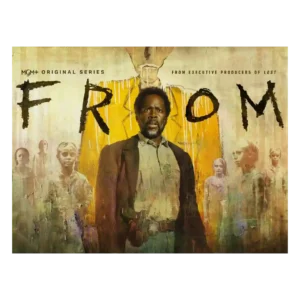

From, Season 4
Where It Has the Edge
No clear scored advantage over the other product.

Scorata scores summarize analyzed review evidence on a 1–5 scale; they are not laboratory measurements or a simple average of customer star ratings. Feature scores summarize the reviews covering that feature. The overall score averages feature scores within each review, then combines review averages. When both expert and customer evidence are available, those two groups receive equal weight. Products can have different review coverage, so small score gaps do not establish a winner.
Recommendations prioritize important features for the category, with a score of at least 3.5, a gap of at least 0.25 points and at least two supporting reviews per product. Features with widely varying scores or broad connectivity contexts are excluded from recommendations. These safeguards do not establish statistical significance.
Quick verdict
The available evidence supports the recommendation below, but does not establish an overall winner. Check the remaining features against your priorities.
There is not enough comparable review evidence to recommend From, Season 4 over the other product.
Choose The Pitt, Season 2 for character consistency and ending satisfaction.
No clear scored advantage over the other product.
Scores are out of 5. Missing scores mean missing review evidence, not a missing feature.
Critic appeal is mixed. Scores and verdicts range from near-raves calling it the best season yet to harsh dismissals labeling it the weakest or worst so far.
Critic appeal is exceptionally high, with multiple writers calling it one of the best shows on television. The praise is not unanimous, but the overall critical center is very strong.
Audience appeal is polarized but durable. The show clearly keeps a dedicated theory-driven audience engaged, while some critics say they are fed up or nearly ready to quit.
Audience appeal is broad among critics and video reviewers, who describe the season as must-watch, welcoming to Season 1 fans, and still exciting from the trailer stage. The main warning is that it remains intense and medically graphic.
The drama can be moving, but not every emotional beat earns the same investment. Underdeveloped characters make some deaths land with less force than the season intends.
Drama quality is widely praised, with reviewers calling the season gripping, intense, humane, and emotionally forceful. Even quieter episodes are treated as serious, confident medical drama rather than filler.
Season length feeds the broader pacing concern. Ten episodes can feel stretched when the strongest material seems concentrated into fewer hours.
Season length is viewed as a virtue. Reviewers appreciate the 15-episode, hour-by-hour design, with one wishing the show ran even longer.
Dialogue is sharply split. At its best, the exchanges feel unusually strong for modern TV; at worst, they turn into repetitive arguing, exposition, and momentum-draining conversations.
Dialogue is praised for helping the season stay grounded. Reviewers describe the conversation and medical exchanges as convincing rather than artificially melodramatic.
Episode structure gets mixed reactions. A few viewers point to focused A/B plotting as a strength, while others say the finale and several arcs feel padded, abrupt, or unresolved.
The real-time structure remains one of the show’s biggest strengths. Reviewers say it feels clever, immediate, and like proper episodic TV rather than a gimmick.
Individual episodes can work very well when they move with urgency, especially the premiere and standout horror installments. Complaints focus on episodes that pack the excitement at the edges and let the middle sag.
Episode pacing earns strong marks for urgency, real-time momentum, and jam-packed medical plots. The main caveat is that the premiere and early stretch can feel slower or more table-setting before the season settles in.
Pacing is the most repeated concern. The season can feel relentless and coherent at its best, but it also drags, spins in circles, or saves too much momentum for the end.
Season pacing is generally praised for avoiding a sophomore slump and keeping the weekly, real-time format moving. One video reviewer notes the release is weekly rather than binge-style, which shapes how the momentum lands.
Bingeability may help the season. One viewer who watched week to week says the pacing issues would be less noticeable as a binge, while another recommends waiting to binge if Season 5 repeats the same pattern.
Bingeability and appointment-viewing appeal are both strong. Reviewers say the season is addictive, easy to race through, and compelling enough to make weekly viewing feel necessary.
A few character choices strain credibility, especially people trusting Sophia too easily or Tabitha resisting revelations after everything she has seen. Some characters also flatten into repetitive arguing.
Character consistency is mostly respected because the show lets people grow while keeping their flaws intact. A few reviewers object to specific choices, including one complaint that some characters are pushed too hard.
Season 4 is highly divisive as a story: the strongest responses praise its darker, more purposeful mythology, while detractors say too many plots stall, pile up, or go nowhere.
Story reactions are highly positive overall: reviewers like that Season 2 keeps the hospital-shift engine working without needing another giant disaster. A few later writeups think some scenes or story choices land less cleanly, but the season is still seen as strong television.
Screenplay criticism centers on missed efficiency and imbalance. The finale has strong moments, but the script is faulted for not matching the care put into music and atmosphere.
Writing is admired for its structure, empathy, and smart second-season choices, but not without caveats. Several reviewers mention occasional didacticism, heavy-handedness, or melodramatic lines.
Character work is one of the season’s strongest positives when it focuses on arcs like Jade, Donna, Victor, Boyd, Sophia, and Fatima. The main complaint is that some favorites are sidelined or given less satisfying follow-through.
Character development is one of Season 2’s clearest strengths, especially as returning rookies mature and Robby’s trauma becomes more complicated. Some complaints focus on supporting characters who still feel underused or compressed.
The finale lands as exciting but uneven. Some enjoyed the set pieces and setup for the final season, while disappointed voices felt it ended abruptly or played more like a mid-season pause.
Finale satisfaction is split. Some reviewers accept the quieter, unresolved ending as emotionally realistic, while others felt disappointed that the episode pulled back and left too little resolved.
Emotional impact is strong when the season focuses on grief, sacrifice, father-son pain, and goodbye scenes. Specific deaths and reunions come through as heartbreaking or visceral.
The emotional impact is one of the season’s defining traits. Reviewers repeatedly mention heartbreak, empathy, trauma, and powerful patient or staff moments, though a few emotional beats are called corny or unresolved.
The horror and tension still work strongly for many viewers, especially when the season leans into darkness, tunnels, monsters, and dread. A minority feel the fear factor has faded outside the biggest set pieces.
Suspense is strong even without a single defining catastrophe. The season builds pressure through ticking clocks, repressed tension, and the sense that every hour could expose another breaking point.
The camera work stands out in panic-heavy sequences, especially close, claustrophobic scenes that put viewers inside the chaos. Some broader criticism says cinematography is not always matched by script discipline.
Cinematography and camera movement receive direct praise for making the ER feel immediate and lived-in. Reviewers like the dynamic camerawork, close fluorescent style, and immersive shooting approach.
Editing receives a narrow but positive note for the premiere’s reveal, though another viewer thinks simple editing fixes could improve flow elsewhere.
Editing is repeatedly praised for clarity and flow inside the chaotic ER. Critics call it sharp, fluid, and essential to making many simultaneous plotlines feel understandable.
The season’s themes of hope, despair, humanity, and survival receive strong praise. Its quieter character-driven material works best when it connects the town’s horror to emotional endurance.
Theme depth is a standout, especially around healthcare strain, patriotism, trauma, AI, immigration, and who deserves care. Some reviewers find the topicality blunt, but most see it as central to the show’s force.
The finale raises the violence level with major deaths and disturbing monster incidents. The bloodshed is treated as a meaningful escalation rather than background gore.
The season is described as bloodier and medically graphic, but not empty shock value. Reviewers frame the gore as part of the show’s immersive hospital realism.
Acting is one of the clearest strengths. Harold Perrineau, Julia Doyle, Chloe Van Landschoot, Kaelen Ohm, and the wider ensemble are repeatedly described as strong or exceptional.
Acting is a major consensus strength. Critics and video reviewers repeatedly describe the cast as excellent, magnetic, and fully believable inside the hospital environment.
The season finale delivers danger, deaths, and big visual moments, earning praise as a strong closer from some. Others liked pieces of it but felt the larger season made the ending carry too much weight.
Season-finale quality lands mixed-to-positive. One reviewer found the heavy emotional arcs extremely satisfying, another loved the final episode, and others thought the finale withheld too many answers.
Interest in the final season remains high despite frustration. Even critics who are skeptical often say they will keep watching to see how the endgame resolves.
Renewal interest is strong. Even mixed finale reactions often end with curiosity about Season 3 and where the characters go next.
The veteran ensemble chemistry is a bright spot, especially in pressure-heavy scenes. Boyd and Jade’s dynamic earns particular praise as a pairing that gives the season fresh energy.
Cast chemistry remains a selling point, with reviewers pointing to the ensemble’s collective energy and the way new characters fold into the team. The show’s crowded ER setting works because the cast feels connected.
As horror-mystery television, Season 4 satisfies many fans with darker scares, bigger mythology, and an ambitious late-series escalation. The harshest dissenters still question whether the genre promise is paying off.
As a medical drama, Season 2 is considered excellent by most reviewers. It satisfies genre expectations through competency, urgency, and empathy while avoiding many glossy TV-doctor shortcuts.
The season still has bold ideas, from Fatima’s transformation to new mythology possibilities. Some viewers find those swings exciting, while one sharply negative take argues the premise has not been used imaginatively enough.
Reviewers mostly admire the season’s refusal to simply repeat the first season’s mass-casualty escalation, with several calling the smaller-crisis approach smart. The main reservation is that some beats feel familiar after Season 1.
Answers are the biggest fault line. Season 4 finally delivers major revelations in places, but too many core mysteries still feel cloudy this late in the series.
One critic found the season frustratingly incomplete, saying it sets up promising storylines without paying off enough of them. That concern is narrow, but it stands out against the otherwise strong praise for the season’s storytelling.
Direction is praised when the season misleads viewers, stages shocks, and moves toward reveals. The premiere earns especially strong approval for how its direction handles the Sophia twist.
Direction is praised for keeping the tone controlled and consistent. Reviewers notice that the show can move from chaos to quiet character moments without losing its rhythm.
World-building continues to deepen through cycles, rituals, systems, and town mythology. Fans of the mystery-box side find plenty to chew on, even when the rules remain incomplete.
The hospital world feels immersive enough that viewers talk about being stuck inside the shift with the characters. Later episodes also suggest fresh night-shift angles that could expand the show’s world.
The visual style is strongest when the town itself turns hostile: black skies, red-light dread, and deliberate framing make the supernatural threat feel immediate.
The visual style is grounded rather than flashy, with praise for Pittsburgh scenery, tight hospital shots, and a well-shot real-time feel. Some viewers warn that the medical imagery can be intense.
The show’s environments still create a disturbing, claustrophobic atmosphere. The production design helps the town feel oppressive and tied to the mystery rather than like a generic horror backdrop.
Production design supports the show’s realism through an unglamorous, overcrowded hospital environment. Reviewers value that the setting feels functional and pressured rather than polished for spectacle.
Entertainment value remains high for fans who enjoy chaos, theories, and big reveals. Even with flaws, the show’s momentum and addictive quality keep people engaged.
Entertainment value is high even when the material is grim. Reviewers call the season fun, engrossing, absorbing, comforting, and relentlessly watchable.
Rewatch value is especially strong for the premiere. Knowing the Sophia reveal changes how earlier scenes play, making at least that episode rewarding to revisit.
Rewatch value is strong among the most enthusiastic reviewers. One critic calls the realism and competence-porn balance enormously rewatchable, while a video reviewer says they could watch for half the year.
The core cast remains a major reason to watch, with Boyd, Jade, and Tabitha receiving especially strong attention. Harold Perrineau’s work as Boyd is repeatedly singled out as intense and compelling.
Noah Wyle’s main performance is repeatedly singled out as a major reason the season works. Reviewers call Robby the emotional anchor and praise Wyle’s work as intense, vulnerable, and award-worthy.
The supporting bench is widely praised, especially Scott McCord, Julia Doyle, Chloe Van Landschoot, and Elizabeth Saunders. Their work often stands out even when the writing around them frustrates.
The supporting cast gets unusually broad praise, from Katherine LaNasa and Sepideh Moafi to newer night-shift characters. Even mixed reviews tend to describe the ensemble as strong and full of life.
Content intensity may be too much for sensitive viewers. Several reviews describe graphic procedures and imagery that could make weaker-stomached viewers queasy.
Cliffhangers remain effective at keeping people talking and anticipating the final season. Some viewers enjoy the watchability they create, while others wish the ending had shown more immediate panic or consequence.
Continuity with Season 1 is handled confidently. Reviewers like that the show carries forward trauma, relationships, and the real-time format without needing to reset or over-explain itself.
Representation is noted through the diverse medical staff and the show’s attention to race, immigration, and night-shift casting. Some viewers are alert to patterns in who exits or gets centered, but the ensemble breadth is still valued.
Episode length comes up mainly around the finale. One viewer wanted the final episode to run longer so it could deliver a bigger conclusion.
Humor is a quiet strength: reviewers mention gross-out laughs, workplace quips, and a deceptively funny tone that offsets the heavy medical drama. It does not turn the show into a comedy, but it keeps the intensity watchable.
Lore expansion is a consistent hook. Cycles, reincarnation, the Man in Yellow, town architecture, and monster origins all add intrigue, though they are not always fully resolved.
Makeup feedback is mostly absent, but one viewer sharply criticizes a wig. That isolated complaint makes this a narrow negative rather than a broad pattern.
Premiere reactions are positive but slightly tempered. Reviewers describe the first hour as a solid foundation and high-stakes comfort food, though one video reviewer calls the opening episode rocky.
The season keeps delivering shocking turns, especially around the Man in Yellow, Fatima, and the finale. That unpredictability remains a core part of the show’s appeal.
Practical creature work gets a narrow positive note through the life-sized puppets, which come across as menacing. There is not enough detail to judge the whole season’s practical effects broadly.
Realism is one of the strongest points of agreement. Reviewers consistently describe the hospital work, medical chaos, and emotional exhaustion as authentic, immersive, and sometimes almost too intense.
The score is used effectively in emotional and tense scenes. The piano-backed goodbye and the music’s bigger moments are called out as highlights.
The season’s creature and horror imagery can still hit hard. Scarecrow and monster moments are described as brutal, terrifying, and a welcome return of missing horror energy.
Value for money appears only in one strongly negative subscription comment. It suggests frustration with the season’s payoff, but there is not enough broader pricing discussion to treat this as a major pattern.

Best for sharp adult humor, magnetic chemistry and a deeply satisfying farewell. Skip it if familiar will-they-won’t-they plotting or deliberately messy leads are dealbreakers.
Pros: humor, writing quality

Choose Season 15 for warm, character-driven comedy, meaningful growth, and a finale that rewards longtime fans. Skip it if the short binge format, uneven replacement voices, or occasional clumsy commentary...
Pros: franchise connection, character development

Best for powerhouse performances, thorny character work, and a tense revenge mystery that grows richer as it goes. Skip it if abuse, trafficking, graphic violence, or deliberately messy moral questions...
Pros: main cast performance, character development
Cons: pilot episode quality

Best for sharp jokes, standout performances, and a warm, emotionally satisfying goodbye. Skip it if you most valued the pricklier Deborah-Ava conflict and biting Hollywood satire; the final season is...
Pros: humor, finale satisfaction
Cons: realism, season pacing