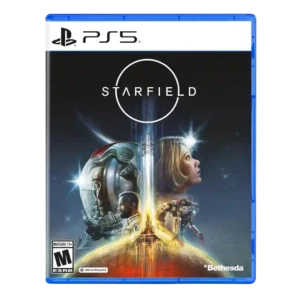
Compare Starfield vs Nivalis Nights

Starfield

Starfield

Overall score 3.5 / 5

Based on 56 scored reviews

vs
Nivalis Nights

Nivalis Nights

Overall score 3.7 / 5

Based on 30 scored reviews

How we score

Scorata scores summarize analyzed review evidence on a 1–5 scale; they are not laboratory measurements or a simple average of customer star ratings. Feature scores summarize the reviews covering that feature. The overall score averages feature scores within each review, then combines review averages. When both expert and customer evidence are available, those two groups receive equal weight. Products can have different review coverage, so small score gaps do not establish a winner.

Recommendations prioritize important features for the category, with a score of at least 3.5, a gap of at least 0.25 points and at least two supporting reviews per product. Features with widely varying scores or broad connectivity contexts are excluded from recommendations. These safeguards do not establish statistical significance.

Quick verdict

What each product is best for

The review evidence points to a tradeoff: character customization and polish versus art direction and writing quality. Choose according to which strengths matter more to you; the overall score alone does not settle that choice.

Choose Starfield for character customization and polish.

Choose Nivalis Nights for art direction and writing quality.

Why these recommendations?

Starfield

Where It Has the Edge

  • character customization is 4.5 vs 1.9. Character creation earns praise for depth, with reviewers liking how far customization and background setup can go.
  • polish is 4.4 vs 2.4. Polish is better than many expected for a Bethesda-scale RPG, though it does not eliminate bugs, crashes, or...
  • frame rate stability is 3.5 vs 1.8. Frame rate impressions depend on platform. PS5 and PS5 Pro comments range from smoother performance to fluctuating modes...

Nivalis Nights

Where It Has the Edge

  • art direction is 4.7 vs 1.5. Voxel-inspired architecture, neon color, and stylized characters create a distinctive visual identity. The smoother character models divide initial...
  • writing quality is 4.8 vs 2.3. The writing earns praise for human detail, cynicism, satire, and a mature tone. Nuanced residents often make the...
  • gameplay mechanics is 3.7 vs 1.5. The strongest mechanics involve running, supplying, and expanding restaurants. Fishing, domestic activities, and one-click quest interactions attract more...
Starfield 3.5 overall score
Nivalis Nights 3.7 overall score

Compare features

Scores are out of 5. Missing scores mean missing review evidence, not a missing feature.

Scored on both products

Other features

Accessibility options
Starfield
1.0

Accessibility is a serious weak spot in the most critical take, with one reviewer saying the limited options leave some players shut out rather than merely inconvenienced.

Nivalis Nights
4.5

Camera comfort controls, audio adjustments, and subtitle and text settings helped one early player settle in comfortably. Broader accessibility needs remain less thoroughly assessed.

Art direction
Starfield
1.5

Art direction splits opinion, with NASA-punk praised for a distinctive look in some places and dismissed as bland or ineffective in others.

Nivalis Nights
4.7

Voxel-inspired architecture, neon color, and stylized characters create a distinctive visual identity. The smoother character models divide initial impressions, though many find the combination effective.

Family friendliness
Starfield
5.0

The gifting comments are positive, but the reviews do not give a detailed family-suitability analysis.

Nivalis Nights
2.0

The mature dialogue and darker storyline make playing around children less suitable. This is a mature city-life experience despite its quieter management routine.

Writing quality
Starfield
2.3

Writing quality is one of the weaker areas for critical reviewers, especially in main-quest dialogue and characterizations.

Nivalis Nights
4.8

The writing earns praise for human detail, cynicism, satire, and a mature tone. Nuanced residents often make the dystopia more interesting than a conventional world-saving plot.

Atmosphere
Starfield
2.5

Atmosphere is uneven. Some players miss the expected Bethesda charm, while others are pulled in by the large sci-fi setting.

Nivalis Nights
4.9

A rain-soaked, neon-lit city full of everyday struggles is the game's clearest attraction. Its mixture of comfort and dystopian pressure gives it a distinctive mood.

Gameplay mechanics
Starfield
1.5

General gameplay draws both praise and disappointment: it offers a huge Bethesda-style RPG framework, but some reviewers find the actual moment-to-moment play bland.

Nivalis Nights
3.7

The strongest mechanics involve running, supplying, and expanding restaurants. Fishing, domestic activities, and one-click quest interactions attract more criticism for limited depth.

Exploration quality
Starfield
2.4

Exploration is the biggest fault line. Some players love the scale and city discovery, while many criticize empty planets, fast-travel dependency, and repeated points of interest.

Nivalis Nights
4.5

Neon streets, hidden routes, waterways, and residents' stories make wandering a major attraction. Time pressure and unclear local directions sometimes interrupt the pleasure of discovery.

Polish
Starfield
4.4

Polish is better than many expected for a Bethesda-scale RPG, though it does not eliminate bugs, crashes, or rough UI.

Nivalis Nights
2.4

Strong ideas and atmosphere coexist with a release many find rough around the edges. Bugs, interface friction, and shallow interactions prevent an unqualified sense of polish.

Frame rate stability
Starfield
3.5

Frame rate impressions depend on platform. PS5 and PS5 Pro comments range from smoother performance to fluctuating modes that still need work.

Nivalis Nights
1.8

Busy districts often trigger pronounced drops and stuttering, with especially poor results on Steam Deck. Some early PC sessions feel smooth, so severity varies by setup and location.

AI behavior
Starfield
1.3

Enemy and security behavior drew sharp complaints, especially where foes seemed easy to exploit or failed to react convincingly.

Nivalis Nights
2.8

Residents following daily routines help the city feel alive, and optional encounters can feel pleasantly organic. Restaurant employees receive much harsher criticism for slow service and questionable restocking.

Fast travel convenience
Starfield
2.2

Fast travel is convenient but also one of the most repeated complaints, with many reviewers saying it fragments the space fantasy.

Nivalis Nights
3.7

Fast travel saves substantial time on repeated errands. Arrival points can still require inconvenient walks, and some feel instant travel diminishes the appeal of trains and taxis.

Dialogue quality
Starfield
2.6

Dialogue is polarizing: one reviewer calls conversation trees best-in-class, while others find the writing flat, generic, or dated.

Nivalis Nights
4.1

Natural conversations can make even small encounters worth following. Players focused on errands sometimes find the lengthy dialogue an interruption.

Onboarding experience
Starfield
1.5

Onboarding is a weak spot because important systems can be under-explained, leaving players to figure out menus, building, and progression on their own.

Nivalis Nights
2.8

Objectives and scanning can make the opening approachable, but many systems arrive close together. Unexplained management functions and quest-gated activities leave some players relying on trial and error.

Load times
Starfield
2.2

Loading screens are one of the most consistent complaints. A few note short load times, but many say frequent transitions and menus make the universe feel chopped up.

Nivalis Nights
3.5

Travel loading is unobtrusive or pleasantly atmospheric for some players. Others tire of repeatedly crossing loading screens between districts.

Companion AI
Starfield
1.8

Companions are divisive. Some reviewers enjoy their stories and usefulness, while others complain about chatty behavior, getting stuck, or interrupting the flow.

Nivalis Nights
3.0

Ava can be a helpful guide and an appealing presence over time. Her slow delivery and frequent interruptions irritate players who want to get on with their own plans.

Difficulty balance
Starfield
4.0

Difficulty earns limited praise where late missions test combat skill without feeling unfair.

Nivalis Nights
2.9

Business pressure can make spending and prioritization feel worthwhile. For others, packed quest lists and fast days create more stress than a relaxing life sim should.

Graphics quality
Starfield
3.9

Visuals are usually a strength, with praise for gorgeous graphics and presentation, though some reviewers call the look dated or bland.

Nivalis Nights
4.8

The neon skyline, wet streets, and striking city views are among the most consistent sources of praise. Even lower settings can retain much of that appeal.

Economy and resource balance
Starfield
2.3

The economy and resource balance are recurring frustrations, especially around ship costs, resource pricing, inventory clutter, and limited trading fantasy.

Nivalis Nights
3.2

Ingredient freshness, wages, and seating turn expansion into meaningful financial decisions. Manager restocking is a frequent sore point, with some businesses losing cash faster than they earn it.

Sandbox freedom
Starfield
4.7

Sandbox freedom is one of Starfield’s main attractions for the right player, with reviewers praising the ability to wander, build, survey, and pursue your own goals.

Nivalis Nights
3.8

Choosing between business work, conversations, fishing, and furnishing supports a personal daily routine. Curfew, rapid time passage, and restricted interaction limit that freedom for some players.

Narrative quality
Starfield
3.1

The main story is one of the most mixed areas. Some reviewers find it surprisingly interesting or a useful guide, while others call it weak, flat, or forgettable.

Nivalis Nights
4.0

Ordinary lives, corporate pressure, debt, and a serial-killer investigation give the business routine narrative weight. Some love the intertwined stories; others find the mystery distracting or too quickly resolved.

Learning curve
Starfield
2.5

The learning curve is steep. Several reviewers say Starfield has many systems and does not explain enough up front.

Nivalis Nights
3.1

The game asks players to learn staffing, ingredients, finances, transport, and quest priorities together. Some settle into the systems after several hours, while others find the initial workload unnecessarily confusing.

Bug frequency
Starfield
3.1

Bug frequency varies widely by version and platform, from almost no issues to repeated freezes, broken interactions, and crash-adjacent problems.

Nivalis Nights
2.6

Clipping, stuck or popping characters, cleaning glitches, and quest problems detract from the simulation. Some early sessions report no bugs, while longer play exposes more rough edges.

Fun factor
Starfield
4.0

Overall fun is sharply split. Many players are hooked or having a blast, while others find the game boring, underwhelming, or only fun for a narrow sandbox audience.

Nivalis Nights
4.5

Many players become absorbed in the routine and want to return despite its faults. Enjoyment is strongest for those drawn to city exploration and small business growth.

Originality
Starfield
4.0

Originality gets some credit for the space RPG ambition, though several reviews also call the formula familiar.

Nivalis Nights
4.4

Putting restaurant work and domestic ambition inside a cyberpunk metropolis feels refreshing. Familiar life-sim activities gain a distinct identity from their urban context.

Character development
Starfield
4.3

Companions and character arcs are a relative strength when reviewers spend time with them, though the broader cast is not universally loved.

Nivalis Nights
4.7

Several residents grow beyond an initial caricature as their personal stories unfold. Relationships can feel abrupt once a quest ends and further interaction disappears.

Crash stability
Starfield
2.5

Stability is inconsistent. Some players report only rare crashes, while others describe freezing, repeated restarts, or crashes serious enough to interrupt progress.

Nivalis Nights
2.9

Reported crashes, freezes, and softlocks contrast with several stable opening sessions. Reliability depends on the tested build, hardware, and how far players have progressed.

Content variety
Starfield
4.3

Content volume is a major selling point, with reviewers pointing to many quests, systems, updates, and activities that can keep players busy for a long time.

Nivalis Nights
3.9

Restaurants, quests, fishing, farming, decoration, and exploration provide plenty to juggle. Opinions differ on whether that breadth remains engaging once individual activities reveal their limits.

Combat system
Starfield
3.6

Combat is one of the better-liked systems overall, often described as Bethesda’s strongest gunplay yet, though a few reviewers still find it basic or merely serviceable.

Nivalis Nights
4.0

The absence of conventional combat fits the focus on business and everyday city life. It works best for players comfortable with a quieter cyberpunk experience.

Pacing
Starfield
2.8

Pacing is uneven. Reviewers describe slow openings, rushed-feeling story beats, and stronger stretches once the game finally clicks.

Nivalis Nights
2.4

The daily rhythm creates natural stopping points and keeps business decisions moving. Many find the clock too fast, while automation and slow unlocks can produce strangely empty stretches.

Core gameplay loop
Starfield
3.8

The core loop works best for players who enjoy Bethesda-style wandering, looting, and quest chaining, though it can take time to settle in.

Nivalis Nights
4.1

Shopping, serving, improving the restaurant, and checking the nightly finances create an absorbing routine for management fans. Automation and repeated errands can make that routine feel either liberating or underfilled.

Environmental detail
Starfield
4.8

Environmental detail is often praised, especially city detail, planet presentation, and the sense of visual scale.

Nivalis Nights
4.6

Layered architecture and detailed streets make the city rewarding to examine up close. Visual detail helps individual districts feel more distinctive.

Tutorial quality
Starfield
2.3

Tutorial quality is a complaint when players want more help; several reviews say the game leaves too much unexplained.

Nivalis Nights
2.4

Tutorial reactions range from clear individual explanations to important practical omissions. Ava's frequent, slowly delivered prompts can also interrupt restaurant work.

Progression system
Starfield
4.3

Progression is a relative strength, with skill trees, outposts, and build growth giving players multiple ways to shape their playstyle.

Nivalis Nights
4.1

Growing a noodle stand into a larger operation gives menus, staffing, and new properties a clear purpose. Financial setbacks and district access requirements can slow that satisfying climb.

Faithfulness to franchise
Starfield
4.5

Fans of space RPGs and Mass Effect-style adventures may feel at home, but this is not framed as faithful to an existing Starfield franchise.

Nivalis Nights
4.4

Returning to Cloudpunk's recognizable city is a particular pleasure for existing fans. Living and building a business there offers a more personal connection than passing through on deliveries.

Comfort and build

World-building
Starfield
2.0

World-building is divisive: some admire the sci-fi scale, while others find the vision of humanity and space underwhelming.

Nivalis Nights
4.8

The city excels at making corporate dystopia feel personal through suppliers, neighbors, workers, and their problems. Its atmosphere and human stories often carry the experience beyond the strength of individual mechanics.

Level design
Starfield
1.5

Level design criticism focuses on repeated arenas and spaces that do not support the scope of the world.

Nivalis Nights
4.3

Vertical streets, layered markets, and distinct districts make the city appealing to explore. Some layouts are confusing, and stronger contrasts between areas would help certain players.

Open-world design
Starfield
2.0

The open-world structure disappoints reviewers who expected seamless discovery, with empty terrain and repeated outposts undercutting the sense of a living galaxy.

Nivalis Nights
4.2

The city feels dense, populated, and visually distinctive, with separate districts rather than one seamless expanse. Access gates and limited activity inside some buildings can constrain the sense of discovery.

Puzzle design
Starfield
5.0

Puzzle design receives limited but strong praise through the lockpicking minigame.

Nivalis Nights
4.0

Futuristic chess provides a welcome change from restaurant work. Its appeal lies in slowing down and testing your reasoning against local opponents.

User interface design
Starfield
2.3

Interface design is a regular drawback, especially with maps, menus, and navigation that feel awkward for a game this large.

Nivalis Nights
2.9

Management statistics and useful shopping information can make decisions legible. Other players find the interface disorganized, fiddly, or short on helpful filtering and graphics options.

Mission design
Starfield
3.5

Mission design is uneven: some missions and factions are memorable, while others feel short, repetitive, or underdeveloped.

Nivalis Nights
3.0

Personal missions weave residents into each other's stories and encourage trips beyond the restaurant. Others find the quest load overwhelming or the actual tasks too close to fetch quests and simple clicks.

Quest design
Starfield
3.4

Side quests and faction quests are among the most praised parts, even when the main story disappoints.

Nivalis Nights
3.0

The best quests make small personal encounters feel connected to the wider city. Opinions split over whether the enormous journal offers delightful stories or a stressful backlog of errands.

Sound design
Starfield
5.0

Sound design is a high point in the strongest audio-focused review, especially ship and ambient effects.

Nivalis Nights
4.8

Rain, thunder, street ambience, and other effects make the city feel inhabited. Headphone listening can make small domestic moments particularly convincing.

Controls and connectivity

Character customization
Starfield
4.5

Character creation earns praise for depth, with reviewers liking how far customization and background setup can go.

Nivalis Nights
1.9

The absence of a character creator disappoints players expecting to build a personal identity. Naming or visually shaping an avatar is an especially noticeable gap in the life-sim fantasy.

Menu usability
Starfield
1.8

Menus and inventory are repeated pain points, with reviewers calling the UI clunky, slow, or shockingly poor for a game with so much item management.

Nivalis Nights
2.4

Recipe selection is cumbersome without ingredient filtering, and controller searches can feel awkward. Shopping cues and stored conversation history provide welcome conveniences.

Voice acting
Starfield
4.6

Voice acting is often praised, sometimes even when the writing or facial presentation gets criticized.

Nivalis Nights
4.4

Distinct voices are one of the most consistent strengths, giving a large cast personality and emotional range. A few performances sound unnatural or irritating, particularly to players less taken with Ava.

Ownership and support

Replay value
Starfield
4.5

Replay value is positive for players who like long RPGs, new game plus, and self-directed builds.

Nivalis Nights
2.5

Some see replay potential in relationships, choices, and different business routines. Others find too little meaningful branching to justify starting again.

Value for money
Starfield
3.5

Value depends on taste and edition. Fans can get a strong price-to-playtime ratio, while skeptics may find the full-price or DLC value harder to justify.

Nivalis Nights
4.3

The roughly $25 launch price is generally considered fair for the amount of content. Performance-sensitive buyers may still prefer to wait for improvements.

Performance

Performance optimization
Starfield
3.4

Performance varies by hardware and mode, from smooth PS5 impressions to inconsistent PS5 Pro behavior and demanding PC requirements.

Nivalis Nights
2.3

Optimization is the most repeated technical concern, including on capable PCs. A few short PC or streamed sessions run smoothly, but lowering settings does not reliably solve crowded-area trouble.

Soundtrack quality
Starfield
4.8

The soundtrack earns strong praise where discussed, with orchestral and sweeping music fitting the space setting well.

Nivalis Nights
4.7

Synthwave, ambient tracks, and quieter futuristic beats consistently strengthen the setting. The soundtrack is frequently a reason to linger in the city even between errands.

Evidence available for one product

Controls and connectivity

Age appropriateness
StarfieldNo score yet
Nivalis Nights
2.0

Swearing, a serial-killer story, and darker themes make the game a poor choice for a family-oriented audience. Its cozy activities do not imply child-friendly content.

Controls responsiveness
StarfieldNo score yet
Nivalis Nights
4.5

Basic controls are straightforward to learn. The complexity comes from managing the many systems rather than from executing actions.

Protagonist appeal
StarfieldNo score yet
Nivalis Nights
2.1

The anonymous first-person protagonist leaves room for imagination but often lacks the identity players want from a life sim. The surrounding residents can feel far more developed than the person you control.

Vehicle customization
StarfieldNo score yet
Nivalis Nights
2.0

The boat lacks the upgrades and decoration options some players expect. That limits its appeal as a personal space or an evolving vehicle.

Other features

Animation quality
StarfieldNo score yet
Nivalis Nights
2.7

Animation earns a positive early impression from one player, but cooking and other interactions are criticized elsewhere as awkward or minimal. More expressive actions would help the hands-on simulation.

Camera behavior
StarfieldNo score yet
Nivalis Nights
3.8

Camera adjustment can help make play comfortable. Gamepad users may need to increase movement sensitivity to get a better feel.

Character diversity
StarfieldNo score yet
Nivalis Nights
4.4

A varied cast of voices, personalities, and backgrounds gives the city human texture. The diversity of residents helps sustain interest in conversations.

Character roster
StarfieldNo score yet
Nivalis Nights
4.2

The large cast provides memorable personalities and many stories worth following. Repeated models, lifeless background citizens, and an overloaded quest journal reduce its appeal for some players.

Choice impact
StarfieldNo score yet
Nivalis Nights
3.4

Dialogue and financial decisions can change relationships, quest outcomes, and access to help. Others find too many actions inconsequential or too little branching beyond the immediate response.

Collectibles
StarfieldNo score yet
Nivalis Nights
4.0

Collecting recipes is satisfying because it expands the menu's possibilities. Putting the collection to use becomes cumbersome without better ingredient searches.

Content completeness
StarfieldNo score yet
Nivalis Nights
1.5

One extended assessment finds too many missing or shallow life-sim features for a finished release. The concern is completeness beyond the working restaurant loop.

Crafting system
Starfield
3.8

Crafting, outposts, mods, and ship-building depth stand out, but the same systems can feel under-explained or tedious when resource handling gets in the way.

Nivalis NightsNo score yet
Cutscene skippability
StarfieldNo score yet
Nivalis Nights
4.0

Skippable transport cinematics help repeated journeys fit shorter sessions. Players can still watch them when they want the atmospheric transition.

Emotional impact
StarfieldNo score yet
Nivalis Nights
4.7

Everyday conversations and gradual relationships make emotional moments more relatable. The strongest characters move convincingly from comic oddities into people worth caring about.

Facial animations
Starfield
2.5

Facial animation and conversation presentation feel dated to several reviewers, even when voice work is praised.

Nivalis NightsNo score yet
Farming system
StarfieldNo score yet
Nivalis Nights
4.0

Greenhouse production offers a useful way to supply restaurants and cut purchasing costs. Some enjoy the equipment and growing options, while others find the click-and-wait routine shallow.

Fishing mechanics
StarfieldNo score yet
Nivalis Nights
3.4

Fishing provides ingredients, income, and a relaxing reason to take the boat out. Its simple mechanics and occasionally frustrating controls disappoint players seeking a deeper fishing game.

Flying mechanics
Starfield
3.8

Ship flight and space combat can be fun, especially after updates, but several reviewers say travel still feels limited or merely good enough.

Nivalis NightsNo score yet
Game length
StarfieldNo score yet
Nivalis Nights
4.3

The game offers substantial content and many optional pursuits beyond the opening restaurant. That breadth favors a longer commitment rather than a clearly bounded short campaign.

Grind level
StarfieldNo score yet
Nivalis Nights
2.9

Repetition and waiting can turn the routine into busywork, especially after automation removes restaurant tasks. Other early players find meaningful progress without forced grind.

Handheld play suitability
StarfieldNo score yet
Nivalis Nights
1.8

Native Steam Deck performance is a major weakness, with busy areas dropping well below a comfortable frame rate. Playing another way or waiting for better handheld performance is more appealing.

Hint system
StarfieldNo score yet
Nivalis Nights
4.5

Shopping-list cues and scanning help locate supplies, vendors, and people efficiently. These tools reduce some of the time spent searching the city or menus.

Horror tension
StarfieldNo score yet
Nivalis Nights
4.0

The serial-killer backdrop adds welcome weight to ordinary business life for one assessment. The contrast makes the peaceful routine feel more consequential.

House decoration
StarfieldNo score yet
Nivalis Nights
3.1

Free furniture placement appeals to decorators, but missing snapping and limited customization can make arranging spaces frustrating. Finished apartments often lack enough ongoing activity to justify further investment.

HUD clarity
StarfieldNo score yet
Nivalis Nights
2.2

Growing quest lists and overlapping compass markers frequently clutter the screen. One early player finds the overall interface clear, but many want better control over what is displayed.

Humor
StarfieldNo score yet
Nivalis Nights
4.3

Satire, strange residents, crude jokes, and odd little details add levity to the dystopia. Humor often makes bleak conversations or mundane systems more memorable.

Immersion
StarfieldNo score yet
Nivalis Nights
4.4

Weather, music, architecture, and resident stories make the city unusually easy to get lost in. Stuttering and repeated character models can break that sense of presence.

Innovation
StarfieldNo score yet
Nivalis Nights
4.4

The innovative appeal comes from combining ordinary management and life-sim routines with corporate dystopia. The individual activities are familiar, but their relationship to the setting feels different.

Inventory management
StarfieldNo score yet
Nivalis Nights
3.3

Shopping-list shortcuts make ingredient purchasing easier. Recipe searches, tool switching, and controller inventory use still leave room for smoother management.

Loot system
StarfieldNo score yet
Nivalis Nights
4.0

Boat-based fishing and treasure hunting can provide worthwhile income when you choose productive spots. That makes trips onto the water useful as well as atmospheric.

Lore depth
StarfieldNo score yet
Nivalis Nights
4.6

Small stories about work, technology, debt, and survival give the city depth beyond its skyline. Residents' histories make the setting appealing even when the wider simulation is less convincing.

Mission variety
StarfieldNo score yet
Nivalis Nights
3.0

Personal story chains can give missions appealing variety and connect a broad cast. Other players find the sheer volume overwhelming or the tasks repetitive and shallow.

Movement feel
StarfieldNo score yet
Nivalis Nights
2.0

Running through the busy market can feel unpleasant when the frame rate collapses. Native handheld play makes that problem particularly noticeable.

Overall quality
StarfieldNo score yet
Nivalis Nights
3.9

The game attracts strong enthusiasm for its city, voices, and restaurant growth, alongside substantial reservations about technical quality and simulation depth. It is easiest to recommend to patient players who want to inhabit this setting.

Pause functionality
StarfieldNo score yet
Nivalis Nights
2.5

Conversations do not allow normal menu pausing, which complicates sudden interruptions. Waiting at dialogue choices provides some relief for players with unpredictable schedules.

Photo mode
StarfieldNo score yet
Nivalis Nights
4.5

Photo mode is a strong fit for the neon city and can remain appealing long after ordinary errands. Cloud-streamed screenshot retrieval introduces an extra inconvenience for one player.

Recruitment system
StarfieldNo score yet
Nivalis Nights
3.3

Choosing staff and hiring managers can make business growth satisfyingly hands-off. Slow employees, unclear manager behavior, and costly restocking sometimes defeat that promise.

Romance quality
StarfieldNo score yet
Nivalis Nights
2.2

Romance is one of the thinner systems, often amounting to a short meeting and a rising meter. Limited spontaneous conversation and weak acknowledgment of a relationship diminish the payoff.

Sailing mechanics
StarfieldNo score yet
Nivalis Nights
3.9

Boating makes exploration, fishing, and treasure hunting feel like a welcome break from restaurant work. Access restrictions can prevent continuing an otherwise appealing trip.

Shopkeeping system
StarfieldNo score yet
Nivalis Nights
3.9

Restaurant management is the strongest system for many players, with staffing, stock, prices, layout, and hands-on service providing meaningful decisions. Others find it shallow or undermined by unreliable staff and excessive restocking costs.

Side character depth
StarfieldNo score yet
Nivalis Nights
4.3

Memorable residents, personal struggles, and interconnected stories often become the main reason to explore. Quest overload and limited follow-up interaction can weaken that attachment.

Skill tree depth
Starfield
4.5

Skill trees earn praise for meaningful perks and challenge-based progression that gives builds structure.

Nivalis NightsNo score yet
Social features
StarfieldNo score yet
Nivalis Nights
3.3

Voiced conversations help relationships feel personal, but ordinary interaction is often restricted to available scripted content. Dating partners or completed quest characters may offer little ongoing contact.

Solo play quality
StarfieldNo score yet
Nivalis Nights
4.5

The single-player structure fits unpredictable sessions without matchmaking or online obligations. It works well for players who need to step away suddenly.

Stealth mechanics
StarfieldNo score yet
Nivalis Nights
4.1

Curfew turns theft and rival sabotage into tense, sometimes amusing diversions. Security cameras and travel restrictions can also make nighttime errands frustrating.

Survival mechanics
StarfieldNo score yet
Nivalis Nights
4.0

Skipping mandatory hunger and hygiene upkeep sensibly avoids another layer of chores. The opening already asks players to juggle substantial restaurant and city responsibilities.

Upgrade system
StarfieldNo score yet
Nivalis Nights
3.8

New equipment, recipes, and restaurant capacity offer tangible reasons to reinvest. Players less impressed by the customization options lose motivation to chase further upgrades.

Vehicle roster
Starfield
3.3

The REV-8/vehicle addition helps planet traversal, but user reports also connect surface driving with freezes.

Nivalis NightsNo score yet
Violence level
StarfieldNo score yet
Nivalis Nights
2.0

One player finds a threat to redecorate walls with blood excessive. The remark feels too heavy for that player.

Visual effects quality
StarfieldNo score yet
Nivalis Nights
4.8

Rain, thunderstorms, moving clouds, and reflected neon make the city especially striking after dark. Weather contributes substantially to its sense of place.

Weapon balance
Starfield
3.5

Weapon balance is only lightly addressed, with one review saying the combat tools get the job done.

Nivalis NightsNo score yet
World interactivity
StarfieldNo score yet
Nivalis Nights
1.9

Domestic objects and accessible interiors often provide less interaction than their appearance suggests. Players hoping to inhabit every part of the city may find many spaces mostly decorative.

Comfort and build

Controller ergonomics
StarfieldNo score yet
Nivalis Nights
3.1

Mouse interaction generally suits the many management menus. Controller movement can work well, while trading, buying, and searching often feel less intuitive.

Map and navigation design
StarfieldNo score yet
Nivalis Nights
3.1

Scanning, compass guidance, and the district transit map work well for some players. Others struggle without a detailed local map, especially when searching for specific vendors or residents.

Ownership and support

DLC value
Starfield
2.7

DLC and expansion value is mixed. Some reviews like the added content, while others call specific expansions dull or worth waiting on sale for patches.

Nivalis NightsNo score yet
Mod support
Starfield
4.0

Mods and Creations are a meaningful plus for some reviewers because they can improve rough edges and deepen the experience.

Nivalis NightsNo score yet
Platform-specific feature support
Starfield
2.5

Platform-specific support is mixed: PS5 features and smoothness are praised, but the physical-disc/download and internet requirements frustrate some buyers.

Nivalis NightsNo score yet
Save system reliability
StarfieldNo score yet
Nivalis Nights
3.5

Flexible manual saving and end-of-day saves suit interrupted sessions. One player reports losing a save, making the otherwise positive saving impressions less uniform.

Performance

Marketing accuracy
StarfieldNo score yet
Nivalis Nights
2.5

The visual and audio presentation often matches expectations, but broader life-sim depth is more disputed. Recommended-spec performance also falls short for one tested PC setup.

Other Top Video Games to Consider

#1 Well Dweller
4.7

Best for fluid traversal, rewarding exploration, striking art, and forgiving quality-of-life features. Skip it if you want deep combat, radical genre innovation, or consistently demanding bosses.

Pros: difficulty balance, boss design

Cons: innovation, sandbox freedom

#2 Hades II

4.6

Good if you want fast, tactical roguelite combat with huge progression depth, striking art, and standout music. Skip it if repetition, resource micromanagement, or a less emotionally satisfying sequel story...

Pros: combat system, progression system

Cons: originality

#3 Valheim

4.5

Good if you want a beautiful, demanding survival sandbox built around exploration, building, progression, and memorable co-op. Skip it if long resource runs, harsh death recovery, and deliberate pacing sound...

Pros: town-building system, exploration quality

Cons: grind level, fast travel convenience

#4 Donkey Kong Bananza

4.5

Best for joyful destruction, dense exploration, and a charming DK-Pauline adventure. Skip it if camera quirks, frame-rate dips, easy bosses, or premium Switch 2 pricing are dealbreakers.

Pros: fun factor, world interactivity

Cons: frame rate stability, boss design