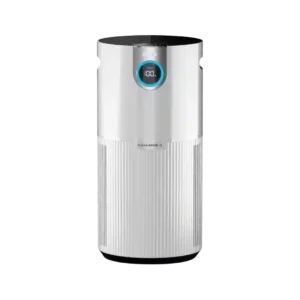
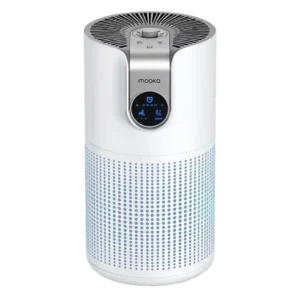
Shark HP201
Where It Has the Edge
No clear scored advantage over the other product.

Scorata scores summarize analyzed review evidence on a 1–5 scale; they are not laboratory measurements or a simple average of customer star ratings. Feature scores summarize the reviews covering that feature. The overall score averages feature scores within each review, then combines review averages. When both expert and customer evidence are available, those two groups receive equal weight. Products can have different review coverage, so small score gaps do not establish a winner.
Recommendations prioritize important features for the category, with a score of at least 3.5, a gap of at least 0.25 points and at least two supporting reviews per product. Features with widely varying scores or broad connectivity contexts are excluded from recommendations. These safeguards do not establish statistical significance.
Quick verdict
The available evidence supports the recommendation below, but does not establish an overall winner. Check the remaining features against your priorities.
There is not enough comparable review evidence to recommend Shark HP201 over the other product.
Choose Mooka M03 for replacement experience and size and footprint.
No clear scored advantage over the other product.
Scores are out of 5. Missing scores mean missing review evidence, not a missing feature.
Most owners say the HP201 makes rooms feel cleaner or fresher, often noticing the change quickly. A smaller group says their unit did not seem to clean effectively or failed after a period of good performance.
Most owners say the purifier makes rooms feel cleaner and fresher, with many noticing clearer air within hours or days. A smaller group says it behaves more like a fan or barely filters at all.
Replacement filter cost is a recurring pain point. Buyers call Shark’s filter pricing excessive, mention an $80 filter, or look for cheaper aftermarket options.
Replacement filter cost is mixed: one buyer says filters are pricey, while another found replacements easy to get at a good price. Cost experience may depend on timing and model match.
Noise is split: many owners call it quiet or whisper quiet, especially on low or normal operation. High speed, red-zone cleaning, and heavy odor/smoke events can get loud enough to affect TV or sleep-sensitive use.
Noise is the biggest tradeoff: many owners call it quiet, white-noise-like, or bedroom-friendly, while others find high speed or defective units loud and irritating. Sleep mode is usually the quieter path.
Auto mode is widely liked because it reacts to cooking, odors, smoke, and particles without babysitting. Complaints come from sensor failures that make auto mode run constantly or change speeds annoyingly.
Auto-mode feedback is sparse and split. One owner says it responds well when air quality changes, while another missed automatic air-quality operation entirely.
Filter construction is seen as large and capable, with a pre-filter and HEPA layer called out. Large filter capacity is a plus for owners running the unit continuously.
The included filter is mentioned positively by one buyer who liked that the unit arrived with its own filter. There is little deeper feedback on filter-stage performance.
Replacement availability is favorable when buyers can find filters on Amazon. The easier availability is offset by concerns about official filter pricing.
Replacement-filter availability is generally manageable when buyers order the correct model, and one Spanish review calls filters easy to find at a good price. A failed unit left one buyer stuck with unusable filters.
Filter life varies by home and use. Some owners go six months without changing it, while smoke-heavy use and one negative review describe much shorter filter life.
Filter life feedback is mixed. Some owners report months of use without a replacement alert or note 3-6 month filter life, while one says the filter went out shortly after purchase.
Sensor accuracy is the most polarized feature: many owners love seeing it react quickly to smoke, cooking, candles, perfume, or dust. The main bad pattern is defective or clogged sensors reading 100%, 0%, or nonsense values.
Sensor comments are sharply split. One reviewer liked the air-quality sensor and app monitoring, but another saw no PM2.5 sensor change while the purifier ran.
Display feedback is helpful for many buyers, but readability and meaning can be confusing. Complaints mention cryptic scoring, a wrong display value, or bright lights unless sleep mode is used.
Control and display readability are mixed. One owner liked easy-to-see controls, while another wished the purifier had a display at all.
Reliability is the biggest concern. Several units stopped working, malfunctioned, or developed sensor failures, even though many others worked well during the review period.
Reliability is uneven. Some units run constantly or work well after replacement, while others quit after 9 months, lasted just over a year, or developed an annoying whirring sound.
Customer support receives mixed but often helpful feedback. Some buyers praise Shark support or replacements, while others describe difficult calls or only partial discount offers.
Customer service receives strong praise where it appears. Reviewers describe quick responses, helpful support, replacement cords, and replacement units after defects or delivery issues.
Replacement handling can resolve a failed unit, but it is not always convenient. One owner had to pay shipping and another waited a week after cutting the cord.
Replacement experiences are very positive when customer support gets involved. Reviewers describe prompt replacement units and free replacements after defects or failures.
Value is strongly tied to whether the unit keeps working. Many buyers say it is worth the price or a great deal, but failures, filter costs, and high upfront price make others regret the purchase.
Value is a major positive theme, with many buyers calling it worth the money, a great buy, or a strong bargain for the coverage. A few value comments are tempered by weak filtration or noise.
Arrival condition is mostly fine when mentioned, but a few buyers received missing instructions or suspicious secondary packaging. One delivery was praised for protective double boxing.
Arrival condition is mixed. One buyer received a brand-new unit in great condition, while others reported an open box, a suspected used filter, or a grinding-noise defect on arrival.
Setup and daily use are easy for most owners, with simple controls and quick assembly. The main control complaint is an unresponsive touch fan-speed button on one returned-looking unit.
Ease of use is a clear strength, with owners repeatedly calling setup simple, controls easy, and filter handling straightforward. Even one reviewer with weak instructions still found the unit easy to operate.
Real-time monitoring makes the product feel useful and informative, especially when cooking or when outdoor air changes. Buyers like watching percentages and particle information move as the unit responds.
Real-time air-quality monitoring is a weak point for shoppers who expect readings or automatic operation. One reviewer specifically missed measurement, automatic response, and filter-status visibility.
Particle removal gets strong marks when reviewers see it react to cooking, dust, or airborne debris. Praise centers on quick recognition and visible improvement rather than lab-style measurements.
Particle feedback is mostly positive when shoppers mention visible floating dust disappearing, but one critical owner says fine particles still escaped. Expectations around very small particles are the main split.
PM2.5 detection is mentioned in both feature walkthroughs and one negative dust comparison. The strongest complaint says another purifier detected 2.5-micron dust while this Shark still reported perfect air.
PM2.5 detection drew a negative report from a reviewer using a separate sensor, who saw no recognized change while the purifier ran. There is no broader positive pattern for this attribute.
Maintenance is easy for basic filter replacement, but sensor cleaning is a real frustration. Several owners say clogged sensors are hard to access or not explained well enough.
Maintenance is usually described as simple, especially filter installation and replacement. One owner also vacuumed dust off the filter after a month, suggesting basic upkeep is straightforward.
Pet hair and fur performance is generally positive, with many pet owners seeing less hair and dust. One Spanish-language owner says it only pulls nearby airborne hairs.
Pet hair and debris capture appears in one pet-room review, where the owner could visibly see it pulling material from the air. That support is positive but narrow.
Pollen comments are mostly positive, with reviewers using it during seasonal pollen or open-window periods. One negative owner said pollen barely changed the reading before it returned to clean.
Pollen feedback is divided. One reviewer says the HEPA filter captures pollen effectively, while a harsher long-term review says it did not filter out much pollen.
Indicator lights help communicate air quality status clearly. The expert walkthrough calls out color changes as part of the basic feedback system.
The blue light and night-light feature are widely liked, especially because it can be soothing or turned off. A few reviewers treat it as a small perk rather than a core feature.
The HEPA-style filtration is discussed positively in the expert walkthrough, mainly as part of the substantial internal filter design. Customer reviews focus more on results than the filter standard itself.
HEPA-related comments are mixed. One buyer says the HEPA filter captures dust, pollen, and pet dander well, while another wanted a better filter for small particles like pollen and smoke.
Documentation is uneven. Some owners found the instructions easy, while others said key sensor-cleaning information was missing or the manual was absent or wrong.
Documentation is a soft spot. One buyer needed customer service because instructions were unclear, and another called the instructions poor even though operation was simple.
Smoke performance is generally helpful for cooking smoke, candle smoke, cigarette smoke, and wildfire smoke. It may run hard or take time when the air is heavily contaminated.
Smoke-related comments range from cigarette-smoke confidence and wildfire relief to complaints that chicken smoke lingered. It may help some smoke situations, but heavy cooking smoke is not a sure win.
Air movement feels strong to many buyers, sometimes powerful enough to be overkill in small rooms. One Spanish-language reviewer wished it had more reach for a whole apartment.
Air movement feels strong to several owners, especially at higher fan speeds. A skeptical reviewer says it moves much less air than expected, so power perception varies.
Fan speed controls give useful manual range, though some owners dislike the way speeds jump or get loud at higher levels. Multiple settings and auto mode make everyday use flexible.
Owners like having multiple speeds and timers, and high mode is often seen as useful for moving more air. The tradeoff is predictable: higher settings get louder.
Eco mode is appreciated for saving energy and filter life after the room reaches clean air. Reviewers like that it can settle down instead of running hard all the time.
Efficiency is lightly but positively supported by one owner who called the units quiet and efficient. There is not much detailed energy-use feedback.
Safety concern is rare but serious: one owner threw away malfunctioning units because they worried about fire hazard. This is not a broad pattern, but it matters for risk-sensitive buyers.
Safety concerns center on warm or hot plugs and one sensitive-user cough reaction. These concerns are not universal, but they are serious enough for cautious buyers to notice.
Sleep mode gets direct praise from a bedroom user who liked running it overnight without bright lights. The quiet low-speed operation supports bedroom use for many reviewers.
Sleep mode is generally liked for lowering the sound and making nighttime use easier. It does not make every owner happy, but it is often the setting people rely on.
Overall satisfaction is high among owners whose units work correctly, with many saying they love it, would buy again, or wish they had bought more. Dissatisfied reviews concentrate on failed sensors, short lifespan, and poor perceived value.
Overall satisfaction is strongly positive across most reviews, with many repeat purchases and recommendations. Negative experiences cluster around noise, weak scent diffusion, defects, and disputed filtration claims.
The timer is useful for controlling runtime, with the walkthrough noting a 12-hour maximum. It is a simple scheduling feature rather than full app-based scheduling.
Timers and scheduling are liked when owners use them for school, home, or sleep routines. One dissatisfied reviewer did not want to plan around manual timer use.
Child lock is seen as useful for families and homes with curious kids or pets. Reviewers like being able to stop accidental button presses.
Child lock is mentioned as a nice available control by one happy buyer, even though they did not personally need it. There is no broader child-lock performance pattern.
Portability is a quiet plus: several owners describe the unit as light enough to move between rooms or easy to lift when needed. Its larger size keeps portability from being universally effortless.
Portability is mostly positive when reviewers mention it being lightweight or easy to move, though one owner found the smooth body hard to pick up one-handed. It is compact, but not perfectly grippy.
Odor removal is a major crowd-pleaser for cooking smells, pets, litter boxes, candles, and smoking. A few disappointed buyers said musty or pet smells were not reduced well enough.
Odor control gets frequent praise, especially for pets, musty basements, cooking smells, litter boxes, and paint fumes. Some reviewers found lingering odors unchanged, so it is not universally strong.
Breathing relief is a real strength in allergy-sensitive homes. Reviewers mention easier breathing, less morning stuffiness, and meaningful improvement for people with respiratory discomfort.
Breathing relief is a recurring strength, especially for allergies, pet-heavy homes, smoke events, and stuffy rooms. A sensitive reviewer had the opposite reaction and developed coughing.
Room coverage works well for many bedrooms, apartments, upstairs rooms, and even larger open areas, but some buyers recommend oversizing the unit for faster turnover. A few felt it could not cover an entire apartment.
Room coverage is praised for bedrooms, offices, living rooms, classrooms, and even small homes, but a few owners dispute the large-room claim. Buyers with very large spaces may want to be cautious.
Dust reduction is one of the clearest strengths, especially in homes with pets, fields, cooking, or visible buildup. A few buyers still found dust on the unit or nearby surfaces and felt disappointed.
Dust reduction is one of the strongest themes: reviewers repeatedly saw less dust in rooms or heavy dust captured on the filter. A few dissatisfied owners say it did not catch enough dust for allergy-level needs.
Allergy relief is a common positive theme, with several owners saying sneezing, stuffiness, or family allergy symptoms improved. Pet and dust-heavy households mention this benefit most often.
Allergy feedback is mostly favorable, with reviewers describing fewer sneezes, less coughing, fewer allergy flares, and better comfort. One critical review says allergy-level filtration was too weak and slow.
Pet households often report less dander and cleaner-feeling air around dogs, cats, and birds. This is a recurring reason people recommend it for allergy-prone homes.
Pet owners often say the filter helps with dander from cats, dogs, and other animals. The most enthusiastic reviews describe noticeably cleaner rooms and less dander around the house.
Smart features are a tradeoff: Clean Sense and auto reactions feel smart to many buyers, but some critics see the feature set as basic or ineffective. Lack of app control is the most concrete limitation.
Smart features are praised in the review that mentions sensors and app control. That said, other owners expected app or display functions that their unit did not provide.
App connectivity is a clear drawback in the expert review because the HP201 lacks a smart app. Buyers who want connected controls may find that missing.
App control is split because one reviewer found phone monitoring convenient, while another wished the unit could be run by app. Buyers should confirm the exact configuration they are buying.
The HP201 is not tiny, and several buyers describe it as large or bigger than expected. Even so, many still find the size manageable, attractive, or worth it for larger rooms.
Most shoppers find the purifier compact, easy to place, or well-sized for bedrooms and small spaces. A few large-room buyers note it takes floor space or question whether it truly covers big areas.
Power connector feedback appears only in a replacement story where support required cutting the cord. It is a negative service experience rather than a normal fit complaint.
Power connector feedback is negative from the one reviewer who received a bad cord. Customer service sent a replacement quickly, but the cord itself was a flaw.
Build quality is mostly viewed as sturdy or high quality when new. A few disappointed owners expected more from the Shark name when durability or controls failed.
Build quality is mostly praised as solid, sturdy, or well-built, but one reviewer had a bolt fall off inside the machine. The pattern is positive with a notable defect outlier.
Design is a consistent positive: reviewers call it sleek, stylish, good-looking, and not an eyesore. The white version and overall appearance get specific praise.
Design feedback is consistently positive, with owners calling it modern, sleek, appealing, and not cheap-looking. The look seems easy to fit into bedrooms and modern decor.
Sleep benefits are meaningful for bedroom users, especially people dealing with allergies, dust, or stuffiness. Several owners say sleep quality improved after using it.
Several reviewers say the sound helps them sleep or makes the purifier useful as white noise. One buyer even planned another unit for better sleep quality.
The carbon layer is viewed as solid but not class-leading for odors. One comparison says the Shark filter has enough carbon for particles while another purifier may be stronger on smells.
Filter-status feedback is negative from the one reviewer who expected a clearer status indicator. They specifically wanted the purifier to let them know the filter status.
Listing accuracy is mixed to negative. One buyer said the purifier arrived exactly as shown, but others felt room coverage and performance claims did not match their experience.
The pre-filter comes across as thick and substantial in the expert walkthrough. Owners who added extra pre-filter material also saw it as a way to stretch filter life.
VOC-like sensing is mixed but useful for odors and vapors: owners mention perfume, cleaning sprays, strong cooking smells, and even body odor triggering the unit. One critic says it senses vapors better than actual dust.
The strongest air-change guidance favors medium rooms over the full advertised maximum. One expert estimated better turnover around 400 to 450 square feet.
The aromatherapy tray is polarizing. Some owners enjoy the light scent, but many say the fragrance is weak, short-lived, stuck, unclear to use, or the main disappointment.
Controls are usually simple, but one buyer reported a touch fan-speed control that was not responsive. Expert walkthroughs otherwise describe the touch buttons as straightforward.
The power adapter being inside the product confused one buyer enough to call it out, but they found it by opening the bottom lid. The note is more practical than strongly negative.
Power use is mixed from limited comments. One Spanish-language owner says it does not use much electricity, while another says to expect a higher electric bill.
Touch controls are praised in one review that found the top controls easy to work with. Broader touch-responsiveness feedback is limited.
Paint-fume feedback is very positive in the one review that mentions it, with the purifier credited for removing paint smells during a stair project. Broader VOC performance is otherwise thin.
Durability is mixed. Some owners report good longevity over many months or nearly two years, while others had units fail suddenly, sometimes around one or two years.
Handle design is a clear miss for the one reviewer who discussed it. They found the smooth, light unit hard to pick up one-handed because it lacked a handhold.
Warranty coverage helps, with a two-year warranty mentioned in replacement stories. The downside is that failures just outside coverage can leave buyers feeling unsupported.
Wi-Fi feedback is sparse and contradictory to other comments, with one customer praising WiFi connectivity. There is not much detail on stability or setup.
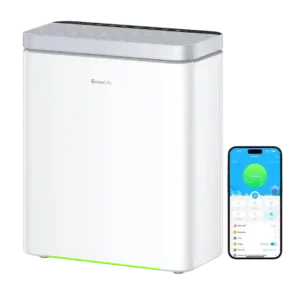
Choose the H7124 if you want a quiet smart purifier for odors, dust, pets, and app control. Skip it if you need foolproof Wi-Fi, wall-facing intake, UV light, or strong...
Pros: air purification performance, noise level
Cons: control placement
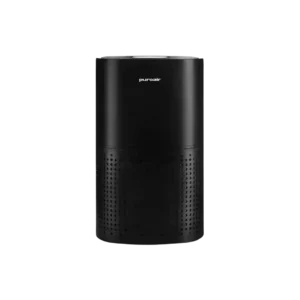
Best for quiet, simple cleaning in bedrooms or apartments. Skip it if you need verified large-room CADR value, app control, or guaranteed neighbor-smoke removal.
Pros: noise level, air purification performance
Cons: filter replacement cost, air quality sensor accuracy
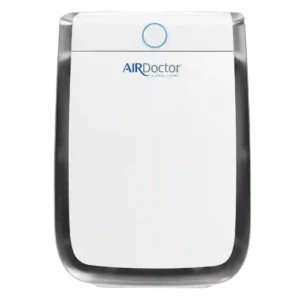
Best for strong room cleaning, allergy relief, odor control, and simple operation. Skip it if high filter costs, a larger footprint, or possible nighttime fan noise would bother you.
Pros: air purification performance, overall satisfaction
Cons: filter replacement cost
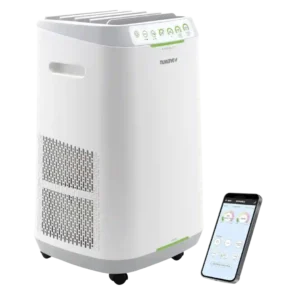
Choose this if you want strong odor, dust, smoke, and pet-air cleanup with washable filters. Skip it if turbo noise, Wi-Fi setup, or a high upfront price will bother you.
Pros: overall satisfaction, air purification performance