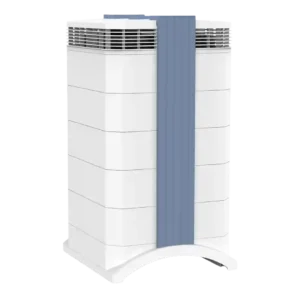
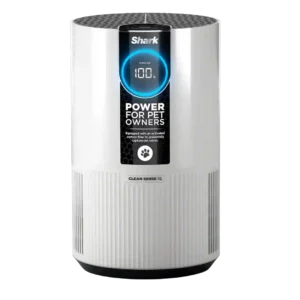
IQAir GC Multigas XE
Where It Has the Edge
No clear scored advantage over the other product.

Scorata scores summarize analyzed review evidence on a 1–5 scale; they are not laboratory measurements or a simple average of customer star ratings. Feature scores summarize the reviews covering that feature. The overall score averages feature scores within each review, then combines review averages. When both expert and customer evidence are available, those two groups receive equal weight. Products can have different review coverage, so small score gaps do not establish a winner.
Recommendations prioritize important features for the category, with a score of at least 3.5, a gap of at least 0.25 points and at least two supporting reviews per product. Features with widely varying scores or broad connectivity contexts are excluded from recommendations. These safeguards do not establish statistical significance.
Quick verdict
There is not enough consistent, comparable evidence for a clear recommendation. Use the feature details and supporting reviews to weigh the tradeoffs.
There is not enough comparable review evidence to recommend IQAir GC Multigas XE over the other product.
There is not enough comparable review evidence to recommend Shark HP102PET over the other product.
No clear scored advantage over the other product.
No clear scored advantage over the other product.
Scores are out of 5. Missing scores mean missing review evidence, not a missing feature.
Noise feedback is mixed. One owner found it super quiet for sleep, but others said full blast was loud, a prior unit rattled, or an unbalanced fan made the purifier vibrate even on low.
Quiet operation is a major strength, especially in bedrooms. Noise complaints mostly appear on high speed or when auto mode ramps up overnight.
Replacement costs were a sore spot in negative reviews. Owners cited expensive replacement filters and carbon-related replacement costs after already paying a premium for the purifier.
Replacement-filter cost is mixed, with one buyer finding filters cheaper than alternatives while others call them expensive or worry about frequent replacement.
Missing filters were a severe issue in multiple reviews. Owners reported units shipped without filters or with the main filters absent from the factory, making the filtration system unusable as received.
The multi-stage filter is liked where HEPA particle capture and activated carbon odor control are discussed together.
VOC sensing drew a strong complaint from a buyer who said auto mode never registered or reacted to obvious VOC levels. There is not enough positive VOC-sensor feedback to offset that specific failure report.
VOC sensor comments are practical and positive, especially around sprays, hair products, and gas-range use.
A chemically sensitive owner liked that the purifier reacted at low levels and ramped up before conditions felt severe. Sensor praise is present, but it comes from a small number of positive experiences.
Sensor feedback is mixed: many say it reacts quickly, while a few report stuck readings, clogs, or errors.
The carbon media got credit for tackling a severe VOC event, but one owner said an extreme sewage and cleaner incident saturated it quickly. It looks powerful for gas-heavy situations, with filter life depending heavily on exposure.
The activated carbon layer is credited with neutralizing odors in the most detailed pet-owner review.
Filter availability was a serious problem for one buyer who said carbon cartridges were out of stock with no ETA. For people who need the purifier for health reasons, that shortage made the purchase feel risky.
Replacement filters were easy for one buyer to find, but another notes that proprietary filters are part of ownership.
Listing accuracy drew concern from buyers who suspected used or incomplete units were sold as new. Missing factory filters and logged use time made some owners distrust what they received.
Listing accuracy is mixed, with complaints about size, pet-version differentiation, and the 500-square-foot claim.
Filter life has a real split: one happy owner expected more than a year for some filters, while heavy VOC exposure or another bad unit experience led to much shorter replacement timelines. Usage conditions appear to matter a lot.
Filter life varies widely. Some owners report months of use, while pet-heavy or dusty homes can burn through filters quickly.
Auto mode is one of the most split areas: happy owners said it ramps up when the air changes, while one VOC-focused owner said it stayed on low and failed to respond. Buyers relying on automatic VOC response should be cautious.
Auto mode is widely liked because it reacts to cooking, smoke, sprays, odors, pets, and poor air without manual adjustment.
Reliability is a major concern in the negative reviews. Owners reported a burnt smell after two months, rattling within weeks, and an unbalanced fan right out of the box.
Reliability is mixed. Many units run well, but sensor clogs, nonworking units, and post-filter performance drops show real risk.
Support experiences were mostly negative, with owners describing unanswered exchange requests, unhelpful chat guidance, copy-paste Wi-Fi advice, and frustrating return help. This is one of the clearest service complaints.
Support feedback is split between a positive Shark replacement and a very frustrating return experience.
Value is one of the weakest areas in negative reviews. Several buyers felt the high price was hard to justify when units arrived cracked, incomplete, plastic-feeling, hard to connect, or costly to return.
Value is mostly positive, with many calling it worth the money or a good investment. Filter costs and pet-version doubts are the main caveats.
Returns and replacements caused repeated frustration. Buyers described restocking fees, return shipping costs, slow refunds, and unreasonable return instructions after receiving defective or incomplete units.
Replacement and return experiences vary, from a smooth Shark replacement to a slow return and disappointment after installing new filters.
Arrival condition is a major pain point. Several owners received cracked, broken, dusty, incomplete, or filterless units, though one reviewer did say their unit arrived in wonderful shape.
Reviewers mention condition on arrival in a way that affects their satisfaction with the purifier.
Ease of use ranges from excellent to frustrating. Owners praised easy setup and app-guided filter replacement, but others found the out-of-box experience lousy or confusing without better instructions.
Reviewers mention ease of use in a way that affects their satisfaction with the purifier.
Documentation drew a direct complaint from an owner who could not find a manual or useful setup guidance. That left them unsure what controls and indicators meant.
Reviewers mention documentation quality in a way that affects their satisfaction with the purifier.
Portability complaints came from missing wheels and a heavy, awkward-feeling design. No one praised moving the unit around, so mobility confidence is low.
Portability has limited but positive feedback from a buyer who calls the unit lightweight.
Particle removal was only directly discussed by a buyer whose filterless unit did not change particulate readings. That result reflects a defective or incomplete unit rather than a full performance pattern.
Particle removal gets positive comments where reviewers mention contaminants or pollutants. The theme overlaps with broader praise for dust, smoke, and pet-related air cleaning.
Fan controls were appreciated by one owner who liked choosing manual fan settings or a balanced mode. Broader feedback on the speed range is limited.
Owners appreciate having multiple fan or setting choices, though higher settings can be louder.
Dust reduction received a clear positive note from an owner who said the room stayed cleaner with less dust. There is not enough feedback to judge dust performance across many homes.
Dust reduction is a recurring strength, with several buyers reporting less dusting or visible dust collected by the filter. One user was less convinced after still needing to dust furniture.
VOC performance is sharply split. Some owners praised it for chemical sensitivity and a severe basement VOC event, while others said VOC readings failed to improve, the unit did not react, or VOC levels rose during use.
VOC-related comments are limited but positive, mostly around sprays, hair products, and gas-range use triggering air-quality changes.
A gas-sensitive owner said sitting near the purifier made them feel obviously better. Another reported burning eyes, mouth irritation, and dizziness from fumes, making comfort outcomes highly dependent on the unit experience.
Breathing relief appears often in comments about COPD, sinuses, coughing, asthma symptoms, and pet allergies.
Real-time monitoring is a bright spot for app fans, who liked seeing indoor and outdoor air quality and watching the unit react. Negative sensor experiences show this benefit may not be consistent for every buyer.
The live air-quality percentage or display is reassuring for many buyers. Brightness can be annoying in dark bedrooms.
Odor and fume handling cuts both ways. Some owners said it kept fumes away or made air smell fresh, while others said units produced burnt, BBQ-like, or unhealthy gas smells.
Odor reduction is one of the clearest wins, with repeated praise for reducing dog smell, litter-box odor, cooking smells, mustiness, and stale room air.
Overall satisfaction is polarized. Enthusiastic owners loved the purifier and its results, while several unhappy buyers gave extremely low recommendations after quality, delivery, or support failures.
Reviewers mention overall satisfaction in a way that affects their satisfaction with the purifier.
Allergy-focused owners were very positive, with one calling the purifier a lifesaver and another saying it helped a lot. The strongest praise comes from people who bought it specifically for sensitivity or allergy relief.
Many buyers with allergies, sinus issues, or asthma-like symptoms describe easier breathing, fewer symptoms, or better sleep.
One VOC-heavy basement incident suggested the purifier could help protect an adjacent room from fumes. Room coverage feedback is promising but very limited.
Room coverage is mixed: many like it for bedrooms and smaller spaces, while some question larger-room or 500-square-foot expectations.
Maintenance is either app-guided and manageable or physically frustrating. Positive feedback mentions filter alerts, while a negative review says the arms would not stay locked and blocked HEPA access.
Maintenance is usually described as easy, but clogged sensors and fast-loading filters make upkeep more demanding for some owners.
Build quality earns both praise and heavy criticism. One owner called the quality superior, but many others complained about plastic construction, loose parts, rattling, and components that felt fragile or unsafe.
Build quality is generally praised with comments like quality, workhorse, and strong filter, though durability complaints appear elsewhere.
Design impressions are mixed but lean negative when construction enters the conversation. One owner liked the design visually, while others focused on plastic materials, heaviness, and unsafe-feeling access points.
Design feedback is positive, with buyers calling it sleek, modern, or easy to blend into a room.
The unit was described as physically significant, roughly three feet tall and narrow. Size did not dominate feedback, but buyers should expect a noticeable appliance rather than a compact purifier.
Most owners like the compact footprint and bedroom-friendly size. One buyer thought it looked larger than pictured.
Sleep feedback was positive from one owner who said the quiet operation and cleaner monitored air made sleeping easier and more comfortable. There is not much sleep-specific feedback beyond that.
Several buyers connect the purifier with better sleep or easier nights, especially during allergy, sinus, or smoke problems.
Many owners felt a clear improvement in air quality, sometimes within an hour or less. The downside is serious: several damaged or filterless units reportedly made no difference or even made the air feel worse.
The display is generally liked for clarity and reassurance, but it can be too bright for dark rooms.
Reusable-filter expectations are a drawback because one reviewer says the filters are not reusable.
Air-change feedback is negative in the one review that compares once-hourly cleaning with a higher CADR-style expectation.
One owner connected the louder high setting to a strong fan, seeing the airflow as part of the purifier's power. There is only light feedback on circulation, so this is more a single-user impression than a broad pattern.
The one CADR-focused comment is negative, arguing the practical CADR is lower than the room-size claim implies.
HEPA filtration is praised in the detailed reviews that discuss particle capture and cleaner-feeling air.
Indicator-light control is helpful when lights can be turned off; bright lights are a repeated sleep complaint.
Initial or emitted smells are a serious mixed-to-negative theme. One owner was still airing out new-machine chemicals, while others reported burnt or weird fume smells and physical irritation.
Mold-related feedback is limited to a musty older-home experience where the buyer connected cleaner air with less coughing.
Pet owners frequently report better air around dogs, cats, litter boxes, pet hair, and dander. Heavy pet homes may need more filter care.
Particulate-category detection gets a narrow but positive mention from a buyer who liked seeing different particle categories measured.
Sleep mode and nighttime display controls are appreciated by bedroom users who want the purifier running without bright lights.
Smoke and wildfire-related feedback is strongly positive. Reviewers say the unit reacts to fire smoke, cooking smoke, vaping, and bad outdoor air.
The app divides owners sharply. Some liked checking air quality and controlling the purifier from the app, while another owner found the app far worse than a competing Dyson setup.
Smart controls were useful for an owner who liked remote app control and automatic ramping. Other connectivity complaints mean the smart experience is not guaranteed to feel smooth.
Wi-Fi reliability was a clear frustration. Owners described difficult setup, network compatibility limitations, and one unit that could not be scanned at all.
Durability is polarized: some report long trouble-free use, while others say the unit failed within nine months to just over a year.
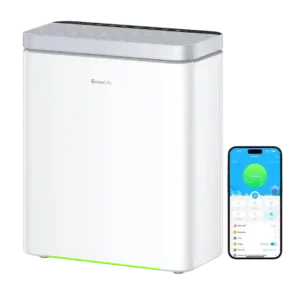
Choose the H7124 if you want a quiet smart purifier for odors, dust, pets, and app control. Skip it if you need foolproof Wi-Fi, wall-facing intake, UV light, or strong...
Pros: air purification performance, noise level
Cons: control placement
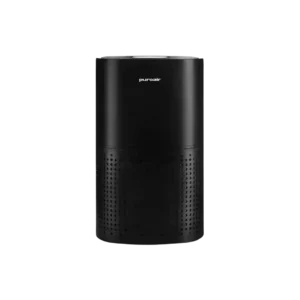
Best for quiet, simple cleaning in bedrooms or apartments. Skip it if you need verified large-room CADR value, app control, or guaranteed neighbor-smoke removal.
Pros: noise level, air purification performance
Cons: filter replacement cost, air quality sensor accuracy
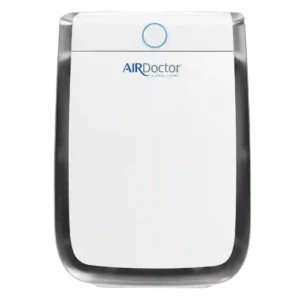
Best for strong room cleaning, allergy relief, odor control, and simple operation. Skip it if high filter costs, a larger footprint, or possible nighttime fan noise would bother you.
Pros: air purification performance, overall satisfaction
Cons: filter replacement cost
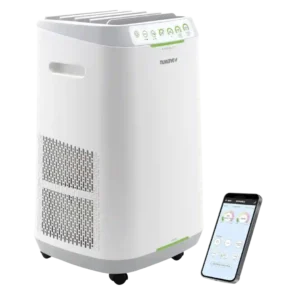
Choose this if you want strong odor, dust, smoke, and pet-air cleanup with washable filters. Skip it if turbo noise, Wi-Fi setup, or a high upfront price will bother you.
Pros: overall satisfaction, air purification performance