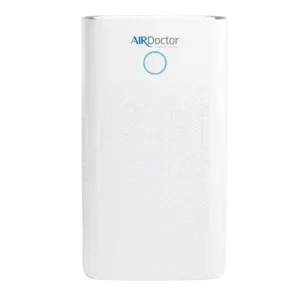
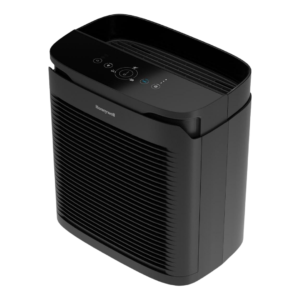
AirDoctor AD5500
Where It Has the Edge
No clear scored advantage over the other product.

Scorata scores summarize analyzed review evidence on a 1–5 scale; they are not laboratory measurements or a simple average of customer star ratings. Feature scores summarize the reviews covering that feature. The overall score averages feature scores within each review, then combines review averages. When both expert and customer evidence are available, those two groups receive equal weight. Products can have different review coverage, so small score gaps do not establish a winner.
Recommendations prioritize important features for the category, with a score of at least 3.5, a gap of at least 0.25 points and at least two supporting reviews per product. Features with widely varying scores or broad connectivity contexts are excluded from recommendations. These safeguards do not establish statistical significance.
Quick verdict
The available evidence supports the recommendation below, but does not establish an overall winner. Check the remaining features against your priorities.
There is not enough comparable review evidence to recommend AirDoctor AD5500 over the other product.
Choose Honeywell HPA3100 for filter availability and size and footprint.
No clear scored advantage over the other product.
Scores are out of 5. Missing scores mean missing review evidence, not a missing feature.
Air cleaning is the AD5500’s clearest strength, with lab testing and owners repeatedly saying rooms feel cleaner and the unit works well in offices, large living spaces, and dusty homes. One customer sharply disagreed, saying it did not clean well or handle gases.
Most owners say the purifier makes rooms feel cleaner, fresher, or noticeably improved, with several using it continuously in bedrooms and living areas. A few less enthusiastic reviews still say it works, though one questioned whether it was doing much.
Replacement cost is the most repeated complaint. Expert reviews and owners point to proprietary, multi-filter replacement sets as expensive, sometimes comparing the ongoing cost to printer ink.
Filter cost is split. Some buyers like cheap generic replacements or reasonable supplies, while others find replacements expensive enough to be the main downside.
Noise impressions depend heavily on speed. Owners often call it very quiet in normal or auto operation, while expert testing says the maximum setting is louder than average.
Noise is the most divided trait. Many call it quiet or pleasant white noise, but a sizable group reports hum, buzz, rattling, high pitch, or loud operation even on low.
Filter availability is a recurring frustration. Reviewers note the lack of third-party options, and one owner said replacements were hard to find or sold out on Amazon.
Filter availability is a recurring advantage. Owners like that filters are easy to find, shared across Honeywell sizes, and available from multiple vendors.
Listing or claim accuracy is questioned in one gas-removal complaint. The reviewer said the manufacturer made claims without testing, creating a serious trust issue for that use case.
Listing accuracy is inconsistent. One buyer said the item matched the description, while another found a major square-footage mismatch between the listing and the box.
Filter life is mixed: one owner liked that vacuuming can extend filter life, while another disliked that filters must be replaced every six months. Long-term cost matters here.
Filter life varies with conditions. Some users stretch life by vacuuming or get several months, while dusty or pet-heavy settings can require weekly or more frequent attention.
The washable pre-filter is a practical plus for keeping larger debris out of the main filters. Reviewers liked being able to wash or clean that outer layer as needed.
The washable or rinseable pre-filter gets a small but enthusiastic mention. A project user liked being able to vacuum and rinse it rather than discard it immediately.
The carbon filter is a major part of the filtration stack, with reviewers calling out heavy activated carbon and VOC/odor targeting. Customer experience is more mixed when broader gas-removal expectations are involved.
Carbon-filter feedback is strong when owners add or use the carbon layer. Reviewers say it helps with cooking odors, chemical vapors, and general smells.
The multi-stage, dual-side filtration system is a defining feature. Reviewers like that each side uses pre-filter, carbon/VOC, and HEPA filtration to move a lot of air through several layers.
Filter staging is praised in a nail-work setup where the three-filter arrangement handles dust and vapors. The layered design is treated as useful rather than just a spec.
The pre-filters are praised for catching larger debris before it reaches the main filters. Pet hair, lint, large dust, and washable/vacuumable maintenance come up as practical benefits.
The pre-filter gets practical praise for catching dust before it reaches deeper filters. One buyer finds it coarse but useful, and another likes that it can be cleaned.
Reliability is sharply split. One long-term owner recommended it after two years, but two other owners reported failures around the one-year mark.
Reliability is often praised by owners who run the unit nonstop or have used Honeywell purifiers for years. The strongest negative reliability notes involve noise developing after use or early motor failure.
Customer support feedback is limited but negative. The one direct comment called the service center unhelpful while also complaining about missing Wi-Fi capability.
Support feedback is mixed. One buyer was frustrated by being asked to return the whole unit for a missing filter, while another said warranty support handled a motor failure quickly.
Arrival condition is only mentioned once, but positively. The owner said the unit arrived on time and well packaged.
Arrival and order accuracy had a couple of problems. One buyer was missing a filter, and another received unrelated car armrests along with the purifier.
Warranty coverage receives mixed feedback. A video reviewer considered the one-year warranty good, while an owner felt a one-year window was inadequate after panel failure.
Warranty coverage receives a strong positive note from an owner whose motor failed after three months. They called the warranty excellent.
Value depends on whether the big-room performance justifies the ownership cost. Some owners call it worth the money or their best purchase, while others say the price and filters make it a poor deal.
Value is generally favorable, with many calling it well priced, a good value, or a cost saver. A few buyers felt filter costs, discontinuation pricing, or rapid problems weakened the value.
Replacement or return experience is only discussed in one case, and Amazon’s return process was positive. The product itself was returned because of scent sensitivity.
Replacement experiences are mixed. One replacement fit and worked well, but another owner had the same rattling problem after receiving a replacement unit.
Ease of use is a strong point. Expert reviewers and owners like the simple setup, top controls, auto behavior, and set-it-and-forget-it operation.
Ease of use is a consistent strength. Owners describe simple operation, easy setup, intuitive controls, and easy filter installation.
Real-time monitoring is useful and easy to understand, thanks to the front light ring and color changes. Several owners specifically liked seeing how clean the air was without opening an app.
Real-time monitoring is a weakness for buyers who want sensor feedback. One owner still liked the cleaning performance but called out the missing air-quality sensor.
Sleep-friendly controls are a plus, especially the dimming or lights-off behavior. Owners liked being able to reduce light pollution for bedroom or nighttime use.
Sleep use depends heavily on the specific sound. Some owners like the low setting for sleeping, while others say hum, pitch, or rattling makes it a poor bedroom choice.
Initial scent is the clearest comfort complaint. One owner said the unit produced a fabric-softener-like smell even with the ionizer off, making it unsuitable for scent-sensitive users.
Initial smell is mixed. Some owners report no nasty aroma, while another says the unit kept giving off an unpleasant plastic odor for weeks.
Air circulation is a strength tied to the AD5500’s high airflow and vertical exhaust. Reviewers say it pushes air strongly, with wind-speed testing ranking among the highest they had measured.
Air movement is mostly praised for moving a lot of air and freshening stagnant rooms. A few owners found it weak or worried debris buildup could block airflow.
Breathing relief can be excellent for allergy households, with one owner saying they could breathe freely and another loving the cleaner air. A scent-sensitive owner had the opposite experience and felt worse after overnight use.
Breathing relief is one of the product's strongest shopper-facing benefits. Asthma, allergy, coughing, sneezing, and stuffy-nose comments repeatedly describe noticeable improvement.
Maintenance is split between easy access and high cost. The panels and filters are simple to manage, but yearly replacement costs and the number of filters make upkeep expensive.
Maintenance is mostly easy when it comes to accessing, vacuuming, or installing filters. The one sharp complaint is debris collecting in an unreachable top area.
Timer and mode options are appreciated as simple scheduling tools. Owners mention using timers or different modes without treating the unit as complicated.
The timer is appreciated as a simple convenience. Owners like being able to set auto-off intervals or have it shut itself off.
Room coverage is one of the strongest points, with experts and owners using it for large open spaces, offices, basements, and whole-home-style areas. It is repeatedly described as built for very large rooms rather than bedrooms alone.
Room fit is generally positive for bedrooms, medium rooms, large rooms, and multi-room use. The main caveats are a listing mismatch on square footage and noise making some living spaces less comfortable.
Indicator lights are one of the more liked usability touches. Reviewers and owners appreciate the color-changing air-quality ring and filter/status lights.
Indicator-light feedback is split but specific. Some like dimmable or barely noticeable lights, while others dislike a light that cannot be turned off or a design with no light.
The controls are placed on the top panel and described as easy to use. This suits direct interaction, especially since the standard model lacks a remote.
Control improvements are called out positively by one repeat Honeywell buyer. Better controls and multiple light settings made the newer unit more convenient.
Pollen performance is praised mostly through allergy and pet-use experiences. One owner with ragweed issues said the unit made a major difference, while a video reviewer highlighted dust and pollen brought indoors by pets.
Pollen feedback is limited but positive. One owner specifically says it seems to help with dust and pollen particles.
The HEPA filtration is generally treated as a core strength, with expert reviewers praising the H13/UltraHEPA-style particle capture. One scent-sensitive owner, however, felt the HEPA/carbon setup should have been odorless and was not.
HEPA filtration is viewed positively by buyers who rely on Honeywell HEPA filters for pollution or regular use. Comments focus more on practical confidence than technical testing.
Overall satisfaction is mostly high among owners, with many short reviews saying they love it, recommend it, or bought more than one. Negative reviews center on scent sensitivity, cost, and reliability rather than basic cleaning power.
Overall sentiment is mostly positive, with many owners saying it works well, they would recommend it, or they would buy again. Negative overall reactions are usually tied to noise, odor, or early reliability trouble.
Despite its size, the AD5500 is considered easy to move. Wheels and a relatively manageable body help owners roll it between large rooms or around open spaces.
Portability gets a positive mention from a wildfire-area buyer using multiple units. The medium size was considered easier to move and not heavy.
Smoke handling is supported by expert smoke/incense testing, where the purifier rapidly reduced polluted air readings. This is one of the more objectively tested strengths.
Smoke-related feedback is favorable, including wildfire season, cooking smoke, cigarettes, and a small smoking room. Owners using smoke or forest-fire situations describe it as working well or even fantastic.
Fan control is flexible, with six speeds or multiple operating modes mentioned. Owners like having options, especially when balancing quiet everyday operation against stronger bursts for cooking or pollution events.
Speed options are useful for matching noise and cleaning needs. Owners mention three speeds and using lower ranges at home while turning it up when away.
Odor results are mostly positive, especially for cooking and pet smells, with auto mode spinning up when odors appear. The main caveat is one owner who found the unit itself produced an unacceptable scent.
Odor control is mostly positive for cat smell, cooking odors, candle scent, and fresh-smelling air. One owner had the opposite experience, saying the unit itself gave off an unpleasant odor.
VOC and gas-related feedback is split. Expert reviewers like the carbon/VOC filter setup, but one customer disputed the gas and formaldehyde claims and said the device did not clean gases.
VOC and vapor comments are mixed by setup. One buyer did not expect the basic filters to remove VOCs, while another praised the carbon layer for chemical vapors from nail products.
Dust removal gets strong marks from both owners and reviewers, including cat-litter dust and pet-tracked debris. Several comments describe noticeably cleaner air or less dust in the home.
Dust control is one of the clearest strengths, with owners seeing less dust on surfaces and dusty filters after use. It also gets praise for nail dust and general household dust in pet-heavy homes.
Allergy relief can be meaningful for the right home. One owner with seasonal allergies described the AD5500 as a major improvement when running in a large open living space.
Allergy relief is a major bright spot, with owners reporting less medicine, less sneezing, and better tolerance around pets. Several asthma or seasonal-allergy users describe meaningful daily comfort gains.
Particle-removal results are very strong in the expert tests, with airborne particulates dropping dramatically during the first hour. Both expert sources frame this as a standout performance area.
Customers credit it with capturing fine household and project particles, from soot near traffic to nail dust and visible debris. Several point to dust or buildup on filters as proof that particles are being pulled from the air.
Pet homes are a natural fit for this model. Reviewers point to pet odors, dander, pet hair, and litter dust as areas where the AD5500’s airflow and pre-filters help.
Pet-dander comments are strongly positive where allergies are involved. Owners with birds or cats describe the purifier as helping them tolerate pet allergens better.
Sleep benefit is not universally positive. One scent-sensitive household had a bad overnight experience, even though other reviews liked the dimming controls for nighttime use.
Sleep-quality benefits show up when breathing improves at night. Owners mention cleaner nighttime air and being able to sleep better.
The AD5500 is big, and reviewers do not hide that. Its footprint is part of the tradeoff for large-room power, though one owner who already liked AirDoctor units enjoyed having the larger version.
Owners generally find the unit compact and bedroom-friendly. It is described as small enough for a dresser and not taking up much space.
Build quality scores well in expert hands-on reviews. The purifier feels sturdy and well-constructed, with properly fitted panels and a stable base.
Build quality ranges from sturdy and well made to cheap-feeling in the most negative reviews. A safety complaint about a sharp rim also weighs on this attribute.
The side handles make the large unit easier to manage. Reviewers specifically mention using them to lift or reposition the purifier when wheels are not enough.
The built-in handle earns positive feedback from a long-time Honeywell user. It makes the redesigned unit easier to handle.
Durability is mixed. Experts noted a possible weak point in the plastic filter-cover clips, while two owners reported button or panel failures after about a year.
Durability is mixed. Some owners cite years of service, while others report motor failure, sound deterioration, or doubts after a short time.
Design feedback is positive but limited. One owner called the unit attractive, light, and easy to roll around, suggesting it is not as awkward as its size might imply.
Appearance is mostly liked when owners mention it, especially the new look and compact design. One unhappy buyer disliked the grille and thought the design looked cheap.
Smart behavior mostly means automatic sensing rather than a full connected platform. The hands-free auto response is appreciated, but the standard model remains simple compared with app-enabled alternatives.
Smart-feature feedback is modest and mixed. Some like the basic features, but others note the lack of an air-quality sensor or say extra monitor features were not useful to them.
The two-air-changes-per-hour claim is treated positively in large-space recommendations. Expert reviews use it to explain why the unit suits very large rooms and small offices.
CADR is presented as a major strength, with expert reviews calling the 534 CFM figure impressive for large-room purification. It supports the AD5500’s positioning as a high-airflow machine.
Documentation gets light but positive feedback from one owner who followed the included instructions and had the unit running quickly. There are no broader complaints about the manual.
Formaldehyde removal is disputed by one customer, who said the device did not clean gases despite the manufacturer’s declaration. No positive hands-on formaldehyde result appears in the reviews.
The ionizer is presented as optional and easy to toggle, which helps address ozone concerns. One owner also felt it could help the purifier clean faster after stronger odor events.
Ozone performance is reassuring in the expert tests. Despite having an optional ionizer, the AD5500 produced no measurable ozone in those reviews.
Pet-hair capture gets a lukewarm mention. One owner felt the unit could be stronger for pet hair.
Power use drew one caution from a video reviewer, who said the unit uses more electricity than smaller AirDoctor models. The concern is modest compared with filter costs but still noted.
Remote control is a weakness of the standard model. Expert reviews note that buyers must interact with the unit directly because there is no remote control.
Safety concerns are rare but serious. One buyer reported cutting tendons after falling onto a sharp rim around the top.
Settings retention is a requested improvement rather than a strength. One owner wanted it to restart with the same settings after a power outage.
Virus-reduction confidence appears only through the expert FAQ, which cites AirDoctor’s stated SARS-CoV-2 removal claim. It is not independently tested in the supplied reviews.
The air-quality sensing earns positive comments from owners and reviewers who saw it react to kitchen activity and worsening air quality. The feedback is practical rather than lab-verified, but generally favorable.
Auto mode is repeatedly praised as a set-it-and-forget-it feature. Reviewers and owners say it reacts to kitchen odors, changing air quality, and everyday conditions without much manual adjustment.
Display visibility is generally positive, with backlit icons and the ability to turn lights off when needed. The display is easy to read without becoming intrusive at night.
Reviewers describe the HEPA layer as unusually capable, citing very small particle capture and performance beyond standard HEPA language. It reinforces the AD5500’s premium filtration positioning.
App connectivity is a weakness for the standard AD5500. Expert reviews and one owner note the lack of app or Wi-Fi capability, while another reviewer found the connected version’s premium reasonable but optional.
Wi-Fi feedback is mixed because the standard unit has little to evaluate: one reviewer discussed the Wi-Fi model, while a customer criticized this model for having no Wi-Fi capability. Buyers wanting connected controls should be careful which version they choose.
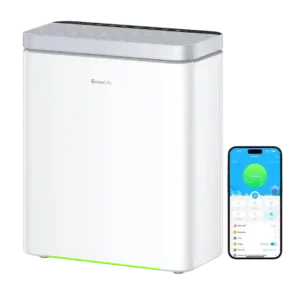
Choose the H7124 if you want a quiet smart purifier for odors, dust, pets, and app control. Skip it if you need foolproof Wi-Fi, wall-facing intake, UV light, or strong...
Pros: air purification performance, noise level
Cons: control placement
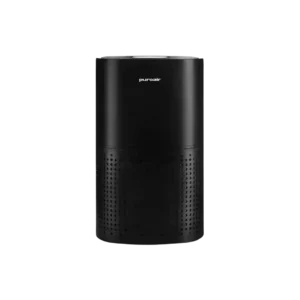
Best for quiet, simple cleaning in bedrooms or apartments. Skip it if you need verified large-room CADR value, app control, or guaranteed neighbor-smoke removal.
Pros: noise level, air purification performance
Cons: filter replacement cost, air quality sensor accuracy
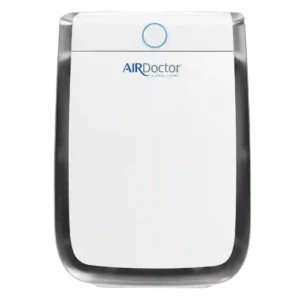
Best for strong room cleaning, allergy relief, odor control, and simple operation. Skip it if high filter costs, a larger footprint, or possible nighttime fan noise would bother you.
Pros: air purification performance, overall satisfaction
Cons: filter replacement cost
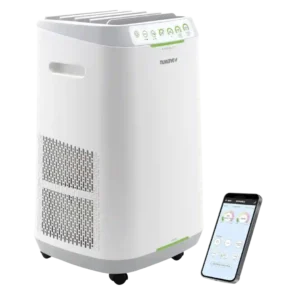
Choose this if you want strong odor, dust, smoke, and pet-air cleanup with washable filters. Skip it if turbo noise, Wi-Fi setup, or a high upfront price will bother you.
Pros: overall satisfaction, air purification performance