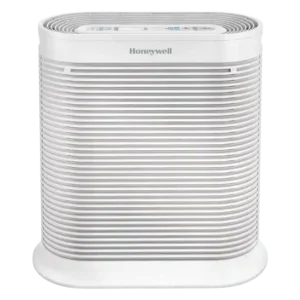
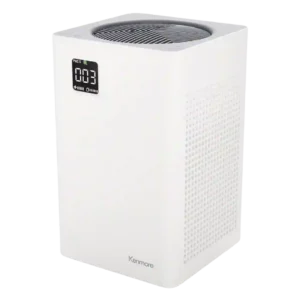
Honeywell HPA304
Where It Has the Edge
- scheduling options is 5.0 vs 4.6. Customer evidence for scheduling options is positive across the scored reviews.

Scorata scores summarize analyzed review evidence on a 1–5 scale; they are not laboratory measurements or a simple average of customer star ratings. Feature scores summarize the reviews covering that feature. The overall score averages feature scores within each review, then combines review averages. When both expert and customer evidence are available, those two groups receive equal weight. Products can have different review coverage, so small score gaps do not establish a winner.
Recommendations prioritize important features for the category, with a score of at least 3.5, a gap of at least 0.25 points and at least two supporting reviews per product. Features with widely varying scores or broad connectivity contexts are excluded from recommendations. These safeguards do not establish statistical significance.
Quick verdict
The review evidence points to a tradeoff: scheduling options versus size and footprint and air circulation. Choose according to which strengths matter more to you; the overall score alone does not settle that choice.
Choose Honeywell HPA304 for scheduling options.
Choose Kenmore PM2010 for size and footprint and air circulation.
Scores are out of 5. Missing scores mean missing review evidence, not a missing feature.
Air purification performance is a major strength across customer reviews.
Most owners describe noticeably fresher air, quick cleanup after cooking, smoke, pets, or dust, and better air in bedrooms and living areas. A smaller group found it underpowered, ineffective, or tied to failures that spoiled the experience.
Noise level is mixed, with quiet low settings and loud high or turbo settings.
Quiet operation is one of the product’s strongest recurring strengths, especially on low, auto, and sleep settings. The tradeoff is that higher speeds can be loud enough to hear over TV or feel intrusive in small rooms.
Customer evidence for filter replacement cost is negative across the scored reviews.
Filter cost splits owners. Several call replacements affordable or not hard to budget for, but others say ongoing filter costs are expensive, especially in homes with multiple cats or frequent replacements.
Customer evidence for listing accuracy is positive across the scored reviews.
The 1200 sq ft room claim drew skepticism from a small-room user who would not trust it for that full coverage. Coverage praise exists elsewhere, but this claim is not universally accepted.
Customer evidence for filter availability is mixed across the scored reviews.
Replacement availability gets reassuring comments from buyers who wanted a trusted brand. Owners specifically liked that true Kenmore filters were available and not hard to find.
Customer evidence for filter life is mixed across the scored reviews.
Filter life is mixed. Some owners report long life, six months of use, or plenty of life after greasy smoke, while others with pets or smaller rooms burn through filters much faster.
Customer evidence for filter stages is positive across the scored reviews.
The two-filter setup is viewed as a plus, with owners liking the dual-sided intake and the idea of doing more work with less effort. No one complained about the filter-stage layout itself.
Customer evidence for true HEPA filter is positive across the scored reviews.
The H13 True HEPA filter is described as making a real difference for dust and morning allergies. True HEPA feedback is strong but comes from a small slice of the comments.
Customer evidence for reliability is negative across the scored reviews.
Reliability is inconsistent. Positive reports mention months of steady use, but recurring complaints involve shutoffs, defective buttons, bad sensors, and units that stop working early.
Customer evidence for customer support is mixed across the scored reviews.
Customer support is a consistent pain point in negative reviews. Owners describe difficulty reaching help, replacement delays, being put on hold, and feeling abandoned after failures.
Customer evidence for replacement experience is mixed across the scored reviews.
Replacement experience is one of the roughest areas. Owners report unavailable replacement parts, long replacement waits, backorders, and frustrating warranty-style steps.
Condition on arrival is a recurring weakness because several units or filters arrived damaged.
Arrival experience is mixed. One unit arrived early and smaller than expected, while another buyer received damaged boxes and a replacement that appeared broken.
Value for money is mixed between strong worth-it comments and complaints about price increases or filter costs.
Value is a major selling point when the purifier works, with buyers praising the price, sale cost, and performance compared with more expensive options. Value falls when filters add up or reliability problems appear.
Customer evidence for ease of use is mixed across the scored reviews.
Setup and basic use are often described as simple, especially removing filter plastic, plugging in, and using auto mode. The repeated exception is the power/control buttons, which make some units frustrating to start or reset.
Customer evidence for real-time air quality monitoring is negative across the scored reviews.
Owners like seeing air quality in real time, especially when cooking, changing sheets, burning candles, or watching particle counts drop. Some enjoy the display enough that it becomes part of how they manage indoor air.
Customer evidence for energy efficiency is negative across the scored reviews.
One owner liked that the purifier runs hardest only when needed, framing auto mode as a way to save filter use and avoid constant top-speed cleaning. Energy-related feedback is otherwise minimal.
Customer evidence for HEPA filtration is negative across the scored reviews.
HEPA-related comments are generally positive, especially where owners connect the filter to dust, pollen, and cleaner air. One pet-heavy household flagged frequent HEPA filter replacement as expensive.
Customer evidence for indicator lights is positive across the scored reviews.
Indicator lights are the most divisive design feature. Some owners like the filter indicator, night mode, or light level, while many bedroom users say the LEDs or screen are too bright.
Customer evidence for documentation quality is mixed across the scored reviews.
Documentation is mixed: one buyer found the filter-plastic warning clear, while another said the manual’s contact information was no good. It is not a major strength or weakness for most owners.
Customer evidence for particle removal effectiveness is positive across the scored reviews.
Particle cleanup is praised when the display drops back into the green or when dirty filters show how much grime was captured. The strongest comments describe fast recovery after smoke or visible debris.
Customer evidence for portability is positive across the scored reviews.
Portability gets a clear positive mention from an owner who moves the smaller unit easily and keeps it near the bed. There is little broader feedback on carrying or handles.
Customer evidence for room coverage is positive across the scored reviews.
Room coverage is mostly praised in bedrooms, upstairs areas, living spaces, and smaller homes, with some owners buying additional units for more coverage. The 1200 sq ft claim is not universally trusted, and heavy pet/dirt conditions can overwhelm it.
Odor reduction is usually positive, especially for pets, smoke, and cooking smells, with one weaker cooking-odor report.
Odor reduction is frequently praised for cooking smells, smoke, cat litter, diapers, pets, and stale indoor air. A few users wanted stronger odor elimination, but most odor-specific comments are favorable.
Customer evidence for air circulation is positive across the scored reviews.
Air circulation feedback is positive where mentioned, with owners saying the unit moves plenty of air while staying quiet. Circulation is usually discussed as part of cleaner, fresher rooms.
Customer evidence for scheduling options is positive across the scored reviews.
Timer and scheduling controls are appreciated for setting run times and programming the unit around daily use. Feedback is positive, with the only control-related complaints showing up elsewhere around button feel.
Customer evidence for pet dander removal is positive across the scored reviews.
Pet dander control lands well with animal households. Owners with cats, dogs, rabbits, or bedrooms shared with pets describe dander and dust being reduced quickly.
Customer evidence for fan speed options is positive across the scored reviews.
Fan speed flexibility is a popular strength, especially the five speeds and manual control. The main drawback is that some sleep/light settings limit the fan level users can choose.
Allergen reduction is one of the strongest outcome themes.
Allergy relief shows up often, with owners mentioning less congestion, fewer morning symptoms, less sneezing, or no longer needing the same allergy routine. One failed unit left a buyer seeing no allergy benefit.
Dust removal is one of the clearest repeated positives.
Dust reduction is one of the clearest strengths. Pet owners and allergy sufferers repeatedly mention less dust on surfaces, dust collected in the filters, or less dusty air overall.
Customer evidence for remote control is negative across the scored reviews.
Remote control feedback is simple: a couple of owners wish the purifier had one. The lack of a remote matters most when buttons are already hard to use.
Customer evidence for maintenance ease is positive across the scored reviews.
Maintenance is usually considered easy: owners vacuum filters, clean them for longer life, or replace them without fuss. Heavy dirt and pet homes may need much more frequent filter cleaning.
Overall satisfaction is generally high, though quality-control failures drive some very negative experiences.
Overall satisfaction is high among owners focused on cleaner air, quiet operation, auto mode, and price; many bought another unit or would recommend it. Negative satisfaction comes from failed units, bad buttons, and poor support.
Customer evidence for pollen removal is positive across the scored reviews.
Pollen feedback is positive but narrower than dust feedback. Owners who mention pollen connect it with allergy relief and HEPA-style capture of airborne contaminants.
Smoke removal is strongly supported in fire, cigarette, and wood-smoke situations.
Smoke cleanup is a standout use case, especially for apartments, cooking smoke, and bedroom smoking. Several owners say the unit ramps up fast and clears smoke or smoke smell impressively.
Customer evidence for control placement is negative across the scored reviews.
Controls are the most repeated usability complaint. Many owners say the power button, timer button, or top buttons are hard to press, finicky, poorly designed, or tricky to learn.
Customer evidence for size and footprint is negative across the scored reviews.
Most size comments are favorable: owners call it compact, small enough for a nightstand, or not bulky. A few note it is bigger than expected or only suitable for key small-room areas.
Several reviewers connected cleaner air or bedroom use with better sleep or sleeping more comfortably.
Sleep comfort is mixed. Some owners like the white noise and night use, while others say bright lights or sleep-mode fan limits make bedroom use harder.
Customer evidence for design and appearance is mixed across the scored reviews.
Design feedback is mostly favorable, with owners calling it sleek, simple, cute, or a good match for a room. Complaints focus on bright-light design choices and an annoying sticker.
Customer evidence for durability is mixed across the scored reviews.
Durability is a major weak spot compared with the cleaning praise. Some units run well for months, but multiple owners report failures after a few months, around a year, or just under two years.
Build quality is mixed to negative because several users report loose panels, broken plastic, or poor fit.
Build quality is split. Some buyers call the unit well built or nicely made, while others received damaged, rattling, or low-quality units that undermined confidence.
Customer evidence for smart features is mixed across the scored reviews.
Feature satisfaction is positive in a brief comment that liked the quiet operation, compact size, and overall feature set. Smart-feature feedback is otherwise mostly about auto mode and the air-quality display.
One reviewer felt the purifier made the air drier and suggested pairing it with a humidifier.
Breathing-related feedback is mostly positive, with owners mentioning less congestion, better breathing, allergy comfort, or relief from smoky apartments. One buyer with lung issues was unsure it helped.
Customer evidence for mold spore reduction is positive across the scored reviews.
Pet hair capture is mentioned through cat hair collected on the filters. The comment is positive, though pet-related feedback more often focuses on dander, dust, and odors.
The PM2.5 readout is described as a useful LCD feature, and one owner was impressed watching it drop after a smoke test. PM2.5 feedback is enthusiastic but not widely repeated.
One owner liked that the fan gives sleep-friendly white noise without filling the room with cold air. Temperature-mixing feedback is positive but very narrow.
Customer evidence for safety certifications is mixed across the scored reviews.
Settings retention is a drawback after power outages. One owner disliked that the unit has to be turned back on instead of resuming automatically.
Sleep mode is appreciated for quiet operation and turning off lights, but it is also one of the more mixed features. Several owners dislike that sleep mode locks the fan to a low setting or limits white-noise use.
One reviewer noted the unit was not guaranteed to eliminate viruses, limiting confidence for that use case.
The sensor earns strong praise for reacting to cooking, dust, candles, laundry, cats, smoke, and other air changes. Reliability is the caveat, with a few reports of stuck, malfunctioning, or overly aggressive sensors.
Auto mode is one of the most-liked features, with owners loving how it senses cooking, smoke, dust, sprays, candles, or litter box activity and ramps the fan automatically. A few units had sensor or auto-mode failures, and one owner found the fan changes too frequent.
The display is generally easy to read and useful, showing air quality, fan level, filter status, or color-coded information. Brightness complaints are tied more to indicator lights than readability.
Customer evidence for pre-filter quality is positive across the scored reviews.
One buyer loved the washable filters and the ability to see what stirred up air quality. Washable-filter praise is positive but not a major recurring theme.
App connectivity is mostly a non-issue for the owners who mention it. They note there is no app or phone control, but both still felt the purifier handled the core job well.
Warranty coverage sounds reassuring on paper, but the owner who invoked it was unhappy with the slow replacement process. The warranty did not offset the support frustration.
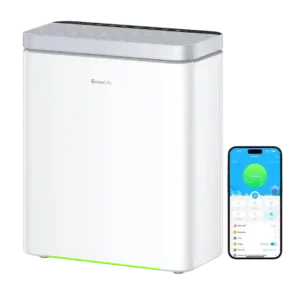
Choose the H7124 if you want a quiet smart purifier for odors, dust, pets, and app control. Skip it if you need foolproof Wi-Fi, wall-facing intake, UV light, or strong...
Pros: air purification performance, noise level
Cons: control placement
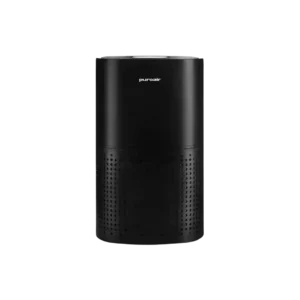
Best for quiet, simple cleaning in bedrooms or apartments. Skip it if you need verified large-room CADR value, app control, or guaranteed neighbor-smoke removal.
Pros: noise level, air purification performance
Cons: filter replacement cost, air quality sensor accuracy
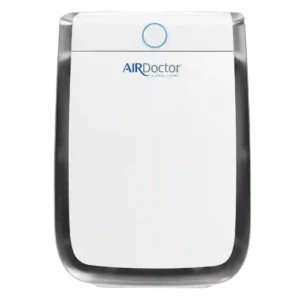
Best for strong room cleaning, allergy relief, odor control, and simple operation. Skip it if high filter costs, a larger footprint, or possible nighttime fan noise would bother you.
Pros: air purification performance, overall satisfaction
Cons: filter replacement cost
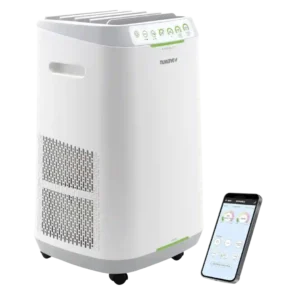
Choose this if you want strong odor, dust, smoke, and pet-air cleanup with washable filters. Skip it if turbo noise, Wi-Fi setup, or a high upfront price will bother you.
Pros: overall satisfaction, air purification performance