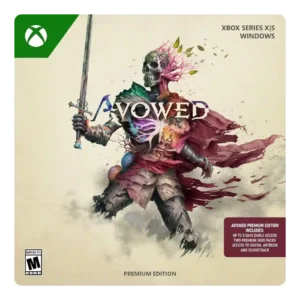
Compare Avowed vs Tales of Eternia Remastered

Avowed

Avowed

Overall score 3.7 / 5

Based on 29 scored reviews

vs
Tales of Eternia Remastered

Tales of Eternia Remastered

Overall score 3.8 / 5

Based on 31 scored reviews

How we score

Scorata scores summarize analyzed review evidence on a 1–5 scale; they are not laboratory measurements or a simple average of customer star ratings. Feature scores summarize the reviews covering that feature. The overall score averages feature scores within each review, then combines review averages. When both expert and customer evidence are available, those two groups receive equal weight. Products can have different review coverage, so small score gaps do not establish a winner.

Recommendations prioritize important features for the category, with a score of at least 3.5, a gap of at least 0.25 points and at least two supporting reviews per product. Features with widely varying scores or broad connectivity contexts are excluded from recommendations. These safeguards do not establish statistical significance.

Quick verdict

What each product is best for

The review evidence points to a tradeoff: tutorial quality and level design versus grind level and value for money. Choose according to which strengths matter more to you; the overall score alone does not settle that choice.

Choose Avowed for tutorial quality and level design.

Choose Tales of Eternia Remastered for grind level and value for money.

Why these recommendations?

Avowed

Where It Has the Edge

  • tutorial quality is 4.9 vs 2.3. The tutorial was praised for teaching systems naturally and creating meaningful choices early.
  • level design is 4.8 vs 3.1. Level design was praised for verticality, density, handcrafted routes, and spaces that felt larger than their footprint.
  • exploration quality is 4.6 vs 2.9. Exploration was one of the strongest consensus positives, with dense maps, secrets, vertical paths, and constant rewards keeping...

Tales of Eternia Remastered

Where It Has the Edge

  • grind level is 4.5 vs 2.4. Boosted rewards, doubled skill usage and encounter controls can remove substantial repetition. They are especially useful for backtracking,...
  • value for money is 4.4 vs 3.1. The commonly cited $30 price is considered reasonable or excellent for a substantial classic RPG. It also provides...
  • character roster is 4.5 vs 3.3. The central quartet’s contrasting personalities are a major strength, carrying familiar plot turns and creating memorable relationships. Optional...
Avowed 3.7 overall score
Tales of Eternia Remastered 3.8 overall score

Compare features

Scores are out of 5. Missing scores mean missing review evidence, not a missing feature.

Scored on both products

Other features

Endgame content
Avowed
1.5

Endgame content was criticized because the original experience did not allow continued post-story play and lacked New Game Plus at launch.

Tales of Eternia Remastered
4.3

Access to the bonus dungeon during a first playthrough is a welcome change. It adds something to anticipate without requiring a New Game Plus run first.

Tutorial quality
Avowed
4.9

The tutorial was praised for teaching systems naturally and creating meaningful choices early.

Tales of Eternia Remastered
2.3

Help screens and puzzle guidance leave gaps that modern conveniences do not fully close. Clearer control documentation and more visible hints would make the learning process smoother.

World interactivity
Avowed
1.9

World interactivity was one of the most common criticisms, with many reviewers finding NPCs, theft, objects, and systems too static.

Tales of Eternia Remastered
4.5

Unexpectedly amusing NPC exchanges can make talking to every villager worthwhile. Town conversations sometimes reward curiosity with more personality than expected.

Fast travel convenience
Avowed
4.4

Fast travel was viewed as convenient and generous, making it easy to revisit areas without friction.

Tales of Eternia Remastered
2.0

The late airship upgrade does too little to relieve earlier backtracking. Without a fast-travel shortcut, navigating around large landmasses can become tedious.

Upgrade system
Avowed
2.9

Upgrade systems were sharply divisive, with some liking gear longevity and many others criticizing tiers, scarcity, or number-go-up design.

Tales of Eternia Remastered
5.0

Craymel spell upgrades connect elemental spirits to character growth in an especially appealing way. Mixing spirits opens new abilities while preserving meaningful tradeoffs.

Grind level
Avowed
2.4

Grind level was a common complaint tied to gear upgrades, resource hunting, and spongy combat loops.

Tales of Eternia Remastered
4.5

Boosted rewards, doubled skill usage and encounter controls can remove substantial repetition. They are especially useful for backtracking, replaying and collecting rare items.

Camera behavior
Avowed
4.2

Camera-related options were appreciated, especially the ability to adjust head bob and camera shake for comfort.

Tales of Eternia Remastered
2.2

Zoomed or awkward framing can limit the information available during battles. Offscreen attacks and reduced vertical space make some encounters harder to read.

Enemy variety
Avowed
2.5

Enemy variety was a recurring concern; many reviewers felt the same bears, spiders, skeletons, and humanoids appeared too often.

Tales of Eternia Remastered
4.5

Varied opponents and attack patterns help sustain combat interest. Different encounters ask for different reactions rather than identical attack strings.

Character development
Avowed
2.7

Character development split reviewers: some found companions distinct and engaging, while others thought characters were bland or hard to care about.

Tales of Eternia Remastered
4.6

The central quartet benefits greatly from restored camp conversations and sustained interaction. Some of the richest development is optional, so regularly stopping to camp matters.

AI behavior
Avowed
3.5

Enemy AI was considered serviceable but not especially smart; later impressions suggested fights remain engaging without feeling brain-dead.

Tales of Eternia Remastered
1.7

Allies can ignore weaknesses or make costly positioning errors. Those lapses weaken the link between tactical preparation and successful execution.

Crafting system
Avowed
2.7

Crafting was mixed to negative, with several reviewers calling it threadbare, expensive, or too tied to gear-tier progression.

Tales of Eternia Remastered
4.5

Cooking is a simple but valuable source of healing, resource recovery and temporary buffs. Faster proficiency growth can also remove repetition when building it up again.

Exploration quality
Avowed
4.6

Exploration was one of the strongest consensus positives, with dense maps, secrets, vertical paths, and constant rewards keeping reviewers engaged.

Tales of Eternia Remastered
2.9

Encounter controls make backtracking and item hunting less intrusive. Sparse towns, unrewarding detours and late travel improvements still limit the pleasure of exploring.

Loot system
Avowed
3.0

Loot opinions were mixed: unique items and progression could be satisfying, but many chests and rewards felt predictable or unexciting.

Tales of Eternia Remastered
4.5

Increasing item drops makes collecting rare equipment much less frustrating. It reduces the need to repeat old fights purely for a lucky reward.

Core gameplay loop
Avowed
2.0

The core loop was divisive: strong combat and exploration were often undermined for some reviewers by gear-tier repetition and open-zone structure.

Tales of Eternia Remastered
3.5

The battle-and-management loop offers real tactical substance. Over a long adventure, repeated fights and resource maintenance can also become wearing.

Innovation
Avowed
3.0

Innovation was usually described as limited; reviewers saw Avowed as confident and enjoyable rather than genre-changing.

Tales of Eternia Remastered
4.5

The battle system earns praise for being ahead of its time. Its ideas helped establish the foundation later Tales games developed.

Bug frequency
Avowed
3.6

Bug reports varied widely: some reviewers found almost none, while others hit quest bugs, map-edge bugs, or issues that required reloads.

Tales of Eternia Remastered
5.0

One PS5 player encountered no bugs during roughly 15 hours of play. That is encouraging early experience rather than a guarantee for every platform or the full adventure.

Progression system
Avowed
3.1

Progression systems were divisive: some liked flexible builds and added points, while others found midgame growth stagnant or too gear-dependent.

Tales of Eternia Remastered
4.4

Learning Artes through use and experimenting with Craymel combinations make growth satisfying. Powerful boosts improve replay convenience but can flatten the intended progression, and some systems feel passive.

Onboarding experience
Avowed
3.8

Onboarding was praised when it taught by doing, though lore-heavy openings could feel steep for newcomers.

Tales of Eternia Remastered
2.5

Important information is not always introduced clearly. Optional access to Manual mode and early terminology overload can leave new players uncertain.

Character roster
Avowed
3.3

The companion roster was often seen as small or limited, though some reviewers still liked the four supporting characters.

Tales of Eternia Remastered
4.5

The central quartet’s contrasting personalities are a major strength, carrying familiar plot turns and creating memorable relationships. Optional recruits are less consistently compelling to play.

Learning curve
Avowed
4.0

Learning support was helped by reference and lore systems that made Eora’s terminology easier to understand.

Tales of Eternia Remastered
2.8

The 2D battles require adjustment, particularly for players familiar with later Tales games. Some enjoy learning the demanding inputs; others struggle to find the flow in the opening hours.

Content variety
Avowed
4.2

Reviewers liked the dense zones and amount of side content, although some felt the scope was restrained rather than sprawling.

Tales of Eternia Remastered
3.1

Minigames create plenty of diversions, but enjoyment varies widely. Some players love the card game or quiz, while others find mandatory activities tedious or frustrating.

Movement feel
Avowed
4.6

Movement feel and parkour were strongly praised for making exploration fluid, vertical, and enjoyable.

Tales of Eternia Remastered
3.5

Default movement-speed options improve everyday travel, but battle movement can still feel stiff. Switch analog controls draw particular criticism for snapping away from diagonal directions.

Frame rate stability
Avowed
3.3

Frame-rate stability varied: some reviewers saw stable performance, while others reported hitches, drops, screen tearing, or stuttering.

Tales of Eternia Remastered
4.4

PS5, PC and newer handheld hardware generally deliver smooth play around the 60 FPS target. Switch 1 can show minor dips, so platform choice matters.

HUD clarity
Avowed
3.5

HUD clarity improved through options to reduce clutter, adjust opacity, and toggle display elements.

Tales of Eternia Remastered
4.5

Showing exact proficiency values makes character growth easier to track. It removes the need to guess when working toward new techniques.

Skill tree depth
Avowed
3.6

Skill trees were praised for flexibility but criticized by others as simple, shallow, or uneven across archetypes.

Tales of Eternia Remastered
4.5

The use-based Arte system offers rewarding growth into stronger and combined techniques. Practicing basic moves gives ability development a tangible purpose.

Handheld play suitability
Avowed
3.5

Steam Deck suitability was considered playable and verified, but the visual tradeoff was significant.

Tales of Eternia Remastered
4.4

The straightforward structure works well for portable play, especially with original graphics. PC handhelds perform well, although Deck OLED refresh-rate settings and Switch-version differences deserve attention.

Graphics quality
Avowed
4.2

Graphics quality was divisive but often positive, with praise for stunning vistas and vivid visuals alongside criticism of poor or compromised visuals on some platforms.

Tales of Eternia Remastered
3.4

Expressive sprites and colorful locations still impress, but the remastered treatment divides opinion. Some prefer clearer backgrounds; others see blur, inconsistent assets or improvements too slight to justify the label.

Pacing
Avowed
3.0

Pacing was mixed, with slow starts, downtime, filler quests, and late-game repetition weighing against an otherwise easy-to-follow story.

Tales of Eternia Remastered
3.8

Some find the storytelling refreshingly concise, while others encounter slow openings, padding or rushed developments. Encounter settings and destination markers help reduce travel-related delays.

Gameplay mechanics
Avowed
3.9

Gameplay mechanics were generally praised as streamlined and flexible, but a few reviewers felt RPG systems lacked depth or reactivity.

Tales of Eternia Remastered
3.2

Convenience features can streamline familiar routines, but combat-only turbo and auto-battle are divisive. They save time while sometimes making action harder to manage or bypassing useful practice.

Companion AI
Avowed
3.1

Companion combat AI was mixed: some found companions self-sufficient or improved by patches, while others called them weak or unnecessary in fights.

Tales of Eternia Remastered
2.4

Party commands provide useful tactical options, but companion behavior is inconsistent. Spellcasters may wander into danger, choose ineffective skills or require repeated supervision.

Polish
Avowed
3.7

Polish improved over time but remained uneven, with reviewers citing jank, lack of gloss, or presentation limits alongside strong craftsmanship.

Tales of Eternia Remastered
3.0

Small usability omissions keep the remaster from feeling fully polished. They are generally irritations rather than deal-breakers.

Faithfulness to franchise
Avowed
4.7

Returning Eora fans often felt Avowed was faithful to the Pillars of Eternity world, while still accessible to newcomers.

Tales of Eternia Remastered
4.1

The remaster generally respects the classic structure and pixel-art identity. Presentation purists may still dislike processed assets or missing original-format options.

Art direction
Avowed
4.6

Most reviewers praised the bold, colorful, alien fantasy art direction, though a few disliked the cartoony look or felt presentation was uneven.

Tales of Eternia Remastered
4.0

The original pixel art and colorful anime designs remain a major attraction. Smoothing and processed assets sometimes weaken the detail and coherence that make that style appealing.

Environmental detail
Avowed
4.6

Environmental detail was strongly praised through dense secrets, vistas, caves, and handcrafted spaces, even by some otherwise mixed reviewers.

Tales of Eternia Remastered
4.0

Location art creates a pleasing nostalgic impression. The environments inside individual areas are more appealing than the sparse world map.

Visual effects quality
Avowed
4.6

Visual effects, especially magic, were repeatedly praised for impact, color, and satisfying feedback.

Tales of Eternia Remastered
4.0

Animated battle effects help preserve the visual charm of late PlayStation-era RPGs. They contribute to an appealing classic presentation.

Aiming precision
Avowed
2.5

Aiming and first-person spell placement drew criticism when ground-targeted abilities were hard to place precisely.

Tales of Eternia Remastered
2.0

Lining up the magic orb with dungeon targets can be more frustrating than the puzzle itself. Precise positioning is a notable weak point.

Combat system
Avowed
4.2

Combat was one of the most consistently praised elements, especially magic, responsiveness, and build variety, despite repetition and gear-gating complaints.

Tales of Eternia Remastered
3.8

Combo chaining, directional attacks and party preparation give the 2D combat lasting appeal. Opinions split sharply over whether its depth outweighs stiff movement, repetition and limited defensive freedom.

Originality
Avowed
2.9

Originality was limited; reviewers often described Avowed as familiar comfort-food fantasy rather than a bold genre evolution.

Tales of Eternia Remastered
2.5

The broad story setup is familiar and sometimes predictable. Players who have seen many two-world Tales stories may find the premise overused.

Side character depth
Avowed
3.9

Side characters and companions were highly divisive: some found them memorable and heartfelt, while others thought they were shallow or uninspired.

Tales of Eternia Remastered
3.5

Supporting-character depth is uneven: compelling villain histories stand out, while other promising characters receive less attention than the central party.

Accessibility options
Avowed
4.2

Reviewers noted useful accessibility and comfort controls such as camera, subtitle, difficulty, and arachnophobia-related options, though colorblind support was called out as missing.

Tales of Eternia Remastered
4.5

Flexible boosts, encounter settings and convenience options make the classic structure easier to accommodate. They let players reduce friction or retain a demanding experience.

Immersion
Avowed
3.7

Immersion was helped by dense worldbuilding and atmosphere but hurt for some by static NPCs and limited world reactivity.

Tales of Eternia Remastered
4.0

Turning off destination markers can help preserve a more immersive first adventure. The option lets players favor discovery over constant guidance.

Dialogue quality
Avowed
3.7

Dialogue quality ranged from standout and well acted to overly wordy, forced, or limited in the options it offered.

Tales of Eternia Remastered
4.0

Skits and unexpected exchanges add humor and insight, and concise dialogue can keep scenes moving. Some conversations still lean heavily on familiar JRPG tropes.

Animation quality
Avowed
3.0

Animation feedback was mixed, with stiff NPCs and less impressive presentation keeping the game from feeling fully modern.

Tales of Eternia Remastered
2.7

Expressive sprite work earns praise, while the processed animated cutscenes are a recurring concern. Some still enjoy their period anime aesthetic, but others strongly dislike the smoothing and artifacts.

Emotional impact
Avowed
4.1

Emotional impact came mostly from moral choices, consequences, and companion moments, though some endings or fallout felt muted to critics.

Tales of Eternia Remastered
3.8

Returning to familiar worlds and characters can deliver a powerful nostalgic response. The main cast has convincing emotional moments, though the wider plot does not affect everyone equally.

Economy and resource balance
Avowed
2.6

Resource balance divided reviewers: some liked the meaningful economy, while others felt crafting materials and upgrade resources were too scarce.

Tales of Eternia Remastered
2.9

TP conservation can become a persistent burden, especially early on or during long dungeons. Optional camp recovery helps relieve that pressure.

Lore depth
Avowed
4.7

Lore depth was consistently praised, especially the in-game books, history, politics, and reference systems that made Eora feel rich.

Tales of Eternia Remastered
4.5

The Craymel mythology and remembered connections between the worlds can rekindle strong affection. Its lore is part of the nostalgic pull for returning players.

Atmosphere
Avowed
4.7

The Living Lands’ vivid tone, music, and dreamlike spaces were repeatedly praised for creating a distinctive atmosphere.

Tales of Eternia Remastered
4.5

Classic storytelling and location art create an appealing nostalgic atmosphere. That period feel is a large part of the attraction.

Fun factor
Avowed
4.2

Fun factor leaned positive overall, especially for combat and exploration, though some reviewers found the experience merely solid or underwhelming.

Tales of Eternia Remastered
4.4

Enjoyable battles are a major source of fun. For players who connect with combo chaining, combat remains engaging well beyond the initial adjustment.

Writing quality
Avowed
3.9

Writing quality was widely praised for lore, companion dialogue, and sharp prose, but a minority found it wordy, pretentious, or mid.

Tales of Eternia Remastered
3.7

The central relationships can feel human and engaging, especially when conflict grows into friendship. Familiar conventions, generic passages and heavy jargon temper that appeal.

Difficulty balance
Avowed
3.4

Difficulty balance was one of the most debated areas, with some finding it fair and flexible and others criticizing gear checks, sponginess, or uneven scaling.

Tales of Eternia Remastered
3.6

Higher difficulties reward preparation and mastery, but spikes and unreliable allies can make challenge feel uneven. Boosts offer extensive control, with the risk of making growth and combat trivial.

Narrative quality
Avowed
4.1

Narrative quality was usually a strength thanks to mystery, choices, and world stakes, but some reviewers found the main plot predictable or underwhelming.

Tales of Eternia Remastered
4.0

The party and two-world setting give the adventure enduring appeal, with some players finding the full story exceptional. Others see a familiar premise, predictable turns or emotional moments that fall short.

Class balance
Avowed
4.4

Build and class flexibility was praised because Avowed lets players mix archetypes freely, though balance sometimes favored magic or specific styles.

Tales of Eternia Remastered
4.5

The central fighters and spellcasters complement one another well. Their different roles give the core party a balanced combat identity.

Controls and connectivity

Controls responsiveness
Avowed
4.4

Controls and combat feel were commonly praised for responsiveness, impact, and keybind flexibility, with a few targeting frustrations.

Tales of Eternia Remastered
2.6

Several players find strict inputs, object positioning and minigame handling awkward. Others praise responsive combos, so comfort depends on the activity and familiarity with the older battle system.

Menu usability
Avowed
3.6

Menu and ability-wheel usability was mixed; some quality-of-life systems helped, but radial wheels and limited hotkeys disrupted combat for others.

Tales of Eternia Remastered
3.1

Menu changes can make the game feel more modern, but equipment comparisons are limited and some screens waste space. Boost settings may also take time to discover.

Character customization
Avowed
4.3

Character creation was generally praised as solid or deep, with later updates adding more races and appearance options.

Tales of Eternia Remastered
4.5

Craymel allocation, equipment and distinct fighting styles enable satisfying party customization. Choosing one spell combination can mean giving up another.

Voice acting
Avowed
4.1

Voice acting was mostly praised as strong or outstanding, though one reviewer found performances unable to save weaker writing.

Tales of Eternia Remastered
4.2

The new English dub is widely praised for livelier, more expressive performances. A smaller group finds early delivery uneven or overly isolated, with familiar voices and lines taking time to adjust to.

Comfort and build

Level design
Avowed
4.8

Level design was praised for verticality, density, handcrafted routes, and spaces that felt larger than their footprint.

Tales of Eternia Remastered
3.1

Dungeon design ranges from inventive, varied layouts to confusing routes and uneven lengths. Detailed backgrounds can make exits and walkable areas hard to distinguish.

Boss design
Avowed
1.8

Boss design was criticized as disappointing, with bosses feeling like tougher versions of regular enemies rather than unique encounters.

Tales of Eternia Remastered
3.4

Tough bosses can reward careful equipment, formations and defensive timing. Sudden difficulty jumps, cramped framing and unreliable execution sometimes spoil that satisfaction.

Quest design
Avowed
3.7

Quest design ranged from excellent side stories and meaningful follow-ups to fetchy, inconsistent, or repetitive tasks.

Tales of Eternia Remastered
2.7

Side activities can yield useful rewards through very short conversations. Other quests feel thin or require tedious work to develop optional characters.

Map and navigation design
Avowed
3.0

Map and navigation design was mixed, with missing custom markers criticized before later updates added them.

Tales of Eternia Remastered
4.0

Destination and missable-event markers are among the most useful additions, reducing aimless wandering and lost content. Others find them intrusive, overly obvious or imperfect at revealing the actual route.

Puzzle design
Avowed
3.7

Puzzles were generally light but appreciated when they used environmental elements, timing, and exploration paths.

Tales of Eternia Remastered
3.1

Distinct environmental ideas give many dungeons personality, and some puzzles earn praise for clever construction. Awkward object placement, targeting and insufficient hints make others more troublesome.

Open-world design
Avowed
3.5

Open-zone design split reviewers: many liked curated, dense hubs, while others found the world restrictive, lifeless, or not interactive enough.

Tales of Eternia Remastered
3.0

The world map contains hidden rewards, but long stretches can feel barren. That sparseness is a minor issue for some players and a larger limitation for others.

User interface design
Avowed
4.0

UI options such as text sizing and subtitles were appreciated as useful interface support.

Tales of Eternia Remastered
3.5

Cleaner text and readable menus help modernize the interface. Widescreen layouts, inconsistent control information and an occasionally mobile-like appearance remain complaints.

Sound design
Avowed
4.4

Sound design was praised for impactful effects, combat feedback, and strong weapon audio.

Tales of Eternia Remastered
4.2

Updated sound effects are welcomed by some players, and the option to retain older audio is appreciated. The changes offer a choice of texture rather than a wholly different soundscape.

World-building
Avowed
4.5

World-building was one of Avowed’s clearest strengths, especially its politics, cultures, history, and Eora continuity.

Tales of Eternia Remastered
4.3

The cultural differences and prejudices between Inferia and Celestia give the setting substance. Their contrast supports character growth and a sense of progression through the adventure.

Ownership and support

Value for money
Avowed
3.1

Value for money was mixed: reviewers praised Game Pass or lower pricing but questioned the original premium price for the scope.

Tales of Eternia Remastered
4.4

The commonly cited $30 price is considered reasonable or excellent for a substantial classic RPG. It also provides a more accessible route than costly original copies.

Replay value
Avowed
3.7

Replay value improved with choices and post-launch New Game Plus, though some reviewers felt repeated runs changed too little.

Tales of Eternia Remastered
4.3

New difficulty choices and access to bonus content give repeat runs a purpose. Progression boosts can also make revisiting familiar sections more enjoyable.

Save system reliability
Avowed
3.0

Save reliability was a concern for at least one reviewer who needed more careful saving because of bugs.

Tales of Eternia Remastered
3.3

Autosaving is a useful addition, but it may occur less often than expected. Battle retries can be a better fallback when a recent save is unavailable.

Platform-specific feature support
Avowed
4.4

Platform-specific support was praised for PS5 performance modes, Sony-platform feel, and PC features such as DLSS.

Tales of Eternia Remastered
4.3

Broad console support and a native Switch 2 version are welcomed. Optional mouse controls in certain minigames provide an additional platform-specific benefit.

Performance

Performance optimization
Avowed
3.4

Performance optimization varied sharply across versions, from stable and improved after patches to demanding, stuttery, or poorly optimized on some PCs.

Tales of Eternia Remastered
4.2

The remaster generally performs well on PC handhelds and newer hardware. Switch 1 has more visible limitations, and certain PC display settings need adjustment.

Soundtrack quality
Avowed
3.5

Soundtrack reception was generally positive but often stopped short of calling the music unforgettable.

Tales of Eternia Remastered
4.1

The music generally supports the fantasy setting well, with the opening theme earning particular affection. Opinions range from excellent scene-matching to pleasant but unremarkable.

Evidence available for one product

Controls and connectivity

Age appropriateness
Avowed
4.0

One reviewer specifically framed Avowed as more appropriate for older teens and adults because of its complex themes and mature material.

Tales of Eternia RemasteredNo score yet
Collector appeal
AvowedNo score yet
Tales of Eternia Remastered
4.0

Modern availability makes this appealing for collectors priced out of scarce PlayStation copies. It offers a practical way to experience a previously difficult-to-access entry.

Protagonist appeal
AvowedNo score yet
Tales of Eternia Remastered
3.9

Reid’s reluctant approach is refreshing and relatable for some players. Others find his more substantial development arrives too late or prefer a more immediately engaged hero.

Other features

Casting choices
AvowedNo score yet
Tales of Eternia Remastered
4.0

The new English casting suits the characters well in one detailed assessment. The choices avoid distracting from the adventure.

Co-op experience
AvowedNo score yet
Tales of Eternia Remastered
1.5

The absence of co-op disappoints players who enjoyed sharing Tales adventures. Convenience improvements do not replace that missing way to play.

Collectibles
AvowedNo score yet
Tales of Eternia Remastered
4.5

Hunting hidden Wonder Chefs is enjoyable and rewards curiosity with new recipes. Those discoveries provide a concrete reason to inspect locations.

Combat readability
AvowedNo score yet
Tales of Eternia Remastered
2.3

Crowded sprites and restricted vertical framing can obscure positions and actions. The tactical combat is harder to appreciate when the battlefield becomes difficult to read.

Content completeness
AvowedNo score yet
Tales of Eternia Remastered
4.8

Restoring the missing English skits makes the adventure feel more complete. Their return adds personality that earlier Western versions lacked.

Couch co-op quality
AvowedNo score yet
Tales of Eternia Remastered
1.5

Missing local multiplayer is a recurring disappointment. Players who remember sharing party control cannot recreate that experience here.

Crash stability
Avowed
4.0

Crash stability varied by platform and version: some reviewers reported no crashes, while another had severe startup crashes before fixes.

Tales of Eternia RemasteredNo score yet
Cutscene skippability
AvowedNo score yet
Tales of Eternia Remastered
4.0

Scene skipping is a welcome convenience in an older RPG. It helps bring repeat play closer to modern expectations.

Death mechanics
AvowedNo score yet
Tales of Eternia Remastered
4.3

Battle retries reduce the cost of failure and avoid repeating earlier sections. Optional penalty changes and quick recovery can further soften older frustrations.

Facial animations
Avowed
2.8

Facial animations were criticized in later impressions as not matching next-generation expectations.

Tales of Eternia RemasteredNo score yet
Game length
AvowedNo score yet
Tales of Eternia Remastered
3.9

The adventure offers substantial playtime and appealing scope, with some valuing its relative compactness. Others feel sections pad the journey, while time-saving boosts can make the commitment easier to manage.

Generative AI concerns
AvowedNo score yet
Tales of Eternia Remastered
2.0

One critic worries that the cutscene processing resembles careless automated upscaling. The complaint concerns its distracting visual results; the production method is not established.

Graphics settings
AvowedNo score yet
Tales of Eternia Remastered
4.1

Switching between original and remastered graphics is widely appreciated. Cutscene processing and some PC resolution restrictions make the options less complete than they could be.

Haptic feedback integration
Avowed
3.5

Haptic support was platform-dependent: one PS5 review praised DualSense vibration, while another noted missing haptic and trigger use.

Tales of Eternia RemasteredNo score yet
Hint system
AvowedNo score yet
Tales of Eternia Remastered
1.5

Insufficient puzzle hints can turn progress into repeated backtracking or outside searching. Clearer guidance would have relieved a longstanding frustration.

Humor
AvowedNo score yet
Tales of Eternia Remastered
4.4

Camp skits and awkward party exchanges can be genuinely funny, sometimes producing standout laughs. Not every running joke lands equally well.

Inventory management
AvowedNo score yet
Tales of Eternia Remastered
4.3

Raising the item limit makes stocking up more comfortable. It replaces a restrictive fifteen-item cap with a more forgiving option.

Load times
AvowedNo score yet
Tales of Eternia Remastered
4.0

PS5 and Switch 2 loading receive strong praise. Switch 1 is noticeably slower, including transitions during play.

Overall quality
AvowedNo score yet
Tales of Eternia Remastered
4.3

Overall impressions are largely positive, driven by the cast, combat and welcome return to modern hardware. Some assessments cover only the opening hours.

Pause functionality
AvowedNo score yet
Tales of Eternia Remastered
4.0

Being able to pause scenes is a welcome basic convenience. It makes the older game easier to fit around interruptions.

Physical release format
AvowedNo score yet
Tales of Eternia Remastered
2.3

The lack of a North American boxed release frustrates physical collectors. On Switch, choosing a full cartridge also involves tradeoffs against the native Switch 2 version’s docked presentation.

Platforming precision
Avowed
4.3

Platforming precision was a pleasant surprise, with simple mantling and vertical puzzles adding a welcome exploration layer.

Tales of Eternia RemasteredNo score yet
Remake/remaster quality
AvowedNo score yet
Tales of Eternia Remastered
4.2

Restored skits, new localization and flexible conveniences make this a meaningful revival for many players. Its uneven visual processing and retained design limits stop everyone from seeing it as a model remaster.

Romance quality
AvowedNo score yet
Tales of Eternia Remastered
4.5

The touches of romance that develop alongside the journey are warmly received. They add another appealing dimension to the party’s relationships.

RPG system depth
AvowedNo score yet
Tales of Eternia Remastered
4.4

Craymel combinations, formations, equipment and directional attacks give the RPG systems meaningful depth. The result is richer than the simple side-on battle layout initially suggests.

Sandbox freedom
Avowed
2.3

Sandbox freedom was limited compared with full open-world RPGs, though some reviewers still appreciated freedom in story choices or builds.

Tales of Eternia RemasteredNo score yet
Solo play quality
AvowedNo score yet
Tales of Eternia Remastered
4.0

The single-player structure suits an unhurried personal RPG journey. Its appeal comes from settling into the story and exploring at your own pace.

Stealth mechanics
Avowed
1.4

Stealth was criticized as underdeveloped or nearly useless, with little support for stealth-focused play.

Tales of Eternia RemasteredNo score yet
Weapon balance
Avowed
4.1

Weapon balance and variety were mostly praised for experimentation and flexible loadouts, but some reviewers felt magic outclassed melee or guns.

Tales of Eternia RemasteredNo score yet

Performance

CRT filter quality
AvowedNo score yet
Tales of Eternia Remastered
2.5

The lack of a built-in CRT filter disappoints players seeking the original display feel. The remaster’s presentation options do not fully recreate that experience.

Ownership and support

DLC value
AvowedNo score yet
Tales of Eternia Remastered
3.0

The Deluxe extras are worthwhile mainly if the artbook and soundtrack appeal to you. Buyers focused on the adventure itself have less reason to pay more.

Live-service support
Avowed
4.4

Post-launch support was viewed positively, with free updates improving stability, customization, build options, and quality-of-life features.

Tales of Eternia RemasteredNo score yet
Localization support
AvowedNo score yet
Tales of Eternia Remastered
4.5

The rewritten English localization and restored conversations are major strengths. Familiar wording changes can still jar longtime players, even when the new script flows better.

Comfort and build

Enemy design
AvowedNo score yet
Tales of Eternia Remastered
4.5

Distinct enemy patterns support reactive combat. Learning how different opponents behave contributes to the battle system’s appeal.

Mission design
Avowed
2.2

Mission design drew criticism when quests felt repetitive, fetchy, or like back-and-forth errands, though some standout missions remained.

Tales of Eternia RemasteredNo score yet
Multiplayer design
AvowedNo score yet
Tales of Eternia Remastered
1.5

Losing the original multiplayer functionality is a clear disappointment. The remaster offers fewer ways to share control of the adventure.

Other Top Video Games to Consider

#1 Well Dweller
4.7

Best for fluid traversal, rewarding exploration, striking art, and forgiving quality-of-life features. Skip it if you want deep combat, radical genre innovation, or consistently demanding bosses.

Pros: difficulty balance, boss design

Cons: innovation, sandbox freedom

#2 Hades II
4.6

Good if you want fast, tactical roguelite combat with huge progression depth, striking art, and standout music. Skip it if repetition, resource micromanagement, or a less emotionally satisfying sequel story...

Pros: combat system, progression system

Cons: originality

#3 Valheim

4.5

Good if you want a beautiful, demanding survival sandbox built around exploration, building, progression, and memorable co-op. Skip it if long resource runs, harsh death recovery, and deliberate pacing sound...

Pros: town-building system, exploration quality

Cons: grind level, fast travel convenience

#4 Donkey Kong Bananza
4.5

Best for joyful destruction, dense exploration, and a charming DK-Pauline adventure. Skip it if camera quirks, frame-rate dips, easy bosses, or premium Switch 2 pricing are dealbreakers.

Pros: fun factor, world interactivity

Cons: frame rate stability, boss design