Compare Hyrule Warriors: Age of Imprisonment vs Ratatan

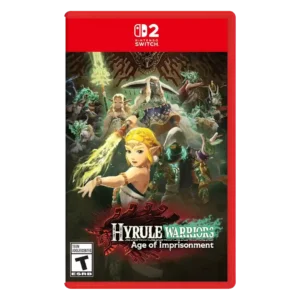
Hyrule Warriors: Age of Imprisonment

Hyrule Warriors: Age of Imprisonment

Overall score 4.1 / 5

Based on 31 scored reviews

vs
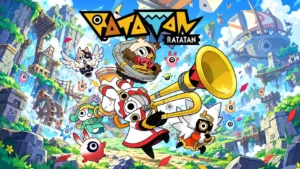
Ratatan

Ratatan

Overall score 3.6 / 5

Based on 30 scored reviews

How we score

Scorata scores summarize analyzed review evidence on a 1–5 scale; they are not laboratory measurements or a simple average of customer star ratings. Feature scores summarize the reviews covering that feature. The overall score averages feature scores within each review, then combines review averages. When both expert and customer evidence are available, those two groups receive equal weight. Products can have different review coverage, so small score gaps do not establish a winner.

Recommendations prioritize important features for the category, with a score of at least 3.5, a gap of at least 0.25 points and at least two supporting reviews per product. Features with widely varying scores or broad connectivity contexts are excluded from recommendations. These safeguards do not establish statistical significance.

Quick verdict

What each product is best for

The review evidence points to a tradeoff: difficulty balance and HUD clarity versus originality and world-building. Choose according to which strengths matter more to you; the overall score alone does not settle that choice.

Choose Hyrule Warriors: Age of Imprisonment for difficulty balance and HUD clarity.

Choose Ratatan for originality and world-building.

Why these recommendations?

Hyrule Warriors: Age of Imprisonment

Where It Has the Edge

  • difficulty balance is 3.7 vs 2.4. Difficulty balance was mixed, with tactical higher difficulties and tough bosses offset by comments that Normal or optimized...
  • HUD clarity is 4.7 vs 3.7. HUD clarity was praised through clear prompts and on-screen guidance, though broader tutorial flow could feel dense.
  • atmosphere is 4.9 vs 4.3. Atmosphere was praised through the fusion of Zelda presentation, music, and battle audio that gave fights a stronger...

Ratatan

Where It Has the Edge

  • originality is 4.4 vs 3.3. An eccentric blend of rhythm, strategy, and army action gives the game a distinctive identity. Its musical combat...
  • world-building is 4.2 vs 3.6. A vibrant hub, whimsical inhabitants, and playful detail make the world an inviting place to explore between battles.
Hyrule Warriors: Age of Imprisonment 4.1 overall score
Ratatan 3.6 overall score

Compare features

Scores are out of 5. Missing scores mean missing review evidence, not a missing feature.

Scored on both products

Other features

Emotional impact
Hyrule Warriors: Age of Imprisonment
4.9

Emotional impact was positive where cited, especially around Zelda, Calamo, and the ending moments that moved reviewers.

Ratatan
2.0

The whimsical world is endearing, but its journey struggles to build emotional depth.

Couch co-op quality
Hyrule Warriors: Age of Imprisonment
4.0

Couch co-op quality was positive where reviewers described split-screen play as valid, fun, or seamless despite frame-rate tradeoffs.

Ratatan
1.5

The absence of local co-op disappoints players hoping to share its musical battles on one system.

Endgame content
Hyrule Warriors: Age of Imprisonment
4.2

Endgame content was praised when mentioned for high-level postgame battles and extra missions beyond credits.

Ratatan
2.0

Later episodes and boss variants offer exciting possibilities for some players. Others find mostly more equipment grinding, and one Switch 2 account could not progress because of bugs.

Frame rate stability
Hyrule Warriors: Age of Imprisonment
4.8

Frame rate stability was a standout strength, with many reviewers praising smooth 60 fps or only minor dips.

Ratatan
2.8

Frame-rate reports vary by hardware and play mode. Smooth Switch 2 accounts sit alongside handheld slowdowns, battle hitches, and PS5 Pro dips that can interfere with timing.

Tutorial quality
Hyrule Warriors: Age of Imprisonment
4.2

Tutorial quality was positive in direct evidence, with a decent early tutorial session helping new Warriors players.

Ratatan
2.2

Basic commands are easier to grasp than the deeper card and ability systems. Too much useful explanation sits in help menus instead of being introduced naturally during play.

Lore depth
Hyrule Warriors: Age of Imprisonment
4.0

Lore depth was divisive: many praised canonical gap-filling, while IGN-style reviews argued key lore threads were still underexplored.

Ratatan
2.0

The repeated-run structure lacks the narrative depth that makes Hades' hub returns compelling.

Onboarding experience
Hyrule Warriors: Age of Imprisonment
4.0

Onboarding experience was positive where prior knowledge was said not to be required.

Ratatan
2.2

The opening often introduces too many systems without enough explanation. Familiarity with Patapon helps, while deeper mechanics are too frequently left to separate help screens.

Narrative quality
Hyrule Warriors: Age of Imprisonment
4.0

Narrative quality was the most divisive attribute: several reviewers praised the canon story, while others found it dull or a missed opportunity.

Ratatan
2.3

The story often works best as a light framework for the musical battles. Several accounts find it incoherent, unmemorable, or poorly delivered through combat-time text bubbles and grind-gated reveals.

Content variety
Hyrule Warriors: Age of Imprisonment
3.9

Content variety was mixed: reviewers praised new mechanics, flight sections, and breaks in action, while others saw too much combat repetition.

Ratatan
2.3

Many accounts find the same worlds, bosses, and command patterns wearing thin. Others get enough variety from different characters, equipment, and elemental combinations.

Movement feel
Hyrule Warriors: Age of Imprisonment
4.8

Movement feel was positive where cited, especially improved locomotion and responsive control feel.

Ratatan
3.3

Free movement can add welcome tactical flexibility. Slow travel outside combat makes repeated trips through the hub and cleared rooms tedious.

Polish
Hyrule Warriors: Age of Imprisonment
3.9

Polish was mixed overall, with high praise for care and detail but repeated caveats about compressed or stuttering cutscenes.

Ratatan
2.5

Launch polish receives conflicting assessments. Some find a finished package, while others report tiny text, glitches, stutters, and even progress-blocking faults after the Early Access period.

Pacing
Hyrule Warriors: Age of Imprisonment
4.2

Pacing was generally positive when story breaks and ability unlocks were praised, but sidequest padding disrupted some narrative momentum.

Ratatan
2.8

Early runs can feel slow before meaningful upgrades arrive, and repeated stages sometimes interrupt momentum. Other accounts praise the alternation between frantic battles and quieter intervals.

Innovation
Hyrule Warriors: Age of Imprisonment
2.8

Innovation was mixed to low, with strong mechanical adaptations but criticism that creative thinking and mission structure were limited.

Ratatan
4.2

Many assessments welcome the shift toward direct movement and roguelite progression as a meaningful evolution. One finds the actual upgrade formula too familiar to feel innovative.

Difficulty balance
Hyrule Warriors: Age of Imprisonment
3.7

Difficulty balance was mixed, with tactical higher difficulties and tough bosses offset by comments that Normal or optimized play could be too easy.

Ratatan
2.4

Demanding multitasking and steep stat walls can create frustration, especially early on. Some enjoy the challenge, but others feel upgraded damage matters more than skill.

Crafting system
Hyrule Warriors: Age of Imprisonment
4.0

Crafting-like camp and economy systems were praised as simple support loops rather than deep creative crafting.

Ratatan
2.8

Boss-themed weapons can make crafting exciting and give future sessions a goal. Other accounts find the process shallow, low on meaningful choices, or tied to excessive material farming.

Originality
Hyrule Warriors: Age of Imprisonment
3.3

Originality was mixed, with strong fit and fanservice but criticism that the game was not consistently novel.

Ratatan
4.4

An eccentric blend of rhythm, strategy, and army action gives the game a distinctive identity. Its musical combat stands apart even when individual roguelite systems feel familiar.

HUD clarity
Hyrule Warriors: Age of Imprisonment
4.7

HUD clarity was praised through clear prompts and on-screen guidance, though broader tutorial flow could feel dense.

Ratatan
3.7

The command list and timing bar can be useful anchors in battle. The rhythm indicator is too small or too attention-demanding for some players.

Faithfulness to franchise
Hyrule Warriors: Age of Imprisonment
4.9

Faithfulness to the franchise was one of the strongest areas, with canon handling and Zelda/Tears of the Kingdom attention repeatedly praised.

Ratatan
4.0

The familiar rhythm-action spirit successfully recaptures much of Patapon's joy, even without being an official sequel.

Accessibility options
Hyrule Warriors: Age of Imprisonment
4.6

Reviewers noted approachable configuration and combat clarity, with sensitivity options and complexity/accessibility balance helping the game feel easier to engage with.

Ratatan
3.7

Welcome Mode and simpler command options can make early failures less punishing. Tiny text and missing interface scaling remain accessibility drawbacks on Switch 2.

Progression system
Hyrule Warriors: Age of Imprisonment
4.5

Progression was praised for a rewarding map loop, meaningful unlocks, and steady character growth.

Ratatan
3.6

Keeping rewards after defeat often makes another attempt feel worthwhile. For critics, small stat increases and equipment gates stretch that growth into a slow, unrewarding climb.

Combat system
Hyrule Warriors: Age of Imprisonment
4.6

Combat was the clearest strength across the review set, often called deep, reactive, satisfying, or the best Hyrule Warriors has felt.

Ratatan
3.9

Timing attacks, shields, and rallies can produce a deeply satisfying tactical flow. Strict response windows, passive backline play, and repeated patterns prevent that flow from working equally well for everyone.

Atmosphere
Hyrule Warriors: Age of Imprisonment
4.9

Atmosphere was praised through the fusion of Zelda presentation, music, and battle audio that gave fights a stronger sense of place.

Ratatan
4.3

A colorful, whimsical tone makes the fantasy setting feel infectious and inviting.

Gameplay mechanics
Hyrule Warriors: Age of Imprisonment
4.5

Gameplay mechanics were widely praised for adapting Zonai devices, Sync Strikes, counters, and elemental reactions into Musou combat.

Ratatan
3.9

Direct movement, tactical commands, and rhythmic timing make an unusual and often rewarding combination. The many simultaneous demands can also feel restrictive or unnecessarily complicated.

Grind level
Hyrule Warriors: Age of Imprisonment
3.0

Grind level was mixed to negative, mainly due to repetitive side missions or fatigue over long sessions.

Ratatan
2.4

Repeated early levels and equipment farming are the most persistent complaints. Some players enjoy collecting upgrades enough that the same repetition remains rewarding rather than burdensome.

Enemy variety
Hyrule Warriors: Age of Imprisonment
2.7

Enemy variety was criticized in the clearest evidence, with repetition of the same enemies hurting long sessions.

Ratatan
3.3

Enemy variety divides opinion: one account praises the range, while another finds each world's opposition quickly becomes familiar and samey.

Handheld play suitability
Hyrule Warriors: Age of Imprisonment
4.0

Handheld play was mixed, from strong portable performance to one reviewer finding it less impressive on a smaller screen.

Ratatan
3.4

The smaller screen can suit the bold artwork and simple mappings beautifully. Other Switch 2 impressions report pixelated characters or timing-disrupting slowdowns during busy portable battles.

Animation quality
Hyrule Warriors: Age of Imprisonment
5.0

Animation was praised where cited, especially for character attacks and fast object-summoning effects that make combat feel stylish.

Ratatan
4.5

Expressive troops, fluid enemies, and extravagant bosses give the battles a lively cartoon personality. One PS5 Pro assessment wanted smoother animation alongside a higher frame rate.

Dialogue quality
Hyrule Warriors: Age of Imprisonment
2.5

Dialogue quality was only directly judged in one review, which found the dialogue and voice performances unimpressive.

Ratatan
3.0

Cobun quips can add considerable charm. Story bubbles appearing during enemy encounters are much less welcome because reading competes with fighting.

Economy and resource balance
Hyrule Warriors: Age of Imprisonment
3.3

Economy and resource balance was mixed: some found the item economy deliberate, while others found materials too abundant or weapon resources awkward.

Ratatan
2.8

Upgrade currency can be plentiful enough to avoid frustrating scarcity. Altar sacrifices sometimes offer weak returns, while abundant shop resources can make decisions too easy.

Fun factor
Hyrule Warriors: Age of Imprisonment
4.7

Fun factor was high overall, with reviewers repeatedly calling the combat addictive, cathartic, and hard to put down despite repetition.

Ratatan
4.2

Getting an army into rhythm can be infectiously enjoyable, with music and personality sustaining many sessions. Repetition and restrictive mechanics leave some players much less enthusiastic.

Upgrade system
Hyrule Warriors: Age of Imprisonment
3.7

Upgrade system was mixed: reviewers liked easy, useful upgrades and new moves but criticized weapon upgrading as resource-heavy or boring.

Ratatan
3.3

Permanent improvements and changing cards can make failures productive and offer rewarding goals. Other assessments find upgrades bland, mechanically inconsequential, or dominated by damage requirements.

Immersion
Hyrule Warriors: Age of Imprisonment
4.9

Immersion was high where discussed, especially for recreating the feeling of returning to Tears of the Kingdom’s Hyrule.

Ratatan
4.5

Repeated command songs can draw players into an absorbing rhythm, creating a strong sense of being in the zone.

Environmental detail
Hyrule Warriors: Age of Imprisonment
4.6

Environmental detail was praised for richer environments, landmarks, and small visual touches such as grass and pollen.

Ratatan
4.2

Detailed backgrounds, distinct world themes, and charming hubs make the setting rewarding to look at. The environments often contribute as much personality as the troops.

Graphics quality
Hyrule Warriors: Age of Imprisonment
4.5

Graphics quality was mostly praised, though some technical reviews noted low resolution or visual softness.

Ratatan
4.2

Colorful artwork generally looks attractive, with especially crisp PS5 and docked Switch 2 impressions. Portable character resolution and rough edges on a television draw occasional criticism.

Companion AI
Hyrule Warriors: Age of Imprisonment
2.2

Companion behavior received a low score where one reviewer said ordered allies were not useful at actually completing objectives.

Ratatan
2.0

The troops' dependence on constant orders can make managing both commander and army feel cumbersome; some automatic behavior would ease that burden.

Character roster
Hyrule Warriors: Age of Imprisonment
4.0

Review evidence supports a scored assessment for this attribute.

Ratatan
4.2

Distinct commanders and troop affinities give players reasons to try different armies. Switching characters can substantially change positioning, attacks, and build priorities.

Core gameplay loop
Hyrule Warriors: Age of Imprisonment
3.4

The core loop was fun but repetitive, with several reviewers enjoying the loop while openly calling out genre repetition.

Ratatan
3.5

The mix of rhythmic commands and roguelite runs is deeply divisive. It can create a compelling one-more-run cycle or turn familiar battles into prolonged repetition.

Art direction
Hyrule Warriors: Age of Imprisonment
4.8

Art direction was a major positive, repeatedly tied to the Tears of the Kingdom aesthetic and strong visual mood.

Ratatan
4.6

Bright colors, eccentric creatures, and a playful cartoon style are among the most consistent strengths. The added detail sacrifices some of Patapon's restrained elegance.

Co-op experience
Hyrule Warriors: Age of Imprisonment
4.4

Co-op was viewed positively overall, with split-screen and two-player play considered smooth or valid despite 30 fps and pauses.

Ratatan
4.5

Coordinating several armies can be a blast with compatible players. The extra chants and movement can also make an already crowded battlefield overwhelming.

Visual effects quality
Hyrule Warriors: Age of Imprisonment
4.6

Visual effects quality was mostly strong, with praise for spectacular attacks and dense effects, though a technical review noted visual variance.

Ratatan
4.5

One assessment praises attack effects for staying clear and avoiding excessive visual busyness.

Loot system
Hyrule Warriors: Age of Imprisonment
4.2

Loot and item rewards were viewed positively where discussed, with random post-battle items treated as useful for quests and bonuses.

Ratatan
4.3

Weapons with useful traits and rarity tiers make rewards worth examining. The prospect of finding stronger equipment helps sustain another run.

Learning curve
Hyrule Warriors: Age of Imprisonment
3.2

Learning curve was approachable but sometimes dense, with tutorial and prompt support balanced against information overload.

Ratatan
3.2

Simple-looking commands still demand memory, timing, and coordination with movement. Practice can turn that overload into a rewarding flow, although several accounts find the initial curve frustrating.

Comfort and build

User interface design
Hyrule Warriors: Age of Imprisonment
4.5

User interface design was mixed, with praise for faithful Zelda-style menus but other reviews criticizing map/interface clutter.

Ratatan
2.1

Tiny text, inconsistent controls, and unclear information make several interfaces harder to use than expected. Monitoring the rhythm bar can also pull attention away from the battles.

Multiplayer design
Hyrule Warriors: Age of Imprisonment
5.0

Multiplayer design was positive where local split-screen support was tested, though related evidence also notes 30 fps compromises.

Ratatan
3.8

Coordinating rhythms creates rewarding teamwork, but adding several armies substantially increases the visual and vocal overload.

Map and navigation design
Hyrule Warriors: Age of Imprisonment
3.1

Map and navigation design was mixed, with useful territory/progression structure offset by cluttered or cheap-feeling interfaces.

Ratatan
2.0

The hub can be awkward to navigate because of weak visual separation and slow travel between upgrade stations.

World-building
Hyrule Warriors: Age of Imprisonment
3.6

World-building was mixed, praised as meaningful Zelda history while some reviews said ancient Hyrule felt insufficiently distinct.

Ratatan
4.2

A vibrant hub, whimsical inhabitants, and playful detail make the world an inviting place to explore between battles.

Level design
Hyrule Warriors: Age of Imprisonment
2.4

Level design was a repeated weakness, with corridors, boxes, bland routes, and underused depths/sky spaces criticized.

Ratatan
2.7

Branching room rewards can keep an expedition moving with purpose. Repeated horizontal layouts and insufficient level variety make the structure feel constrained to others.

Boss design
Hyrule Warriors: Age of Imprisonment
4.3

Boss design was generally positive thanks to counter windows, elemental weaknesses, and satisfying interrupts, though complexity was not always deep.

Ratatan
4.0

Large, expressive bosses deliver memorable designs and satisfying defensive patterns. Not everyone enjoys their inflated health bars.

Sound design
Hyrule Warriors: Age of Imprisonment
4.5

Sound design was praised where discussed, especially for recreating the Tears of the Kingdom aesthetic through familiar effects.

Ratatan
4.2

Call-and-response vocals and reactive effects often integrate wonderfully with the music. Dense chanting and competing effects sometimes overwhelm the soundtrack or become tiring.

Controls and connectivity

Controls responsiveness
Hyrule Warriors: Age of Imprisonment
4.7

Controls were described as simple, readable, and responsive, with strong input latency and snappy combat feel.

Ratatan
3.1

Simpler commands and independent movement can improve tactical control. Several assessments nevertheless find defensive timing too restrictive or perfect inputs strangely offset from the beat.

Menu usability
Hyrule Warriors: Age of Imprisonment
3.0

Menu usability was criticized in direct evidence for a long single-row menu.

Ratatan
2.0

Confirmation inputs change between screens, making menus less intuitive than they should be.

Voice acting
Hyrule Warriors: Age of Imprisonment
4.9

Voice acting was consistently praised except for one broader dialogue/voice caveat, with several reviewers calling performances strong or fantastic.

Ratatan
4.0

Distinctive voices and playful call-and-response exchanges give the army much of its personality. Repeating the same lines and high-pitched chants eventually irritates some listeners.

Protagonist appeal
Hyrule Warriors: Age of Imprisonment
4.3

Protagonist appeal was mostly positive around Zelda’s central role, though one review criticized how the Construct displaced her.

Ratatan
4.4

Expressive shapes, distinctive designs, and compelling personalities make the musical heroes appealing to spend time with.

Performance

Performance optimization
Hyrule Warriors: Age of Imprisonment
4.8

Performance optimization was one of the strongest areas, with reviewers repeatedly saying Switch 2 runs the action cleanly and smoothly.

Ratatan
3.3

Xbox Series X and some Switch 2 accounts describe smooth play. Other Switch 2 reports identify severe shop-transition stutters, freezes, or slowdowns in crowded handheld battles.

Soundtrack quality
Hyrule Warriors: Age of Imprisonment
5.0

Soundtrack quality was consistently praised where discussed, often called excellent, fantastic, or among the series’ best.

Ratatan
4.3

Catchy, upbeat tunes frequently linger long after play stops. The small selection and repeated vocal patterns become grating for others over the longer progression grind.

Ownership and support

Value for money
Hyrule Warriors: Age of Imprisonment
4.0

Value for money was mixed, with lots of content praised but price concerns noted for the Switch 2 package or game cost.

Ratatan
3.3

Two assessments consider the available playtime and replayability good value. Another finds the Australian asking price the game's biggest sticking point.

Replay value
Hyrule Warriors: Age of Imprisonment
4.4

Replay value was positive overall due to optional missions, postgame content, achievements, and long completion paths, though not every reviewer wanted to return.

Ratatan
3.9

Commanders, gear, and permanent growth provide substantial replay appeal for many players. Others lose interest as familiar encounters return without enough meaningful changes.

Evidence available for one product

Other features

Bug frequency
Hyrule Warriors: Age of ImprisonmentNo score yet
Ratatan
1.9

Switch 2 reports include transition freezes, visual glitches, and runs cut short by technical faults. The most serious account describes rooms failing to clear and progress becoming blocked.

Camera behavior
Hyrule Warriors: Age of Imprisonment
2.5

Camera feedback was limited but mixed, with one performance-focused reviewer specifically criticizing the default sensitivity as too slow.

RatatanNo score yet
Character development
Hyrule Warriors: Age of Imprisonment
4.1

Review evidence supports a scored assessment for this attribute.

RatatanNo score yet
Choice impact
Hyrule Warriors: Age of ImprisonmentNo score yet
Ratatan
3.1

Random cards can create exciting combinations, but some rewards lack immediate value or undermine an established build. Opinions differ on whether these choices meaningfully shape each run.

Combat readability
Hyrule Warriors: Age of ImprisonmentNo score yet
Ratatan
2.4

Crowded effects, overlapping units, and busy backgrounds frequently hide attacks or the player character. A few assessments found the same large battles surprisingly easy to read.

Content completeness
Hyrule Warriors: Age of ImprisonmentNo score yet
Ratatan
3.3

One assessment calls the full release substantial and complete, while another finds its small content pool stretched too far. The amount of meaningful depth is more divisive than the basic presentation.

Crash stability
Hyrule Warriors: Age of ImprisonmentNo score yet
Ratatan
1.0

One Switch 2 account reports crashes back to the main menu that prevent finishing an ongoing run.

Death mechanics
Hyrule Warriors: Age of ImprisonmentNo score yet
Ratatan
4.0

Keeping loot and learning from failed attempts makes losing feel productive. Automatically returning troops also reduces the risk of an abruptly failed expedition.

Exploration quality
Hyrule Warriors: Age of Imprisonment
4.0

Exploration quality was limited but positively noted in the hands-on review for adding slower searching and environmental interaction between battles.

RatatanNo score yet
Fast travel convenience
Hyrule Warriors: Age of Imprisonment
4.2

Fast travel convenience was positively noted where Zonai devices were said to prevent tiresome walks across the map.

RatatanNo score yet
Flying mechanics
Hyrule Warriors: Age of Imprisonment
3.8

Flying mechanics were mixed but generally useful as variety, with reviewers praising them as a break while noting limited depth or underuse.

RatatanNo score yet
Game length
Hyrule Warriors: Age of ImprisonmentNo score yet
Ratatan
2.5

A substantial campaign appeals to some, while others feel the same material overstays its welcome. Completion estimates vary widely, reflecting different progress through the repeated episodes.

Humor
Hyrule Warriors: Age of ImprisonmentNo score yet
Ratatan
4.0

Absurd side characters, strange quips, and unexpectedly dark battle cries give the cheerful world a memorable comic edge.

Inventory management
Hyrule Warriors: Age of ImprisonmentNo score yet
Ratatan
2.0

Handling the growing collection of weapons can feel like a chore between runs.

Load times
Hyrule Warriors: Age of Imprisonment
4.4

Load times were positively noted as quick or reasonable in the performance-focused reviews.

RatatanNo score yet
Mission variety
Hyrule Warriors: Age of Imprisonment
3.0

Mission variety was mixed, with some reviewers finding each level distinct and others calling variety limited.

RatatanNo score yet
Overall quality
Hyrule Warriors: Age of ImprisonmentNo score yet
Ratatan
4.2

Overall assessments range from an enthusiastic game-of-the-year endorsement to disappointment with mediocre playability. The charming presentation is easier to agree on than the structure supporting it.

RPG system depth
Hyrule Warriors: Age of ImprisonmentNo score yet
Ratatan
2.0

Build and progression depth is a weak point for several assessments. Elementary upgrades, limited mechanical changes, and shallow systems leave the apparent complexity underdeveloped.

Side character depth
Hyrule Warriors: Age of Imprisonment
2.8

Side character depth was mixed to negative, with some reviewers connecting to new characters and others finding them underdeveloped or weak.

RatatanNo score yet
Solo play quality
Hyrule Warriors: Age of ImprisonmentNo score yet
Ratatan
3.9

Solo battles can be highly enjoyable and offer a calmer alternative to multiplayer overload. One assessment would only return after the first completion with other people to play alongside.

Split-screen quality
Hyrule Warriors: Age of Imprisonment
4.3

Split-screen quality was generally positive, with smooth or playable 30 fps and only mild visual compromises.

RatatanNo score yet
Unit roster quality
Hyrule Warriors: Age of ImprisonmentNo score yet
Ratatan
3.9

Troop classes and weapon affinities give army composition useful variety. Commander restrictions can complicate using a favorite character with newly acquired equipment.

World interactivity
Hyrule Warriors: Age of Imprisonment
3.2

World interactivity was mixed, praised for elemental interactions but criticized for underused sky/depth layers.

RatatanNo score yet
Writing quality
Hyrule Warriors: Age of Imprisonment
2.8

Writing quality was mixed to negative where cited, with concerns about dull lore, key moments being danced around, or uneven story delivery.

RatatanNo score yet

Controls and connectivity

Character customization
Hyrule Warriors: Age of ImprisonmentNo score yet
Ratatan
3.8

Troop weapons and cute accessories give army setup plenty of appeal. Customization focuses on the Cobun, which can leave the commander feeling less consequential.

Comfort and build

Enemy design
Hyrule Warriors: Age of ImprisonmentNo score yet
Ratatan
4.5

Distinctive, smoothly presented enemies have strong cartoon charm and stand apart visually.

Mission design
Hyrule Warriors: Age of Imprisonment
3.4

Mission design was mixed to negative, with story missions praised but many objectives criticized as repetitive, short, or non-bespoke.

RatatanNo score yet
Open-world design
Hyrule Warriors: Age of Imprisonment
2.8

Open-world design scored low where the game’s static map was contrasted with mainline Zelda’s open world.

RatatanNo score yet
Quest design
Hyrule Warriors: Age of Imprisonment
3.9

Quest design was mixed, with useful rewards and side stories offset by repetitive or hollow side objectives.

RatatanNo score yet

Ownership and support

Platform-specific feature support
Hyrule Warriors: Age of Imprisonment
4.0

Platform-specific feature support was mixed: Game Share exists but was described as unusual and limited to 30 fps in one performance review.

RatatanNo score yet
Save system reliability
Hyrule Warriors: Age of Imprisonment
2.0

Save system reliability was only directly judged once, with a negative comment about not being able to save during missions.

RatatanNo score yet

Other Top Video Games to Consider

#1 Well Dweller
4.7

Best for fluid traversal, rewarding exploration, striking art, and forgiving quality-of-life features. Skip it if you want deep combat, radical genre innovation, or consistently demanding bosses.

Pros: difficulty balance, boss design

Cons: innovation, sandbox freedom

#2 Hades II
4.6

Good if you want fast, tactical roguelite combat with huge progression depth, striking art, and standout music. Skip it if repetition, resource micromanagement, or a less emotionally satisfying sequel story...

Pros: combat system, progression system

Cons: originality

#3 Valheim
4.5

Good if you want a beautiful, demanding survival sandbox built around exploration, building, progression, and memorable co-op. Skip it if long resource runs, harsh death recovery, and deliberate pacing sound...

Pros: town-building system, exploration quality

Cons: grind level, fast travel convenience

#4 Donkey Kong Bananza
4.5

Best for joyful destruction, dense exploration, and a charming DK-Pauline adventure. Skip it if camera quirks, frame-rate dips, easy bosses, or premium Switch 2 pricing are dealbreakers.

Pros: fun factor, world interactivity

Cons: frame rate stability, boss design