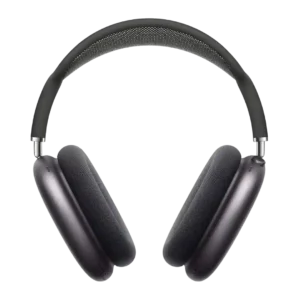
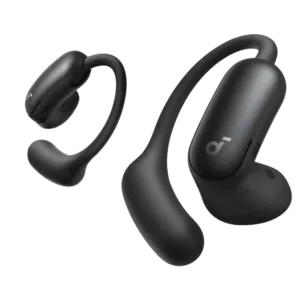
Apple AirPods Max
Where It Has the Edge
No clear scored advantage over the other product.

Scorata scores summarize analyzed review evidence on a 1–5 scale; they are not laboratory measurements or a simple average of customer star ratings. Feature scores summarize the reviews covering that feature. The overall score averages feature scores within each review, then combines review averages. When both expert and customer evidence are available, those two groups receive equal weight. Products can have different review coverage, so small score gaps do not establish a winner.
Recommendations prioritize important features for the category, with a score of at least 3.5, a gap of at least 0.25 points and at least two supporting reviews per product. Features with widely varying scores or broad connectivity contexts are excluded from recommendations. These safeguards do not establish statistical significance.
Quick verdict
The available evidence supports the recommendation below, but does not establish an overall winner. Check the remaining features against your priorities.
There is not enough comparable review evidence to recommend Apple AirPods Max over the other product.
Choose Anker Soundcore AeroFit 2 Pro for Android compatibility and Equalizer customization.
No clear scored advantage over the other product.
Scores are out of 5. Missing scores mean missing review evidence, not a missing feature.
Reviewers broadly praised the AirPods Max sound as clear, refined, balanced, spacious, or even outstanding, though one audiophile-focused review found it merely competitive.
Sound is generally clear, detailed, and better than expected for an open-ear design, especially after tuning. A few reviewers found it merely average or poor, and several noted that fit, mode, and EQ can change the presentation substantially.
Passive isolation was mixed, with some reviewers praising the seal and others finding it weaker than expected for certain head shapes.
Passive isolation is weak because the semi-in-ear design lacks a full silicone-tip seal. Reviewers repeatedly linked that open fit to outside sound leaking in and to the ANC having less to work with.
Latency was viewed positively when wired or in normal video use, with reviewers noting no video delay and a useful low-latency update.
Latency is mixed rather than universally low. Normal video use can be fine, but several gaming tests still detected lag and found the low-latency mode less effective than dedicated 2.4GHz gaming earbuds.
ANC was one of the strongest points across the review set, with most reviewers calling it excellent, top-tier, or best-in-class, though a few found newer rivals stronger in some scenarios.
ANC is the most divisive feature. It can noticeably reduce steady hums when fit is right, but many expert and customer reviews found it weak, fit-dependent, hissy, or far behind dedicated sealed earbuds.
Frequency-response evidence was mixed: some reviewers found the tuning balanced or close to preference targets, while one considered it only acceptable.
One reviewer specifically praised the overall tonal balance after tuning, describing the sound as well balanced. Other comments on bass, mids, and treble show that the default response can vary noticeably by fit and preset.
Spatial audio was one of the most praised software features, especially for movies, supported Apple content, Dolby Atmos, and head-tracked experiences.
Spatial audio is a pleasant extra rather than a core reason to buy. Movie mode and added width can be enjoyable, but several reviewers found the effect synthetic, less detailed, or preferable with virtualization turned off for music.
One reviewer praised wind-noise reduction during calls, noting that callers could still hear the voice well.
Background-noise handling often keeps speech understandable in traffic, crowds, and wind. Results are not uniformly clean, though, with some reviewers hearing digital artifacts or finding the dedicated wind-reduction feature ineffective.
Sound leakage evidence was mixed, with one reviewer saying leakage was low and another saying people nearby could hear at higher volumes.
Leakage reports conflict sharply. Several users and reviewers found surprisingly little sound bleed, while one expert called leakage significant in open mode and warned that nearby gym users would hear the audio.
Bass was generally described as controlled, punchy, deep, and less boomy than some rivals, with the main criticism coming from reviewers who wanted more sub-bass or dynamics.
Bass is unusually capable for open-ear buds and becomes fuller and punchier when the drivers sit closer to the ear. Some listeners still wanted more low-end weight, while others found the closed-position bass boomy or muffled.
Most reviewers found the soundstage wide or spacious for closed-back wireless ANC headphones, while one technical review considered it only slightly above average.
The AeroFit 2 Pro creates an impressively broad, open presentation, with reviewers repeatedly calling out spaciousness and scale. Spatial processing can widen it further, though the natural presentation is often preferred.
Android compatibility was consistently weak because reviewers said Android and Windows users lose key smart features.
Android users get the biggest audio advantage because LDAC can deliver noticeably more detail than standard codecs. Reviewers who tested it on Android considered that support a meaningful benefit.
Water or sweat resistance was criticized because reviewers found the lack of protection a miss for a portable product.
The workout-oriented protection performs well in real use, including sweaty sessions and runs in rain. Reviewers consistently regarded the IP55-level protection as appropriate for active use, though not for swimming.
LDAC support was criticized as missing in the SoundGuys review.
LDAC usually adds audible detail and is a notable advantage for compatible Android devices. One reviewer felt it was wasted on this airy design, and several notes point to a meaningful battery penalty when it is enabled.
Multi-platform compatibility was limited; reviewers emphasized that non-Apple users miss many unique features.
One reviewer praised the ability to use two Bluetooth devices across ecosystems, making phone-and-PC switching practical. Broader platform-specific testing is limited.
The integrated microphone was judged inconsistent, especially when paired with the wrong device.
One reviewer specifically praised the four-mic calling system as strong for an open design. Broader call-quality results are covered separately and are mostly positive with a few exceptions.
One reviewer reported strong Bluetooth stability, including no dropouts while moving away from the source device.
Fit security is highly ear-dependent. Many reviewers ran and worked out without the buds moving, but others reported wobbling, shifting, poor seating, or an inability to keep the ANC position stable.
The Smart Case was the clearest recurring complaint, with reviewers calling it ineffective, unprotective, pointless, or terrible.
The case has useful touches such as wireless charging, LEDs, and room for the buds at any adjustment angle, but its size dominates the discussion. Many reviewers call it huge or bulky despite appreciating the functional design.
Several reviewers praised instrument separation and layering, but one technical review criticized image separation and fine detail as weak.
Separation is a consistent audio highlight: guitars, vocals, and individual instruments remain easy to pick apart even in the open form. Reviewers often describe the stereo image as clearer than expected for fitness-oriented buds.
One reviewer found the AirPods Max stayed clean at higher volumes with basically no distortion.
One detailed ranking found high-volume sound still strong, scoring performance above 60% volume at 8.5/10. That praise is limited to a single source, so broader high-volume consistency is less certain.
Treble was often described as crisp, clear, detailed, and non-fatiguing, though one technical review found the treble uneven and occasionally unpleasant.
Treble often comes across detailed and controlled, but tuning opinions vary more than for the mids. Depending on mode or preset, reviewers heard anything from clean highs to overly prominent, grainy, or rolled-off treble.
The headphones can play loud, but one reviewer noted they do not get incredibly loud.
Most reviewers found plenty of output, and some called the buds outright loud, especially with booster settings or a closer fit. A smaller group found maximum volume too restrained, particularly when automatic ANC interfered.
Portability and foldability were weak because reviewers noted bulk, lack of folding, and reluctance to carry them outside.
Portability is hurt by the oversized case. Even reviewers who call it pocketable often say it is noticeably bulky, while several customers considered the case large enough to be a deal breaker.
Midrange clarity drew strong praise from several reviewers, especially for vocals, but one technical review found the mids somewhat muted and veiled.
Vocals and midrange detail are usually a strength, with several reviewers praising clear speech and instrument definition. The weaker takes describe mids as boxy, recessed, or too light to give music enough body.
EQ customization was a consistent weakness because reviewers wanted a real user EQ or disliked Apple removing choice through Adaptive EQ.
EQ flexibility is exceptional, with many presets plus separate custom tuning for open and ANC positions. Reviewers frequently relied on it to improve the stock sound, making customization an important part of getting the best results.
Physical controls were widely praised, especially the Digital Crown and button layout, which reviewers found tactile, smooth, intuitive, and easy to use.
Physical buttons are generally preferred to touch controls because they are deliberate, responsive, and easy to customize. Downsides include extra pressure in ANC position and a few customer reports of missed or ghost presses.
Call microphone quality ranged from okay to good, with several reviewers finding it usable and one calling headset performance strong.
Call quality is generally usable to very good, with several reviewers praising clear voices outdoors and in everyday noise. There are exceptions, including softer or more digital recordings and one customer who said callers could not hear them.
Bluetooth reliability was viewed positively, with reviewers noting strong connection strength, no dropouts, and later updates improving connectivity issues.
Bluetooth performance is usually quick and dependable, with easy pairing and strong connectivity earning repeated praise. A few reports of stuttering, drops, or shorter-than-expected range keep it from being completely trouble-free.
Codec support was a recurring weakness because reviewers noted reliance on AAC/SBC and lack of higher-end Bluetooth codec support.
Reviewers who discussed codec support liked the inclusion of LDAC and the broader high-resolution options. The feature set is especially attractive for Android users who can take advantage of the higher-bitrate mode.
Value for money was the biggest tradeoff: reviewers often liked the headphones but criticized the high price, especially against cheaper rivals.
Value depends heavily on price and how much the dual-form feature matters to you. Launch discounts around $150 drew strong praise, while the $180 list price was often described as premium for ANC and battery performance that remain compromised.
Charging convenience was mixed, with one long-term reviewer linking battery preservation to the case and still finding charging part of the convenience problem.
Charging is a clear strength, with repeated praise for wireless case charging and fast top-ups that provide hours of playback after a short charge. Reviewers consistently see these conveniences as useful additions.
Battery life was mixed to negative: some reviewers found it acceptable or impressive, but many called 20 hours weak versus competitors.
Battery life is acceptable but inconsistent in perception: roughly seven-hour open-ear use is often considered fine, while five-hour ANC use feels short for the price. Customer reports also include early drain and large left/right battery imbalances.
Weight comfort was the most divided comfort issue: some praised the distribution, while many called the headphones heavy or tiring over time.
Despite weighing more than many rivals, the buds often feel light and well distributed on the ear. Some reviewers still noticed the extra mass during long sessions, especially compared with lighter open-ear competitors.
Design was praised as beautiful, minimal, and distinctively Apple.
The earbuds generally look modern, polished, and more premium than typical sport models, with the color options earning praise. Their chunky shape and complicated mechanical design can look or feel awkward to some users.
Comfort over long use was split: some reviewers found them extremely comfortable for hours, while others reported fatigue, clamp, heat, or long-session discomfort.
Most reviewers find the soft hooks and open fit comfortable for hours, with many able to wear them through workdays or workouts. Fit is highly personal, though, and a meaningful minority reported pressure, fatigue, or outright pain.
Build quality was a major strength, with reviewers repeatedly praising metal materials, solid construction, durability, and premium assembly.
Build impressions are mostly strong, with solid housings, quality materials, and a durable adjustment mechanism. The main exception is criticism of the thin loop material in one expert review, which felt too flexible to hold the buds firmly.
One reviewer singled out the hinge design as rock solid and highly durable.
The adjustable mechanism inspires confidence: reviewers describe it as sturdy, tight, and resistant to loosening after repeated movement and heavy running use. Durability impressions are consistently positive where tested.
3.5mm analog input availability was a recurring complaint because reviewers wanted the cable or adapter included and found the lack inconvenient.
One reviewer praised the minimalist, beautiful look, supporting a high aesthetics score.
aptX support was criticized as missing in the SoundGuys review.
Wear detection and auto-pause were praised as simple and effective when used with supported devices.
USB-C lossless and low-latency audio was viewed as a useful update for wired editing or production use.
Channel matching or imaging was criticized in one technical review, which found image separation and distinction poor.
The adjustable open-ear/ANC concept is the product’s standout strength: most reviewers found it genuinely useful and surprisingly easy once learned. A minority found the twisting, mode detection, or recalibration fiddly and slow.
Ear cup padding was mostly praised for softness, breathability, depth, and replaceability, though one reviewer disliked the material preference.
Apple ecosystem integration was strongly praised for seamless pairing, easy device switching, and daily-use convenience.
Launch and refresh feature evidence was negative, with reviewers calling the limited update disappointing and asking for fixes in a future generation.
Most reviewers found the thin, flexible hooks workable with glasses, sunglasses, hats, or beanies. A few experienced interference, so accessory compatibility still depends on ear shape and frame design.
Headband padding and mesh were mixed, with one reviewer worried about long-term fabric wear and another finding it breathable and comfortable.
Included accessories were criticized because reviewers wanted essential wired-use adapters or cables included at the price.
Overall recommendations were positive but conditional: reviewers admired the sound, ANC, and Apple integration while warning about price, weight, case, and rival value.
The overall response is positive but polarized: many reviewers love the novel versatility and would recommend the buds, while others returned them over fit, ANC, case size, battery, or reliability. Satisfaction is strongest when the user values open-ear comfort and frequent mode switching.
The only packaging-specific customer comment was strongly positive, praising the presentation and condition on arrival. No packaging complaints were reported.
Premium feel was one of the strongest consensus positives, with reviewers emphasizing metal materials, luxury presentation, and high-quality feel.
The preset library is useful, but the default Soundcore Signature tuning divides opinion. Several reviewers preferred Balanced or genre presets, while others found certain presets muddy, overly V-shaped, or otherwise poorly matched.
Replaceable earpads were praised because reviewers found the magnetic pads easy to remove and replace.
Automatic form detection is clever when it works, but sensor behavior is a recurring source of frustration. Reports include unwanted EQ changes, slow mode switching, missing wear detection, and inconsistent automatic ANC activation.
Open-ear awareness is one of the clearest strengths, letting users hear traffic, conversations, and announcements without relying on electronic transparency. Reviewers repeatedly praised it for running, walking, commuting, and work.
One reviewer found the earbud surface to be a dirt magnet that quickly collected fluff and particles and was difficult to clean. No other source provided a counterpoint.
Transparency mode received unusually strong agreement, with reviewers repeatedly calling it natural, clear, best-in-class, or among the best they had heard.
Travel friendliness was limited by flight-ANC doubts, bulk, case issues, and the tendency to keep the headphones at home or in the studio.
USB-C was welcomed for lossless or low-latency wired use, though one reviewer still framed the refresh as disappointing because little else changed.
Advanced software features were valuable for iOS users but mixed overall because reviewers also noted quirks, limited feature depth, or Apple-only behavior.
The Soundcore app is one of the strongest parts of the package, combining a clean interface with extensive sound, control, battery, and connection settings. Reviewers repeatedly describe it as easy to use and unusually feature-rich.
Smart listening features were useful and practical for some reviewers, but Adaptive EQ and related smart behavior also drew criticism for needing improvement.
The product can demand more setup than ordinary earbuds: finding the right hook position, tuning separate EQs, and waiting for mode changes all add friction. Some reviewers acclimated quickly, while others never found the process intuitive.
Siri worked well for one reviewer, who preferred voice activation over manually using the crown.
ANC background noise level was praised as clean and natural, with little hiss or artificial pressure in reviewer comments.
Reviewers noted ANC can slightly change the sound, either by relieving pressure cleanly or by softening punch and dynamics.
Reliability is a recurring weakness in the more critical reviews. Reported issues include stuttering, delayed or one-sided mode changes, random power-on behavior, ghost button presses, unstable EQ changes, and an earbud failure.
Immersive audio quality was praised for cinematic, surround-like experiences and convincing spatial effects.
Wind-noise handling was praised in call or ANC microphone contexts, especially for white noise and outdoor calls.
Auto on/off reliability was a repeated frustration because reviewers disliked the lack of a real power button and dependence on the case.
Customer-service experiences are mixed: one buyer praised fast, active troubleshooting, while another complained that a refund still had not arrived. There is too little data for a consistent support picture.
Multipoint is widely praised for moving smoothly between two devices, including phone-and-computer setups. One customer reported that simultaneous multi-device use did not work as expected, so real-world behavior is not perfectly consistent.
Clamping force drew criticism from reviewers who felt pressure from the clamp or sides of the head.
Long-term durability evidence was mixed, with one reviewer reporting headband wear over years and another saying the headphones still looked new.
There are no swappable silicone tips, and that fixed semi-in-ear contact point creates fit problems for some ears. Reviewers directly connect the lack of tip sizing to weaker seals, comfort issues, and less effective ANC.
One reviewer liked that either earbud can be used independently rather than forcing a single designated side. That flexibility matches modern true-wireless expectations, though it was not widely discussed.
Dolby Atmos and head tracking were praised as accurate, cinematic, and especially good for movies and supported content.
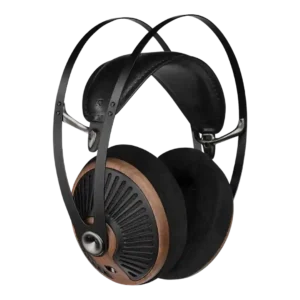
Choose the 105 Silva for beautiful, repairable construction, superb comfort, easy driveability, and an engaging spacious sound. Skip it if you need isolation, balanced connectivity, heavy sub-bass, or consistently smooth...
Pros: Design and Aesthetics, Overall recommendation
Cons: Noise isolation (passive), Connectivity options

Choose it if your workday revolves around calls and you want exceptional mic isolation, huge battery life, all-day comfort, and a slim travel-friendly design. Skip it if music fidelity, class-leading...
Pros: Battery, Charging
Cons: Value for money, Codec support

Choose the Aventho 100 for standout battery life, portable retro styling, strong ANC, and flexible wired/wireless use. Skip it if you dislike on-ear pressure or want a wide, consistently neutral...
Pros: Battery, Design and Aesthetics
Cons: Clamping force comfort, Soundstage width
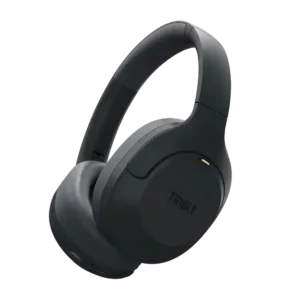
Best for exceptional battery life, useful ANC, flexible EQ, and strong budget value. Skip it if refined, detailed sound or polished controls matter more than price.
Pros: Value for money, Sound quality
Cons: Button control usability, App