Compare Digimon Story Time Stranger vs Hyrule Warriors: Age of Imprisonment

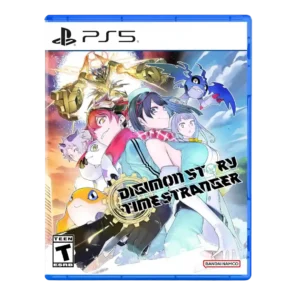
Digimon Story Time Stranger

Digimon Story Time Stranger

Overall score 3.9 / 5

Based on 29 scored reviews

vs
Hyrule Warriors: Age of Imprisonment

Hyrule Warriors: Age of Imprisonment

Overall score 4.1 / 5

Based on 31 scored reviews

How we score

Scorata scores summarize analyzed review evidence on a 1–5 scale; they are not laboratory measurements or a simple average of customer star ratings. Feature scores summarize the reviews covering that feature. The overall score averages feature scores within each review, then combines review averages. When both expert and customer evidence are available, those two groups receive equal weight. Products can have different review coverage, so small score gaps do not establish a winner.

Recommendations prioritize important features for the category, with a score of at least 3.5, a gap of at least 0.25 points and at least two supporting reviews per product. Features with widely varying scores or broad connectivity contexts are excluded from recommendations. These safeguards do not establish statistical significance.

Quick verdict

What each product is best for

The review evidence points to a tradeoff: core gameplay loop and world-building versus frame rate stability and pacing. Choose according to which strengths matter more to you; the overall score alone does not settle that choice.

Choose Digimon Story Time Stranger for core gameplay loop and world-building.

Choose Hyrule Warriors: Age of Imprisonment for frame rate stability and pacing.

Why these recommendations?

Digimon Story Time Stranger

Where It Has the Edge

  • core gameplay loop is 4.7 vs 3.4. The loop of collecting, training, evolving, and rebuilding teams was repeatedly described as addictive and rewarding, with only...
  • world-building is 4.9 vs 3.6. World-building was one of the strongest consensus positives, with the Digital World repeatedly described as alive, lived-in, and...
  • character roster is 4.8 vs 4.0. The roster was a major strength, with reviewers praising the huge 450-plus Digimon count and the effort behind...

Hyrule Warriors: Age of Imprisonment

Where It Has the Edge

  • frame rate stability is 4.8 vs 2.8. Frame rate stability was a standout strength, with many reviewers praising smooth 60 fps or only minor dips.
  • pacing is 4.2 vs 2.8. Pacing was generally positive when story breaks and ability unlocks were praised, but sidequest padding disrupted some narrative...
  • performance optimization is 4.8 vs 3.8. Performance optimization was one of the strongest areas, with reviewers repeatedly saying Switch 2 runs the action cleanly...
Digimon Story Time Stranger 3.9 overall score
Hyrule Warriors: Age of Imprisonment 4.1 overall score

Compare features

Scores are out of 5. Missing scores mean missing review evidence, not a missing feature.

Scored on both products

Other features

HUD clarity
Digimon Story Time Stranger
2.0

HUD clarity was criticized for frequent pop-ups, messages, and flashing information that made the screen feel crowded.

Hyrule Warriors: Age of Imprisonment
4.7

HUD clarity was praised through clear prompts and on-screen guidance, though broader tutorial flow could feel dense.

Fast travel convenience
Digimon Story Time Stranger
2.0

Fast travel was specifically criticized as awkward and cumbersome compared with modern RPG expectations.

Hyrule Warriors: Age of Imprisonment
4.2

Fast travel convenience was positively noted where Zonai devices were said to prevent tiresome walks across the map.

Frame rate stability
Digimon Story Time Stranger
2.8

Frame rate stability was mixed to negative, with console 30 fps and occasional stutters/drops repeatedly mentioned.

Hyrule Warriors: Age of Imprisonment
4.8

Frame rate stability was a standout strength, with many reviewers praising smooth 60 fps or only minor dips.

Tutorial quality
Digimon Story Time Stranger
2.5

Tutorial coverage was criticized by one reviewer for glossing over some early systems.

Hyrule Warriors: Age of Imprisonment
4.2

Tutorial quality was positive in direct evidence, with a decent early tutorial session helping new Warriors players.

Pacing
Digimon Story Time Stranger
2.8

Pacing was the most repeated caveat: many reviewers said the story starts slowly, drags in the middle, or takes time before its stronger payoffs.

Hyrule Warriors: Age of Imprisonment
4.2

Pacing was generally positive when story breaks and ability unlocks were praised, but sidequest padding disrupted some narrative momentum.

Enemy variety
Digimon Story Time Stranger
4.0

Enemy variety was praised for changing weaknesses and resistances enough to keep battles from feeling stale.

Hyrule Warriors: Age of Imprisonment
2.7

Enemy variety was criticized in the clearest evidence, with repetition of the same enemies hurting long sessions.

Core gameplay loop
Digimon Story Time Stranger
4.7

The loop of collecting, training, evolving, and rebuilding teams was repeatedly described as addictive and rewarding, with only light fatigue or grind caveats.

Hyrule Warriors: Age of Imprisonment
3.4

The core loop was fun but repetitive, with several reviewers enjoying the loop while openly calling out genre repetition.

Innovation
Digimon Story Time Stranger
4.0

Innovation was framed as refinement rather than reinvention, with reviewers praising how existing Digimon systems were modernized.

Hyrule Warriors: Age of Imprisonment
2.8

Innovation was mixed to low, with strong mechanical adaptations but criticism that creative thinking and mission structure were limited.

Exploration quality
Digimon Story Time Stranger
3.0

Exploration earned praise for curiosity in the Digital World but criticism for shallow hubs, restrictive pathways, and limited discovery in some areas.

Hyrule Warriors: Age of Imprisonment
4.0

Exploration quality was limited but positively noted in the hands-on review for adding slower searching and environmental interaction between battles.

Animation quality
Digimon Story Time Stranger
4.1

Animation quality was mostly praised for unique attacks and expressive Digimon, but one negative review criticized pop-in and jittery animation presentation.

Hyrule Warriors: Age of Imprisonment
5.0

Animation was praised where cited, especially for character attacks and fast object-summoning effects that make combat feel stylish.

Movement feel
Digimon Story Time Stranger
4.0

Rideable Digimon were received as enjoyable traversal flavor, even if this was not a heavily discussed mechanic.

Hyrule Warriors: Age of Imprisonment
4.8

Movement feel was positive where cited, especially improved locomotion and responsive control feel.

Character roster
Digimon Story Time Stranger
4.8

The roster was a major strength, with reviewers praising the huge 450-plus Digimon count and the effort behind modeling and team variety.

Hyrule Warriors: Age of Imprisonment
4.0

Review evidence supports a scored assessment for this attribute.

Content variety
Digimon Story Time Stranger
3.2

Content variety was mixed: Outer Dungeons, side activities, and a card game added breadth, but the card game was often criticized as shallow.

Hyrule Warriors: Age of Imprisonment
3.9

Content variety was mixed: reviewers praised new mechanics, flight sections, and breaks in action, while others saw too much combat repetition.

Onboarding experience
Digimon Story Time Stranger
4.8

The game was repeatedly described as newcomer-friendly, with reviewers saying prior Digimon knowledge was not required.

Hyrule Warriors: Age of Imprisonment
4.0

Onboarding experience was positive where prior knowledge was said not to be required.

Originality
Digimon Story Time Stranger
4.0

Originality was supported by one reviewer who felt the evolution and combat systems made the game feel distinct in the genre.

Hyrule Warriors: Age of Imprisonment
3.3

Originality was mixed, with strong fit and fanservice but criticism that the game was not consistently novel.

Accessibility options
Digimon Story Time Stranger
4.0

Accessibility was praised in the sense of smoother systems and difficulty options that help players engage without losing depth.

Hyrule Warriors: Age of Imprisonment
4.6

Reviewers noted approachable configuration and combat clarity, with sensitivity options and complexity/accessibility balance helping the game feel easier to engage with.

Writing quality
Digimon Story Time Stranger
3.3

Writing quality was mixed: reviewers liked the heart and themes but called out sappy, repetitive, or awkward phrasing.

Hyrule Warriors: Age of Imprisonment
2.8

Writing quality was mixed to negative where cited, with concerns about dull lore, key moments being danced around, or uneven story delivery.

Learning curve
Digimon Story Time Stranger
3.7

The learning curve was mostly manageable, though several reviewers noted many systems, stats, and personalities to absorb.

Hyrule Warriors: Age of Imprisonment
3.2

Learning curve was approachable but sometimes dense, with tutorial and prompt support balanced against information overload.

Camera behavior
Digimon Story Time Stranger
3.0

Camera behavior drew mild criticism for wonky placement and fixed perspectives that limited appreciation of environments.

Hyrule Warriors: Age of Imprisonment
2.5

Camera feedback was limited but mixed, with one performance-focused reviewer specifically criticizing the default sensitivity as too slow.

Emotional impact
Digimon Story Time Stranger
4.4

Emotional impact was strong in the best story moments, especially resolutions, bonds, and character beats that several reviewers said hit hard.

Hyrule Warriors: Age of Imprisonment
4.9

Emotional impact was positive where cited, especially around Zelda, Calamo, and the ending moments that moved reviewers.

Upgrade system
Digimon Story Time Stranger
3.3

Cross Arts and upgrades added tactical options, but reviewers criticized limits such as only equipping one Cross Art at a time.

Hyrule Warriors: Age of Imprisonment
3.7

Upgrade system was mixed: reviewers liked easy, useful upgrades and new moves but criticized weapon upgrading as resource-heavy or boring.

Grind level
Digimon Story Time Stranger
3.4

Grind level was mixed: automation and field attacks reduce friction, but leveling, complex systems, and late Digivolution still require grinding.

Hyrule Warriors: Age of Imprisonment
3.0

Grind level was mixed to negative, mainly due to repetitive side missions or fatigue over long sessions.

Art direction
Digimon Story Time Stranger
4.3

Art direction was generally praised for anime style, strong Digimon designs, and appealing visual identity.

Hyrule Warriors: Age of Imprisonment
4.8

Art direction was a major positive, repeatedly tied to the Tears of the Kingdom aesthetic and strong visual mood.

Environmental detail
Digimon Story Time Stranger
4.2

Environmental detail was praised in Digital World areas but criticized when Tokyo, dungeons, or shadow/detail handling felt bland.

Hyrule Warriors: Age of Imprisonment
4.6

Environmental detail was praised for richer environments, landmarks, and small visual touches such as grass and pollen.

Immersion
Digimon Story Time Stranger
4.5

Immersion was praised when world detail, music, characters, and presentation made reviewers want to return to the setting.

Hyrule Warriors: Age of Imprisonment
4.9

Immersion was high where discussed, especially for recreating the feeling of returning to Tears of the Kingdom’s Hyrule.

Character development
Digimon Story Time Stranger
4.4

Character development was praised for Digimon relationships, time-spanning growth, and meaningful arcs, with humans less consistently strong.

Hyrule Warriors: Age of Imprisonment
4.1

Review evidence supports a scored assessment for this attribute.

Combat system
Digimon Story Time Stranger
4.2

Combat drew broad praise for its turn-based depth, weakness systems, and boss demands, although some reviewers found normal encounters or HP-heavy fights less exciting.

Hyrule Warriors: Age of Imprisonment
4.6

Combat was the clearest strength across the review set, often called deep, reactive, satisfying, or the best Hyrule Warriors has felt.

Polish
Digimon Story Time Stranger
4.3

Polish was praised in broad terms, especially compared with older entries, though this sat alongside recurring UI and pacing caveats.

Hyrule Warriors: Age of Imprisonment
3.9

Polish was mixed overall, with high praise for care and detail but repeated caveats about compressed or stuttering cutscenes.

Handheld play suitability
Digimon Story Time Stranger
4.3

Handheld play suitability was positive overall, with reviewers saying it played well on Steam Deck despite some drops.

Hyrule Warriors: Age of Imprisonment
4.0

Handheld play was mixed, from strong portable performance to one reviewer finding it less impressive on a smaller screen.

Side character depth
Digimon Story Time Stranger
3.0

Side character depth was mixed: Digimon characters were praised for charm, while several human NPCs were called forgettable or thin.

Hyrule Warriors: Age of Imprisonment
2.8

Side character depth was mixed to negative, with some reviewers connecting to new characters and others finding them underdeveloped or weak.

Faithfulness to franchise
Digimon Story Time Stranger
4.7

Faithfulness to franchise was very strong, with reviewers calling it a love letter, fan-focused, and a strong realization of Digimon’s appeal.

Hyrule Warriors: Age of Imprisonment
4.9

Faithfulness to the franchise was one of the strongest areas, with canon handling and Zelda/Tears of the Kingdom attention repeatedly praised.

Endgame content
Digimon Story Time Stranger
4.0

Endgame content received positive mention through tougher Outer Dungeons that tested late-game parties.

Hyrule Warriors: Age of Imprisonment
4.2

Endgame content was praised when mentioned for high-level postgame battles and extra missions beyond credits.

Fun factor
Digimon Story Time Stranger
4.5

Fun factor was consistently high, with many reviewers calling the experience fun, addictive, or a blast despite specific frustrations.

Hyrule Warriors: Age of Imprisonment
4.7

Fun factor was high overall, with reviewers repeatedly calling the combat addictive, cathartic, and hard to put down despite repetition.

Visual effects quality
Digimon Story Time Stranger
4.8

Visual effects were praised for colorful, gorgeous presentation and especially creative Outer Dungeon effects.

Hyrule Warriors: Age of Imprisonment
4.6

Visual effects quality was mostly strong, with praise for spectacular attacks and dense effects, though a technical review noted visual variance.

Atmosphere
Digimon Story Time Stranger
5.0

Atmosphere was strongly praised in the reviews that addressed it, especially for the lively Digital World and overall aura.

Hyrule Warriors: Age of Imprisonment
4.9

Atmosphere was praised through the fusion of Zelda presentation, music, and battle audio that gave fights a stronger sense of place.

Graphics quality
Digimon Story Time Stranger
4.4

Graphics were widely praised as a major step up for the series, despite some weaker Tokyo environments or platform-specific performance limits.

Hyrule Warriors: Age of Imprisonment
4.5

Graphics quality was mostly praised, though some technical reviews noted low resolution or visual softness.

Narrative quality
Digimon Story Time Stranger
4.1

Narrative quality was generally positive, especially once the time-travel story builds momentum, but a few reviewers found parts uneven or generic.

Hyrule Warriors: Age of Imprisonment
4.0

Narrative quality was the most divisive attribute: several reviewers praised the canon story, while others found it dull or a missed opportunity.

Difficulty balance
Digimon Story Time Stranger
3.7

Difficulty was context-dependent: bosses and higher modes could challenge players, while normal encounters were sometimes easy, repetitive, or auto-battle friendly.

Hyrule Warriors: Age of Imprisonment
3.7

Difficulty balance was mixed, with tactical higher difficulties and tough bosses offset by comments that Normal or optimized play could be too easy.

Gameplay mechanics
Digimon Story Time Stranger
4.5

Reviewers liked the layered monster-building mechanics, especially flexible skills and personality systems, though the strongest praise focused on customization rather than novelty.

Hyrule Warriors: Age of Imprisonment
4.5

Gameplay mechanics were widely praised for adapting Zonai devices, Sync Strikes, counters, and elemental reactions into Musou combat.

Progression system
Digimon Story Time Stranger
4.5

Progression was one of the strongest areas, with Digivolution, Agent Rank, personality growth, and team-building repeatedly called gratifying, flexible, and deep.

Hyrule Warriors: Age of Imprisonment
4.5

Progression was praised for a rewarding map loop, meaningful unlocks, and steady character growth.

Dialogue quality
Digimon Story Time Stranger
2.5

Dialogue quality was one of the clearer weaknesses, with complaints about overexposition, lackluster choices, and repeated explanations.

Hyrule Warriors: Age of Imprisonment
2.5

Dialogue quality was only directly judged in one review, which found the dialogue and voice performances unimpressive.

Controls and connectivity

Protagonist appeal
Digimon Story Time Stranger
2.5

The silent protagonist was a repeated drawback because it could make emotional scenes feel disconnected or flat.

Hyrule Warriors: Age of Imprisonment
4.3

Protagonist appeal was mostly positive around Zelda’s central role, though one review criticized how the Construct displaced her.

Voice acting
Digimon Story Time Stranger
4.0

Voice acting was mostly praised, particularly for emotional scenes and Digimon personality, though a few reviewers disliked execution or uneven English phrasing.

Hyrule Warriors: Age of Imprisonment
4.9

Voice acting was consistently praised except for one broader dialogue/voice caveat, with several reviewers calling performances strong or fantastic.

Controls responsiveness
Digimon Story Time Stranger
4.5

One review specifically praised instant menu response as part of a sharper combat and field flow.

Hyrule Warriors: Age of Imprisonment
4.7

Controls were described as simple, readable, and responsive, with strong input latency and snappy combat feel.

Menu usability
Digimon Story Time Stranger
3.2

Menu usability was a major tradeoff, with streamlining praised but DigiFarm/evolution menu separation and training menuing often criticized.

Hyrule Warriors: Age of Imprisonment
3.0

Menu usability was criticized in direct evidence for a long single-row menu.

Comfort and build

Map and navigation design
Digimon Story Time Stranger
4.5

Navigation drew praise in one review for clearly structured areas, appropriate fast travel, and easy map overlay access.

Hyrule Warriors: Age of Imprisonment
3.1

Map and navigation design was mixed, with useful territory/progression structure offset by cluttered or cheap-feeling interfaces.

World-building
Digimon Story Time Stranger
4.9

World-building was one of the strongest consensus positives, with the Digital World repeatedly described as alive, lived-in, and full of Digimon society.

Hyrule Warriors: Age of Imprisonment
3.6

World-building was mixed, praised as meaningful Zelda history while some reviews said ancient Hyrule felt insufficiently distinct.

Quest design
Digimon Story Time Stranger
2.9

Quest design split reviewers, with optionality and occasional stronger quests helping, but many side quests were still described as routine or unexciting.

Hyrule Warriors: Age of Imprisonment
3.9

Quest design was mixed, with useful rewards and side stories offset by repetitive or hollow side objectives.

Sound design
Digimon Story Time Stranger
4.0

Sound design received positive notes for memorable effects and environmental detail, with one small caveat around missing ride sounds.

Hyrule Warriors: Age of Imprisonment
4.5

Sound design was praised where discussed, especially for recreating the Tears of the Kingdom aesthetic through familiar effects.

User interface design
Digimon Story Time Stranger
4.0

UI design was polarized: some reviewers called it clean and easy, while another strongly criticized clutter and constant pop-ups.

Hyrule Warriors: Age of Imprisonment
4.5

User interface design was mixed, with praise for faithful Zelda-style menus but other reviews criticizing map/interface clutter.

Mission design
Digimon Story Time Stranger
2.9

Mission design was mixed to negative: side missions often felt basic or fetch-like, though some reviewers liked their world flavor and progression rewards.

Hyrule Warriors: Age of Imprisonment
3.4

Mission design was mixed to negative, with story missions praised but many objectives criticized as repetitive, short, or non-bespoke.

Boss design
Digimon Story Time Stranger
3.9

Boss design drew both strong praise for mechanics and strategy and criticism for long, tanky fights or occasional trial-and-error.

Hyrule Warriors: Age of Imprisonment
4.3

Boss design was generally positive thanks to counter windows, elemental weaknesses, and satisfying interrupts, though complexity was not always deep.

Level design
Digimon Story Time Stranger
2.3

Level design was a recurring weak point, with multiple reviewers calling dungeons linear, basic, repetitive, or hallway-like despite stronger worlds around them.

Hyrule Warriors: Age of Imprisonment
2.4

Level design was a repeated weakness, with corridors, boxes, bland routes, and underused depths/sky spaces criticized.

Performance

Performance optimization
Digimon Story Time Stranger
3.8

Performance impressions were platform-dependent, ranging from smooth PC/PS5 experiences to wonky performance or adequate-but-imperfect Steam Deck play.

Hyrule Warriors: Age of Imprisonment
4.8

Performance optimization was one of the strongest areas, with reviewers repeatedly saying Switch 2 runs the action cleanly and smoothly.

Soundtrack quality
Digimon Story Time Stranger
4.1

Soundtrack quality was divided but leaned positive, with several reviewers loving the score while others found it less memorable or generic.

Hyrule Warriors: Age of Imprisonment
5.0

Soundtrack quality was consistently praised where discussed, often called excellent, fantastic, or among the series’ best.

Ownership and support

Platform-specific feature support
Digimon Story Time Stranger
4.5

Platform-specific support was praised on Steam Deck for 16:10 support and no black borders.

Hyrule Warriors: Age of Imprisonment
4.0

Platform-specific feature support was mixed: Game Share exists but was described as unusual and limited to 30 fps in one performance review.

Replay value
Digimon Story Time Stranger
4.0

Replay value was supported by the length and optional Field Guide/evolution goals, with one reviewer saying the game stayed substantial without overstaying.

Hyrule Warriors: Age of Imprisonment
4.4

Replay value was positive overall due to optional missions, postgame content, achievements, and long completion paths, though not every reviewer wanted to return.

Value for money
Digimon Story Time Stranger
3.9

Value for money was generally positive for Digimon and monster-taming fans, though the $70 price and sale advice made it somewhat conditional.

Hyrule Warriors: Age of Imprisonment
4.0

Value for money was mixed, with lots of content praised but price concerns noted for the Switch 2 package or game cost.

Evidence available for one product

Controls and connectivity

Age appropriateness
Digimon Story Time Stranger
3.5

Age appropriateness was mixed: reviewers noted a more mature focus and also felt some alcohol content was jarring.

Hyrule Warriors: Age of ImprisonmentNo score yet

Other features

AI behavior
Digimon Story Time Stranger
4.0

Auto-battle AI was positively noted as capable of clearing straightforward fights, especially during grinding.

Hyrule Warriors: Age of ImprisonmentNo score yet
Co-op experience
Digimon Story Time StrangerNo score yet
Hyrule Warriors: Age of Imprisonment
4.4

Co-op was viewed positively overall, with split-screen and two-player play considered smooth or valid despite 30 fps and pauses.

Companion AI
Digimon Story Time StrangerNo score yet
Hyrule Warriors: Age of Imprisonment
2.2

Companion behavior received a low score where one reviewer said ordered allies were not useful at actually completing objectives.

Couch co-op quality
Digimon Story Time StrangerNo score yet
Hyrule Warriors: Age of Imprisonment
4.0

Couch co-op quality was positive where reviewers described split-screen play as valid, fun, or seamless despite frame-rate tradeoffs.

Crafting system
Digimon Story Time StrangerNo score yet
Hyrule Warriors: Age of Imprisonment
4.0

Crafting-like camp and economy systems were praised as simple support loops rather than deep creative crafting.

Economy and resource balance
Digimon Story Time StrangerNo score yet
Hyrule Warriors: Age of Imprisonment
3.3

Economy and resource balance was mixed: some found the item economy deliberate, while others found materials too abundant or weapon resources awkward.

Family friendliness
Digimon Story Time Stranger
3.0

Family friendliness was limited by one reviewer’s concern that sudden alcohol-heavy scenes felt out of place for the game’s tone.

Hyrule Warriors: Age of ImprisonmentNo score yet
Flying mechanics
Digimon Story Time StrangerNo score yet
Hyrule Warriors: Age of Imprisonment
3.8

Flying mechanics were mixed but generally useful as variety, with reviewers praising them as a break while noting limited depth or underuse.

Load times
Digimon Story Time StrangerNo score yet
Hyrule Warriors: Age of Imprisonment
4.4

Load times were positively noted as quick or reasonable in the performance-focused reviews.

Loot system
Digimon Story Time StrangerNo score yet
Hyrule Warriors: Age of Imprisonment
4.2

Loot and item rewards were viewed positively where discussed, with random post-battle items treated as useful for quests and bonuses.

Lore depth
Digimon Story Time StrangerNo score yet
Hyrule Warriors: Age of Imprisonment
4.0

Lore depth was divisive: many praised canonical gap-filling, while IGN-style reviews argued key lore threads were still underexplored.

Mission variety
Digimon Story Time StrangerNo score yet
Hyrule Warriors: Age of Imprisonment
3.0

Mission variety was mixed, with some reviewers finding each level distinct and others calling variety limited.

Monetization fairness
Digimon Story Time Stranger
3.0

Monetization fairness was mixed: no real-money microtransactions helped, but DLC-locked quests and grind dungeons raised concerns.

Hyrule Warriors: Age of ImprisonmentNo score yet
Skill tree depth
Digimon Story Time Stranger
4.3

Agent skill trees were well received as useful, understandable systems that add meaningful progression and personality-based bonuses.

Hyrule Warriors: Age of ImprisonmentNo score yet
Split-screen quality
Digimon Story Time StrangerNo score yet
Hyrule Warriors: Age of Imprisonment
4.3

Split-screen quality was generally positive, with smooth or playable 30 fps and only mild visual compromises.

Vehicle roster
Digimon Story Time Stranger
4.0

Rideable Digimon variety got a positive mention, including amusing mount options that made traversal more fun.

Hyrule Warriors: Age of ImprisonmentNo score yet
World interactivity
Digimon Story Time StrangerNo score yet
Hyrule Warriors: Age of Imprisonment
3.2

World interactivity was mixed, praised for elemental interactions but criticized for underused sky/depth layers.

Ownership and support

DLC value
Digimon Story Time Stranger
2.8

DLC value was viewed cautiously because extra dungeons and paywalled content were unnecessary or uncomfortable despite not blocking core progress.

Hyrule Warriors: Age of ImprisonmentNo score yet
Save system reliability
Digimon Story Time StrangerNo score yet
Hyrule Warriors: Age of Imprisonment
2.0

Save system reliability was only directly judged once, with a negative comment about not being able to save during missions.

Comfort and build

Multiplayer design
Digimon Story Time StrangerNo score yet
Hyrule Warriors: Age of Imprisonment
5.0

Multiplayer design was positive where local split-screen support was tested, though related evidence also notes 30 fps compromises.

Open-world design
Digimon Story Time StrangerNo score yet
Hyrule Warriors: Age of Imprisonment
2.8

Open-world design scored low where the game’s static map was contrasted with mainline Zelda’s open world.

Other Top Video Games to Consider

#1 Well Dweller
4.7

Best for fluid traversal, rewarding exploration, striking art, and forgiving quality-of-life features. Skip it if you want deep combat, radical genre innovation, or consistently demanding bosses.

Pros: difficulty balance, boss design

Cons: innovation, sandbox freedom

#2 Hades II
4.6

Good if you want fast, tactical roguelite combat with huge progression depth, striking art, and standout music. Skip it if repetition, resource micromanagement, or a less emotionally satisfying sequel story...

Pros: combat system, progression system

Cons: originality

#3 Valheim
4.5

Good if you want a beautiful, demanding survival sandbox built around exploration, building, progression, and memorable co-op. Skip it if long resource runs, harsh death recovery, and deliberate pacing sound...

Pros: town-building system, exploration quality

Cons: grind level, fast travel convenience

#4 Donkey Kong Bananza
4.5

Best for joyful destruction, dense exploration, and a charming DK-Pauline adventure. Skip it if camera quirks, frame-rate dips, easy bosses, or premium Switch 2 pricing are dealbreakers.

Pros: fun factor, world interactivity

Cons: frame rate stability, boss design




