Compare Shinobi: Art of Vengeance vs Marvel’s Wolverine

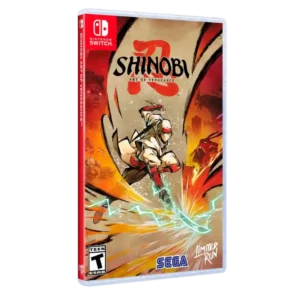
Shinobi: Art of Vengeance

Shinobi: Art of Vengeance

Overall score 4.4 / 5

Based on 30 scored reviews

vs
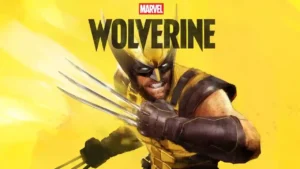
Marvel’s Wolverine

Marvel’s Wolverine

Overall score 3.7 / 5

Based on 122 scored reviews

How we score

Scorata scores summarize analyzed review evidence on a 1–5 scale; they are not laboratory measurements or a simple average of customer star ratings. Feature scores summarize the reviews covering that feature. The overall score averages feature scores within each review, then combines review averages. When both expert and customer evidence are available, those two groups receive equal weight. Products can have different review coverage, so small score gaps do not establish a winner.

Recommendations prioritize important features for the category, with a score of at least 3.5, a gap of at least 0.25 points and at least two supporting reviews per product. Features with widely varying scores or broad connectivity contexts are excluded from recommendations. These safeguards do not establish statistical significance.

Quick verdict

What each product is best for

The review evidence points to a tradeoff: innovation and faithfulness to franchise versus frame rate stability and soundtrack quality. Choose according to which strengths matter more to you; the overall score alone does not settle that choice.

Choose Shinobi: Art of Vengeance for innovation and faithfulness to franchise.

Choose Marvel’s Wolverine for frame rate stability and soundtrack quality.

Why these recommendations?

Shinobi: Art of Vengeance

Where It Has the Edge

  • innovation is 4.8 vs 2.4. Innovation is praised where reviewers say the game evolves Shinobi meaningfully instead of merely repeating the past.
  • faithfulness to franchise is 4.7 vs 3.8. Reviewers broadly describe the revival as faithful to Shinobi’s legacy while modernizing it with new structure, combat depth,...
  • progression system is 4.6 vs 3.7. Progression is praised for steadily adding moves, abilities, upgrades, and customization that keep combat and traversal evolving.

Marvel’s Wolverine

Where It Has the Edge

  • frame rate stability is 4.4 vs 2.9. Performance mode is generally smooth at 60fps, with the PS5 Pro delivering the cleanest balance of image quality...
  • soundtrack quality is 4.7 vs 4.4. The score supports the cinematic action and emotional beats effectively, though it is less frequently celebrated than the...
Shinobi: Art of Vengeance 4.4 overall score
Marvel’s Wolverine 3.7 overall score

Compare features

Scores are out of 5. Missing scores mean missing review evidence, not a missing feature.

Scored on both products

Controls and connectivity

Menu usability
Shinobi: Art of Vengeance
5.0

Menu usability is praised through the clean, easy-to-navigate interface that removes friction around fast travel and play.

Marvel’s Wolverine
2.0

Menus and settings are functional and give useful control over difficulty and presentation, with few major usability complaints.

Protagonist appeal
Shinobi: Art of Vengeance
4.5

Protagonist appeal is positive where Joe Musashi is described as a compelling, badass ninja fantasy rather than a talkative character.

Marvel’s Wolverine
2.7

Logan’s wounded, reluctant charm is one of the most consistent successes, carrying weaker stretches of combat and plotting.

Controls responsiveness
Shinobi: Art of Vengeance
4.7

Controls are usually described as smooth, tight, intuitive, and responsive, with a few caveats around moments where scripted control loss or platforming inputs feel awkward.

Marvel’s Wolverine
3.9

The controls generally feel immediate during close combat, although contextual movement and cinematic inputs sometimes reduce precision and agency.

Voice acting
Shinobi: Art of Vengeance
4.0

Voice acting receives mixed-to-positive reactions: some reviews praise the performances, while others call the English voices merely fine or jarring.

Marvel’s Wolverine
4.5

The voice performances are widely praised for giving Logan and the supporting cast warmth, intensity, and emotional credibility.

Other features

Mission variety
Shinobi: Art of Vengeance
4.5

Mission variety is supported by praise for fresh objectives and distinct environments across the stages.

Marvel’s Wolverine
2.0

Locations change frequently, but mission structure repeatedly cycles through corridors, stealth, combat arenas, and cutscenes.

Camera behavior
Shinobi: Art of Vengeance
5.0

Camera behavior is praised in one review for intelligently changing framing to support mood, traversal, and visual depth.

Marvel’s Wolverine
2.6

The close camera adds weight to Logan’s attacks but can restrict awareness when fights crowd him with enemies.

Innovation
Shinobi: Art of Vengeance
4.8

Innovation is praised where reviewers say the game evolves Shinobi meaningfully instead of merely repeating the past.

Marvel’s Wolverine
2.4

The design refines familiar Insomniac ideas more than it invents new ones, leaving some players satisfied and others wanting a bolder evolution.

Enemy variety
Shinobi: Art of Vengeance
4.7

Enemy variety is a strength, with reviewers praising the range of ninjas, soldiers, monsters, bosses, and specialized foes that shape encounters.

Marvel’s Wolverine
2.9

Enemy types expand as the campaign continues, but repeated waves and familiar encounter patterns remain a common complaint.

Side character depth
Shinobi: Art of Vengeance
2.5

Side character depth is weak in the evidence focused on Ankou, whom one reviewer calls dull despite liking the broader visual design.

Marvel’s Wolverine
4.2

Jean Grey, Mystique, Sabretooth, and other supporting mutants create strong chemistry, although several relationships deserve more development.

Frame rate stability
Shinobi: Art of Vengeance
2.9

Frame rate stability is mixed, especially on Switch, where reviewers note dips or painful frame-rate issues despite otherwise strong presentation.

Marvel’s Wolverine
4.4

Performance mode is generally smooth at 60fps, with the PS5 Pro delivering the cleanest balance of image quality and responsiveness.

Originality
Shinobi: Art of Vengeance
4.5

Originality is praised where reviewers call the revival fresh for the series rather than a simple nostalgic retread.

Marvel’s Wolverine
3.0

Its old-school linear action can feel refreshingly direct, but familiar Insomniac systems and cinematic formulas make it derivative to many critics.

Emotional impact
Shinobi: Art of Vengeance
2.5

Emotional impact is limited in the review evidence, with one reviewer wishing for a stronger moment of emotional weight.

Marvel’s Wolverine
3.9

The story lands several moving character beats and gives Logan genuine vulnerability, while its tonal clash with constant killing weakens other moments.

Movement feel
Shinobi: Art of Vengeance
4.8

Movement feel is heavily praised as fast, fluid, snappy, and fun, though one Switch review notes combat can feel slower than traversal.

Marvel’s Wolverine
3.5

Pouncing and close-range movement suit Logan’s aggression, but traversal lacks the distinctive freedom and finesse of Insomniac’s Spider-Man games.

Core gameplay loop
Shinobi: Art of Vengeance
4.7

The core loop is widely liked as fast, stylish 2D action with strong combat and traversal, with a few reviewers calling it great despite structural complaints.

Marvel’s Wolverine
3.5

The focused fight-and-move-forward loop delivers quick thrills, but repetition becomes the central weakness across the full campaign.

Polish
Shinobi: Art of Vengeance
4.8

Polish is praised where reviewers highlight the game as well put together and visually refined.

Marvel’s Wolverine
3.6

The presentation is highly polished and technically assured, even when design repetition and occasional visual roughness remain visible.

Art direction
Shinobi: Art of Vengeance
5.0

The hand-drawn art direction receives near-universal praise for its style, cohesion, painterly look, and strong franchise fit.

Marvel’s Wolverine
3.8

The visual direction sells a grim, blood-soaked comic-book world, with Tokyo and the character designs providing many of the strongest images.

Combat system
Shinobi: Art of Vengeance
4.9

Combat is the most consistently praised attribute, with reviewers calling it fluid, deep, expressive, satisfying, and central to the game’s appeal.

Marvel’s Wolverine
3.7

Claw combat is visceral, fluid, and immediately satisfying, but its limited evolution makes repeated encounters wear thin for many players.

Learning curve
Shinobi: Art of Vengeance
4.5

The learning curve is favorable because reviewers describe the combat as simple to engage with while still rewarding mastery.

Marvel’s Wolverine
3.4

Combat is easy to understand, but reaching its more expressive possibilities takes time because key abilities unlock gradually.

Exploration quality
Shinobi: Art of Vengeance
4.1

Exploration is divisive: many enjoy secrets, replayable routes, and rewards, while others find backtracking or Metroidvania-lite detours less compelling.

Marvel’s Wolverine
3.0

Light exploration and scent-tracking offer brief breathing room, but narrow routes and modest rewards limit the joy of searching off-path.

Tutorial quality
Shinobi: Art of Vengeance
4.5

Tutorial quality is positive where one reviewer says the early tutorials made combat options easy to understand and apply.

Marvel’s Wolverine
3.5

The game teaches its basic systems clearly, although extensive guidance can feel like handholding to experienced action players.

Upgrade system
Shinobi: Art of Vengeance
4.5

The upgrade system is praised for meaningful amulets, combat additions, and flexible build choices that alter playstyle.

Marvel’s Wolverine
3.6

Technique points and enhancements provide useful growth, but the upgrades do not always transform combat enough to prevent repetition.

Faithfulness to franchise
Shinobi: Art of Vengeance
4.7

Reviewers broadly describe the revival as faithful to Shinobi’s legacy while modernizing it with new structure, combat depth, and visual presentation.

Marvel’s Wolverine
3.8

The brutality, healing, claws, costumes, and conflicted personality make this feel authentically Wolverine, even to critics of the broader game.

Progression system
Shinobi: Art of Vengeance
4.6

Progression is praised for steadily adding moves, abilities, upgrades, and customization that keep combat and traversal evolving.

Marvel’s Wolverine
3.7

Progression steadily expands Logan’s tools, but reviewers commonly wish the combat evolved sooner and more substantially.

Environmental detail
Shinobi: Art of Vengeance
5.0

Environmental detail stands out in reviews that praise painterly backgrounds, large-scale set pieces, and richly detailed level backdrops.

Marvel’s Wolverine
4.2

Detailed environments and dense city streets give the globe-trotting campaign strong visual texture, particularly in Tokyo.

Accessibility options
Shinobi: Art of Vengeance
4.2

Accessibility options are praised for adjustable difficulty, assist settings, and sliders that make the challenge more approachable without fully flattening it.

Marvel’s Wolverine
5.0

The game offers unusually flexible accessibility controls, including granular difficulty and gore-censoring options that make its intensity easier to tailor.

Fun factor
Shinobi: Art of Vengeance
4.8

Fun factor is high, with many reviewers calling the combat, challenge rooms, and overall ninja fantasy enjoyable or easy to recommend.

Marvel’s Wolverine
4.0

Many players find the campaign entertaining and cathartic despite its flaws, while repetition causes the fun to fade for harsher critics.

Gameplay mechanics
Shinobi: Art of Vengeance
4.4

Gameplay mechanics are praised for depth and power fantasy, though one reviewer argues an execution mechanic lacks meaningful challenge pressure.

Marvel’s Wolverine
3.6

The mechanics are accessible and cinematic, but critics who want deeper player expression find them automated, familiar, or overly simple.

Graphics quality
Shinobi: Art of Vengeance
5.0

Graphics quality is a major strength, with reviewers repeatedly calling the game gorgeous, beautiful, and visually impressive.

Marvel’s Wolverine
4.3

Visual fidelity, character models, lighting, and environments are consistent highlights, even among reviewers disappointed by the gameplay.

Narrative quality
Shinobi: Art of Vengeance
3.3

Narrative quality is the most mixed creative element: some call it one of the franchise’s better stories, while many describe it as simple, thin, or tonally inconsistent.

Marvel’s Wolverine
4.0

Logan’s personal journey and relationships earn substantial praise, yet predictable plotting, tonal conflict, and a weaker final stretch divide critics.

Platforming precision
Shinobi: Art of Vengeance
4.0

Platforming is often praised as tight, precise, and rewarding, though several reviewers flag optional challenge rooms or late-game traversal as frustrating or inconsistent.

Marvel’s Wolverine
3.4

Parkour and traversal challenges add variety, but contextual jumps and guided routes can feel mindless rather than precise.

Content variety
Shinobi: Art of Vengeance
4.5

Content variety is strong across stage themes, optional challenges, enemy encounters, bonus levels, and replay modes, though some side segments are less loved.

Marvel’s Wolverine
5.0

Set pieces, tracking, stealth, and light exploration interrupt the fighting, yet the overall activity mix can still feel narrow and repetitive.

Atmosphere
Shinobi: Art of Vengeance
4.5

Atmosphere is supported by presentation touches such as camera framing and mood-setting scenes that help the 2D spaces feel more dramatic.

Marvel’s Wolverine
4.0

The darker, moodier tone fits Logan well, even when the relentless brutality makes the atmosphere exhausting for some players.

Immersion
Shinobi: Art of Vengeance
4.0

Immersion is supported by strong presentation and visual depth, though one reviewer says the game remained enjoyable without strongly resonating.

Marvel’s Wolverine
4.5

The game convincingly puts players inside Logan’s brutal fantasy during combat, though constrained levels and heavy scripting can weaken immersion.

Load times
Shinobi: Art of Vengeance
4.5

Load times receive a positive note from one Switch reviewer who says they did not take too long.

Marvel’s Wolverine
4.0

Loading is generally quick and unobtrusive, helping chapters and retries maintain momentum.

Lore depth
Shinobi: Art of Vengeance
4.0

Lore depth gets mild praise where the reviewer appreciates Shinobi’s blend of cultural mythological elements.

Marvel’s Wolverine
4.5

Optional lore deepens Logan’s history and trauma, although tying some of it to repetitive challenges makes the storytelling feel fragmented.

Onboarding experience
Shinobi: Art of Vengeance
4.5

Onboarding is praised for easing the player into each move rather than overwhelming them with the full combat kit at once.

Marvel’s Wolverine
5.0

The opening establishes Logan and the basic combat clearly, but several reviewers feel the game takes too long to unlock its most enjoyable abilities.

Writing quality
Shinobi: Art of Vengeance
2.8

Writing quality is mixed-to-weak, with reviewers describing the script as fine, tropey, or not especially nuanced.

Marvel’s Wolverine
3.3

The writing gives Logan humanity and several effective relationships, but familiar plotting and uneven tonal choices stop it from matching the presentation.

Animation quality
Shinobi: Art of Vengeance
4.9

Animation quality is a standout, especially Joe’s motion, hand-drawn character work, and the way combat and traversal read in motion.

Marvel’s Wolverine
4.7

Character movement, finishers, and cinematic sequences are frequently praised for fluid, detailed animation, although occasional facial stiffness stands out.

Character development
Shinobi: Art of Vengeance
3.3

Character development is limited overall, with one reviewer liking a supporting character but another calling broader character depth minimal.

Marvel’s Wolverine
3.5

Logan’s vulnerability and relationships create some of the game’s best moments, though several arcs feel rushed or underexplored.

Pacing
Shinobi: Art of Vengeance
3.6

Pacing is mixed: several reviewers like the length and steady tool rollout, while others say long stages, revisit loops, or samey rhythm weaken momentum.

Marvel’s Wolverine
3.4

The campaign often moves with brisk blockbuster momentum, though cutscenes, walking sections, and an uneven final act create noticeable slowdowns.

Difficulty balance
Shinobi: Art of Vengeance
4.1

Difficulty is generally viewed as fair and satisfying, but opinions split on spikes, projectile-heavy sections, undertuned enemies, and some hard optional challenges.

Marvel’s Wolverine
4.1

Granular difficulty controls let players tune health, parry windows, and related settings, but the default challenge can feel uneven or too forgiving.

Bug frequency
Shinobi: Art of Vengeance
2.0

Bug frequency is a concern in one review that reports a severe save-wipe issue, even though other technical impressions were cleaner.

Marvel’s Wolverine
2.0

Technical bugs are not a dominant concern, though isolated glitches keep the experience from feeling completely spotless.

Dialogue quality
Shinobi: Art of Vengeance
2.5

Dialogue quality is uneven: one review criticizes a dull character, and another finds paused dialogue barks jarring despite fun narrative moments.

Marvel’s Wolverine
2.5

Dialogue and character banter often bring warmth to Logan’s relationships, though some exchanges lean on familiar superhero writing.

Visual effects quality
Shinobi: Art of Vengeance
4.8

Visual effects are praised for stylish Ninjutsu, cinematic flourishes, audiovisual impact, and bold combat feedback.

Marvel’s Wolverine
4.8

Blood, lighting, ray tracing, and power effects create striking spectacle, with occasional excess or inconsistency depending on the scene.

Comfort and build

World-building
Shinobi: Art of Vengeance
2.5

World-building is weak in the evidence that explicitly says not to expect captivating world building from the campy action story.

Marvel’s Wolverine
4.5

The globe-trotting X-Men setting supplies recognizable lore and strong locations, though the wider mutant world is sometimes more hinted at than explored.

Map and navigation design
Shinobi: Art of Vengeance
3.8

Map and navigation design is mixed: reviewers like map clarity and fast travel, but some cite confusing secret tracking or unclear pits.

Marvel’s Wolverine
2.0

Navigation through the directed levels is usually clear, but heavy guidance and objective markers can make exploration feel over-managed.

Level design
Shinobi: Art of Vengeance
4.1

Level design is usually praised for scale, variety, secrets, and challenge structure, but some reviewers criticize flow, pacing, or underused combat spaces.

Marvel’s Wolverine
2.7

The linear levels keep momentum focused and allow dense spectacle, but corridor-heavy routes and combat arenas often feel restrictive or dated.

Boss design
Shinobi: Art of Vengeance
4.4

Boss design earns many positive notes for memorable, exciting encounters, though a few reviewers find some bosses too easy, clunky, or mechanically weaker than regular fights.

Marvel’s Wolverine
3.0

Boss encounters provide several memorable spectacles, but their mechanical depth and consistency divide opinion.

Sound design
Shinobi: Art of Vengeance
3.5

Sound design is mixed: impact feedback and combat audio are praised, but one reviewer strongly disliked the harsh radio or speaker filter.

Marvel’s Wolverine
4.4

Claw impacts, environmental audio, and cinematic effects give the violence convincing weight, complementing the strong visual production.

Mission design
Shinobi: Art of Vengeance
4.5

Mission design is praised through comments about well-crafted stages that mix platforming, combat, puzzles, and optional routes.

Marvel’s Wolverine
3.8

The strongest missions pair cinematic set pieces with character drama, while routine arena encounters and scripted sequences reduce player freedom.

Puzzle design
Shinobi: Art of Vengeance
4.0

Puzzle design receives a mild positive note for being logical and not slowing the action down.

Marvel’s Wolverine
4.0

Puzzles are light and infrequent; they offer pacing breaks without becoming a deep or memorable pillar.

Performance

Soundtrack quality
Shinobi: Art of Vengeance
4.4

The soundtrack is mostly praised as energetic, fitting, and memorable, though one review finds it weaker than the visuals and Genesis-era expectations.

Marvel’s Wolverine
4.7

The score supports the cinematic action and emotional beats effectively, though it is less frequently celebrated than the visuals or performances.

Performance optimization
Shinobi: Art of Vengeance
3.8

Performance optimization varies by platform and context, with PS5 impressions strong but Switch-oriented reviews noting optimization and frame-pacing caveats.

Marvel’s Wolverine
4.0

Technical performance is broadly solid across PS5 modes, with the strongest image-and-frame-rate balance reserved for PS5 Pro.

Ownership and support

Value for money
Shinobi: Art of Vengeance
4.6

Value for money is positive overall, especially for combat-focused or completionist players, though one review frames value as more moderate for players skipping side content.

Marvel’s Wolverine
4.3

The standard edition is the safer value; the deluxe upgrade mainly appeals to players who care about its exclusive cosmetic suits and claws.

Replay value
Shinobi: Art of Vengeance
4.1

Replay value is strong for completionists thanks to collectibles, secrets, stage revisits, Arcade Mode, Boss Rush, ranks, and unlockables, though not every reviewer loves revisiting.

Marvel’s Wolverine
4.3

Chapter replay, New Game Plus, combat challenges, and unlockable suits provide solid reasons to return, especially for players who enjoy the fighting.

Evidence available for one product

Controls and connectivity

Age appropriateness
Shinobi: Art of VengeanceNo score yet
Marvel’s Wolverine
4.0

Its graphic violence is firmly aimed at mature players; the adjustable gore helps, but the underlying themes and action remain adult-oriented.

Character customization
Shinobi: Art of VengeanceNo score yet
Marvel’s Wolverine
3.9

Unlockable suits and claw styles offer appealing comic-inspired customization, but some of the best cosmetics sit behind the deluxe edition.

Other features

Casting choices
Shinobi: Art of VengeanceNo score yet
Marvel’s Wolverine
4.4

The cast is widely considered a strength, giving the personal scenes conviction even when the surrounding script falters.

Checkpoint system
Shinobi: Art of Vengeance
5.0

The checkpoint system is praised as a quality-of-life improvement because it reduces frustration around difficult optional challenges.

Marvel’s WolverineNo score yet
Collectibles
Shinobi: Art of VengeanceNo score yet
Marvel’s Wolverine
3.0

Optional collectibles add lore and reasons to search, but the rewards are not always strong enough to make exploration feel essential.

Crash stability
Shinobi: Art of Vengeance
5.0

Crash stability is strong in the PS5 review that reports no crashes, soft-locks, or freezes over a long playthrough.

Marvel’s WolverineNo score yet
Endgame content
Shinobi: Art of Vengeance
4.1

Endgame content is generally seen as useful for replay through Arcade Mode, Boss Rush, superbosses, and ranking challenges, though one reviewer sees arcade mode as padding.

Marvel’s WolverineNo score yet
Facial animations
Shinobi: Art of VengeanceNo score yet
Marvel’s Wolverine
4.7

Facial work is often expressive in emotional scenes, although inconsistent proportions and stiffness occasionally break the otherwise polished presentation.

Family friendliness
Shinobi: Art of VengeanceNo score yet
Marvel’s Wolverine
4.0

This is not naturally family-friendly because of its gore and mature tone, though censorship settings make shared-room play more manageable.

Fast travel convenience
Shinobi: Art of Vengeance
4.8

Fast travel is repeatedly praised for making revisits, secret hunting, and post-completion cleanup smoother rather than tedious.

Marvel’s WolverineNo score yet
Flying mechanics
Shinobi: Art of Vengeance
3.0

Flying mechanics are mildly criticized in the glider’s case, with the reviewer saying it slows down otherwise snappy traversal.

Marvel’s WolverineNo score yet
Game length
Shinobi: Art of VengeanceNo score yet
Marvel’s Wolverine
2.5

The roughly 15–20 hour campaign feels brisk to some players but overextended to others because its combat variety struggles to sustain the runtime.

Haptic feedback integration
Shinobi: Art of VengeanceNo score yet
Marvel’s Wolverine
4.0

DualSense haptics give claw strikes and action sequences extra physical impact and are repeatedly singled out as a PS5 strength.

HUD clarity
Shinobi: Art of Vengeance
3.0

HUD clarity receives a mixed score because flashy combat effects can make the player lose track of the action.

Marvel’s WolverineNo score yet
Skill tree depth
Shinobi: Art of VengeanceNo score yet
Marvel’s Wolverine
3.2

The skill tree eventually unlocks satisfying options, but basic upgrades and slow access to key moves limit the sense of depth.

Stealth mechanics
Shinobi: Art of VengeanceNo score yet
Marvel’s Wolverine
3.6

Stealth offers brutal takedowns and brief variety, but forgiving detection and few consequences make it feel underdeveloped.

Violence level
Shinobi: Art of VengeanceNo score yet
Marvel’s Wolverine
4.1

The unapologetic gore makes combat feel authentic and cathartic to many players, while others find the repeated dismemberment excessive, numbing, or tonally damaging.

Comfort and build

Open-world design
Shinobi: Art of VengeanceNo score yet
Marvel’s Wolverine
3.4

The deliberate rejection of an open world keeps the adventure focused, though players differ sharply on whether that focus feels refreshing or restrictive.

QTE design
Shinobi: Art of VengeanceNo score yet
Marvel’s Wolverine
3.3

Quick-time and cinematic prompts heighten spectacle for some players but reinforce the feeling of watching rather than fully controlling the action for others.

User interface design
Shinobi: Art of Vengeance
5.0

User interface design receives praise for being clean and easy to navigate.

Marvel’s WolverineNo score yet

Ownership and support

Platform-specific feature support
Shinobi: Art of VengeanceNo score yet
Marvel’s Wolverine
3.7

PS5 features are used well, and PS5 Pro offers the most refined visual experience without making the base console version feel unplayable.

Save system reliability
Shinobi: Art of Vengeance
3.3

Save reliability is split: one review praises frequent saves, while another reports the serious problem of a save being wiped twice.

Marvel’s WolverineNo score yet

Other Top Video Games to Consider

#1 Well Dweller
4.7

Best for fluid traversal, rewarding exploration, striking art, and forgiving quality-of-life features. Skip it if you want deep combat, radical genre innovation, or consistently demanding bosses.

Pros: difficulty balance, boss design

Cons: innovation, sandbox freedom

#2 Hades II
4.6

Good if you want fast, tactical roguelite combat with huge progression depth, striking art, and standout music. Skip it if repetition, resource micromanagement, or a less emotionally satisfying sequel story...

Pros: combat system, progression system

Cons: originality

#3 Valheim
4.5

Good if you want a beautiful, demanding survival sandbox built around exploration, building, progression, and memorable co-op. Skip it if long resource runs, harsh death recovery, and deliberate pacing sound...

Pros: town-building system, exploration quality

Cons: grind level, fast travel convenience

#4 Donkey Kong Bananza
4.5

Best for joyful destruction, dense exploration, and a charming DK-Pauline adventure. Skip it if camera quirks, frame-rate dips, easy bosses, or premium Switch 2 pricing are dealbreakers.

Pros: fun factor, world interactivity

Cons: frame rate stability, boss design