Compare Cabernet vs Shinobi: Art of Vengeance

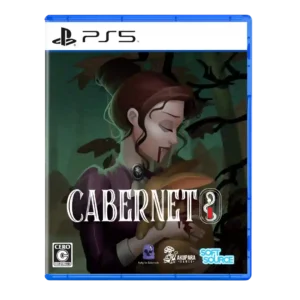
Cabernet
Shinobi: Art of Vengeance

Quick verdict

What each product is best for

Choose Cabernet for world-building and emotional impact.

Choose Shinobi: Art of Vengeance for menu usability and polish.

Comparison Takeaways

Cabernet

Where It Has the Edge

  • world-building is 4.8 vs 2.5. World-building was consistently praised for its living town, memorable characters, political themes, folklore, and richly imagined Eastern European...
  • emotional impact is 4.7 vs 2.5. Emotional impact was high, with reviewers citing heartbreaking moments, difficult choices, sobbing reactions, and themes treated with gravity.
  • side character depth is 4.5 vs 2.5. Side characters were repeatedly praised as well-written, complex, rounded, and enjoyable to interact with, though one reviewer found...
  • writing quality is 4.7 vs 2.8. Writing quality was consistently praised as fantastic, sharp, thoughtful, and beautifully written, helping carry the dialogue-heavy structure.

Shinobi: Art of Vengeance

Where It Has the Edge

  • menu usability is 5.0 vs 2.3. Menu usability is praised through the clean, easy-to-navigate interface that removes friction around fast travel and play.
  • polish is 4.8 vs 2.1. Polish is praised where reviewers highlight the game as well put together and visually refined.
  • controls responsiveness is 4.7 vs 2.3. Controls are usually described as smooth, tight, intuitive, and responsive, with a few caveats around moments where scripted...
  • movement feel is 4.8 vs 2.4. Movement feel is heavily praised as fast, fluid, snappy, and fun, though one Switch review notes combat can...
Average score
Cabernet
4.0
Shinobi: Art of Vengeance
4.4
menu usability
Cabernet
2.3

Menu usability was a recurring complaint on controller and Switch, with reviewers criticizing cursor-based menus, small text, and lack of button navigation; one PC-focused review found the menu effective.

Shinobi: Art of Vengeance
5.0

Menu usability is praised through the clean, easy-to-navigate interface that removes friction around fast travel and play.

polish
Cabernet
2.1

Polish was a common weakness, with reviewers saying glitches, rough edges, and quality-control issues held the game back from higher scores.

Shinobi: Art of Vengeance
4.8

Polish is praised where reviewers highlight the game as well put together and visually refined.

controls responsiveness
Cabernet
2.3

Control and interaction precision were a recurring weak spot, with reviewers pointing to tricky icon selection, awkward action segments, and hard-to-trigger object interactions.

Shinobi: Art of Vengeance
4.7

Controls are usually described as smooth, tight, intuitive, and responsive, with a few caveats around moments where scripted control loss or platforming inputs feel awkward.

movement feel
Cabernet
2.4

Movement drew mixed-to-negative feedback: reviewers liked some traversal ideas but criticized slow walking, clunkiness, obstacle snagging, and awkward fast movement.

Shinobi: Art of Vengeance
4.8

Movement feel is heavily praised as fast, fluid, snappy, and fun, though one Switch review notes combat can feel slower than traversal.

crash stability
Cabernet
2.7

Crash stability was mixed, with several reviews reporting crashes or freezes while one Switch review said it did not unexpectedly crash.

Shinobi: Art of Vengeance
5.0

Crash stability is strong in the PS5 review that reports no crashes, soft-locks, or freezes over a long playthrough.

world-building
Cabernet
4.8

World-building was consistently praised for its living town, memorable characters, political themes, folklore, and richly imagined Eastern European vampire society.

Shinobi: Art of Vengeance
2.5

World-building is weak in the evidence that explicitly says not to expect captivating world building from the campy action story.

visual effects quality
Cabernet
2.5

Visual effects quality had limited negative support from a review that disliked temporary visual echoing during character movement.

Shinobi: Art of Vengeance
4.8

Visual effects are praised for stylish Ninjutsu, cinematic flourishes, audiovisual impact, and bold combat feedback.

emotional impact
Cabernet
4.7

Emotional impact was high, with reviewers citing heartbreaking moments, difficult choices, sobbing reactions, and themes treated with gravity.

Shinobi: Art of Vengeance
2.5

Emotional impact is limited in the review evidence, with one reviewer wishing for a stronger moment of emotional weight.

user interface design
Cabernet
3.0

User interface design was mixed: one review found it organized and another effective, but several criticized parsing, hotspot cycling, and rough interface elements.

Shinobi: Art of Vengeance
5.0

User interface design receives praise for being clean and easy to navigate.

side character depth
Cabernet
4.5

Side characters were repeatedly praised as well-written, complex, rounded, and enjoyable to interact with, though one reviewer found some contemporaries merely personable rather than deeply developed.

Shinobi: Art of Vengeance
2.5

Side character depth is weak in the evidence focused on Ankou, whom one reviewer calls dull despite liking the broader visual design.

load times
Cabernet
2.6

Load times were a recurring platform concern, especially on Switch, though one review balanced the initial wait against smooth movement after loading.

Shinobi: Art of Vengeance
4.5

Load times receive a positive note from one Switch reviewer who says they did not take too long.

writing quality
Cabernet
4.7

Writing quality was consistently praised as fantastic, sharp, thoughtful, and beautifully written, helping carry the dialogue-heavy structure.

Shinobi: Art of Vengeance
2.8

Writing quality is mixed-to-weak, with reviewers describing the script as fine, tropey, or not especially nuanced.

dialogue quality
Cabernet
4.3

Dialogue was widely liked for richness, vibrancy, and delight, though one reviewer noted occasional out-of-order conversations that hurt immersion.

Shinobi: Art of Vengeance
2.5

Dialogue quality is uneven: one review criticizes a dull character, and another finds paused dialogue barks jarring despite fun narrative moments.

narrative quality
Cabernet
4.5

Narrative quality was the dominant strength, with broad praise for the vampire premise, branching story, character focus, and emotional storytelling despite some mixed views on main-plot lulls.

Shinobi: Art of Vengeance
3.3

Narrative quality is the most mixed creative element: some call it one of the franchise’s better stories, while many describe it as simple, thin, or tonally inconsistent.

animation quality
Cabernet
3.9

Animation quality had limited but positive support, with one reviewer praising close-up cutscenes while another noted the aesthetic masks animation limitations.

Shinobi: Art of Vengeance
4.9

Animation quality is a standout, especially Joe’s motion, hand-drawn character work, and the way combat and traversal read in motion.

performance optimization
Cabernet
2.7

Performance optimization varied by platform; Switch and console reviews often criticized optimization, while one Switch-focused review said it ran really well.

Shinobi: Art of Vengeance
3.8

Performance optimization varies by platform and context, with PS5 impressions strong but Switch-oriented reviews noting optimization and frame-pacing caveats.

frame rate stability
Cabernet
1.8

Frame rate stability had limited negative support, with a Switch review reporting drastic frame skipping in a specific area.

Shinobi: Art of Vengeance
2.9

Frame rate stability is mixed, especially on Switch, where reviewers note dips or painful frame-rate issues despite otherwise strong presentation.

map and navigation design
Cabernet
2.8

Map and navigation design had limited negative support from a reviewer who noted the lack of a map and reliance on memory.

Shinobi: Art of Vengeance
3.8

Map and navigation design is mixed: reviewers like map clarity and fast travel, but some cite confusing secret tracking or unclear pits.

character development
Cabernet
4.3

Character development was generally strong, with reviewers praising memorable personalities, relationship consequences, and excellent development, though one found some characters less complex.

Shinobi: Art of Vengeance
3.3

Character development is limited overall, with one reviewer liking a supporting character but another calling broader character depth minimal.

checkpoint system
Cabernet
4.0

Checkpointing had limited positive support because one reviewer noted autosaves before frustrating action segments.

Shinobi: Art of Vengeance
5.0

The checkpoint system is praised as a quality-of-life improvement because it reduces frustration around difficult optional challenges.

graphics quality
Cabernet
4.2

Graphics were generally praised for attractive backgrounds, effective cel-shaded visuals, and storybook presentation, though one review found the visuals somewhat simplistic.

Shinobi: Art of Vengeance
5.0

Graphics quality is a major strength, with reviewers repeatedly calling the game gorgeous, beautiful, and visually impressive.

accessibility options
Cabernet
5.0

Accessibility support was praised in one review because infinite blood mode lets players avoid feeding pressure and focus on the story.

Shinobi: Art of Vengeance
4.2

Accessibility options are praised for adjustable difficulty, assist settings, and sliders that make the challenge more approachable without fully flattening it.

immersion
Cabernet
4.8

Immersion was a standout for many reviewers, driven by role-playing, atmosphere, world-building, and emotional investment, though some audio and logic issues could disrupt it.

Shinobi: Art of Vengeance
4.0

Immersion is supported by strong presentation and visual depth, though one reviewer says the game remained enjoyable without strongly resonating.

content variety
Cabernet
3.8

Content variety had mixed support: one review wanted more vampiric ability variety, while another noted more transformations unlocking as the game progressed.

Shinobi: Art of Vengeance
4.5

Content variety is strong across stage themes, optional challenges, enemy encounters, bonus levels, and replay modes, though some side segments are less loved.

flying mechanics
Cabernet
3.7

Bat traversal was often enjoyable and convenient, but one review found landing and ability activation janky while another described the powers as conceptually fun but uneven.

Shinobi: Art of Vengeance
3.0

Flying mechanics are mildly criticized in the glider’s case, with the reviewer saying it slows down otherwise snappy traversal.

bug frequency
Cabernet
2.6

Bug frequency was the most repeated technical concern, with many reviews reporting glitches, soft-locks, quest-breaking issues, or visual jank; a few encountered only minor problems.

Shinobi: Art of Vengeance
2.0

Bug frequency is a concern in one review that reports a severe save-wipe issue, even though other technical impressions were cleaner.

value for money
Cabernet
4.0

Value was positive but platform-dependent: some reviewers recommended it or loved it, while others advised waiting for patches before buying.

Shinobi: Art of Vengeance
4.6

Value for money is positive overall, especially for combat-focused or completionist players, though one review frames value as more moderate for players skipping side content.

lore depth
Cabernet
4.6

Lore depth was a strong point, with reviewers praising the vampire mythology, folklore, glossary material, and social-commentary roots.

Shinobi: Art of Vengeance
4.0

Lore depth gets mild praise where the reviewer appreciates Shinobi’s blend of cultural mythological elements.

save system reliability
Cabernet
2.8

Save reliability was mixed, with one review emphasizing saving regularly and another reporting forgotten progress after a reload.

Shinobi: Art of Vengeance
3.3

Save reliability is split: one review praises frequent saves, while another reports the serious problem of a save being wiped twice.

environmental detail
Cabernet
4.5

Environmental detail had limited positive support, with one review praising the environmental storytelling built into the settings.

Shinobi: Art of Vengeance
5.0

Environmental detail stands out in reviews that praise painterly backgrounds, large-scale set pieces, and richly detailed level backdrops.

protagonist appeal
Cabernet
5.0

Liza’s protagonist appeal had strong but limited support, with one reviewer calling her exceptionally endearing.

Shinobi: Art of Vengeance
4.5

Protagonist appeal is positive where Joe Musashi is described as a compelling, badass ninja fantasy rather than a talkative character.

replay value
Cabernet
4.6

Replay value was one of the clearest strengths, with reviewers citing different choices, endings, relationships, achievements, and quest outcomes as reasons to replay.

Shinobi: Art of Vengeance
4.1

Replay value is strong for completionists thanks to collectibles, secrets, stage revisits, Arcade Mode, Boss Rush, ranks, and unlockables, though not every reviewer loves revisiting.

core gameplay loop
Cabernet
4.3

The nightly action-point loop, coffin deadline, and relationship management were usually praised for creating meaningful prioritization, with one reviewer noting the slow social pace is not for everyone.

Shinobi: Art of Vengeance
4.7

The core loop is widely liked as fast, stylish 2D action with strong combat and traversal, with a few reviewers calling it great despite structural complaints.

tutorial quality
Cabernet
4.1

Tutorial quality was mixed-to-positive, with one preview praising seamless instruction while another full review felt the vampire reveal was partially spoiled by tutorial wording.

Shinobi: Art of Vengeance
4.5

Tutorial quality is positive where one reviewer says the early tutorials made combat options easy to understand and apply.

fast travel convenience
Cabernet
4.4

Fast travel convenience was praised when reviewers discussed bat form and dialogue skipping improving pace and movement around town.

Shinobi: Art of Vengeance
4.8

Fast travel is repeatedly praised for making revisits, secret hunting, and post-completion cleanup smoother rather than tedious.

endgame content
Cabernet
4.5

Endgame content was positively received in limited evidence, with reviewers praising the final chapters and an unexpected epilogue.

Shinobi: Art of Vengeance
4.1

Endgame content is generally seen as useful for replay through Arcade Mode, Boss Rush, superbosses, and ranking challenges, though one reviewer sees arcade mode as padding.

art direction
Cabernet
4.6

Art direction was a major strength, with praise for detailed characters, striking storybook aesthetics, gothic setting, and strong visual identity.

Shinobi: Art of Vengeance
5.0

The hand-drawn art direction receives near-universal praise for its style, cohesion, painterly look, and strong franchise fit.

soundtrack quality
Cabernet
4.7

The soundtrack was consistently praised as gothic, mournful, haunting, atmospheric, and memorable.

Shinobi: Art of Vengeance
4.4

The soundtrack is mostly praised as energetic, fitting, and memorable, though one review finds it weaker than the visuals and Genesis-era expectations.

voice acting
Cabernet
4.3

Voice acting was strongly praised by most reviewers, especially for Liza and the broader cast, but some criticized inconsistent accents, uneven performances, or audio quality.

Shinobi: Art of Vengeance
4.0

Voice acting receives mixed-to-positive reactions: some reviews praise the performances, while others call the English voices merely fine or jarring.

atmosphere
Cabernet
4.8

Atmosphere was consistently praised as gothic, eerie, haunting, and immersive, with reviewers frequently tying it to art, music, and setting.

Shinobi: Art of Vengeance
4.5

Atmosphere is supported by presentation touches such as camera framing and mood-setting scenes that help the 2D spaces feel more dramatic.

mission variety
Cabernet
4.8

Mission variety was praised for the large variety of optional quests and the range of task types, from fetch quests to puzzles and dialogue.

Shinobi: Art of Vengeance
4.5

Mission variety is supported by praise for fresh objectives and distinct environments across the stages.

pacing
Cabernet
3.8

Pacing was mixed, with praise for strong momentum and well-paced stretches balanced against story lulls, slow social play, and a central plot that could recede too much.

Shinobi: Art of Vengeance
3.6

Pacing is mixed: several reviewers like the length and steady tool rollout, while others say long stages, revisit loops, or samey rhythm weaken momentum.

HUD clarity
Cabernet
2.8

HUD clarity had limited negative support, with one reviewer wanting NPC locations added to reduce unnecessary searching.

Shinobi: Art of Vengeance
3.0

HUD clarity receives a mixed score because flashy combat effects can make the player lose track of the action.

progression system
Cabernet
4.4

Progression was widely praised for tying stats, books, outfits, and dialogue checks into role-playing, with reviewers calling the RPG elements satisfying and intriguing.

Shinobi: Art of Vengeance
4.6

Progression is praised for steadily adding moves, abilities, upgrades, and customization that keep combat and traversal evolving.

onboarding experience
Cabernet
4.7

Onboarding was praised for teaching controls, lore, stats, and vampiric rules through the opening narrative rather than through intrusive instruction.

Shinobi: Art of Vengeance
4.5

Onboarding is praised for easing the player into each move rather than overwhelming them with the full combat kit at once.

exploration quality
Cabernet
4.2

Exploration was strongest when tied to bat traversal, side quests, and optional world discovery, with reviewers generally finding it fun and effective despite a contained world.

Shinobi: Art of Vengeance
4.1

Exploration is divisive: many enjoy secrets, replayable routes, and rewards, while others find backtracking or Metroidvania-lite detours less compelling.

gameplay mechanics
Cabernet
4.3

Reviewers generally found the RPG, morality, feeding, and vampire systems engaging and well matched to the narrative, though a few noted uneven execution or jank in ability use.

Shinobi: Art of Vengeance
4.4

Gameplay mechanics are praised for depth and power fantasy, though one reviewer argues an execution mechanic lacks meaningful challenge pressure.

fun factor
Cabernet
4.7

Fun factor was strongly positive among reviewers who connected with the narrative RPG format, with several saying they had a genuinely good or best-time experience.

Shinobi: Art of Vengeance
4.8

Fun factor is high, with many reviewers calling the combat, challenge rooms, and overall ninja fantasy enjoyable or easy to recommend.

difficulty balance
Cabernet
4.0

Difficulty balance had limited positive support, with one reviewer saying the dawn timer functioned more as a gentle nudge than a harsh death threat.

Shinobi: Art of Vengeance
4.1

Difficulty is generally viewed as fair and satisfying, but opinions split on spikes, projectile-heavy sections, undertuned enemies, and some hard optional challenges.

innovation
Cabernet
4.8

Innovation had limited but strong support from a reviewer who said the RPG-infused visual novel felt unlike anything they had encountered in the genre.

Shinobi: Art of Vengeance
4.8

Innovation is praised where reviewers say the game evolves Shinobi meaningfully instead of merely repeating the past.

originality
Cabernet
4.5

Originality was praised through the game’s unusual vampire-life premise, unique narrative RPG flavor, and distinctive approach to the visual novel genre.

Shinobi: Art of Vengeance
4.5

Originality is praised where reviewers call the revival fresh for the series rather than a simple nostalgic retread.

sound design
Cabernet
3.5

Sound design was mixed: one reviewer found the audio immersion-breaking, while others praised fitting sound, emotional reinforcement, or noted only limited audio misfires.

Shinobi: Art of Vengeance
3.5

Sound design is mixed: impact feedback and combat audio are praised, but one reviewer strongly disliked the harsh radio or speaker filter.

learning curve
Cabernet
4.5

The learning curve had limited positive support, with one reviewer saying the mechanics initially seem complex but are actually simple.

Shinobi: Art of Vengeance
4.5

The learning curve is favorable because reviewers describe the combat as simple to engage with while still rewarding mastery.

mission design
Cabernet
4.5

Mission structure received positive support from one review that highlighted varied tasks and fresh, engaging gameplay.

Shinobi: Art of Vengeance
4.5

Mission design is praised through comments about well-crafted stages that mix platforming, combat, puzzles, and optional routes.

upgrade system
Cabernet
4.5

The upgrade system had one strong supporting review that described the RPG elements behind skill growth as simple but satisfying.

Shinobi: Art of Vengeance
4.5

The upgrade system is praised for meaningful amulets, combat additions, and flexible build choices that alter playstyle.

boss design
CabernetNo score yet
Shinobi: Art of Vengeance
4.4

Boss design earns many positive notes for memorable, exciting encounters, though a few reviewers find some bosses too easy, clunky, or mechanically weaker than regular fights.

camera behavior
CabernetNo score yet
Shinobi: Art of Vengeance
5.0

Camera behavior is praised in one review for intelligently changing framing to support mood, traversal, and visual depth.

character roster
Cabernet
4.5

The character roster/cast was praised as plentiful, diverse, and well-written, with enough variety to support the relationship-driven structure.

Shinobi: Art of VengeanceNo score yet
combat system
CabernetNo score yet
Shinobi: Art of Vengeance
4.9

Combat is the most consistently praised attribute, with reviewers calling it fluid, deep, expressive, satisfying, and central to the game’s appeal.

economy and resource balance
Cabernet
3.9

Resource balance was mixed: time pressure created urgency, but another review felt blood management became too trivial by the end.

Shinobi: Art of VengeanceNo score yet
enemy variety
CabernetNo score yet
Shinobi: Art of Vengeance
4.7

Enemy variety is a strength, with reviewers praising the range of ninjas, soldiers, monsters, bosses, and specialized foes that shape encounters.

faithfulness to franchise
CabernetNo score yet
Shinobi: Art of Vengeance
4.7

Reviewers broadly describe the revival as faithful to Shinobi’s legacy while modernizing it with new structure, combat depth, and visual presentation.

handheld play suitability
Cabernet
3.5

Handheld suitability was split: one reviewer felt Switch was not the best platform, while another called it a great Switch port.

Shinobi: Art of VengeanceNo score yet
horror tension
Cabernet
4.2

Horror tension had limited positive support from the preview’s praise for the dark, mysterious gothic setup.

Shinobi: Art of VengeanceNo score yet
level design
CabernetNo score yet
Shinobi: Art of Vengeance
4.1

Level design is usually praised for scale, variety, secrets, and challenge structure, but some reviewers criticize flow, pacing, or underused combat spaces.

open-world design
Cabernet
3.5

Open-world design was only lightly supported; one reviewer felt the game gives the illusion of openness while still expecting specific sequences.

Shinobi: Art of VengeanceNo score yet
platform-specific feature support
Cabernet
2.3

Platform-specific support was weak on Switch and consoles, with reviewers pointing to poor PC-to-Switch conversion and rough console experience.

Shinobi: Art of VengeanceNo score yet
platforming precision
CabernetNo score yet
Shinobi: Art of Vengeance
4.0

Platforming is often praised as tight, precise, and rewarding, though several reviewers flag optional challenge rooms or late-game traversal as frustrating or inconsistent.

puzzle design
CabernetNo score yet
Shinobi: Art of Vengeance
4.0

Puzzle design receives a mild positive note for being logical and not slowing the action down.

quest design
Cabernet
4.4

Side quests were a major strength across reviews, often called intriguing, imaginative, and high quality, though one reviewer found some boring, rushed, or uneven.

Shinobi: Art of VengeanceNo score yet
sandbox freedom
Cabernet
3.9

Sandbox freedom was mixed: reviewers appreciated moral and dialogue freedom, but also noted invisible walls, predetermined quest paths, and an illusion of openness.

Shinobi: Art of VengeanceNo score yet
stealth mechanics
Cabernet
4.2

One reviewer praised invisibility as useful for sneaking and completing quests, giving stealth a positive but lightly supported score.

Shinobi: Art of VengeanceNo score yet
world interactivity
Cabernet
4.7

Reviewers praised the consequence-driven world, noting meaningful choices, character-altering outcomes, and impactful interactions with people and systems.

Shinobi: Art of VengeanceNo score yet