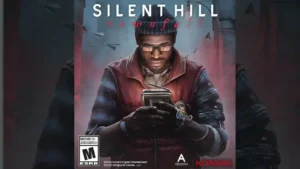
Compare Silent Hill f vs Silent Hill: Townfall

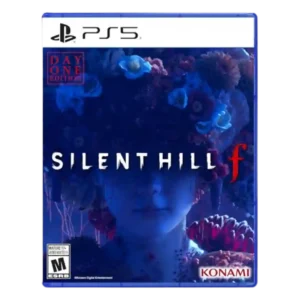
Silent Hill f

Silent Hill f

Overall score 3.9 / 5

Based on 30 scored reviews

vs
Silent Hill: Townfall

Silent Hill: Townfall

Overall score 3.7 / 5

Based on 69 scored reviews

How we score

Scorata scores summarize analyzed review evidence on a 1–5 scale; they are not laboratory measurements or a simple average of customer star ratings. Feature scores summarize the reviews covering that feature. The overall score averages feature scores within each review, then combines review averages. When both expert and customer evidence are available, those two groups receive equal weight. Products can have different review coverage, so small score gaps do not establish a winner.

Recommendations prioritize important features for the category, with a score of at least 3.5, a gap of at least 0.25 points and at least two supporting reviews per product. Features with widely varying scores or broad connectivity contexts are excluded from recommendations. These safeguards do not establish statistical significance.

Quick verdict

What each product is best for

The review evidence points to a tradeoff: difficulty balance and voice acting versus character development and immersion. Choose according to which strengths matter more to you; the overall score alone does not settle that choice.

Choose Silent Hill f for difficulty balance and voice acting.

Choose Silent Hill: Townfall for character development and immersion.

Why these recommendations?

Silent Hill f

Where It Has the Edge

  • difficulty balance is 3.9 vs 2.4. Difficulty balance was generally flexible because combat and puzzle settings are separate, though some reviewers wanted clearer or...
  • voice acting is 5.0 vs 4.1. Voice acting received consistent praise from the reviews that addressed it, with Japanese and English performances both described...
  • emotional impact is 5.0 vs 4.3. Emotional impact was very strong among supporters, who described the story as moving, haunting, morose, and difficult to...

Silent Hill: Townfall

Where It Has the Edge

  • character development is 4.0 vs 2.8. Switching viewpoints gives Zoe and Richard meaningful space to deepen the disaster and Simon’s story. Reviewers often find...
  • immersion is 4.0 vs 3.0. First-person exploration, dense environmental detail, fog, and analogue interfaces pull many reviewers deeply into St. Amelia. The game...
Silent Hill f 3.9 overall score
Silent Hill: Townfall 3.7 overall score

Compare features

Scores are out of 5. Missing scores mean missing review evidence, not a missing feature.

Scored on both products

Other features

Content variety
Silent Hill f
4.5

New Game+ was singled out for adding more content, which improves the product’s content variety beyond a single first run.

Silent Hill: Townfall
2.0

One mixed review warns that players seeking more varied gameplay or a stronger combat focus may find the experience narrow.

Dialogue quality
Silent Hill f
2.0

Dialogue quality received limited but negative evidence, with Eurogamer criticizing early teen dialogue as cringey or irritating.

Silent Hill: Townfall
4.0

Dialogue is praised for sounding believable rather than exaggerated for horror, helping the small cast feel grounded.

Camera behavior
Silent Hill f
2.2

Camera behavior was one of the weaker mechanical areas, with repeated complaints about narrow spaces, lock-on fights, and blocked views.

Silent Hill: Townfall
3.7

The first-person viewpoint generally heightens vulnerability, intimacy, and horror. A few reviewers find it makes spatial awareness or rough combat behavior harder to read, creating a real tradeoff.

Difficulty balance
Silent Hill f
3.9

Difficulty balance was generally flexible because combat and puzzle settings are separate, though some reviewers wanted clearer or more normal middle-ground tuning.

Silent Hill: Townfall
2.4

Townfall can be satisfyingly demanding, but instant-kill stalkers and harsh stealth spikes draw repeated criticism. Reviewers are more positive when challenge comes from puzzles or resource pressure than from opaque detection rules.

Side character depth
Silent Hill f
3.5

Side-character depth split reviewers, with one praising the small cast as multilayered and another saying Hinako’s friends felt underused.

Silent Hill: Townfall
5.0

Zoe and Richard are singled out as unusually interesting supporting characters, with playable sections that deepen their motives, guilt, and place in the disaster.

Originality
Silent Hill f
5.0

Originality received a strong positive score from one reviewer who emphasized how divergent and culturally distinct this entry feels.

Silent Hill: Townfall
3.6

Townfall earns credit for its setting, perspective, and analogue-horror identity, though some pieces still feel familiar or indebted to earlier Silent Hill and stealth-horror games. The result is distinctive without being wholly novel.

Pacing
Silent Hill f
3.4

Pacing opinions were mixed: some liked the compact survival-horror length, while others criticized abrupt arcs, drawn-out final hours, or disjointed world transitions.

Silent Hill: Townfall
2.1

Pacing is one of the more divided areas. Strong openings and story progression are often praised, but drawn-out stealth, backtracking, and a lengthy late stretch can stall momentum.

Character development
Silent Hill f
2.8

Character development was mixed: one review found optional material effective enough, while another criticized the characters as unlikable and poorly developed.

Silent Hill: Townfall
4.0

Switching viewpoints gives Zoe and Richard meaningful space to deepen the disaster and Simon’s story. Reviewers often find the supporting perspectives more textured than a single-protagonist structure would allow.

Enemy variety
Silent Hill f
3.2

Enemy variety was highly contested: reviewers loved many grotesque designs, but a repeated complaint was that too few archetypes become overused late-game.

Silent Hill: Townfall
2.0

Enemy variety is one of the clearest recurring weaknesses, with several reviewers noting only a handful of common monster types. Later additions help, but many still find the roster repetitive.

Frame rate stability
Silent Hill f
3.3

Frame-rate stability was mixed: several reviewers reported stable or mostly locked performance, while others noted stutters, dips, choppiness, or 30 fps cutscene limits.

Silent Hill: Townfall
2.1

Several reviewers report frame dips, stutter, or inconsistent performance, especially in demanding areas. Others report smooth runs, so frame-rate stability appears hardware- and mode-dependent.

Stealth mechanics
Silent Hill f
4.5

Stealth received a positive note from one reviewer who found avoidance viable and encouraged rather than merely optional.

Silent Hill: Townfall
3.4

Stealth creates many of Townfall’s tensest moments, but it is also the most repeated gameplay complaint. Reviewers criticize overlong hiding, rigid patrols, and stalker sequences that can feel unfair or tedious.

Immersion
Silent Hill f
3.0

Immersion was mixed: atmosphere and world detail often pulled reviewers in, but combat friction, stutters, or performance issues could break the spell.

Silent Hill: Townfall
4.0

First-person exploration, dense environmental detail, fog, and analogue interfaces pull many reviewers deeply into St. Amelia. The game is most immersive when its mechanics support the setting rather than interrupt it.

Polish
Silent Hill f
3.5

Polish received a single mixed score from a technical review that highlighted distracting image-quality issues despite otherwise strong console performance.

Silent Hill: Townfall
2.7

Some playthroughs are smooth, but crashes, stutter, glitches, and rough mechanical edges prevent Townfall from feeling uniformly polished at launch.

Emotional impact
Silent Hill f
5.0

Emotional impact was very strong among supporters, who described the story as moving, haunting, morose, and difficult to stop thinking about.

Silent Hill: Townfall
4.3

The strongest reviews describe Townfall as upsetting, affecting, and difficult to shake, especially in its treatment of guilt and preventable tragedy. Others engage more with the ideas than with the emotional payoff.

Exploration quality
Silent Hill f
3.9

Exploration was usually seen as rewarding and atmospheric, but several reviewers said combat, tight inventory, or enemy pressure made it harder to enjoy freely.

Silent Hill: Townfall
3.2

Reviewers enjoy searching St. Amelia’s homes, streets, and shortcuts when curiosity is rewarded with clues and detail. Excessive backtracking in some chapters can turn that exploration into busywork.

Writing quality
Silent Hill f
4.6

Writing quality was usually celebrated as literary, sharp, and emotionally unsettling, but the most negative review criticized it as bloated and note-heavy.

Silent Hill: Townfall
3.9

Reviewers praise the themes of guilt, corporate neglect, public-service strain, and community trauma when they feel integrated with the horror. Some criticism says the symbolism can be too explicit or on-the-nose.

Art direction
Silent Hill f
4.9

Art direction was one of the clearest strengths, with reviewers repeatedly praising the beauty-in-terror concept, monster imagery, and striking visual identity.

Silent Hill: Townfall
4.3

The brutalist Otherworld and 1990s analogue aesthetic are often striking, but monster art receives more mixed reactions. Several reviewers love the broader visual direction while criticizing creature sameness or derivative designs.

Accessibility options
Silent Hill f
2.5

Accessibility support was described as limited, with some useful subtitle, colorblind, and controller layout options but no extensive customization.

Silent Hill: Townfall
2.0

Hints and difficulty support are present, but the available feedback is mixed: some options help, while limited hinting and the inability to rebind controls reduce flexibility.

Core gameplay loop
Silent Hill f
4.5

The core loop was praised when exploration and combat reinforced Hinako’s psychological journey rather than acting like a pure action game.

Silent Hill: Townfall
4.0

One of the strongest positive takes praises the blend of stealth, combat, and environmental problem-solving for creating tense near-miss encounters.

Learning curve
Silent Hill f
3.5

The learning curve was described as noticeable but manageable, especially as players adapt to clunky melee timing and survival choices.

Silent Hill: Townfall
4.0

Puzzle difficulty rises over time, but one reviewer says the increase barely registers because the game gradually teaches players how to read its clues.

Narrative quality
Silent Hill f
4.4

Narrative quality was one of the strongest areas, with most reviewers praising its dark, layered psychological story, though a minority found it confusing, disjointed, or unengaging.

Silent Hill: Townfall
3.9

The central mystery and multi-perspective story are often described as compelling, memorable, and worth unpacking. A minority find the plot too direct, predictable, confusing, or less subtle than the series at its best.

Atmosphere
Silent Hill f
4.7

Atmosphere was a signature strength, with most reviewers praising the foggy, oppressive, beautiful, and unsettling mood, though TechRadar found it inconsistent.

Silent Hill: Townfall
4.2

Reviewers consistently praise St. Amelia’s oppressive fog, claustrophobic spaces, and unnerving sense of place. Even more mixed reviews tend to regard the atmosphere as one of Townfall’s clearest strengths.

Fun factor
Silent Hill f
3.4

Fun factor was polarized: positive reviews called the game amazing or hype-worthy, while dissenting reviewers said it failed to grab them or became obnoxious.

Silent Hill: Townfall
3.0

Enjoyment depends heavily on tolerance for slow stealth and puzzle solving. Many reviewers enjoy the mystery and exploration, while repeated hiding or obtuse sections can turn play into a chore.

Faithfulness to franchise
Silent Hill f
4.0

Faithfulness to franchise was sharply split: many reviewers called it a return to form or landmark entry, while others felt it was disconnected from Silent Hill’s town, lore, or feel.

Silent Hill: Townfall
4.3

Despite leaving the namesake town and changing perspective, reviewers repeatedly say Townfall feels recognizably Silent Hill. Its atmosphere, psychological themes, puzzles, and survival focus preserve the series identity while expanding it.

Gameplay mechanics
Silent Hill f
4.2

Reviewers generally praised the mechanical mix when it supported survival-horror pressure, highlighting risk/reward systems, progression, and thematic alignment; the few caveats centered on complexity and friction.

Silent Hill: Townfall
3.9

The CRTV is the signature mechanic, praised for combining enemy tracking, clues, and navigation in one tactile device. Its usefulness can fade later, and some reviewers dislike repeatedly raising or tuning it.

Visual effects quality
Silent Hill f
5.0

Visual effects were praised for fog, lighting, volumetrics, and visual storytelling that reinforce the oppressive atmosphere.

Silent Hill: Townfall
4.9

Fog, red skies, lighting, and Otherworld transitions receive strong visual praise. Reviewers repeatedly single out lighting and fog effects as central to the oppressive presentation.

Environmental detail
Silent Hill f
4.0

Environmental detail was mostly positive for rich, interesting spaces, though TechRadar found some locations too clean or mundane.

Silent Hill: Townfall
4.1

Period details, lived-in homes, old technology, signage, and small cultural touches make the 1990s Scottish setting feel unusually authentic. Multiple reviewers single out the meticulous recreation as a major strength.

Lore depth
Silent Hill f
4.1

Lore depth was usually praised for notes, folklore, religious context, and New Game+ revelations, though one negative review argued the lore lacked cohesion.

Silent Hill: Townfall
4.0

The game offers symbolism, deeper monster meaning, and implications for Silent Hill lore that invite post-game analysis. Some reviewers appreciate the added clarity even when the themes are less ambiguous than earlier entries.

AI behavior
Silent Hill f
2.0

Enemy AI was criticized in IGN’s written and video reviews for being easy to exploit by breaking line of sight or skipping encounters.

Silent Hill: Townfall
1.9

Enemy behavior is a recurring source of frustration when patrols feel robotic, overly sensitive, or uncannily aware of the player. A few reviewers praise threatening hearing and pursuit, but inconsistency is the stronger pattern.

Graphics quality
Silent Hill f
4.6

Graphics quality was broadly praised as stunning or gorgeous, with only one negative review calling the visuals bland despite their color and artistry.

Silent Hill: Townfall
4.6

Visual presentation earns strong praise for realistic streets, character detail, fog, and lighting. Reviewers frequently call the game stunning or photorealistic, with only minor darkness or performance caveats.

Economy and resource balance
Silent Hill f
3.3

Resource balance split reviewers: some liked the tension from durability, sanity, scarce supplies, and limited inventory, while others found healing scarcity or item limits frustrating.

Silent Hill: Townfall
3.3

Scarce ammunition and healing usually reinforce survival-horror tension, but some late sections hand out enough resources to blunt the threat. Inventory restrictions are generally less frustrating than in some recent series entries.

Combat system
Silent Hill f
3.1

Combat was the most divisive attribute: several reviewers liked the melee pressure and thematic vulnerability, while many others found it clunky, overemphasized, unrewarding, or exhausting by the final act.

Silent Hill: Townfall
3.1

Combat is intentionally limited and survival-focused, with scarce ammunition and simple melee options. Some reviewers like the weight and desperation, while others find the blocking-and-swinging loop clumsy, basic, or too easy to solve.

Horror tension
Silent Hill f
4.2

Horror tension was strong for many reviewers, especially in symbolic scenes and chase-like moments, but some felt scares faded or never matched classic dread.

Silent Hill: Townfall
4.2

Townfall frequently succeeds at sustained dread, especially in first-person and during stealth-heavy encounters. Some reviewers say repetition or overlong stalker sections eventually turn fear into fatigue or annoyance.

Crash stability
Silent Hill f
2.0

Crash stability evidence was limited but mixed-negative, with one reviewer reporting many crashes and another only one crash.

Silent Hill: Townfall
2.0

A few reviewers encountered hard crashes, sometimes more than once. These incidents are not universal, but they are significant enough to keep stability from being a clean strength.

Facial animations
Silent Hill f
5.0

Facial animations received a strong positive note for clearly representing character emotions in Unreal Engine 5.

Silent Hill: Townfall
5.0

Facial capture receives explicit praise for conveying self-doubt and emotion during character scenes.

Innovation
Silent Hill f
4.3

Innovation was viewed as bold and risk-taking, though TechRadar framed those risks as both fantastic and flawed.

Silent Hill: Townfall
4.3

Reviewers generally welcome Townfall’s first-person structure, CRTV, and Scottish setting as confident experiments within the series. The game is seen as a meaningful variation even when individual new mechanics do not fully land.

Ownership and support

Platform-specific feature support
Silent Hill f
2.5

Platform-specific support was mixed-negative in the technical review because the PS5 Pro version showed image-quality problems.

Silent Hill: Townfall
4.5

DualSense-specific input can add tactile immersion, and one reviewer found the motion tuning easier in a home setup. Platform extras are a small but positively received enhancement.

Value for money
Silent Hill f
4.3

Value for money leaned positive, with several reviewers recommending it or calling it a buy, while one more cautious reviewer suggested waiting for a sale.

Silent Hill: Townfall
4.5

Value feedback is positive where the standard physical edition is cheaper than digital, while deluxe value depends heavily on caring about early access and digital extras.

Replay value
Silent Hill f
4.2

Replay value was a major strength for most reviewers, driven by multiple endings, New Game+ changes, extra lore, and altered routes; dissenters disliked replaying because of combat.

Silent Hill: Townfall
4.0

Multiple endings and New Game+ give curious players reasons to return, and some reviewers actively want several more runs. Frustrating stalker sections can reduce that desire for others.

Controls and connectivity

Protagonist appeal
Silent Hill f
4.3

Hinako was usually praised as a memorable, vulnerable, and compelling protagonist, though a small minority found her less likable or undercut by the broader story.

Silent Hill: Townfall
2.5

Simon is a deliberate cipher, and that choice divides reviewers. Some grow to appreciate his understated quality, while others find him bland or less compelling than the supporting characters.

Voice acting
Silent Hill f
5.0

Voice acting received consistent praise from the reviews that addressed it, with Japanese and English performances both described as strong or superb.

Silent Hill: Townfall
4.1

The principal performances are consistently praised for grounding the story’s fear, guilt, and trauma. Reviewers especially value the believable, restrained delivery across the small main cast.

Controls responsiveness
Silent Hill f
2.8

Responsiveness drew mixed-to-negative reactions, with frequent complaints about sluggish attacks, stamina limits, jank, and loss of control, though one technical review praised responsive animation.

Silent Hill: Townfall
3.4

Gun controls are praised as crisp and responsive in some reviews, while CRTV handling can feel finicky or cumbersome. Motion-control tuning is easier for some players than others.

Comfort and build

Map and navigation design
Silent Hill f
4.8

Map and navigation design was praised where reviewers highlighted strong map layout and clear side-area structure.

Silent Hill: Townfall
3.0

The map and environmental signage can make navigation feel organic and tactile, but darkness and complex routes sometimes cause confusion. Reviewers split between appreciating the physical map and finding it cumbersome under pressure.

Level design
Silent Hill f
4.8

Level design was praised for compact, meaningful areas and strong map layout, especially when supporting exploration, puzzles, and atmosphere.

Silent Hill: Townfall
3.3

The better layouts loop back on themselves and reveal new routes in smart ways. Some late or underground areas are criticized as bland, labyrinthine, or overly dependent on stealth repetition.

User interface design
Silent Hill f
2.8

User interface design was split between praise for the journal’s care and criticism of poor organization in notes and collectibles.

Silent Hill: Townfall
4.0

The physical-style map and document presentation are praised for being useful while fitting the game’s tactile 1990s presentation.

Puzzle design
Silent Hill f
4.2

Puzzle design was broadly a strength, with many reviewers praising clever, thematic, challenging puzzles, though some found certain clues obtuse, culturally unclear, or overlong.

Silent Hill: Townfall
3.6

The puzzles are widely praised for using period technology, environmental clues, and the CRTV in memorable ways. Late-game puzzles can become obtuse or frustrating, so the overall response is strong but not uniformly positive.

World-building
Silent Hill f
5.0

World-building was consistently praised, especially the Japanese folklore, historical setting, regional symbolism, and mythos behind Ebisugaoka and the Dark Shrine.

Silent Hill: Townfall
4.4

St. Amelia is repeatedly treated as a character in its own right, with a convincing history, social texture, and Scottish identity. The town’s specificity is one of the game’s most consistently celebrated achievements.

Sound design
Silent Hill f
4.8

Sound design was consistently strong, with reviewers praising enemy audio, ambient terror, and atmospheric cues that heighten tension.

Silent Hill: Townfall
4.6

Sound is a major strength, using footsteps, static, creature noises, and dynamic cues to sustain uncertainty. A small number of reviewers think awareness cues can become overbearing, but the overall response is highly positive.

Performance

Performance optimization
Silent Hill f
4.3

Performance optimization was mostly positive, especially on base PS5 and PC, though some reviewers still reported stutters, technical problems, or platform-specific issues.

Silent Hill: Townfall
3.3

Performance ranges from smooth and solid on some tested systems to noticeably rough on others. The broad picture is playable and often stable, but platform and scene complexity can change the experience.

Soundtrack quality
Silent Hill f
4.5

Soundtrack quality was usually excellent, especially for tension and identity, though one negative review called the music forgettable and another found fewer standout songs.

Silent Hill: Townfall
4.0

Pilotpriest’s score is widely considered a strong fit for Silent Hill, blending melancholy and industrial textures without simply copying earlier music. A few reviewers find combat-awareness cues too insistent.

Evidence available for one product

Battery and charging

Battery life
Silent Hill fNo score yet
Silent Hill: Townfall
2.0

Steam Deck testing reports high battery drain even at low settings, making portable endurance a clear compromise.

Controls and connectivity

Age appropriateness
Silent Hill f
1.9

Age appropriateness was consistently cautionary because reviewers emphasized the 18 rating, graphic violence, content warnings, and strong-stomach requirements.

Silent Hill: TownfallNo score yet
Collector appeal
Silent Hill fNo score yet
Silent Hill: Townfall
4.0

Digital artbook and soundtrack extras are considered appealing for dedicated fans, though they are not viewed as essential for most buyers.

Menu usability
Silent Hill f
1.8

Menu usability was a recurring complaint, especially around messy inventory management, tiny icons, and awkward item handling.

Silent Hill: TownfallNo score yet

Other features

Aiming precision
Silent Hill fNo score yet
Silent Hill: Townfall
4.0

Gunplay can feel crisp, but accurate shots still demand precision against erratic enemies. The available feedback treats aiming as competent rather than effortless.

Animation quality
Silent Hill f
4.5

Animation quality was praised in the limited evidence available, especially for lifelike cutscene movement and striking cinematic sequences.

Silent Hill: TownfallNo score yet
Bug frequency
Silent Hill fNo score yet
Silent Hill: Townfall
2.2

Reported technical issues include glitches, blocking problems, and other rough edges. Some reviewers saw very few bugs, so the problem appears inconsistent rather than universal.

Casting choices
Silent Hill fNo score yet
Silent Hill: Townfall
3.0

The main cast is well received overall, but one reviewer mildly regrets that none of the three leads is Scottish despite the setting.

Character roster
Silent Hill fNo score yet
Silent Hill: Townfall
5.0

The cast is small, but at least one reviewer sees that focus as a strength because the handful of characters remain fascinating as their roles become clearer.

Checkpoint system
Silent Hill fNo score yet
Silent Hill: Townfall
2.0

Checkpointing is discussed only briefly, but one clear complaint describes it as brutal and ungenerous, making stealth mistakes more punishing.

Collectibles
Silent Hill fNo score yet
Silent Hill: Townfall
4.0

Optional collectibles sit alongside secrets and side puzzles as worthwhile off-path discoveries, adding intrigue without replacing the main investigation.

Crafting system
Silent Hill fNo score yet
Silent Hill: Townfall
2.0

Crafting is lightweight rather than deep. The limited healing upgrades are viewed as basic but functional.

Endgame content
Silent Hill f
2.5

Endgame content drew criticism where the final fourth shifted too heavily into combat and lost the earlier balance.

Silent Hill: TownfallNo score yet
Family friendliness
Silent Hill f
1.5

Family friendliness is very low because reviewers repeatedly emphasized mature content, graphic violence, and content warnings.

Silent Hill: TownfallNo score yet
Game length
Silent Hill fNo score yet
Silent Hill: Townfall
3.8

Full-review playtimes generally land around a compact horror-game length, and several reviewers think the duration feels appropriate. The shorter scale is often treated as a benefit rather than a lack of content.

Handheld play suitability
Silent Hill fNo score yet
Silent Hill: Townfall
2.0

Steam Deck testing found the game only borderline comfortable: 30 FPS is possible when moving slowly, but running and heavier areas can trigger severe drops and stutter.

Haptic feedback integration
Silent Hill fNo score yet
Silent Hill: Townfall
5.0

DualSense haptics, adaptive triggers, and speaker support are praised for adding another tactile layer to first-person immersion.

HUD clarity
Silent Hill f
2.0

HUD clarity was criticized where the pop-up inventory exposed only tiny icons during stressful moments.

Silent Hill: TownfallNo score yet
Load times
Silent Hill fNo score yet
Silent Hill: Townfall
4.0

One measured review calls the roughly seven-second main-menu load decent. Other mentions of reload speed concern weapon handling rather than game loading.

Movement feel
Silent Hill f
3.0

Movement was described as deliberately sluggish and gradual, fitting vulnerability but making navigation and fights feel heavy.

Silent Hill: TownfallNo score yet
Physical release format
Silent Hill fNo score yet
Silent Hill: Townfall
5.0

The PS5 physical day-one edition is specifically praised as the better-value way to buy the full game compared with digital pricing.

Progression system
Silent Hill f
4.3

Progression was viewed positively when upgrades and New Game+ rewards encouraged exploration and gave players more reasons to revisit areas.

Silent Hill: TownfallNo score yet
Survival mechanics
Silent Hill fNo score yet
Silent Hill: Townfall
4.2

Scarce resources, breakable weapons, hiding, and the IV revive system reinforce the survival-horror identity. The revive can occasionally fail gracefully when enemies remain on top of the player, but the broader survival framework is well received.

Upgrade system
Silent Hill f
3.6

Upgrade systems were appreciated for strategic trade-offs and natural-feeling growth, but a few reviewers found the mechanics minor or confusing.

Silent Hill: TownfallNo score yet
Weapon balance
Silent Hill f
2.4

Weapon balance was divisive but leaned negative: some liked durability as tension, while many felt weapons broke too quickly, felt similar, or became tedious to manage.

Silent Hill: TownfallNo score yet
World interactivity
Silent Hill fNo score yet
Silent Hill: Townfall
4.5

Environmental interactions such as alarms, windows, radios, and other distractions give players practical ways to manipulate spaces. Some reviewers see this as a meaningful improvement in how tactile the town feels.

Comfort and build

Boss design
Silent Hill f
4.0

Boss design was mostly praised for strong visual concepts, spectacle, symbolism, and better encounter pacing than regular combat, though a few found fights unexciting or too action-like.

Silent Hill: TownfallNo score yet

Ownership and support

Save system reliability
Silent Hill fNo score yet
Silent Hill: Townfall
4.0

The phone-based save concept is immersive and memorable, though returning to save points can feel laborious. Reviewers who enjoy the period-tech ritual tend to accept the slower process.

Other Top Video Games to Consider

#1 Well Dweller
4.7

Best for fluid traversal, rewarding exploration, striking art, and forgiving quality-of-life features. Skip it if you want deep combat, radical genre innovation, or consistently demanding bosses.

Pros: difficulty balance, boss design

Cons: innovation, sandbox freedom

#2 Hades II
4.6

Good if you want fast, tactical roguelite combat with huge progression depth, striking art, and standout music. Skip it if repetition, resource micromanagement, or a less emotionally satisfying sequel story...

Pros: combat system, progression system

Cons: originality

#3 Valheim
4.5

Good if you want a beautiful, demanding survival sandbox built around exploration, building, progression, and memorable co-op. Skip it if long resource runs, harsh death recovery, and deliberate pacing sound...

Pros: town-building system, exploration quality

Cons: grind level, fast travel convenience

#4 Donkey Kong Bananza
4.5

Best for joyful destruction, dense exploration, and a charming DK-Pauline adventure. Skip it if camera quirks, frame-rate dips, easy bosses, or premium Switch 2 pricing are dealbreakers.

Pros: fun factor, world interactivity

Cons: frame rate stability, boss design