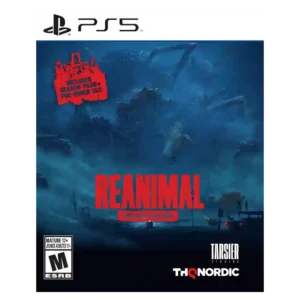
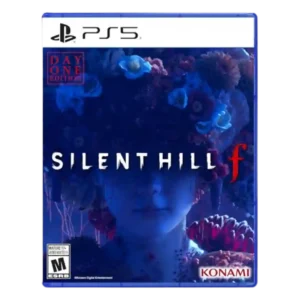
Compare Silent Hill f vs Reanimal

Silent Hill f
Reanimal

Quick verdict

What each product is best for

Choose Silent Hill f for value for money and map and navigation design.

Choose Reanimal for HUD clarity and camera behavior.

Comparison Takeaways

Silent Hill f

Where It Has the Edge

  • value for money is 4.3 vs 3.0. Value for money leaned positive, with several reviewers recommending it or calling it a buy, while one more...
  • map and navigation design is 4.8 vs 3.5. Map and navigation design was praised where reviewers highlighted strong map layout and clear side-area structure.
  • puzzle design is 4.2 vs 3.1. Puzzle design was broadly a strength, with many reviewers praising clever, thematic, challenging puzzles, though some found certain...
  • level design is 4.8 vs 3.7. Level design was praised for compact, meaningful areas and strong map layout, especially when supporting exploration, puzzles, and...

Reanimal

Where It Has the Edge

  • HUD clarity is 4.7 vs 2.0. HUD clarity is praised for minimalism, with reviewers liking the absence of intrusive meters, minimaps, and prompts.
  • camera behavior is 4.6 vs 2.2. Camera behavior is one of the most praised systems, with dynamic cinematic framing repeatedly highlighted, despite occasional navigation...
  • dialogue quality is 4.4 vs 2.0. Dialogue is praised as sparse, effective, and well integrated into the atmosphere without overexplaining.
  • user interface design is 4.5 vs 2.8. User interface design is praised for restraint, especially the absence of intrusive button prompts.
Average score
Silent Hill f
3.9
Reanimal
3.9
HUD clarity
Silent Hill f
2.0

HUD clarity was criticized where the pop-up inventory exposed only tiny icons during stressful moments.

Reanimal
4.7

HUD clarity is praised for minimalism, with reviewers liking the absence of intrusive meters, minimaps, and prompts.

camera behavior
Silent Hill f
2.2

Camera behavior was one of the weaker mechanical areas, with repeated complaints about narrow spaces, lock-on fights, and blocked views.

Reanimal
4.6

Camera behavior is one of the most praised systems, with dynamic cinematic framing repeatedly highlighted, despite occasional navigation or visibility issues.

dialogue quality
Silent Hill f
2.0

Dialogue quality received limited but negative evidence, with Eurogamer criticizing early teen dialogue as cringey or irritating.

Reanimal
4.4

Dialogue is praised as sparse, effective, and well integrated into the atmosphere without overexplaining.

user interface design
Silent Hill f
2.8

User interface design was split between praise for the journal’s care and criticism of poor organization in notes and collectibles.

Reanimal
4.5

User interface design is praised for restraint, especially the absence of intrusive button prompts.

immersion
Silent Hill f
3.0

Immersion was mixed: atmosphere and world detail often pulled reviewers in, but combat friction, stutters, or performance issues could break the spell.

Reanimal
4.5

Immersion is a strong positive, driven by atmosphere, camera, world scale, secrets, and the feeling of being small in a hostile world.

value for money
Silent Hill f
4.3

Value for money leaned positive, with several reviewers recommending it or calling it a buy, while one more cautious reviewer suggested waiting for a sale.

Reanimal
3.0

Value for money is mixed in one review because the short runtime and launch price may not suit everyone.

map and navigation design
Silent Hill f
4.8

Map and navigation design was praised where reviewers highlighted strong map layout and clear side-area structure.

Reanimal
3.5

Navigation design is mixed: subtle environmental guidance is praised, but unclear paths and camera perspective can leave players lost.

controls responsiveness
Silent Hill f
2.8

Responsiveness drew mixed-to-negative reactions, with frequent complaints about sluggish attacks, stamina limits, jank, and loss of control, though one technical review praised responsive animation.

Reanimal
3.9

Controls are mostly viewed as clean and tighter than earlier genre frustrations, though solo multitasking and some interactions can feel cumbersome.

enemy variety
Silent Hill f
3.2

Enemy variety was highly contested: reviewers loved many grotesque designs, but a repeated complaint was that too few archetypes become overused late-game.

Reanimal
4.3

Enemy variety is usually praised for grotesque, inventive nightmare-fuel designs, though one review criticized unbalanced screen time for a human-like enemy.

puzzle design
Silent Hill f
4.2

Puzzle design was broadly a strength, with many reviewers praising clever, thematic, challenging puzzles, though some found certain clues obtuse, culturally unclear, or overlong.

Reanimal
3.1

Puzzle design is one of the most mixed areas: some found the puzzles organic or balanced, while others thought they were too simple or underdeveloped.

AI behavior
Silent Hill f
2.0

Enemy AI was criticized in IGN’s written and video reviews for being easy to exploit by breaking line of sight or skipping encounters.

Reanimal
3.1

Enemy and AI behavior is mixed: some AI quirks weaken tension, but other reviewers say awkward moments are rare or do not break the horror.

level design
Silent Hill f
4.8

Level design was praised for compact, meaningful areas and strong map layout, especially when supporting exploration, puzzles, and atmosphere.

Reanimal
3.7

Level design ranges from criticized simple spaces to praised scale, nonlinear structure, and distinct larger environments.

movement feel
Silent Hill f
3.0

Movement was described as deliberately sluggish and gradual, fitting vulnerability but making navigation and fights feel heavy.

Reanimal
2.0

Movement feel is a clear weakness in one review, where sluggish actions and repeated animations are said to turn tension into friction.

content variety
Silent Hill f
4.5

New Game+ was singled out for adding more content, which improves the product’s content variety beyond a single first run.

Reanimal
3.6

Content variety is mixed: some praised set pieces and added mechanics, while others found the game short, predictable, or not diverse enough.

crash stability
Silent Hill f
2.0

Crash stability evidence was limited but mixed-negative, with one reviewer reporting many crashes and another only one crash.

Reanimal
2.9

Crash stability is mixed: one review saw only small hiccups, while another noted a PC crash issue and lost progress.

pacing
Silent Hill f
3.4

Pacing opinions were mixed: some liked the compact survival-horror length, while others criticized abrupt arcs, drawn-out final hours, or disjointed world transitions.

Reanimal
4.3

Pacing is widely praised as brisk and deliberate, though a few reviews say slow animations, episodic repetition, or momentum loss can hurt it.

writing quality
Silent Hill f
4.6

Writing quality was usually celebrated as literary, sharp, and emotionally unsettling, but the most negative review criticized it as bloated and note-heavy.

Reanimal
3.7

Writing is strongest when reviewers accept its interpretive, show-don't-tell approach; critics felt the story lacked connective tissue or clarity.

voice acting
Silent Hill f
5.0

Voice acting received consistent praise from the reviews that addressed it, with Japanese and English performances both described as strong or superb.

Reanimal
4.2

Voice acting is generally praised for restraint and delivery, though one review noted the mix sometimes buries the performances.

environmental detail
Silent Hill f
4.0

Environmental detail was mostly positive for rich, interesting spaces, though TechRadar found some locations too clean or mundane.

Reanimal
4.8

Environmental detail is consistently praised, especially interiors, macabre scene dressing, and fine background details.

originality
Silent Hill f
5.0

Originality received a strong positive score from one reviewer who emphasized how divergent and culturally distinct this entry feels.

Reanimal
4.2

Originality is praised when Reanimal sidesteps clichés and establishes its own identity despite obvious Little Nightmares lineage.

narrative quality
Silent Hill f
4.4

Narrative quality was one of the strongest areas, with most reviewers praising its dark, layered psychological story, though a minority found it confusing, disjointed, or unengaging.

Reanimal
3.7

Narrative quality is sharply split: many praised the haunting, ambiguous story, while others found it vague, lacking, or insufficiently coherent.

frame rate stability
Silent Hill f
3.3

Frame-rate stability was mixed: several reviewers reported stable or mostly locked performance, while others noted stutters, dips, choppiness, or 30 fps cutscene limits.

Reanimal
3.9

Frame rate is generally stable in several reviews, with minor stutters, rare drops, or Switch performance dips noted as caveats.

world-building
Silent Hill f
5.0

World-building was consistently praised, especially the Japanese folklore, historical setting, regional symbolism, and mythos behind Ebisugaoka and the Dark Shrine.

Reanimal
4.4

World-building is strongly praised for environmental storytelling, dark thematic cohesion, and a world that invites interpretation.

combat system
Silent Hill f
3.1

Combat was the most divisive attribute: several reviewers liked the melee pressure and thematic vulnerability, while many others found it clunky, overemphasized, unrewarding, or exhausting by the final act.

Reanimal
3.6

Combat is divisive: some liked the added agency, arenas, and boss positioning, while others found melee clumsy or only busywork.

accessibility options
Silent Hill f
2.5

Accessibility support was described as limited, with some useful subtitle, colorblind, and controller layout options but no extensive customization.

Reanimal
2.0

Accessibility is criticized in solo play because multitasking controls may disadvantage players who struggle with simultaneous inputs.

learning curve
Silent Hill f
3.5

The learning curve was described as noticeable but manageable, especially as players adapt to clunky melee timing and survival choices.

Reanimal
4.0

The learning curve is approachable, with reviewers noting overall simplicity and forgiving design despite horror tension.

emotional impact
Silent Hill f
5.0

Emotional impact was very strong among supporters, who described the story as moving, haunting, morose, and difficult to stop thinking about.

Reanimal
4.5

Emotional impact is a major strength, with reviewers emphasizing sadness, companionship, lingering dread, and a story that stays with them.

horror tension
Silent Hill f
4.2

Horror tension was strong for many reviewers, especially in symbolic scenes and chase-like moments, but some felt scares faded or never matched classic dread.

Reanimal
3.7

Horror tension is broadly effective but not uniform: many found dread and menace strong, while some said scares were reduced or straightforward.

performance optimization
Silent Hill f
4.3

Performance optimization was mostly positive, especially on base PS5 and PC, though some reviewers still reported stutters, technical problems, or platform-specific issues.

Reanimal
3.9

Performance optimization is mostly solid, but Switch and technical-mode comments point to tradeoffs between steadiness and visual quality.

stealth mechanics
Silent Hill f
4.5

Stealth received a positive note from one reviewer who found avoidance viable and encouraged rather than merely optional.

Reanimal
4.1

Stealth is often tense and effective, especially when timing movement around stalkers, though it remains built around familiar hiding and evasion.

family friendliness
Silent Hill f
1.5

Family friendliness is very low because reviewers repeatedly emphasized mature content, graphic violence, and content warnings.

Reanimal
1.1

Family friendliness is very low: reviewers explicitly warn that Reanimal is not for children.

atmosphere
Silent Hill f
4.7

Atmosphere was a signature strength, with most reviewers praising the foggy, oppressive, beautiful, and unsettling mood, though TechRadar found it inconsistent.

Reanimal
4.3

Atmosphere is the strongest consensus area, praised as oppressive, cinematic, bleak, and memorable, though a few reviews felt co-op weakened tension.

difficulty balance
Silent Hill f
3.9

Difficulty balance was generally flexible because combat and puzzle settings are separate, though some reviewers wanted clearer or more normal middle-ground tuning.

Reanimal
3.5

Difficulty is generally forgiving but mixed: checkpoints and approachable design help, while trial-and-error sequences and occasional unclear puzzles frustrate.

art direction
Silent Hill f
4.9

Art direction was one of the clearest strengths, with reviewers repeatedly praising the beauty-in-terror concept, monster imagery, and striking visual identity.

Reanimal
4.5

Art direction is a standout strength, especially lighting, staging, visual composition, and grim aesthetic commitment.

gameplay mechanics
Silent Hill f
4.2

Reviewers generally praised the mechanical mix when it supported survival-horror pressure, highlighting risk/reward systems, progression, and thematic alignment; the few caveats centered on complexity and friction.

Reanimal
3.9

Reviewers generally found the mechanics simple but effective, with several praising the evolved formula while a few called it repetitive or mechanically unremarkable.

graphics quality
Silent Hill f
4.6

Graphics quality was broadly praised as stunning or gorgeous, with only one negative review calling the visuals bland despite their color and artistry.

Reanimal
4.3

Graphics are widely praised as gorgeous or stunning, though darkness and drab settings reduce visibility or visual variety for some.

age appropriateness
Silent Hill f
1.9

Age appropriateness was consistently cautionary because reviewers emphasized the 18 rating, graphic violence, content warnings, and strong-stomach requirements.

Reanimal
2.2

Age appropriateness is low for casual horror audiences because mature themes may feel overwhelming.

replay value
Silent Hill f
4.2

Replay value was a major strength for most reviewers, driven by multiple endings, New Game+ changes, extra lore, and altered routes; dissenters disliked replaying because of combat.

Reanimal
4.0

Replay value comes from multiple endings, masks, concept art, co-op replay, and hidden lore, though some collectibles are called underwhelming.

sound design
Silent Hill f
4.8

Sound design was consistently strong, with reviewers praising enemy audio, ambient terror, and atmospheric cues that heighten tension.

Reanimal
4.6

Sound design is one of the strongest consensus positives, repeatedly described as superb, unnerving, immersive, and tension-building.

fun factor
Silent Hill f
3.4

Fun factor was polarized: positive reviews called the game amazing or hype-worthy, while dissenting reviewers said it failed to grab them or became obnoxious.

Reanimal
3.2

Fun factor is divided: some found it enjoyable or a horror fan's dream, while others said it was boring or not fun as co-op.

faithfulness to franchise
Silent Hill f
4.0

Faithfulness to franchise was sharply split: many reviewers called it a return to form or landmark entry, while others felt it was disconnected from Silent Hill’s town, lore, or feel.

Reanimal
3.8

Faithfulness to franchise is limited to one review that says Reanimal carries over some of Little Nightmares' best aspects.

lore depth
Silent Hill f
4.1

Lore depth was usually praised for notes, folklore, religious context, and New Game+ revelations, though one negative review argued the lore lacked cohesion.

Reanimal
4.0

Lore depth is supported by one analysis that says optional portraits and details help flesh out the world.

polish
Silent Hill f
3.5

Polish received a single mixed score from a technical review that highlighted distracting image-quality issues despite otherwise strong console performance.

Reanimal
3.6

Polish is mixed, ranging from unfinished or undercut by bugs to very polished, with minor frustrations rarely ruining the experience.

boss design
Silent Hill f
4.0

Boss design was mostly praised for strong visual concepts, spectacle, symbolism, and better encounter pacing than regular combat, though a few found fights unexciting or too action-like.

Reanimal
4.1

Boss design is positively received where discussed, especially satisfying boss fights and encounters that raise stakes.

innovation
Silent Hill f
4.3

Innovation was viewed as bold and risk-taking, though TechRadar framed those risks as both fantastic and flawed.

Reanimal
4.3

Innovation is positive overall, with reviewers citing broader ambition, new verbs, camera work, co-op, and fresh action-exploration ideas.

protagonist appeal
Silent Hill f
4.3

Hinako was usually praised as a memorable, vulnerable, and compelling protagonist, though a small minority found her less likable or undercut by the broader story.

Reanimal
4.2

The protagonists have limited explicit identity, but one review praises them as full of personality despite lacking names.

exploration quality
Silent Hill f
3.9

Exploration was usually seen as rewarding and atmospheric, but several reviewers said combat, tight inventory, or enemy pressure made it harder to enjoy freely.

Reanimal
3.9

Exploration is mixed but leans positive: many loved curiosity, secrets, and broader spaces, while some found optional rewards or navigation unrewarding.

soundtrack quality
Silent Hill f
4.5

Soundtrack quality was usually excellent, especially for tension and identity, though one negative review called the music forgettable and another found fewer standout songs.

Reanimal
4.5

The soundtrack is well regarded for subtle, sinister, or bombastic scoring that supports mood without overwhelming it.

animation quality
Silent Hill f
4.5

Animation quality was praised in the limited evidence available, especially for lifelike cutscene movement and striking cinematic sequences.

Reanimal
4.5

Animation quality is praised in limited evidence for nuanced character movement and detailed creature presentation.

core gameplay loop
Silent Hill f
4.5

The core loop was praised when exploration and combat reinforced Hinako’s psychological journey rather than acting like a pure action game.

Reanimal
4.5

The core loop is praised as simple and elegant, built around moving through the world, cooperating, and continuing through the horror.

platform-specific feature support
Silent Hill f
2.5

Platform-specific support was mixed-negative in the technical review because the PS5 Pro version showed image-quality problems.

Reanimal
2.5

Platform-specific feature support is criticized in PS5-focused evidence for lacking HDR support.

aiming precision
Silent Hill fNo score yet
Reanimal
2.5

Aiming receives limited criticism, with one review saying projectile targeting can feel unreliable when hotspot indicators fail to lock on.

bug frequency
Silent Hill fNo score yet
Reanimal
3.8

Bug frequency appears low in limited evidence, with one review noting only an odd minor bug or two.

character development
Silent Hill f
2.8

Character development was mixed: one review found optional material effective enough, while another criticized the characters as unlikable and poorly developed.

ReanimalNo score yet
checkpoint system
Silent Hill fNo score yet
Reanimal
4.5

Checkpointing is praised as sensible, generous, and forgiving, helping reduce trial-and-error frustration.

co-op experience
Silent Hill fNo score yet
Reanimal
4.0

Co-op is strongly discussed and mixed-positive: many value local and online play, but some say it can dilute tension or lacks deep mechanics.

companion AI
Silent Hill fNo score yet
Reanimal
3.6

Companion AI is mostly competent, reliable, and helpful, but several reviewers noted pathfinding problems, disappearing partners, or mixed solo behavior.

couch co-op quality
Silent Hill fNo score yet
Reanimal
4.6

Couch co-op is repeatedly valued, especially because local play is rare and enhances shared discovery for some reviewers.

cross-play support
Silent Hill fNo score yet
Reanimal
3.1

Cross-play support is inconsistent across evidence, with one source praising it and another noting it was unavailable at launch.

driving mechanics
Silent Hill fNo score yet
Reanimal
4.2

Vehicle handling is considered easy and welcome, adding pace and variety without becoming a mechanical obstacle.

economy and resource balance
Silent Hill f
3.3

Resource balance split reviewers: some liked the tension from durability, sanity, scarce supplies, and limited inventory, while others found healing scarcity or item limits frustrating.

ReanimalNo score yet
endgame content
Silent Hill f
2.5

Endgame content drew criticism where the final fourth shifted too heavily into combat and lost the earlier balance.

ReanimalNo score yet
facial animations
Silent Hill f
5.0

Facial animations received a strong positive note for clearly representing character emotions in Unreal Engine 5.

ReanimalNo score yet
handheld play suitability
Silent Hill fNo score yet
Reanimal
3.0

Handheld play is mixed on Switch 2 because darkness and visual detail make portable play harder, though performance mode can help.

load times
Silent Hill fNo score yet
Reanimal
2.7

Load times are a weakness on Switch-focused reviews, especially reloads after death that can interrupt flow.

menu usability
Silent Hill f
1.8

Menu usability was a recurring complaint, especially around messy inventory management, tiny icons, and awkward item handling.

ReanimalNo score yet
mission design
Silent Hill fNo score yet
Reanimal
4.6

Set-piece and mission design are a consistent strength, with chase sequences, staged horror moments, and choreographed encounters repeatedly praised.

mission variety
Silent Hill fNo score yet
Reanimal
4.5

Mission variety is praised in one review for unexpected events that keep locales from overstaying their welcome.

multiplayer design
Silent Hill fNo score yet
Reanimal
3.2

Multiplayer design is limited by the lack of drop-in/drop-out support, though playing both solo and co-op remains worthwhile.

onboarding experience
Silent Hill fNo score yet
Reanimal
4.8

The opening is praised as a strong onboarding sequence that sets mood, mechanics, and scale without heavy exposition.

open-world design
Silent Hill fNo score yet
Reanimal
3.9

Open-world elements are light but appreciated as broader, semi-open island or boat structure rather than a full open-world design.

platforming precision
Silent Hill fNo score yet
Reanimal
4.1

Platforming is viewed positively where mentioned, with reviewers saying the camera keeps platforms visible and the movement carries suitable weight.

progression system
Silent Hill f
4.3

Progression was viewed positively when upgrades and New Game+ rewards encouraged exploration and gave players more reasons to revisit areas.

ReanimalNo score yet
save system reliability
Silent Hill fNo score yet
Reanimal
2.2

Save reliability is a concern in one review because a crash cost around half an hour of progress.

side character depth
Silent Hill f
3.5

Side-character depth split reviewers, with one praising the small cast as multilayered and another saying Hinako’s friends felt underused.

ReanimalNo score yet
upgrade system
Silent Hill f
3.6

Upgrade systems were appreciated for strategic trade-offs and natural-feeling growth, but a few reviewers found the mechanics minor or confusing.

ReanimalNo score yet
visual effects quality
Silent Hill f
5.0

Visual effects were praised for fog, lighting, volumetrics, and visual storytelling that reinforce the oppressive atmosphere.

ReanimalNo score yet
weapon balance
Silent Hill f
2.4

Weapon balance was divisive but leaned negative: some liked durability as tension, while many felt weapons broke too quickly, felt similar, or became tedious to manage.

ReanimalNo score yet
world interactivity
Silent Hill fNo score yet
Reanimal
4.2

World interactivity improves through item use, tools, secrets, and more objects to engage with compared with simply moving forward.