Compare Silent Hill f vs Tenebris Somnia

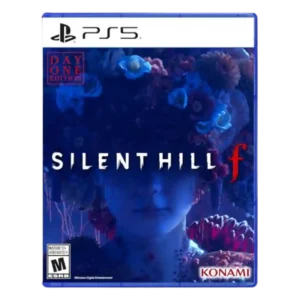
Silent Hill f

Silent Hill f

Overall score 3.9 / 5

Based on 30 scored reviews

vs
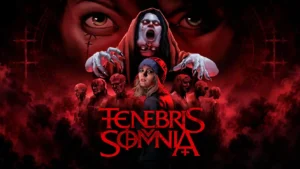
Tenebris Somnia

Tenebris Somnia

Overall score 4.0 / 5

Based on 17 scored reviews

How we score

Scorata scores summarize analyzed review evidence on a 1–5 scale; they are not laboratory measurements or a simple average of customer star ratings. Feature scores summarize the reviews covering that feature. The overall score averages feature scores within each review, then combines review averages. When both expert and customer evidence are available, those two groups receive equal weight. Products can have different review coverage, so small score gaps do not establish a winner.

Recommendations prioritize important features for the category, with a score of at least 3.5, a gap of at least 0.25 points and at least two supporting reviews per product. Features with widely varying scores or broad connectivity contexts are excluded from recommendations. These safeguards do not establish statistical significance.

Quick verdict

What each product is best for

The review evidence points to a tradeoff: voice acting and gameplay mechanics versus dialogue quality and character development. Choose according to which strengths matter more to you; the overall score alone does not settle that choice.

Choose Silent Hill f for voice acting and gameplay mechanics.

Choose Tenebris Somnia for dialogue quality and character development.

Why these recommendations?

Silent Hill f

Where It Has the Edge

  • voice acting is 5.0 vs 3.7. Voice acting received consistent praise from the reviews that addressed it, with Japanese and English performances both described...
  • gameplay mechanics is 4.2 vs 3.3. Reviewers generally praised the mechanical mix when it supported survival-horror pressure, highlighting risk/reward systems, progression, and thematic alignment;...
  • art direction is 4.9 vs 4.4. Art direction was one of the clearest strengths, with reviewers repeatedly praising the beauty-in-terror concept, monster imagery, and...

Tenebris Somnia

Where It Has the Edge

  • dialogue quality is 4.5 vs 2.0. Julia’s text narration is praised for its somber tone, occasional humor, and strong characterization. Some dialogue is a...
  • character development is 4.5 vs 2.8. New revelations deepen Julia’s response to the failed relationship and repeatedly change how her history with Ivan is...
  • immersion is 4.5 vs 3.0. The unfolding mystery and close continuity between filmed and playable scenes keep many players absorbed. Even some frustrated...
Silent Hill f 3.9 overall score
Tenebris Somnia 4.0 overall score

Compare features

Scores are out of 5. Missing scores mean missing review evidence, not a missing feature.

Scored on both products

Other features

Dialogue quality
Silent Hill f
2.0

Dialogue quality received limited but negative evidence, with Eurogamer criticizing early teen dialogue as cringey or irritating.

Tenebris Somnia
4.5

Julia’s text narration is praised for its somber tone, occasional humor, and strong characterization. Some dialogue is a little clunky without spoiling its appeal.

AI behavior
Silent Hill f
2.0

Enemy AI was criticized in IGN’s written and video reviews for being easy to exploit by breaking line of sight or skipping encounters.

Tenebris Somnia
4.0

Learnable enemy attack patterns give you opportunities to evade threats and land melee counterattacks.

Weapon balance
Silent Hill f
2.4

Weapon balance was divisive but leaned negative: some liked durability as tension, while many felt weapons broke too quickly, felt similar, or became tedious to manage.

Tenebris Somnia
4.3

Limited ammunition prevents guns from dominating, while differing melee strengths give weapons distinct uses. The modest arsenal also fits Julia’s ordinary, vulnerable character.

Character development
Silent Hill f
2.8

Character development was mixed: one review found optional material effective enough, while another criticized the characters as unlikable and poorly developed.

Tenebris Somnia
4.5

New revelations deepen Julia’s response to the failed relationship and repeatedly change how her history with Ivan is understood.

Progression system
Silent Hill f
4.3

Progression was viewed positively when upgrades and New Game+ rewards encouraged exploration and gave players more reasons to revisit areas.

Tenebris Somnia
2.5

Item collection can occur in an order that feels unnatural, weakening the sense of a cleanly guided progression path.

Frame rate stability
Silent Hill f
3.3

Frame-rate stability was mixed: several reviewers reported stable or mostly locked performance, while others noted stutters, dips, choppiness, or 30 fps cutscene limits.

Tenebris Somnia
5.0

The tested Linux setup maintains a rock-solid 60fps once running.

Immersion
Silent Hill f
3.0

Immersion was mixed: atmosphere and world detail often pulled reviewers in, but combat friction, stutters, or performance issues could break the spell.

Tenebris Somnia
4.5

The unfolding mystery and close continuity between filmed and playable scenes keep many players absorbed. Even some frustrated by combat remain eager to see what happens next.

Fun factor
Silent Hill f
3.4

Fun factor was polarized: positive reviews called the game amazing or hype-worthy, while dissenting reviewers said it failed to grab them or became obnoxious.

Tenebris Somnia
4.5

The combined horror spectacle can be thrilling enough to outweigh smaller frustrations, and another account simply finds it a lot of fun to play.

Exploration quality
Silent Hill f
3.9

Exploration was usually seen as rewarding and atmospheric, but several reviewers said combat, tight inventory, or enemy pressure made it harder to enjoy freely.

Tenebris Somnia
2.8

Shifting environments can keep the compact world engaging, but repeated travel and unclear interaction points sometimes turn searching into a chore.

Gameplay mechanics
Silent Hill f
4.2

Reviewers generally praised the mechanical mix when it supported survival-horror pressure, highlighting risk/reward systems, progression, and thematic alignment; the few caveats centered on complexity and friction.

Tenebris Somnia
3.3

The interactive half offers some clever meta sequences and effective links to the story. Familiar systems and uneven execution still leave one critic reluctant to recommend it for gameplay alone.

Graphics quality
Silent Hill f
4.6

Graphics quality was broadly praised as stunning or gorgeous, with only one negative review calling the visuals bland despite their color and artistry.

Tenebris Somnia
3.9

Many admire the detailed retro rooms and startling filmed imagery, but a few find the pixel graphics ugly or spatially unconvincing. Visual appeal depends partly on your tolerance for severe retro minimalism.

Environmental detail
Silent Hill f
4.0

Environmental detail was mostly positive for rich, interesting spaces, though TechRadar found some locations too clean or mundane.

Tenebris Somnia
4.7

Rooms retain recognizable props and details when switching between pixels and filmed sets. That close matching helps both halves feel like the same place.

Originality
Silent Hill f
5.0

Originality received a strong positive score from one reviewer who emphasized how divergent and culturally distinct this entry feels.

Tenebris Somnia
4.3

The film-and-pixel combination stands apart from familiar indie horror presentation. Its distinctiveness comes more from that form than from reinventing every gameplay system.

Polish
Silent Hill f
3.5

Polish received a single mixed score from a technical review that highlighted distracting image-quality issues despite otherwise strong console performance.

Tenebris Somnia
2.8

Technical refinement is uneven across playthroughs. Some describe a smooth experience aside from pixel hunting; others find collision faults and mechanical friction hard to overlook.

Difficulty balance
Silent Hill f
3.9

Difficulty balance was generally flexible because combat and puzzle settings are separate, though some reviewers wanted clearer or more normal middle-ground tuning.

Tenebris Somnia
3.3

Early challenge often feels manageable, and some find the bosses rewarding throughout. Others describe a steep late-game rise into cramped, unfair, or disproportionately demanding fights.

Economy and resource balance
Silent Hill f
3.3

Resource balance split reviewers: some liked the tension from durability, sanity, scarce supplies, and limited inventory, while others found healing scarcity or item limits frustrating.

Tenebris Somnia
3.9

Limited ammunition and healing often create effective pressure, while some players find supplies arrive when needed. Enemy buildup and costly late encounters can make the same scarcity feel punishing.

Movement feel
Silent Hill f
3.0

Movement was described as deliberately sluggish and gradual, fitting vulnerability but making navigation and fights feel heavy.

Tenebris Somnia
2.4

Movement gets sharply different reactions: one account finds Julia agile enough to evade threats, while others find her slow or stiff. Snagging on scenery adds to the frustration.

Lore depth
Silent Hill f
4.1

Lore depth was usually praised for notes, folklore, religious context, and New Game+ revelations, though one negative review argued the lore lacked cohesion.

Tenebris Somnia
4.7

The cult, supernatural realm, and rituals form a compelling mythology. Gradual explanations often deepen interest without draining the mystery.

Horror tension
Silent Hill f
4.2

Horror tension was strong for many reviewers, especially in symbolic scenes and chase-like moments, but some felt scares faded or never matched classic dread.

Tenebris Somnia
4.7

Scarce supplies, surprise transitions, and well-timed reveals keep players unsettled. Several accounts praise how effectively even the low-resolution scenes deliver scares.

Art direction
Silent Hill f
4.9

Art direction was one of the clearest strengths, with reviewers repeatedly praising the beauty-in-terror concept, monster imagery, and striking visual identity.

Tenebris Somnia
4.4

The collision of chunky pixel art and filmed horror gives the game its strongest visual identity. Most find the contrast compelling, though one critic thinks the pixel art cannot match the films’ artistic strength.

Core gameplay loop
Silent Hill f
4.5

The core loop was praised when exploration and combat reinforced Hinako’s psychological journey rather than acting like a pure action game.

Tenebris Somnia
4.0

Item collection, exploration, and puzzle solving generally sustain the adventure. Keeping the playable sections distinct from the films also preserves meaningful player involvement.

Learning curve
Silent Hill f
3.5

The learning curve was described as noticeable but manageable, especially as players adapt to clunky melee timing and survival choices.

Tenebris Somnia
4.0

Subtle environmental guidance makes the adventure more approachable for newcomers without turning every step into an explicit instruction.

Writing quality
Silent Hill f
4.6

Writing quality was usually celebrated as literary, sharp, and emotionally unsettling, but the most negative review criticized it as bloated and note-heavy.

Tenebris Somnia
4.2

Layered relationship writing, film-centered themes, and well-written characters are recurring strengths. Some accounts find the final explanations heavy-handed or stylistically at odds with the evocative films.

Pacing
Silent Hill f
3.4

Pacing opinions were mixed: some liked the compact survival-horror length, while others criticized abrupt arcs, drawn-out final hours, or disjointed world transitions.

Tenebris Somnia
3.7

The story’s escalating revelations usually sustain momentum, especially early on. Backtracking, unclear puzzles, and lengthy later fights can interrupt that flow.

Emotional impact
Silent Hill f
5.0

Emotional impact was very strong among supporters, who described the story as moving, haunting, morose, and difficult to stop thinking about.

Tenebris Somnia
4.7

The failed relationship gives the horror emotional weight beyond monster reveals. Expressive filmed moments and satisfying endings leave a particularly strong impression.

Visual effects quality
Silent Hill f
5.0

Visual effects were praised for fog, lighting, volumetrics, and visual storytelling that reinforce the oppressive atmosphere.

Tenebris Somnia
4.7

Practical makeup and creature transformations are widely praised, sometimes compared favorably with theatrical production quality. A few cheap-looking moments qualify an otherwise strong impression.

Innovation
Silent Hill f
4.3

Innovation was viewed as bold and risk-taking, though TechRadar framed those risks as both fantastic and flawed.

Tenebris Somnia
4.1

Mixed-media presentation and meta mechanics are the clearest innovations. The standard survival-horror systems themselves are more familiar and sometimes less inventive.

Combat system
Silent Hill f
3.1

Combat was the most divisive attribute: several reviewers liked the melee pressure and thematic vulnerability, while many others found it clunky, overemphasized, unrewarding, or exhausting by the final act.

Tenebris Somnia
2.9

Combat is the most divisive part of the experience: some find tense, satisfying fights, while others struggle with clunky weapons and frustrating late encounters. Delayed attacks and reload commitment are frequent sticking points.

Narrative quality
Silent Hill f
4.4

Narrative quality was one of the strongest areas, with most reviewers praising its dark, layered psychological story, though a minority found it confusing, disjointed, or unengaging.

Tenebris Somnia
4.5

The layered mystery around Julia, Ivan, and their filmmaking is one of the most consistent strengths. A minority objects to inconsistent turns or heavy explanation near the ending.

Enemy variety
Silent Hill f
3.2

Enemy variety was highly contested: reviewers loved many grotesque designs, but a repeated complaint was that too few archetypes become overused late-game.

Tenebris Somnia
3.3

One account finds just enough enemy types to stay entertained; another sees the small creature roster as part of repetitive combat.

Atmosphere
Silent Hill f
4.7

Atmosphere was a signature strength, with most reviewers praising the foggy, oppressive, beautiful, and unsettling mood, though TechRadar found it inconsistent.

Tenebris Somnia
4.7

The nightmare setting and abrupt shifts into physical horror sustain a distinctive sense of unease. Even some critics of the gameplay find the atmosphere worth experiencing.

Animation quality
Silent Hill f
4.5

Animation quality was praised in the limited evidence available, especially for lifelike cutscene movement and striking cinematic sequences.

Tenebris Somnia
4.5

Later transformations become more colorful, grotesque, and lively, giving the effects a growing sense of energy.

Comfort and build

User interface design
Silent Hill f
2.8

User interface design was split between praise for the journal’s care and criticism of poor organization in notes and collectibles.

Tenebris Somnia
4.5

The interface keeps item actions straightforward and avoids offering pointless options, making interaction feel streamlined.

Map and navigation design
Silent Hill f
4.8

Map and navigation design was praised where reviewers highlighted strong map layout and clear side-area structure.

Tenebris Somnia
3.2

The compact map can be easier to stay engaged with than a sprawling world. Limited shortcuts and unclear puzzle direction still make some return trips tiresome.

Level design
Silent Hill f
4.8

Level design was praised for compact, meaningful areas and strong map layout, especially when supporting exploration, puzzles, and atmosphere.

Tenebris Somnia
3.8

Compact, shifting spaces can feel larger and more engaging than their footprint suggests. One critic still misses denser interconnections and more satisfying shortcuts.

Sound design
Silent Hill f
4.8

Sound design was consistently strong, with reviewers praising enemy audio, ambient terror, and atmospheric cues that heighten tension.

Tenebris Somnia
4.0

Compressed effects can sound crunchy, distinctive, and chilling, with useful cues for unseen enemies. One critic instead finds the footsteps harsh and overprocessed.

Boss design
Silent Hill f
4.0

Boss design was mostly praised for strong visual concepts, spectacle, symbolism, and better encounter pacing than regular combat, though a few found fights unexciting or too action-like.

Tenebris Somnia
3.3

Puzzle-driven bosses earn praise for imagination, but reactions to playing them vary sharply. Long fights, cramped arenas, and demanding late encounters are recurring complaints.

Puzzle design
Silent Hill f
4.2

Puzzle design was broadly a strength, with many reviewers praising clever, thematic, challenging puzzles, though some found certain clues obtuse, culturally unclear, or overlong.

Tenebris Somnia
3.7

Some find clever, intuitive adventure puzzles that connect naturally to filmmaking; others encounter simple matching tasks or obtuse roadblocks. Thorough searching helps, but does not resolve every complaint about clarity.

World-building
Silent Hill f
5.0

World-building was consistently praised, especially the Japanese folklore, historical setting, regional symbolism, and mythos behind Ebisugaoka and the Dark Shrine.

Tenebris Somnia
4.6

The supernatural setting gains depth through gradually revealed lore and environmental storytelling. Its mythology remains intriguing even as more of its rules are explained.

Controls and connectivity

Voice acting
Silent Hill f
5.0

Voice acting received consistent praise from the reviews that addressed it, with Japanese and English performances both described as strong or superb.

Tenebris Somnia
3.7

The largely unvoiced approach works well for some, letting images communicate emotion without spoken lines. Another finds silence awkward when characters would naturally speak or shout.

Protagonist appeal
Silent Hill f
4.3

Hinako was usually praised as a memorable, vulnerable, and compelling protagonist, though a small minority found her less likable or undercut by the broader story.

Tenebris Somnia
4.8

Julia is praised as complex and compelling, especially for holding to her convictions while confronting a painful shared history.

Controls responsiveness
Silent Hill f
2.8

Responsiveness drew mixed-to-negative reactions, with frequent complaints about sluggish attacks, stamina limits, jank, and loss of control, though one technical review praised responsive animation.

Tenebris Somnia
2.8

Control feel divides opinion. One reviewer finds it comfortable, but others describe a long delay between pressing attack and Julia actually striking.

Ownership and support

Replay value
Silent Hill f
4.2

Replay value was a major strength for most reviewers, driven by multiple endings, New Game+ changes, extra lore, and altered routes; dissenters disliked replaying because of combat.

Tenebris Somnia
3.8

Multiple endings and clues that gain meaning on a second pass encourage replaying for some. One critic finds the mechanical frustrations too substantial to want another run.

Value for money
Silent Hill f
4.3

Value for money leaned positive, with several reviewers recommending it or calling it a buy, while one more cautious reviewer suggested waiting for a sale.

Tenebris Somnia
4.5

One reviewer considers the filmed sequences worth admission alone. A separate launch-deal article also finds the discounted offer appealing.

Platform-specific feature support
Silent Hill f
2.5

Platform-specific support was mixed-negative in the technical review because the PS5 Pro version showed image-quality problems.

Tenebris Somnia
2.5

Linux play required Proton 6.3-8 in one test, making compatibility setup a practical hurdle before the otherwise smooth runtime.

Performance

Soundtrack quality
Silent Hill f
4.5

Soundtrack quality was usually excellent, especially for tension and identity, though one negative review called the music forgettable and another found fewer standout songs.

Tenebris Somnia
4.3

A chiptune horror soundtrack earns praise for its tone, while another account values the sparse use of music for increasing tension.

Performance optimization
Silent Hill f
4.3

Performance optimization was mostly positive, especially on base PS5 and PC, though some reviewers still reported stutters, technical problems, or platform-specific issues.

Tenebris Somnia
4.5

The tested Linux configuration runs well once the required compatibility setup is in place.

Evidence available for one product

Other features

Accessibility options
Silent Hill f
2.5

Accessibility support was described as limited, with some useful subtitle, colorblind, and controller layout options but no extensive customization.

Tenebris SomniaNo score yet
Achievement list quality
Silent Hill fNo score yet
Tenebris Somnia
1.5

The wrench-only achievement is criticized as nearly impossible because enemy patterns and movement make the restriction especially punishing.

Aiming precision
Silent Hill fNo score yet
Tenebris Somnia
2.0

Shot alignment can feel inconsistent: a slight mismatch sometimes wastes a bullet and sometimes makes no difference.

Bug frequency
Silent Hill fNo score yet
Tenebris Somnia
2.4

Several playthroughs report snagging on stairs or scenery, and one describes a boss attack causing a soft lock. Another finds the game largely bug-free, so the severity varies.

Camera behavior
Silent Hill f
2.2

Camera behavior was one of the weaker mechanical areas, with repeated complaints about narrow spaces, lock-on fights, and blocked views.

Tenebris SomniaNo score yet
Checkpoint system
Silent Hill fNo score yet
Tenebris Somnia
4.3

Encounter checkpoints reduce the need to repeat entire bosses or wave sequences after dying, softening some demanding setpieces.

Combat readability
Silent Hill fNo score yet
Tenebris Somnia
2.0

Unclear hitboxes and inconsistent alignment can make attacks difficult to judge. One account also dislikes Julia briefly disappearing when damaged.

Content variety
Silent Hill f
4.5

New Game+ was singled out for adding more content, which improves the product’s content variety beyond a single first run.

Tenebris SomniaNo score yet
Crash stability
Silent Hill f
2.0

Crash stability evidence was limited but mixed-negative, with one reviewer reporting many crashes and another only one crash.

Tenebris SomniaNo score yet
Death mechanics
Silent Hill fNo score yet
Tenebris Somnia
2.0

One-hit kills can be discouraging, especially in boss encounters. Learning when to avoid those enemies helps, but does not remove the frustration.

Endgame content
Silent Hill f
2.5

Endgame content drew criticism where the final fourth shifted too heavily into combat and lost the earlier balance.

Tenebris SomniaNo score yet
Facial animations
Silent Hill f
5.0

Facial animations received a strong positive note for clearly representing character emotions in Unreal Engine 5.

Tenebris SomniaNo score yet
Faithfulness to franchise
Silent Hill f
4.0

Faithfulness to franchise was sharply split: many reviewers called it a return to form or landmark entry, while others felt it was disconnected from Silent Hill’s town, lore, or feel.

Tenebris SomniaNo score yet
Family friendliness
Silent Hill f
1.5

Family friendliness is very low because reviewers repeatedly emphasized mature content, graphic violence, and content warnings.

Tenebris SomniaNo score yet
Game length
Silent Hill fNo score yet
Tenebris Somnia
4.3

The concise scope is generally appreciated, with roughly eight hours described as manageable and focused rather than overly demanding.

Generative AI concerns
Silent Hill fNo score yet
Tenebris Somnia
4.5

The handmade film production and explicit rejection of generative AI receive approving attention.

Hint system
Silent Hill fNo score yet
Tenebris Somnia
3.0

Subtle visual cues and recorded notes help some players progress naturally. Others encounter puzzles so vague that they need outside help.

HUD clarity
Silent Hill f
2.0

HUD clarity was criticized where the pop-up inventory exposed only tiny icons during stressful moments.

Tenebris SomniaNo score yet
Humor
Silent Hill fNo score yet
Tenebris Somnia
4.0

Julia’s otherwise somber narration includes occasional humor without losing its serious tone.

Inventory management
Silent Hill fNo score yet
Tenebris Somnia
4.5

Carrying important items without stash juggling is appreciated for keeping the adventure moving. Paused item combinations and reloading also provide breathing room.

Live-action cinematics
Silent Hill fNo score yet
Tenebris Somnia
4.4

The filmed scenes are repeatedly singled out as a highlight, with strong performances, practical effects, and carefully staged transitions. Occasional awkwardness and a desire for more footage are the main qualifications.

Loot system
Silent Hill fNo score yet
Tenebris Somnia
2.0

Optional storage lockers do not always repay the time spent finding keys; some offer only a small healing item.

Overall quality
Silent Hill fNo score yet
Tenebris Somnia
4.3

Most find the cinematic horror and relationship mystery memorable enough to outweigh mechanical roughness. Less enthusiastic accounts regard it as an interesting experiment held back by combat and puzzle friction.

Pause functionality
Silent Hill fNo score yet
Tenebris Somnia
4.5

Stopping time while handling inventory lets you combine items and reload safely, offering useful breathing room during a tense adventure.

Side character depth
Silent Hill f
3.5

Side-character depth split reviewers, with one praising the small cast as multilayered and another saying Hinako’s friends felt underused.

Tenebris SomniaNo score yet
Stealth mechanics
Silent Hill f
4.5

Stealth received a positive note from one reviewer who found avoidance viable and encouraged rather than merely optional.

Tenebris SomniaNo score yet
Survival mechanics
Silent Hill fNo score yet
Tenebris Somnia
4.3

Low supplies and vulnerability give the adventure meaningful survival pressure. Positive accounts find those systems substantial enough to support the cinematic spectacle.

Upgrade system
Silent Hill f
3.6

Upgrade systems were appreciated for strategic trade-offs and natural-feeling growth, but a few reviewers found the mechanics minor or confusing.

Tenebris SomniaNo score yet
Violence level
Silent Hill fNo score yet
Tenebris Somnia
4.5

A particularly grotesque late transformation is admired as an effective horror spectacle, rather than criticized for going too far.

World interactivity
Silent Hill fNo score yet
Tenebris Somnia
3.5

Object comments and unusual screen-based interactions can make the world feel responsive and narratively rich. Finicky interaction distance and hard-to-spot hotspots sometimes undermine that strength.

Controls and connectivity

Age appropriateness
Silent Hill f
1.9

Age appropriateness was consistently cautionary because reviewers emphasized the 18 rating, graphic violence, content warnings, and strong-stomach requirements.

Tenebris SomniaNo score yet
Menu usability
Silent Hill f
1.8

Menu usability was a recurring complaint, especially around messy inventory management, tiny icons, and awkward item handling.

Tenebris SomniaNo score yet

Comfort and build

Enemy design
Silent Hill fNo score yet
Tenebris Somnia
4.8

Grotesque creatures are a major visual strength, with distinctive shapes that work in both pixel art and live action. Reveals become increasingly elaborate as the game progresses.

Ownership and support

Save system reliability
Silent Hill fNo score yet
Tenebris Somnia
4.0

Save-point quantity and placement are generally appreciated, and unrestricted saves ease resource pressure. Having to sacrifice several save points later adds a strategic complication.

Other Top Video Games to Consider

#1 Well Dweller
4.7

Best for fluid traversal, rewarding exploration, striking art, and forgiving quality-of-life features. Skip it if you want deep combat, radical genre innovation, or consistently demanding bosses.

Pros: difficulty balance, boss design

Cons: innovation, sandbox freedom

#2 Hades II
4.6

Good if you want fast, tactical roguelite combat with huge progression depth, striking art, and standout music. Skip it if repetition, resource micromanagement, or a less emotionally satisfying sequel story...

Pros: combat system, progression system

Cons: originality

#3 Valheim
4.5

Good if you want a beautiful, demanding survival sandbox built around exploration, building, progression, and memorable co-op. Skip it if long resource runs, harsh death recovery, and deliberate pacing sound...

Pros: town-building system, exploration quality

Cons: grind level, fast travel convenience

#4 Donkey Kong Bananza
4.5

Best for joyful destruction, dense exploration, and a charming DK-Pauline adventure. Skip it if camera quirks, frame-rate dips, easy bosses, or premium Switch 2 pricing are dealbreakers.

Pros: fun factor, world interactivity

Cons: frame rate stability, boss design