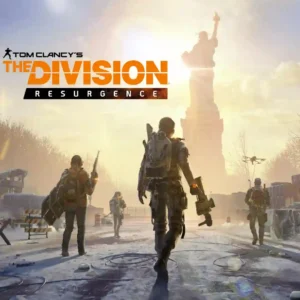
Compare Monster Hunter Wilds vs Tom Clancy’s The Division Resurgence

Monster Hunter Wilds

Monster Hunter Wilds

Overall score 3.6 / 5

Based on 29 scored reviews

vs
Tom Clancy’s The Division Resurgence

Tom Clancy’s The Division Resurgence

Overall score 4.0 / 5

Based on 15 scored reviews

How we score

Scorata scores summarize analyzed review evidence on a 1–5 scale; they are not laboratory measurements or a simple average of customer star ratings. Feature scores summarize the reviews covering that feature. The overall score averages feature scores within each review, then combines review averages. When both expert and customer evidence are available, those two groups receive equal weight. Products can have different review coverage, so small score gaps do not establish a winner.

Recommendations prioritize important features for the category, with a score of at least 3.5, a gap of at least 0.25 points and at least two supporting reviews per product. Features with widely varying scores or broad connectivity contexts are excluded from recommendations. These safeguards do not establish statistical significance.

Quick verdict

What each product is best for

The review evidence points to a tradeoff: mission variety and voice acting versus tutorial quality and content variety. Choose according to which strengths matter more to you; the overall score alone does not settle that choice.

Choose Monster Hunter Wilds for mission variety and voice acting.

Choose Tom Clancy’s The Division Resurgence for tutorial quality and content variety.

Why these recommendations?

Monster Hunter Wilds

Where It Has the Edge

  • mission variety is 4.4 vs 2.0. Mission variety was praised where reviewers highlighted varied, dynamic fights and engaging battles across the campaign.
  • voice acting is 4.0 vs 3.5. Voice acting was mostly positive, with praise for English/Japanese dubs and solid performances despite one reviewer finding it...
  • narrative quality is 3.6 vs 3.3. Narrative quality was mixed: some called it the best or most robust series story, while others found it...

Tom Clancy’s The Division Resurgence

Where It Has the Edge

  • tutorial quality is 4.3 vs 2.5. The opening and class guides introduce systems gradually without becoming overly intrusive.
  • content variety is 4.6 vs 3.4. Story missions, side activities, bounties, world events, co-op, PvP, clans, and the Dark Zone create an unusually full...
  • difficulty balance is 3.9 vs 2.8. Combat rewards cover use and smart positioning, though harder missions can become punishing for solo players or underpowered...
Monster Hunter Wilds 3.6 overall score
Tom Clancy’s The Division Resurgence 4.0 overall score

Compare features

Scores are out of 5. Missing scores mean missing review evidence, not a missing feature.

Scored on both products

Other features

Sandbox freedom
Monster Hunter Wilds
1.7

Sandbox freedom was a major issue for critical reviewers, who felt story rails, autopilot, and forced paths undermined agency.

Tom Clancy’s The Division Resurgence
5.0

Once Manhattan opens up, players can freely choose missions, bounties, exploration, or tougher activities instead of following a rigid path.

HUD clarity
Monster Hunter Wilds
4.5

HUD clarity was praised where reviewers noted the ability to resize or disable individual UI elements.

Tom Clancy’s The Division Resurgence
2.0

The small-screen HUD can become crowded during intense fights, making enemies, effects, and controls harder to track.

Mission variety
Monster Hunter Wilds
4.4

Mission variety was praised where reviewers highlighted varied, dynamic fights and engaging battles across the campaign.

Tom Clancy’s The Division Resurgence
2.0

Repeated enemy waves, rotating maps, and familiar objective structures make missions predictable despite the large overall content count.

Companion AI
Monster Hunter Wilds
4.4

Companion AI was usually praised, with Support Hunters, Palicoes, and AI partners helping effectively, though often adding to the easier feel.

Tom Clancy’s The Division Resurgence
2.0

AI allies are limited and unreliable when difficulty rises, making real teammates much more useful.

Matchmaking quality
Monster Hunter Wilds
2.0

Matchmaking quality was criticized in one review for a confusing, finicky multiplayer setup.

Tom Clancy’s The Division Resurgence
4.3

Quick mission matching can make difficult content easier to tackle, though server problems occasionally block access.

Upgrade system
Monster Hunter Wilds
2.8

The upgrade/build system was a mixed point where tighter buildcrafting created tradeoffs but made High Rank gear feel limited to one reviewer.

Tom Clancy’s The Division Resurgence
4.8

Quick equip and item leveling make upgrades convenient, useful, and capable of keeping favorite gear relevant.

Tutorial quality
Monster Hunter Wilds
2.5

Tutorial quality was inconsistent: some tutorials were unobtrusive, but several reviewers found key mechanics buried, brief, or poorly explained.

Tom Clancy’s The Division Resurgence
4.3

The opening and class guides introduce systems gradually without becoming overly intrusive.

Monetization fairness
Monster Hunter Wilds
1.5

Monetization fairness drew criticism where editing a created character required paying for extra vouchers.

Tom Clancy’s The Division Resurgence
3.3

The full game can be enjoyed without paying, but free progress is slower and not every store offer provides good value.

Crafting system
Monster Hunter Wilds
4.5

Crafting-related preparation was praised where food and hunt-prep systems became smoother without fully removing their purpose.

Tom Clancy’s The Division Resurgence
2.8

Crafting supports build experimentation, but long timers, heavy RNG, and material costs make it less appealing than looting or upgrading.

Pacing
Monster Hunter Wilds
2.3

Pacing was a common complaint, especially story drag, long-winded sections, and a campaign that felt too short or too guided.

Tom Clancy’s The Division Resurgence
4.0

The structure works well for quick mobile sessions or longer grinds, but campaign level gates can badly slow the later story.

Exploration quality
Monster Hunter Wilds
3.4

Exploration quality was split: several reviewers enjoyed discovery and rewarding environments, while others felt autopilot and story rails reduced exploration.

Tom Clancy’s The Division Resurgence
5.0

Roaming patrols, events, safe houses, and side activities frequently pull players away from their planned route in an enjoyable way.

Dialogue quality
Monster Hunter Wilds
1.4

Dialogue quality was sharply criticized in one review for boring NPC talk during story-driven sections.

Tom Clancy’s The Division Resurgence
3.0

Mission dialogue is serviceable and clear but rarely memorable.

Faithfulness to franchise
Monster Hunter Wilds
3.2

Faithfulness to franchise was sharply divided between reviewers who felt Wilds was peak Monster Hunter and others who felt it lost core identity.

Tom Clancy’s The Division Resurgence
4.7

The game closely preserves The Division's cover combat, loot chase, snowy New York setting, and tactical identity despite the mobile format.

Accessibility options
Monster Hunter Wilds
4.5

Reviewers praised the breadth of adjustable settings, including accessibility features, UI controls, and visual options such as color blindness settings.

Tom Clancy’s The Division Resurgence
3.0

Automation and control assists make touchscreen play easier, but subtitle, colorblind, and audio accessibility settings are notably limited.

Grind level
Monster Hunter Wilds
3.5

Grind level was mixed: crown and loot improvements reduced chores for some, while others still saw the loop as grind-heavy.

Tom Clancy’s The Division Resurgence
2.0

Campaign level gates, daily limits, and slower free progression can force repetitive activities before players can continue the story.

AI behavior
Monster Hunter Wilds
2.0

AI behavior drew criticism where mount and monster pathing broke down, especially when navigation systems got stuck or failed to react cleanly.

Tom Clancy’s The Division Resurgence
3.3

Enemy behavior is inconsistent: some foes flank and pressure careless players, while others act predictably or foolishly.

Polish
Monster Hunter Wilds
2.7

Polish was uneven, with severe launch polish complaints contrasted by quality-of-life improvements that showed Capcom had listened to feedback.

Tom Clancy’s The Division Resurgence
4.0

The overall game feels impressively finished for mobile, although controller and interface edge cases expose rough spots.

Economy and resource balance
Monster Hunter Wilds
4.3

Resource balance was praised in at least one case for quality-of-life touches like reclaiming traps and saving materials.

Tom Clancy’s The Division Resurgence
3.0

Upgrade materials become valuable and sometimes scarce, encouraging players to spend carefully rather than improve every item.

Content variety
Monster Hunter Wilds
3.4

Content variety was mixed: creature variety and hunt content drew praise, while some reviewers felt the launch monster count was limited.

Tom Clancy’s The Division Resurgence
4.6

Story missions, side activities, bounties, world events, co-op, PvP, clans, and the Dark Zone create an unusually full mobile package.

Microtransaction impact
Monster Hunter Wilds
1.5

Microtransaction impact was criticized because paid character edit vouchers frustrated a reviewer who wanted to adjust their hunter.

Tom Clancy’s The Division Resurgence
2.6

Paid currencies, battle passes, cosmetics, and repeated offers remain visible throughout play even when they can mostly be ignored.

Difficulty balance
Monster Hunter Wilds
2.8

Difficulty balance was the most divisive area: newcomers found it approachable, but many veterans felt Wilds was too easy and lacked real challenge.

Tom Clancy’s The Division Resurgence
3.9

Combat rewards cover use and smart positioning, though harder missions can become punishing for solo players or underpowered builds.

Environmental detail
Monster Hunter Wilds
4.5

Environmental detail was praised across reviews for beautiful, useful, stunning, and awe-inducing spaces.

Tom Clancy’s The Division Resurgence
3.4

Cars, snow, weather, and street clutter can look impressively detailed, but generic buildings, muddy textures, and pop-in appear on reduced settings.

Fast travel convenience
Monster Hunter Wilds
3.7

Fast travel and mount convenience were useful and often praised, though some reviewers felt autopilot or porting reduced exploration and agency.

Tom Clancy’s The Division Resurgence
4.8

Direct travel to discovered locations and open-world activities cuts down unnecessary running and suits short sessions.

Movement feel
Monster Hunter Wilds
3.6

Movement feel was mixed: one reviewer still felt locked in sluggish animations, while another praised silky-smooth mount movement.

Tom Clancy’s The Division Resurgence
4.5

Movement is smooth, fast, and well suited to cover-based combat.

Writing quality
Monster Hunter Wilds
2.3

Writing quality was one of the weaker story-adjacent areas, with reviewers calling it trope-filled, overdramatic, or undeserving of its prominence.

Tom Clancy’s The Division Resurgence
3.3

The writing can keep routine missions engaging, but the central story sometimes feels underdeveloped and slow.

Endgame content
Monster Hunter Wilds
2.9

Endgame content was mixed to negative: some found hundreds of hours or challenge, but many cited shallow depth, repetition, or missing threats.

Tom Clancy’s The Division Resurgence
2.0

Endgame build management looks deep but already feels tedious because of layered gear, mods, and overlapping progression systems.

World interactivity
Monster Hunter Wilds
3.8

World interactivity was mixed: weather and monster ecology impressed some, while others felt the detail had little gameplay impact.

Tom Clancy’s The Division Resurgence
4.5

Constant patrols and spontaneous fights make travel feel active and can redirect players toward unexpected activities.

Frame rate stability
Monster Hunter Wilds
3.5

Frame rate stability varied by platform and mode, with smooth PS5/PC experiences balanced against stuttering, jittering, and unstable frame-rate complaints.

Tom Clancy’s The Division Resurgence
4.2

Supported devices can deliver smooth 45fps or 60fps play, but higher frame rates often require lower resolution and visual settings.

Co-op experience
Monster Hunter Wilds
3.8

Co-op was enjoyable overall, but reviewers noted story restrictions, unclear early setup, and uneven friction around playing together.

Tom Clancy’s The Division Resurgence
4.4

Shared-world encounters and easy drop-in teaming make cooperation one of the strongest parts of the game, especially for harder activities.

Atmosphere
Monster Hunter Wilds
4.5

The atmosphere stood out in darker biomes and intimidating apex encounters, with reviewers highlighting creepy locations and weather-charged confrontations.

Tom Clancy’s The Division Resurgence
3.9

At its best, snowy streets, weather, and sound preserve The Division's tense atmosphere. Lower settings, flat lighting, and pop-in can noticeably weaken it.

Online stability
Monster Hunter Wilds
3.6

Online stability was mixed, ranging from frequent disconnects to smooth online lobbies and expected multiplayer performance.

Tom Clancy’s The Division Resurgence
3.0

Reliable Wi-Fi is strongly preferred because difficult missions, progression features, and multiplayer depend heavily on a stable connection.

Core gameplay loop
Monster Hunter Wilds
4.3

The core gameplay loop earned strong praise from most reviewers, though one strongly negative review argued streamlining undermined the hunt-craft-prep loop.

Tom Clancy’s The Division Resurgence
4.8

The cycle of completing missions, finding better gear, and improving builds is highly addictive and repeatedly inspires one more activity.

Immersion
Monster Hunter Wilds
4.2

Immersion was mixed to positive: reviewers praised the living world, while one noted convenience systems could break the fiction.

Tom Clancy’s The Division Resurgence
4.8

Story framing, presentation, music, and active combat can make the mobile world feel coherent and absorbing.

Progression system
Monster Hunter Wilds
3.0

Progression was mixed: several reviews liked smoother systems, but others thought unlocks dragged or progression became too fast to matter.

Tom Clancy’s The Division Resurgence
3.6

Meaningful gear growth and flexible item leveling can feel rewarding, but layered menus, currencies, and overlapping upgrades also create confusion.

Aiming precision
Monster Hunter Wilds
3.4

Aiming precision was mixed: Focus Mode could make attacks extremely accurate, but some focused attacks felt unwieldy while Great Sword users praised the added control.

Tom Clancy’s The Division Resurgence
4.0

Aim assist, optional first-person aiming, and controller support can make shooting precise, though default controller acceleration may need adjustment.

Lore depth
Monster Hunter Wilds
4.0

Lore depth was positively noted by a reviewer who found Monster Hunter lore fascinating despite criticizing the story delivery.

Tom Clancy’s The Division Resurgence
4.5

The story fills gaps between earlier games and adds unseen events without requiring newcomers to know the full series history.

Originality
Monster Hunter Wilds
4.5

Originality was praised where new ideas and systems were said to separate and elevate Wilds beyond a simple formula repeat.

Tom Clancy’s The Division Resurgence
4.0

The story finds a fresh position in the existing timeline without disrupting established lore.

Visual effects quality
Monster Hunter Wilds
4.5

Visual effects quality was praised through spectacular cutscenes and dramatic lead-ins to hunts.

Tom Clancy’s The Division Resurgence
5.0

Lighting effects, firefights, and explosions can look especially impressive on capable mobile hardware.

Social features
Monster Hunter Wilds
4.2

Social features were praised where Link Parties created a more intimate grouping layer than standard lobbies.

Tom Clancy’s The Division Resurgence
4.7

Shared-world encounters, spontaneous squads, and clans make it easy to cooperate and build longer-term groups.

Loot system
Monster Hunter Wilds
4.0

Loot systems were mixed: deterministic decorations and clearer drops helped, but some reviewers felt rare farming and chase goals ended too quickly.

Tom Clancy’s The Division Resurgence
4.4

Frequent weapons, gear, mods, and build options make looting deeply satisfying, although one critic found the long-term chase less engaging.

Character development
Monster Hunter Wilds
4.1

Nata's arc was generally seen as effective, with multiple reviewers calling out earned growth and stronger-than-usual character development.

Tom Clancy’s The Division Resurgence
4.5

A fully voiced agent feels more like a real character than the silent protagonists in earlier entries.

Weapon balance
Monster Hunter Wilds
4.1

Weapon balance was largely positive because weapons felt viable and not underpowered, though Insect Glaive drew a notable caveat.

Tom Clancy’s The Division Resurgence
4.5

Weapon categories feel distinct, giving rifles, SMGs, shotguns, and snipers clear identities and uses.

Narrative quality
Monster Hunter Wilds
3.6

Narrative quality was mixed: some called it the best or most robust series story, while others found it familiar, linear, or trope-heavy.

Tom Clancy’s The Division Resurgence
3.3

Opinions vary sharply: some found the story engaging and well presented, while others called it plain, small-scale, cheesy, or slow.

Bug frequency
Monster Hunter Wilds
2.7

Bug frequency was a concern in a few reviews, with mentions of graphical glitches, model or camera issues, and broader buggy behavior.

Tom Clancy’s The Division Resurgence
3.0

One controller sensitivity bug appeared suddenly, though reconnecting the controller fixed it.

Gameplay mechanics
Monster Hunter Wilds
4.1

Gameplay mechanics were generally praised for Focus Mode, wounds, weapon switching, and quality-of-life changes, though some felt over-streamlined.

Tom Clancy’s The Division Resurgence
4.3

Core systems are streamlined for mobile without losing their tactical character, and abilities remain quick and satisfying to use.

Art direction
Monster Hunter Wilds
4.8

Art direction received strong praise, especially for armor and overall visual identity reaching a franchise high point.

Tom Clancy’s The Division Resurgence
5.0

Snow-covered New York convincingly recreates the original game's visual identity and post-crisis mood.

Fun factor
Monster Hunter Wilds
4.4

Fun factor was broadly positive, with even some critical reviewers acknowledging enjoyable fights, strong features, and blast-to-play moments.

Tom Clancy’s The Division Resurgence
4.6

Most players found the game surprisingly enjoyable and compelling, even when mobile clutter, repetition, or technical compromises caused frustration.

Innovation
Monster Hunter Wilds
4.8

Innovation was praised where Wilds' new systems, weather, and traversal changes were seen as elevating the formula.

Tom Clancy’s The Division Resurgence
5.0

The franchise's first fully shared open world is seen as a major improvement that should influence future Division games.

Onboarding experience
Monster Hunter Wilds
4.2

Onboarding was generally praised as more approachable and newcomer-friendly, though some reviews still found the first steps confusing.

Tom Clancy’s The Division Resurgence
4.4

Systems are generally introduced in stages, with prompts, guides, and career objectives helping newcomers understand a dense game.

Graphics quality
Monster Hunter Wilds
3.7

Graphics quality was mixed: several reviewers praised stunning visuals, while others criticized muddy performance mode, pop-in, or reduced image quality.

Tom Clancy’s The Division Resurgence
3.8

Visuals range from exceptional for mobile on strong hardware to muddy, dated, or heavily reduced on weaker devices.

Learning curve
Monster Hunter Wilds
2.9

Learning curve remained a barrier despite approachability, with several reviewers still finding the game bewildering or difficult to slip into.

Tom Clancy’s The Division Resurgence
3.0

The many menus, currencies, builds, and progression layers can feel overwhelming, but gradual introductions keep them manageable for many players.

Combat system
Monster Hunter Wilds
4.5

Combat was the clearest consensus strength, praised as fluid, satisfying, richer, dynamic, and in some cases the best the series has felt.

Tom Clancy’s The Division Resurgence
4.6

Cover shooting is consistently praised as punchy, responsive, and tactical, preserving the satisfying feel of the mainline games.

Animation quality
Monster Hunter Wilds
4.5

Animation quality was consistently praised, from monster movement to combat presentation and more natural character movement.

Tom Clancy’s The Division Resurgence
4.5

Impactful hit reactions help gunfire feel powerful and responsive.

Comfort and build

User interface design
Monster Hunter Wilds
2.0

User interface design was criticized where radial menus felt unresponsive and UI friction recurred during repeated hunt cycles.

Tom Clancy’s The Division Resurgence
3.4

Customizable touch layouts are strong, but dense menus, small-screen crowding, and layered systems often undermine usability.

Multiplayer design
Monster Hunter Wilds
4.2

Multiplayer design was broadly positive, especially once connected, though some reviewers noted restrictions and setup friction.

Tom Clancy’s The Division Resurgence
5.0

Four-player co-op, shared-world teaming, clans, dedicated PvP, and the Dark Zone form a strong multiplayer package.

Open-world design
Monster Hunter Wilds
3.6

Open-world design was divisive: some praised the living, connected ecosystems, while others felt large spaces were wasted or spectacle-first.

Tom Clancy’s The Division Resurgence
4.4

The shared Manhattan map offers plentiful activities and organic player encounters, though one player found parts of it lifeless and dated.

Boss design
Monster Hunter Wilds
4.6

Boss and monster design was one of the strongest points, with reviewers repeatedly praising memorable, creative, intimidating, and excellent creatures.

Tom Clancy’s The Division Resurgence
4.0

Missions build toward dedicated boss fights that reward tactical play and useful loot.

Mission design
Monster Hunter Wilds
2.2

Mission design was criticized for unskippable walk-and-talks, forced walking, and control loss, with only a few later mission moments landing better.

Tom Clancy’s The Division Resurgence
2.8

Combat arenas can be fun and energetic, but some campaign objectives feel trivial or poorly matched to the serious tactical setting.

Quest design
Monster Hunter Wilds
2.7

Quest design was mixed to negative, with story quests and high-rank goals criticized despite on-the-fly questing being praised elsewhere.

Tom Clancy’s The Division Resurgence
3.0

Some side objectives receive useful narrative context, while others feel mundane or tonally out of place.

Level design
Monster Hunter Wilds
4.2

Level design was praised for world spaces with nooks, crannies, verticality, and useful layouts.

Tom Clancy’s The Division Resurgence
4.5

Enemy nests, alleys, rooftops, and urban squares provide lively, action-focused combat arenas.

Sound design
Monster Hunter Wilds
4.7

Sound design was praised for combat impact, monster audio, and the overall sensory presentation of hunts.

Tom Clancy’s The Division Resurgence
5.0

Punchy gunfire and tense environmental audio stand out as some of the game's strongest presentation work.

World-building
Monster Hunter Wilds
4.5

World-building was strongly praised for living ecosystems, cultural detail, and a breathing world that supported the Monster Hunter fantasy.

Tom Clancy’s The Division Resurgence
4.5

Narrative framing connects missions and side activities into a coherent version of post-outbreak Manhattan.

Ownership and support

Replay value
Monster Hunter Wilds
4.7

Replay value was strong among positive reviewers who wanted to keep hunting, build gear, and spend hundreds more hours.

Tom Clancy’s The Division Resurgence
3.8

Co-op, PvP, build experimentation, and the Dark Zone add strong replay potential, though reduced depth may limit long-term investment for veterans.

Cross-play support
Monster Hunter Wilds
4.8

Cross-play support was praised as a major technical addition that made playing with friends across platforms work well.

Tom Clancy’s The Division Resurgence
4.5

iOS, Android, and emulated players can play together, provided everyone chooses the same isolated regional server.

Value for money
Monster Hunter Wilds
3.9

Value for money depended on expectations: one reviewer worried about bang for buck, while others found the price justified by long-term play and updates.

Tom Clancy’s The Division Resurgence
4.0

Free entry makes the substantial campaign, open world, and multiplayer offering easy to try despite its store.

Live-service support
Monster Hunter Wilds
3.8

Live-service support was viewed cautiously optimistic because free updates were expected to expand a base game some found light.

Tom Clancy’s The Division Resurgence
3.8

Daily tasks, weekly activities, and recurring bounties offer reasons to return, though the long-term handling of FOMO remains uncertain.

Performance

Performance optimization
Monster Hunter Wilds
3.2

Performance optimization was mixed by platform: some reviewers reported smooth or flawless performance, while others saw pop-in, frame issues, and poor PC optimization.

Tom Clancy’s The Division Resurgence
3.8

Performance can be excellent and smooth on supported hardware, yet device age and settings produce large differences in quality and stability.

Soundtrack quality
Monster Hunter Wilds
4.3

Soundtrack quality was mostly praised, with music described as mood-enhancing, blood-pumping, and sometimes incredible.

Tom Clancy’s The Division Resurgence
4.7

Subtle cinematic music supports the atmosphere and can make exploration and major story moments more memorable.

Controls and connectivity

Voice acting
Monster Hunter Wilds
4.0

Voice acting was mostly positive, with praise for English/Japanese dubs and solid performances despite one reviewer finding it merely fine.

Tom Clancy’s The Division Resurgence
3.5

Voice performances range from solid to merely adequate, supporting the story without consistently standing out.

Protagonist appeal
Monster Hunter Wilds
4.0

Protagonist appeal improved for one reviewer because the hunter and Palico speaking made the story presentation feel less awkward.

Tom Clancy’s The Division Resurgence
4.5

The voiced player character has more personality and presence than earlier silent Division agents.

Menu usability
Monster Hunter Wilds
2.3

Menu usability was one of the weaker areas, with repeated complaints about confusing, buried, or hard-to-use menus.

Tom Clancy’s The Division Resurgence
2.5

Menus are one of the weakest areas, with layered currencies, constant notifications, and awkward controller cursors making management feel tedious.

Controls responsiveness
Monster Hunter Wilds
4.0

Control responsiveness was mostly praised for smoother, more flexible combat, though one reviewer still found the interface/control load cumbersome.

Tom Clancy’s The Division Resurgence
4.1

Touch controls work better than expected and offer strong customization, but controller play is usually smoother while some menu and aiming roughness remains.

Evidence available for one product

Other features

Battle mode quality
Monster Hunter WildsNo score yet
Tom Clancy’s The Division Resurgence
4.5

The Dark Zone remains a tense, high-risk highlight, while PvP and extraction activities add worthwhile competitive variety.

Camera behavior
Monster Hunter Wilds
2.3

Camera behavior was a repeated irritation when NPCs, monsters, or environments obstructed visibility during gameplay or photo/camera moments.

Tom Clancy’s The Division ResurgenceNo score yet
Character roster
Monster Hunter Wilds
4.2

The character roster was viewed positively where reviewers described the team as likable and supported by small character arcs.

Tom Clancy’s The Division ResurgenceNo score yet
Class balance
Monster Hunter WildsNo score yet
Tom Clancy’s The Division Resurgence
4.6

Specializations feel distinct, flexible, and complementary, with tanks, medics, gadget users, and damage roles supporting different solo and co-op styles.

Community features
Monster Hunter WildsNo score yet
Tom Clancy’s The Division Resurgence
5.0

Organic alliances and a full clan system give players meaningful ways to cooperate, earn rewards, and stay connected.

Crash stability
Monster Hunter Wilds
2.0

Crash stability was a weakness in the reviews that mentioned crashes, especially alongside broader PC and launch technical complaints.

Tom Clancy’s The Division ResurgenceNo score yet
Emotional impact
Monster Hunter Wilds
4.0

The story's dangerous moments created some emotional impact for one reviewer by making the world feel more urgent and threatening.

Tom Clancy’s The Division ResurgenceNo score yet
Enemy variety
Monster Hunter Wilds
4.6

Enemy variety was highly praised, with reviewers emphasizing strange new creatures, diverse silhouettes, and a memorable monster cast.

Tom Clancy’s The Division ResurgenceNo score yet
Facial animations
Monster Hunter Wilds
4.4

Facial animations were positively noted as more natural and helpful in grounding the more serious presentation.

Tom Clancy’s The Division ResurgenceNo score yet
Handheld play suitability
Monster Hunter WildsNo score yet
Tom Clancy’s The Division Resurgence
4.1

It delivers a convincing portable Division experience for short or long sessions, though small screens, older hardware, and connectivity can hold it back.

Horror tension
Monster Hunter WildsNo score yet
Tom Clancy’s The Division Resurgence
4.8

Street firefights and Dark Zone encounters create strong white-knuckle tension, especially when valuable loot or survival is at risk.

Load times
Monster Hunter Wilds
4.2

Load times were generally praised or acceptable where seamless region transitions and reduced loading were noted.

Tom Clancy’s The Division ResurgenceNo score yet
Side character depth
Monster Hunter Wilds
3.6

Side character depth was split: several reviewers liked the cast, while others found Alma or supporting characters thin or irritating.

Tom Clancy’s The Division ResurgenceNo score yet
Skill tree depth
Monster Hunter WildsNo score yet
Tom Clancy’s The Division Resurgence
3.5

Specialization talents add useful choices, but the trees are less extensive than those in the PC and console games.

Ownership and support

Battle pass value
Monster Hunter WildsNo score yet
Tom Clancy’s The Division Resurgence
4.5

The Classified Ops Pass is relatively inexpensive and offers an early exotic plus useful materials.

Platform-specific feature support
Monster Hunter WildsNo score yet
Tom Clancy’s The Division Resurgence
4.1

Broad controller compatibility is a major strength, but controller menus, aim acceleration, and occasional responsiveness issues need more polish.

Server reliability
Monster Hunter WildsNo score yet
Tom Clancy’s The Division Resurgence
2.5

Regional separation can divide friends, and server errors have occasionally prevented multiplayer modes from launching.

Controls and connectivity

Character customization
Monster Hunter WildsNo score yet
Tom Clancy’s The Division Resurgence
3.8

Loadout and cosmetic options can be extensive, but several players found face and appearance creation much shallower than the build system.

Comfort and build

Map and navigation design
Monster Hunter Wilds
3.4

Map and navigation design was mixed, with praise for the new map system offset by clutter, confusion, and navigation friction.

Tom Clancy’s The Division ResurgenceNo score yet
Puzzle design
Monster Hunter WildsNo score yet
Tom Clancy’s The Division Resurgence
4.0

Combination lockboxes provide simple environmental puzzles with worthwhile early rewards.

Other Top Video Games to Consider

#1 Well Dweller
4.7

Best for fluid traversal, rewarding exploration, striking art, and forgiving quality-of-life features. Skip it if you want deep combat, radical genre innovation, or consistently demanding bosses.

Pros: difficulty balance, boss design

Cons: innovation, sandbox freedom

#2 Hades II
4.6

Good if you want fast, tactical roguelite combat with huge progression depth, striking art, and standout music. Skip it if repetition, resource micromanagement, or a less emotionally satisfying sequel story...

Pros: combat system, progression system

Cons: originality

#3 Valheim
4.5

Good if you want a beautiful, demanding survival sandbox built around exploration, building, progression, and memorable co-op. Skip it if long resource runs, harsh death recovery, and deliberate pacing sound...

Pros: town-building system, exploration quality

Cons: grind level, fast travel convenience

#4 Donkey Kong Bananza
4.5

Best for joyful destruction, dense exploration, and a charming DK-Pauline adventure. Skip it if camera quirks, frame-rate dips, easy bosses, or premium Switch 2 pricing are dealbreakers.

Pros: fun factor, world interactivity

Cons: frame rate stability, boss design