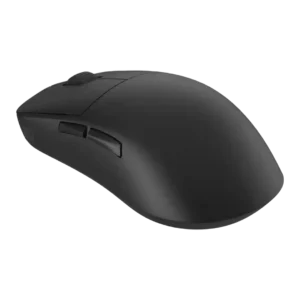
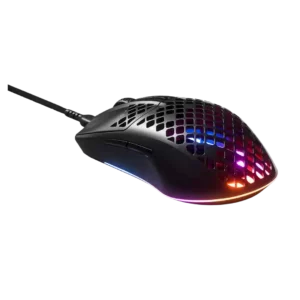
Endgame Gear OP1we
Where It Has the Edge
- claw grip comfort is 4.4 vs 4.0. Claw grip comfort is a major strength, especially for aggressive or relaxed claw users, though the exact fit...

Scorata scores summarize analyzed review evidence on a 1–5 scale; they are not laboratory measurements or a simple average of customer star ratings. Feature scores summarize the reviews covering that feature. The overall score averages feature scores within each review, then combines review averages. When both expert and customer evidence are available, those two groups receive equal weight. Products can have different review coverage, so small score gaps do not establish a winner.
Recommendations prioritize important features for the category, with a score of at least 3.5, a gap of at least 0.25 points and at least two supporting reviews per product. Features with widely varying scores or broad connectivity contexts are excluded from recommendations. These safeguards do not establish statistical significance.
Quick verdict
The review evidence points to a tradeoff: claw grip comfort versus RGB features and long-session comfort. Choose according to which strengths matter more to you; the overall score alone does not settle that choice.
Choose Endgame Gear OP1we for claw grip comfort.
Choose SteelSeries Aerox 3 for RGB features and long-session comfort.
Scores are out of 5. Missing scores mean missing review evidence, not a missing feature.
Battery life is strong on OP1we-style 1K use, but high-polling variants receive more qualified comments around ordinary or short 30-hour endurance.
Battery life was viewed positively where the wireless version avoided dramatic battery-life loss despite weight savings.
Surface compatibility has limited negative evidence because one reviewer found hard surfaces caused grating even with the optional sensor skate.
Surface compatibility was strong overall, with praise for responsive tracking or smooth glide across surfaces and pads.
Onboard memory has limited positive evidence because a reviewer liked that switch-related settings could be saved directly on the mouse.
Onboard memory drew criticism because one reviewer could not get settings to save to the device.
Cable-related evidence on wired variants is positive overall, with reviewers praising lightness, flexibility, and very low drag.
Cable flexibility was a common weakness: one review praised flexibility, but several called the cable basic, stiff, or bad.
Evidence is mixed: one review found acceleration-related software behavior jarring, while another felt the mouse’s acceleration rating was more than sufficient.
Acceleration control was praised where exact tracking without hardware acceleration was tied to a cleaner gaming feel.
Main click quality is the most divided core attribute: some reviewers loved the crisp clicks, while others found them heavy, mushy, or slow.
Primary-click quality was mixed: satisfying in one review but criticized elsewhere for wobble, post-travel, and in-game annoyance.
RGB evidence is context-dependent: the lack of lighting is framed as battery-friendly or performance-focused, but also less flashy and feature-rich.
RGB was consistently one of the strongest positives, though one review found lighting configuration less intuitive.
Wireless latency is generally acceptable to strong, with stable low-latency comments and no latency-issue reports, though one reviewer notes worse specs than rivals.
Wireless latency was praised in the review that described lossless, latency-free gaming.
Click latency evidence ranges from merely adjustable to outstanding, with the strongest reviews calling it the best or very fast in practice.
One review described the gaming experience as latency-free, supporting a strong click-latency impression.
Grip texture is a standout positive, with many reviewers praising the coating’s grip, though fingerprints, grime, and sweat marks are recurring tradeoffs.
Grip texture was split between praise for the coating and criticism of slippery side surfaces.
Motion consistency is mixed: tracking can feel perfectly in tune, but some smoothing or Motion Sync options were described as low-impact or delay-adding.
Motion consistency ranged from spot-on to distracting cursor jiggle that could throw off shots.
FPS suitability is a clear strength, with reviewers repeatedly connecting the mouse to fast shooters, competitive play, low weight, and precise aiming.
FPS suitability was mixed: some called it shooter-ready, while others said sensor or lift-off problems could hurt precise play.
Scroll wheel quality is mixed-to-positive, with praise for tactility and defined steps offset by complaints about light activation, shallow grip, or notchiness.
Scroll-wheel quality received positive remarks for feel and performance when specifically judged.
Switch feel is sharply split: some praise crisp, satisfying tactility, while others find the stock switches heavy, hollow, or hard to spam.
Click feel was positively received where the main buttons produced satisfying clicks.
Premium feel is widely praised through comments about high-quality feel, premium design, and excellent construction, despite occasional stripped-back aesthetics.
Premium feel was positive in some reviews but undermined by critics who expected more from SteelSeries.
DPI range is generally useful for sensitivity tuning and accuracy, but one reviewer warned very high DPI can feel jumpy in everyday use.
The DPI range was valued where it translated into fast, precise cursor movement over long distances.
Lift-off distance customization has limited mixed evidence, with one reviewer finding the range too narrow to matter for most players.
Lift-off distance was divisive, with one reviewer seeing no issues and two others calling high lift-off or cursor jiggle a real problem.
Weight is mostly praised as light or ultralight, but a few reviewers felt the small dense body or heavier-than-rivals mass reduced mobility.
The mouse's low weight was repeatedly praised for agility, maneuverability, and quick movements.
Glide is usually praised as smooth or excellent, though one review found stock skates less smooth than top competitors and hard-surface use problematic.
Glide smoothness was broadly praised, though one reviewer found the feet only okay.
Reviewers who evaluated wireless setup praised the 2.4GHz path as the right performance-first choice, with stable low-latency behavior and easy receiver use.
2.4GHz connectivity contributed positively to avoiding cable dependence in the wireless model.
Connection stability has limited direct evidence but is praised where mentioned, tied to the reviewer’s approval of 2.4GHz reliability.
Connection stability was positive where the detachable cable did not disconnect during quick movements.
Firmware reliability has limited positive support from a review that praised integration with the firmware.
Firmware reliability was criticized when RGB settings reverted after closing the software.
Macro support is a weakness where mentioned; reviewers noted absent or limited macro options, especially for MMO or complex-binding users.
Macro support was treated positively as part of a broader customization setup reviewers valued.
Value is mostly positive because reviewers cite strong quality for the price, though some compare it unfavorably with cheaper wired alternatives.
Value for money was highly split, from 'great value' praise to strong complaints that the price was not justified.
Build quality is one of the strongest consensus positives, with most reviewers calling the mouse solid, durable, tank-like, or exceptionally well put together.
Build quality was highly divisive, ranging from solid and durable to flexy, creaky, and not great.
Palm grip comfort is inconsistent: smaller-hand palm use can work, but larger-hand or filled-palm users are told to skip and one reviewer found it awkward.
Palm grip comfort was weak in reviews that said the mouse was too small or unsuitable for palm use.
Long-session comfort is mostly positive, with reviewers noting reduced strain, no cramping, and broad grip accommodation, though coating sweat marks are a caveat.
Long-session comfort was a strength, with reviewers praising comfort and reduced fatigue from the low weight.
Switch durability is positively supported by 80-million-actuation claims and anti-double-click sentiment when reviewers evaluated them favorably.
Switch durability was rated strongly where the review emphasized the Aerox 3 switches exceeding average rated click life.
Durability over time has limited but very strong evidence from one reviewer who expected years of use from the build quality.
Durability over time was supported by a short-term drop outcome where the mouse held up without visible damage.
Ergonomic design is broadly praised for natural hand feel, stability, and low strain, with some fit limits for larger hands or palm grips.
Ergonomic design scored well where comfort over use was directly praised.
Claw grip comfort is a major strength, especially for aggressive or relaxed claw users, though the exact fit depends on hand size and hump preference.
Claw grip comfort was generally positive, with reviewers calling the shape suitable or comfortable for claw use.
Materials quality has limited positive support, with one review praising PBT plastic for durability and resistance to prolonged gaming wear.
Materials quality was mostly positive, with praise for the matte finish, coating, and high-quality look.
Fingertip comfort is often praised because of the narrow, flat-sided shape, but one reviewer felt heavy stock clicks hurt fingertip suitability.
Fingertip grip comfort was generally positive, with reviewers finding the shape suitable for fingertip users.
Shape comfort is a major positive for many reviewers, especially the compact narrow form, but some found it too flat, too small, or hand-size dependent.
Shape comfort was generally positive, especially for users who liked the Rival-style low profile.
Bluetooth evidence is split: one reviewer missed it as an option, while another praised Bluetooth 5.1 for convenience and broader device compatibility.
Bluetooth support contributed positively to avoiding cable dependence in the wireless model.
Side button quality is generally praised as crisp, tactile, and premium, with one negative review finding them harsh and undampened.
Side-button feedback ranged from sharp, uncomfortable buttons to comfortable placement with no accidental activation.
Software usability is mixed: many reviewers liked the simple no-fuss tool, while others found it dated, rudimentary, underexplained, or unstable.
Software usability was mixed: some praised SteelSeries Engine, while others found it awkward or missing expected settings.
Software stability has limited negative evidence from one review that reported a crash and missing Apply button behavior.
Software stability was criticized where users reported occasional stability problems.
Button responsiveness is polarized: many reviewers found actuation precise and fast, but several criticized heavy, slow, or stability-disrupting clicks.
Responsiveness was mostly praised, but some reviewers reported misclicks or click travel that hurt gaming.
Button customization is generally praised because reviewers found remapping and settings easy, though the broader software presentation is not always polished.
Button customization was considered valuable through SteelSeries Engine configuration flexibility.
Programmable button evidence is positive where mentioned, with reviewers appreciating key mapping and functional button placement.
Programmable buttons were viewed as sufficiently flexible for gaming and everyday use.
Sensor performance is mostly strong, with praise for accuracy, potency, and in-game feel, though one negative review found some related settings unimpressive.
Sensor impressions ranged from excellent, latency-free tracking to harsh criticism of lift-off behavior and sensor shortcomings.
Click noise is mixed: one review liked the satisfying thocky sound, while another found the side buttons louder and hollower than the main clicks.
Click noise was acceptable to good, with one review saying the clicks were not annoying or overly loud.
Wireless performance is positive where reviewed, with stable receiver use, no pairing fuss, and solid 3370 implementation comments.
Wireless performance was positively described where the wireless model avoided cable dependence thanks to connection options.
Tracking precision is consistently praised, with reviewers reporting accurate movement capture, sharper flicks, and strong in-game aiming results.
Reviewers split sharply: some praised precise, responsive tracking, while one found the sensor-placement concern mostly overblown after adjustment.
Weight balance is mostly praised as excellent or practically perfect, though one reviewer felt the dense small-body feel made movement less effortless.
Cross-platform compatibility has limited positive support from the review that praised Bluetooth convenience across a broader range of devices.
MMO suitability has limited but negative evidence because one reviewer said the lack of buttons and macros makes MMO use disappointing.
Polling-rate evidence is mostly positive for competitive specs, but multiple reviewers say ultra-high polling is not always noticeable to normal players.
Portability was praised because the detachable cable helped with travel and laptop use.
Profile switching has limited positive support from one review that praised software customization of settings and profiles.
Water and dust resistance was praised for protection, though one review worried the open shell could collect dust and dirt.
Charging convenience has limited but positive support, with one review praising the USB-C setup for fast data transfer and quick charging.
Debounce customization is seen as a meaningful enthusiast feature, especially for multi-click filtering and double-click protection, though some settings require tuning.
Skate durability and foot quality were mixed, with concerns about rough-surface wear, sound, and snagging.
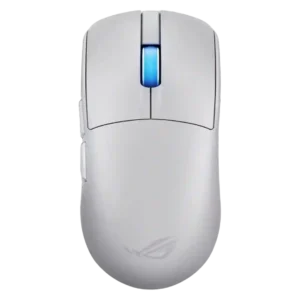
Choose the ROG Harpe II Ace for ultralight FPS play, precise tracking, smooth glide, and web-based tuning. Skip it if you need palm-grip support, MMO buttons, onboard profiles, or long...
Pros: glide smoothness, weight
Cons: handedness options
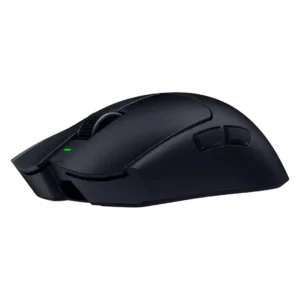
Best for ultra-light, competition-focused speed, precise tracking, stable wireless, and long battery life. Skip it if you need quieter clicks, left-handed support, Bluetooth, more buttons, or better value for casual...
Pros: value for money, weight
Cons: click noise, RGB features
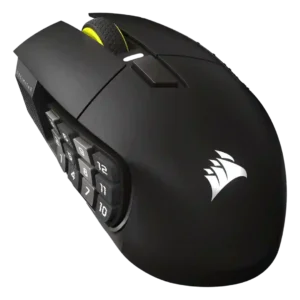
Choose it if you want a premium MMO/productivity mouse with 12 adjustable side buttons, strong battery life, and Stream Deck integration. Skip it if you need an ultralight FPS mouse,...
Pros: button customization, MMO gaming suitability
Cons: FPS gaming suitability
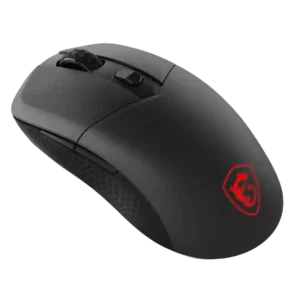
Best for precise wireless tracking, smooth glide, strong battery life, and unusually good 8K value. Skip it if you need polished software, quiet snappy clicks, true left-handed controls, or gentle...
Pros: software usability, sensor performance
Cons: RGB features, scroll wheel quality