Compare Street Fighter 6 vs Borderlands 4

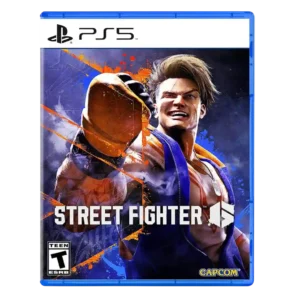
Street Fighter 6

Street Fighter 6

Overall score 4.2 / 5

Based on 26 scored reviews

vs
Borderlands 4

Borderlands 4

Overall score 3.6 / 5

Based on 35 scored reviews

How we score

Scorata scores summarize analyzed review evidence on a 1–5 scale; they are not laboratory measurements or a simple average of customer star ratings. Feature scores summarize the reviews covering that feature. The overall score averages feature scores within each review, then combines review averages. When both expert and customer evidence are available, those two groups receive equal weight. Products can have different review coverage, so small score gaps do not establish a winner.

Recommendations prioritize important features for the category, with a score of at least 3.5, a gap of at least 0.25 points and at least two supporting reviews per product. Features with widely varying scores or broad connectivity contexts are excluded from recommendations. These safeguards do not establish statistical significance.

Quick verdict

What each product is best for

The review evidence points to a tradeoff: tutorial quality and handheld play suitability versus monetization fairness and grind level. Choose according to which strengths matter more to you; the overall score alone does not settle that choice.

Choose Street Fighter 6 for tutorial quality and handheld play suitability.

Choose Borderlands 4 for monetization fairness and grind level.

Why these recommendations?

Street Fighter 6

Where It Has the Edge

  • tutorial quality is 4.8 vs 2.5. Tutorials and training tools were among the most acclaimed parts of the package, often called best-in-class.
  • handheld play suitability is 4.3 vs 2.3. Handheld suitability was positive on Switch 2, though World Tour and visual compromises limited the result.
  • mission variety is 4.6 vs 3.8. Mission variety was positive when minigames and combat lessons taught mechanics, but not all mission structures stayed fresh.

Borderlands 4

Where It Has the Edge

  • monetization fairness is 5.0 vs 2.6. Monetization fairness is praised because reviewers value the single-box-price approach and lack of live-service monetization pressure.
  • grind level is 4.3 vs 2.4. Grind level is mixed-to-positive for players who enjoy farming, but low drop chances and repeated boss farming can...
  • sandbox freedom is 5.0 vs 4.7. Sandbox freedom is praised for allowing players to leave the main path and explore Kairos with fewer structural...
Street Fighter 6 4.2 overall score
Borderlands 4 3.6 overall score

Compare features

Scores are out of 5. Missing scores mean missing review evidence, not a missing feature.

Scored on both products

Other features

Microtransaction impact
Street Fighter 6
2.1

Microtransactions were a repeated negative, even when reviewers noted cosmetics did not affect gameplay.

Borderlands 4
5.0

Microtransaction impact has limited positive evidence because one reviewer praises the absence of a microtransaction-driven always-online focus.

Accessibility options
Street Fighter 6
4.8

Accessibility was a standout, with Modern/Dynamic controls and approachable design repeatedly praised for welcoming new players.

Borderlands 4
2.0

Accessibility evidence is limited but negative, focused on small text that can be hard to read from normal TV distance.

Monetization fairness
Street Fighter 6
2.6

Monetization fairness was the most persistent concern, with several reviewers objecting to premium currency and aggressive cosmetic monetization.

Borderlands 4
5.0

Monetization fairness is praised because reviewers value the single-box-price approach and lack of live-service monetization pressure.

Tutorial quality
Street Fighter 6
4.8

Tutorials and training tools were among the most acclaimed parts of the package, often called best-in-class.

Borderlands 4
2.5

Tutorial quality is criticized for a weak opening tutorial and for leaving important movement or systems unexplained.

World interactivity
Street Fighter 6
4.3

Reviewers enjoyed the ability to fight nearly anyone and interact with the world in silly, playful ways.

Borderlands 4
2.0

World interactivity has limited scored evidence and is criticized for not giving players more engaging ways to interact beyond combat and object prompts.

Handheld play suitability
Street Fighter 6
4.3

Handheld suitability was positive on Switch 2, though World Tour and visual compromises limited the result.

Borderlands 4
2.3

Handheld play suitability is weak, with Steam Deck play criticized even though another handheld performed better.

Polish
Street Fighter 6
3.0

Polish was mostly strong, though pop-in and platform-specific compromises prevented a perfect score everywhere.

Borderlands 4
1.0

Polish has limited negative evidence, with one review calling the launch state rushed and half-baked.

Writing quality
Street Fighter 6
2.0

Writing quality suffered where the story relied on thin characters, predictable twists, or fetch-quest framing.

Borderlands 4
3.9

Writing quality is mixed but often improved over prior entries, with praise for stronger humor and tone balanced by complaints of bland or bad writing.

Grind level
Street Fighter 6
2.4

Grind level was a recurring drawback in World Tour, especially master/style leveling and late-game stat farming.

Borderlands 4
4.3

Grind level is mixed-to-positive for players who enjoy farming, but low drop chances and repeated boss farming can become a chore.

Environmental detail
Street Fighter 6
4.3

Environmental detail was strong in stages and city presentation, though older hardware reduced background liveliness.

Borderlands 4
2.5

Environmental detail has limited negative evidence, focused on muddy-looking textures and real-time loading issues.

Skill tree depth
Street Fighter 6
3.0

Skill-tree depth was viewed as functional but basic rather than a major strength.

Borderlands 4
4.6

Skill tree depth is a major strength, with reviewers repeatedly praising broader trees, build variety, and meaningful character experimentation.

Animation quality
Street Fighter 6
5.0

Animation quality stood out through expressive character movement and polished fight presentation.

Borderlands 4
3.5

Animation quality is mixed: cutscenes are praised for life, while NPC animations are described as limited in another review.

Innovation
Street Fighter 6
4.5

Innovation was praised in the open-world RPG structure, accessibility ideas, and Drive system.

Borderlands 4
3.0

Innovation is mixed-to-low, with reviewers saying the series has not reinvented itself even as it improves key systems.

Load times
Street Fighter 6
3.5

Load times ranged from extremely quick in stronger versions to sluggish on base PS4 hardware.

Borderlands 4
5.0

Load times receive positive evidence from seamless traversal and the absence of loading-screen interruptions.

Character development
Street Fighter 6
4.0

Character development showed up in master bonds and arcade/world interactions, but it was not the central narrative strength.

Borderlands 4
2.7

Character development is mixed-to-negative overall, with criticism of bland characters balanced by one review that found the cast tolerable.

Learning curve
Street Fighter 6
4.3

The learning curve was considered manageable because the game has depth but gives players practical tools to improve.

Borderlands 4
3.0

Learning curve evidence is limited and mixed, with one reviewer noting that builds take time to come online.

Onboarding experience
Street Fighter 6
4.9

Onboarding was consistently strong because World Tour, guides, and Modern controls taught fundamentals without isolating newcomers.

Borderlands 4
3.8

Onboarding is mixed: one reviewer praises menu tutorials, while another says important level and difficulty information is poorly communicated.

Online stability
Street Fighter 6
4.5

Online stability was a clear strength, with reviewers repeatedly praising netcode and smooth connections, despite isolated issues.

Borderlands 4
3.3

Online stability is highly mixed, from smooth co-op sessions to lag, desync, and Steam/network weirdness.

Endgame content
Street Fighter 6
4.5

Endgame content centered on ranked play and ongoing improvement, which reviewers saw as a long-term grind.

Borderlands 4
3.5

Endgame content is mixed: several reviewers call it robust, addictive, or rich, while others say it is thin, weak, or disappointing at launch.

Emotional impact
Street Fighter 6
4.5

Some reviewers described a genuine emotional response to the character redesigns and franchise comeback.

Borderlands 4
3.5

Emotional impact is split between a lack of sincerity in one review and surprisingly thoughtful side content in another.

Originality
Street Fighter 6
4.5

Originality came through World Tour's unusual fighting-game RPG structure and the full package's fresh approach.

Borderlands 4
3.5

Originality is mixed: reviewers see the game as fresh enough, but not especially original.

Side character depth
Street Fighter 6
4.3

Side-character depth was a pleasant surprise, especially through master relationships and smaller personal interactions.

Borderlands 4
3.5

Side character depth is split: one review finds faction leaders relatable, while another says the game does not spend enough time with them.

Progression system
Street Fighter 6
3.0

Progression was criticized for slow style leveling and a drip-feed of unlocks despite giving players plenty to chase.

Borderlands 4
3.8

Progression is often praised for customization and character growth, but some reviewers dislike slow early growth, RNG layers, or Ultimate Vault Hunter progression friction.

Dialogue quality
Street Fighter 6
4.5

Dialogue and small master interactions were warmly received, especially casual chats and text-message moments.

Borderlands 4
3.7

Dialogue quality is mixed: several reviewers like sharper chatter, while others criticize sarcasm, cringe remnants, or uneven quips.

Mission variety
Street Fighter 6
4.6

Mission variety was positive when minigames and combat lessons taught mechanics, but not all mission structures stayed fresh.

Borderlands 4
3.8

Mission variety is positive for side content and activities, but some reviewers still find enemy waves or fights repetitive.

AI behavior
Street Fighter 6
3.3

AI-related features were mixed: V-Rival-style practice was useful, while some World Tour AI behavior drew criticism.

Borderlands 4
4.0

AI behavior has limited scored evidence, but enemies are credited with making the player adapt to tactics in memorable ways.

Community features
Street Fighter 6
4.8

Community features were praised through Battle Hub's arcade feel, rival/friend tools, and social gathering design.

Borderlands 4
4.0

Community features have limited positive evidence around the community hunt for Maurice’s vending machine.

Exploration quality
Street Fighter 6
3.0

Exploration was considered fun in spots but not consistently distinctive compared with other open-world games.

Borderlands 4
3.8

Exploration is rewarding when it leads to loot and side content, but some reviewers find navigation and invisible walls limiting.

Faithfulness to franchise
Street Fighter 6
4.8

Faithfulness to the franchise was strong because reviewers felt the game honored Street Fighter while moving it forward.

Borderlands 4
4.0

Faithfulness to franchise is mostly positive, with several reviewers calling it a return to what worked, though one says the identity is partly lost.

Platforming precision
Street Fighter 6
2.0

Platforming in World Tour was one of the few clearly criticized mechanical side activities.

Borderlands 4
2.8

Platforming precision is mixed because some traversal tools help, but limited grappling and weak air-dash behavior frustrate reviewers.

Seasonal content quality
Street Fighter 6
4.3

Seasonal content quality was positive in post-launch coverage, especially for well-received guest and returning fighters.

Borderlands 4
3.5

Seasonal content quality has limited evidence, focused on unique Halloween-themed legendary items rather than broad seasonal depth.

Narrative quality
Street Fighter 6
2.8

Narrative quality was the most common creative weakness, with several reviewers calling World Tour's main story weak, dull, or shallow.

Borderlands 4
3.4

Narrative quality is strongly divided: reviewers praise the grounded tone and progression while others call the story dull, thin, or weakened near the end.

Fun factor
Street Fighter 6
4.9

Fun factor was extremely high, with reviewers repeatedly calling matches, modes, and systems exciting or addictive.

Borderlands 4
4.3

Fun factor is strongly positive overall, despite some dissent, with many reviewers calling the game highly fun, addictive, or a favorite.

Economy and resource balance
Street Fighter 6
4.5

The Drive Gauge's resource design was praised as a balanced risk-reward system with meaningful consequences.

Borderlands 4
4.0

Resource balance has limited evidence, but the repkit health option is judged useful when health drops are unavailable.

Fast travel convenience
Street Fighter 6
2.5

Fast travel was useful only after unlocking points; before then, one reviewer felt they ran around aimlessly.

Borderlands 4
3.0

Fast travel convenience is mixed, with limited safehouse travel and requests for more stations offsetting the broader open-world freedom.

Immersion
Street Fighter 6
5.0

Immersion benefited from World Tour and Battle Hub, with reviewers calling it the franchise's most immersive entry.

Borderlands 4
4.5

Immersion has limited positive evidence, with the open world helping one reviewer feel more like a Vault Hunter.

Lore depth
Street Fighter 6
4.0

Lore references and Final Fight/Street Fighter connections added flavor for longtime fans.

Borderlands 4
4.5

Lore depth receives limited but positive evidence for building on vault and Siren lore.

Visual effects quality
Street Fighter 6
5.0

Visual effects, especially paint-splatter and Drive Impact effects, were consistently praised.

Borderlands 4
4.5

Visual effects quality has limited positive evidence, with combat described as a colorful burst of effects and particles.

Movement feel
Street Fighter 6
5.0

The fighting feel was described as fluid, logical, natural, and easy to pick up without losing depth.

Borderlands 4
4.5

Movement is widely praised as a major upgrade, with gliding, grappling, dashing, and vertical combat making fights and traversal feel faster and more dynamic.

Content variety
Street Fighter 6
4.9

Content variety was a major strength, with reviewers emphasizing the breadth of modes, training, arcade, online, and offline extras.

Borderlands 4
4.5

Content variety is generally positive, with reviewers citing many side missions, weapons, endgame loops, and activities, though some later content still feels thin.

Difficulty balance
Street Fighter 6
2.6

Difficulty balance was mixed, with some reviewers finding World Tour too easy and others hitting frustrating late-game spikes.

Borderlands 4
2.9

Difficulty balance is divided: reviewers enjoy tougher challenge in places, but criticize level spikes, bullet sponges, damage scaling, and lack of difficulty options.

Social features
Street Fighter 6
4.3

Social features were one of the game's identity points, from avatars and chat to spectating and lobby interactions.

Borderlands 4
4.0

Social features have limited positive evidence around sharing desirable loot with friends.

Sandbox freedom
Street Fighter 6
4.7

Avatar and moveset customization were major positives, letting players build intentionally wild or broken fighters.

Borderlands 4
5.0

Sandbox freedom is praised for allowing players to leave the main path and explore Kairos with fewer structural constraints.

Gameplay mechanics
Street Fighter 6
4.9

Reviewers praised the Drive-era mechanics as deep, flexible, and satisfying, with post-launch updates adding meaningful tactical changes.

Borderlands 4
4.6

Reviewers who scored general gameplay mechanics describe the new mechanics as fun, layered, and stronger than prior entries, with only isolated caveats.

Pacing
Street Fighter 6
2.5

Pacing was uneven: the main fighting stayed engaging, but World Tour could feel repetitive, grindy, or padded.

Borderlands 4
2.7

Pacing is mixed to negative: several reviewers mention slow starts, overlong fights, drawn-out structure, or content stretched too thin.

Combat system
Street Fighter 6
4.9

Combat earned the strongest praise: reviewers highlighted expressive Drive options, strategic meter use, and satisfying risk-reward decisions.

Borderlands 4
4.7

Combat is the strongest consensus point: reviewers praise punchy gunplay, chaotic fights, and responsive shooting, despite a few concerns about repetition or tuning.

Enemy variety
Street Fighter 6
4.5

Enemy variety in World Tour was praised for teaching matchups and adding amusing oddball opponents.

Borderlands 4
4.7

Enemy variety is praised across reviews for distinct factions, modifiers, new enemy types, and encounters that force tactical adjustments.

Frame rate stability
Street Fighter 6
2.8

Frame-rate stability was excellent in core fights on stronger versions but inconsistent in World Tour, PS4, PC open areas, and Switch 2 exploration.

Borderlands 4
2.9

Frame rate stability is mixed-to-negative, with dips, tearing, stutters, and console issues offset by a few reports of smooth 60 fps modes.

Character roster
Street Fighter 6
4.8

The roster was widely praised as balanced, varied, stylish, and strong for both returning and new characters.

Borderlands 4
4.7

The character roster is widely praised for distinct Vault Hunters, varied playstyles, and stronger class variety than past entries.

Core gameplay loop
Street Fighter 6
4.8

The core loop was repeatedly described as quick, satisfying, addictive, and hard to put down.

Borderlands 4
4.9

The shoot-loot-repeat loop is repeatedly praised as addictive and strong, with reviewers calling the core feel one of the game’s biggest successes.

Graphics quality
Street Fighter 6
4.5

Graphics were generally praised, though Switch, PS4, and World Tour performance/visual compromises were noted.

Borderlands 4
4.4

Graphics quality is mostly praised, with reviewers calling the game beautiful, detailed, or good-looking, despite some isolated environmental texture concerns.

Art direction
Street Fighter 6
5.0

Art direction was a major strength, with repeated praise for the graffiti, hip-hop, urban, and colorful visual identity.

Borderlands 4
5.0

Art direction receives strong praise for the series’ comic-book style being more striking than before.

Atmosphere
Street Fighter 6
5.0

The atmosphere captured an arcade/community feeling that several reviewers found nostalgic and energizing.

Borderlands 4
5.0

Atmosphere has limited positive evidence from music and art that fit the Timekeeper and Order presentation.

Class balance
Street Fighter 6
4.5

Class or archetype balance was praised through comments that every character had viable strengths and weaknesses.

Borderlands 4
4.5

Class balance is positive, with reviewers saying the Vault Hunters feel useful, viable, and suited to different playstyles.

Comfort and build

Quest design
Street Fighter 6
2.5

Quest design drew criticism when missions required backtracking and became tedious despite some memorable character interactions.

Borderlands 4
4.3

Quest design trends positive, especially side quests, though one review’s praise contrasts with broader concerns about main-story pacing.

Level design
Street Fighter 6
3.5

World Tour's main hubs were appreciated, while smaller global areas were criticized for feeling limited.

Borderlands 4
2.0

Level design draws negative evidence from a reviewer who felt the open-world gaps were filled with weak filler content.

Mission design
Street Fighter 6
2.4

Mission design was mixed to negative because reviewers enjoyed some lessons and minigames but disliked fetch quests and backtracking.

Borderlands 4
3.2

Main mission design ranges from carefully crafted to fetch-quest heavy, with reviewers split between praise for structure and frustration with repetition.

World-building
Street Fighter 6
4.7

World-building was praised for making Metro City and the broader Street Fighter universe feel lived-in and connected.

Borderlands 4
3.9

World-building is moderately positive, with Kairos and the franchise lore described as broader and more connected, though not always fully realized.

Sound design
Street Fighter 6
4.5

Sound design was praised for adding impact through fight shouts, hits, and combat audio.

Borderlands 4
4.1

Sound design is mostly praised for clean combat readability, strong audio mix, and punchier weapon sound, with one audio-cutting complaint.

Multiplayer design
Street Fighter 6
4.7

Multiplayer design was praised for Battle Hub, ranked/casual paths, and flexible ways to fight without forcing the social lobby.

Borderlands 4
5.0

Multiplayer design has limited but strong positive evidence for frictionless shared play design.

User interface design
Street Fighter 6
2.5

User interface design was criticized by at least one reviewer as confusing and harder than it should be.

Borderlands 4
2.2

User interface design is one of the clearest pain points, criticized as poorly conceived, flat, slow, or a step backward despite one positive UI comparison note.

Open-world design
Street Fighter 6
4.1

World Tour was broadly welcomed as an ambitious single-player RPG mode, though reviewers varied on its execution and polish.

Borderlands 4
4.0

Open-world design is broadly praised as a smart evolution for the series, yet several reviewers criticize emptiness, old-fashioned structure, or frustrating traversal barriers.

Ownership and support

Value for money
Street Fighter 6
4.6

Value for money was high because reviewers saw a large, feature-rich package with offline, online, and edition-specific value.

Borderlands 4
3.1

Value for money is mixed, from strong recommendations to warnings to wait for patches or avoid the current state.

DLC value
Street Fighter 6
5.0

DLC value was strongest for the Years 1-2 Fighters Edition, which bundled characters at a better value.

Borderlands 4
4.0

DLC value has limited positive evidence, with upcoming content described as likely bang for buck.

Replay value
Street Fighter 6
4.9

Replay value was very high thanks to ranked play, Battle Hub, training, World Tour completion, and long-term competitive depth.

Borderlands 4
4.6

Replay value is strongly positive, driven by alternate Vault Hunters, build experimentation, co-op, and endgame loops.

Live-service support
Street Fighter 6
4.0

Live-service support was considered solid after launch, though monetization concerns kept it from being unqualified praise.

Borderlands 4
3.9

Live-service support is moderately positive but slow, with reviewers expecting free and paid updates while noting post-launch momentum is still building.

Platform-specific feature support
Street Fighter 6
2.5

Platform-specific features were mixed: touch controls helped on Switch 2, while gyro modes felt more gimmicky than essential.

Borderlands 4
2.5

Platform-specific feature support is mixed-to-negative, especially around console FOV support and platform-specific launch concerns.

Controls and connectivity

Menu usability
Street Fighter 6
2.8

Menu usability had some friction, especially around settings, friends, and navigation.

Borderlands 4
1.8

Menu usability is criticized for poor backpack design, annoying sorting, slow opening, and clunky loot-management steps.

Protagonist appeal
Street Fighter 6
2.0

The World Tour avatar/protagonist drew criticism when described as mute and overly errand-focused.

Borderlands 4
2.5

Protagonist appeal has limited evidence, with Vex criticized as too quippy and shallow in one review.

Controls responsiveness
Street Fighter 6
4.6

Responsiveness was strong across most versions, though weaker platforms and connections could still affect the feel.

Borderlands 4
4.1

Controls are mostly praised for smooth aiming and responsive play, although one reviewer found a specific melee-style ability poorly controlled.

Voice acting
Street Fighter 6
4.5

Voice and commentary features were liked when they made fights feel more like events, though repetition was a caveat elsewhere.

Borderlands 4
4.6

Voice acting is consistently praised where scored, with reviewers calling the performances strong, phenomenal, or a contributor to character appeal.

Performance

Performance optimization
Street Fighter 6
3.3

Performance optimization varied sharply by platform and mode, with traditional fights strong but World Tour often weaker.

Borderlands 4
2.7

Performance optimization is the most repeated concern, with reviews ranging from smooth experiences to severe stutter, bad optimization, and hardware caveats.

Soundtrack quality
Street Fighter 6
4.2

Soundtrack reactions were mostly positive, with a few reservations about specific new character themes.

Borderlands 4
4.1

Soundtrack quality is generally positive, though one reviewer wanted more music in the wide world.

Evidence available for one product

Other features

Aiming precision
Street Fighter 6No score yet
Borderlands 4
4.5

Aiming precision receives positive evidence from headshot and critical-hit satisfaction during gunplay.

Bug frequency
Street Fighter 6No score yet
Borderlands 4
2.1

Bug frequency is a common concern, from minor bugs to severe reports that affect co-op, quests, and playability.

Checkpoint system
Street Fighter 6No score yet
Borderlands 4
2.0

Checkpoint design is criticized for a severe lack of respawn points in parts of the open world.

Co-op experience
Street Fighter 6No score yet
Borderlands 4
4.3

Co-op experience is generally praised as fun and central, though one review warns that bugs and progression issues can undermine group play.

Companion AI
Street Fighter 6No score yet
Borderlands 4
4.0

Companion AI is mixed-to-positive, with Echo-4 navigation described as useful in one review and hit-or-miss in another.

Competitive balance
Street Fighter 6
4.3

Competitive balance was viewed positively overall, especially the Drive system, Modern tradeoffs, and later character viability.

Borderlands 4No score yet
Crash stability
Street Fighter 6No score yet
Borderlands 4
2.8

Crash stability varies widely, with some reviewers reporting no crashes and others citing crashes, black screens, or crash-related lost rewards.

Driving mechanics
Street Fighter 6No score yet
Borderlands 4
3.5

Driving is convenient when vehicles can be summoned instantly, but reviewers also complain about weak firepower or awkward vehicle handling.

Family friendliness
Street Fighter 6
4.0

Family or casual-group play was supported by Dynamic controls, party-style modes, and approachable local play.

Borderlands 4No score yet
Flying mechanics
Street Fighter 6No score yet
Borderlands 4
2.5

Flying and aerial traversal are mixed: gliding is enjoyable, while grappling and aerial tactics can feel underexplored or poorly implemented.

HUD clarity
Street Fighter 6No score yet
Borderlands 4
3.5

HUD clarity is mixed-to-positive, with a serviceable compass and optional radar helping situational awareness.

Loot system
Street Fighter 6No score yet
Borderlands 4
4.1

The loot system is heavily praised for addictive drops and build-defining combinations, though several reviewers dislike weak legendaries, bad guns, or rarity balance.

Matchmaking quality
Street Fighter 6
4.0

Matchmaking was mostly quick and smooth, but ranked matchmaking concerns appeared in one later player-focused review.

Borderlands 4No score yet
Upgrade system
Street Fighter 6No score yet
Borderlands 4
4.3

Upgrade systems receive positive evidence for direct SDU upgrades and inventory-capacity improvements tied to collectibles.

Weapon balance
Street Fighter 6No score yet
Borderlands 4
3.0

Weapon balance is mixed: variety is praised, but weak charged guns, disappointing weapons, uneven legendaries, and risky overpowered items are noted.

Ownership and support

Battle pass value
Street Fighter 6
2.0

Battle pass value was viewed negatively as unnecessary in a paid fighting game.

Borderlands 4No score yet
Cross-play support
Street Fighter 6No score yet
Borderlands 4
4.0

Cross-play support has limited positive evidence, with multiplayer cross-play described as working well.

Save system reliability
Street Fighter 6No score yet
Borderlands 4
1.3

Save reliability is a serious concern in the scored evidence, including lost progress, wiped saves, and non-host progress problems.

Server reliability
Street Fighter 6
4.0

Server reliability had a brief private-lobby issue, but the reviewer noted Capcom resolved it quickly.

Borderlands 4No score yet

Comfort and build

Boss design
Street Fighter 6No score yet
Borderlands 4
3.4

Boss design is mixed: some reviewers praise new mechanics and serious fights, while others complain about excessive health, weak scale, or tedious phases.

Map and navigation design
Street Fighter 6No score yet
Borderlands 4
2.5

Map and navigation design is mixed-to-negative, with pathing failures, rough navigation, missing minimap complaints, and clunky map controls.

Puzzle design
Street Fighter 6No score yet
Borderlands 4
2.5

Puzzle design has limited evidence, but one puzzle-like ground-pound interaction was criticized as confusing when the game fails to explain it.

Other Top Video Games to Consider

#1 Well Dweller
4.7

Best for fluid traversal, rewarding exploration, striking art, and forgiving quality-of-life features. Skip it if you want deep combat, radical genre innovation, or consistently demanding bosses.

Pros: difficulty balance, boss design

Cons: innovation, sandbox freedom

#2 Hades II
4.6

Good if you want fast, tactical roguelite combat with huge progression depth, striking art, and standout music. Skip it if repetition, resource micromanagement, or a less emotionally satisfying sequel story...

Pros: combat system, progression system

Cons: originality

#3 Valheim
4.5

Good if you want a beautiful, demanding survival sandbox built around exploration, building, progression, and memorable co-op. Skip it if long resource runs, harsh death recovery, and deliberate pacing sound...

Pros: town-building system, exploration quality

Cons: grind level, fast travel convenience

#4 Donkey Kong Bananza
4.5

Best for joyful destruction, dense exploration, and a charming DK-Pauline adventure. Skip it if camera quirks, frame-rate dips, easy bosses, or premium Switch 2 pricing are dealbreakers.

Pros: fun factor, world interactivity

Cons: frame rate stability, boss design




