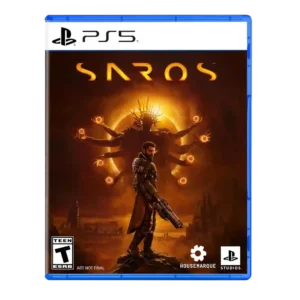
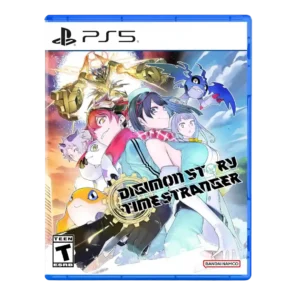
Average score
Digimon Story Time Stranger
3.9
fast travel convenience
Saros
4.7
Fast travel and biome teleporting were widely praised as major quality-of-life improvements that reduce tedium.
Digimon Story Time Stranger
2.0
Fast travel was specifically criticized as awkward and cumbersome compared with modern RPG expectations.
level design
Saros
4.7
Level design was strongly praised for handcrafted chunks, biome structure, combat spaces, and a balance between freshness and mastery.
Digimon Story Time Stranger
2.3
Level design was a recurring weak point, with multiple reviewers calling dungeons linear, basic, repetitive, or hallway-like despite stronger worlds around them.
HUD clarity
Saros
4.4
HUD/readability comments were positive but limited, emphasizing that the intense spectacle remained coherent and not visually confusing.
Digimon Story Time Stranger
2.0
HUD clarity was criticized for frequent pop-ups, messages, and flashing information that made the screen feel crowded.
map and navigation design
Saros
2.4
Navigation drew criticism from one reviewer who found objective direction poor despite liking the map.
Digimon Story Time Stranger
4.5
Navigation drew praise in one review for clearly structured areas, appropriate fast travel, and easy map overlay access.
frame rate stability
Saros
4.6
Frame rate was generally strong, with most reviewers reporting near-locked or rock-solid 60fps and only occasional dips.
Digimon Story Time Stranger
2.8
Frame rate stability was mixed to negative, with console 30 fps and occasional stutters/drops repeatedly mentioned.
tutorial quality
Saros
4.3
Tutorial quality had limited but positive evidence, with reviewers noting trial-and-error teaching and encounter design that prepares players for bosses.
Digimon Story Time Stranger
2.5
Tutorial coverage was criticized by one reviewer for glossing over some early systems.
mission design
Saros
4.6
Optional challenge-space design was praised as brutal but rewarding.
Digimon Story Time Stranger
2.9
Mission design was mixed to negative: side missions often felt basic or fetch-like, though some reviewers liked their world flavor and progression rewards.
exploration quality
Saros
4.6
Exploration was praised for hidden paths, secrets, and optional areas that reward revisiting biomes.
Digimon Story Time Stranger
3.0
Exploration earned praise for curiosity in the Digital World but criticism for shallow hubs, restrictive pathways, and limited discovery in some areas.
protagonist appeal
Saros
4.0
Protagonist appeal was mixed: several reviewers found Arjun compelling or well-acted, while one found him unpleasant by design.
Digimon Story Time Stranger
2.5
The silent protagonist was a repeated drawback because it could make emotional scenes feel disconnected or flat.
emotional impact
Saros
3.0
Emotional impact was mixed, with some reviewers admiring ideas but others saying the narrative and characters did not fully move them.
Digimon Story Time Stranger
4.4
Emotional impact was strong in the best story moments, especially resolutions, bonds, and character beats that several reviewers said hit hard.
upgrade system
Saros
4.6
The upgrade system was praised for making attempts feel worthwhile and improving approachability.
Digimon Story Time Stranger
3.3
Cross Arts and upgrades added tactical options, but reviewers criticized limits such as only equipping one Cross Art at a time.
content variety
Saros
4.5
Several reviews found the game rich in sections, weapons, collectibles, and sights, though the content variety was usually discussed through exploration and spectacle.
Digimon Story Time Stranger
3.2
Content variety was mixed: Outer Dungeons, side activities, and a card game added breadth, but the card game was often criticized as shallow.
animation quality
Saros
2.8
Animation comments were mostly negative, focused on stiff dialogue animation and odd or weak face animation outside stronger cinematic moments.
Digimon Story Time Stranger
4.1
Animation quality was mostly praised for unique attacks and expressive Digimon, but one negative review criticized pop-in and jittery animation presentation.
camera behavior
Saros
4.3
Camera controls were specifically praised as quick enough for combat without becoming disorienting.
Digimon Story Time Stranger
3.0
Camera behavior drew mild criticism for wonky placement and fixed perspectives that limited appreciation of environments.
onboarding experience
Saros
3.5
Onboarding was mixed: some reviewers said mechanics ramped up well, while one felt the many systems were poorly communicated.
Digimon Story Time Stranger
4.8
The game was repeatedly described as newcomer-friendly, with reviewers saying prior Digimon knowledge was not required.
character roster
Saros
3.6
The cast received mixed reactions, with some reviews praising performances while others wanted more depth beyond Arjun.
Digimon Story Time Stranger
4.8
The roster was a major strength, with reviewers praising the huge 450-plus Digimon count and the effort behind modeling and team variety.
endgame content
Saros
2.8
Endgame content was a limited concern, with one reviewer specifically wishing for a dedicated post-game activity.
Digimon Story Time Stranger
4.0
Endgame content received positive mention through tougher Outer Dungeons that tested late-game parties.
value for money
Saros
5.0
Value for money had limited but explicit support from one reviewer who said they would pay full price.
Digimon Story Time Stranger
3.9
Value for money was generally positive for Digimon and monster-taming fans, though the $70 price and sale advice made it somewhat conditional.
performance optimization
Saros
4.6
Performance optimization was praised overall, especially on PS5/PS5 Pro, with only minor dips or loading-related hitches noted.
Digimon Story Time Stranger
3.8
Performance impressions were platform-dependent, ranging from smooth PC/PS5 experiences to wonky performance or adequate-but-imperfect Steam Deck play.
pacing
Saros
3.6
Pacing drew mixed responses, from tighter run pacing to complaints that story, repetition, or traversal could drag.
Digimon Story Time Stranger
2.8
Pacing was the most repeated caveat: many reviewers said the story starts slowly, drags in the middle, or takes time before its stronger payoffs.
innovation
Saros
4.7
Innovation centered on the shield, bullet-as-resource design, haptic implementation, and a more flexible challenge structure.
Digimon Story Time Stranger
4.0
Innovation was framed as refinement rather than reinvention, with reviewers praising how existing Digimon systems were modernized.
replay value
Saros
4.7
Replay value was strong, with reviewers saying they wanted to dive back in or keep running even after credits.
Digimon Story Time Stranger
4.0
Replay value was supported by the length and optional Field Guide/evolution goals, with one reviewer saying the game stayed substantial without overstaying.
user interface design
Saros
3.3
User interface design had limited mixed evidence, with one reviewer finding it good enough but imperfect.
Digimon Story Time Stranger
4.0
UI design was polarized: some reviewers called it clean and easy, while another strongly criticized clutter and constant pop-ups.
movement feel
Saros
4.7
Movement feel was praised as smooth, nimble, precise, and joyful across several reviews.
Digimon Story Time Stranger
4.0
Rideable Digimon were received as enjoyable traversal flavor, even if this was not a heavily discussed mechanic.
voice acting
Saros
4.7
Voice acting was widely praised, especially Rahul Kohli’s performance, with the broader cast also receiving positive notes.
Digimon Story Time Stranger
4.0
Voice acting was mostly praised, particularly for emotional scenes and Digimon personality, though a few reviewers disliked execution or uneven English phrasing.
sound design
Saros
4.7
Sound design and 3D audio were praised for intensity, dread, positional clarity, and haunting effects.
Digimon Story Time Stranger
4.0
Sound design received positive notes for memorable effects and environmental detail, with one small caveat around missing ride sounds.
accessibility options
Saros
4.6
Reviewers praised Saros for broad accessibility and difficulty-tuning options, including modifiers, visual recoloring, remapping, and ways to soften or intensify challenge.
Digimon Story Time Stranger
4.0
Accessibility was praised in the sense of smoother systems and difficulty options that help players engage without losing depth.
enemy variety
Saros
4.6
Enemy variety was praised for diverse, escalating, and biome-changing threats that keep combat fresh.
Digimon Story Time Stranger
4.0
Enemy variety was praised for changing weaknesses and resistances enough to keep battles from feeling stale.
soundtrack quality
Saros
4.6
The soundtrack was praised for oppressive, unnerving, and complex music that supports Carcosa’s tone.
Digimon Story Time Stranger
4.1
Soundtrack quality was divided but leaned positive, with several reviewers loving the score while others found it less memorable or generic.
skill tree depth
Saros
3.8
Skill-tree depth was mixed, from exhaustive and satisfying to more of a limited trunk than a deep build system.
Digimon Story Time Stranger
4.3
Agent skill trees were well received as useful, understandable systems that add meaningful progression and personality-based bonuses.
boss design
Saros
4.4
Bosses were widely admired for spectacle, challenge, and memorability, though a few reviewers found some fights long or uneven.
Digimon Story Time Stranger
3.9
Boss design drew both strong praise for mechanics and strategy and criticism for long, tanky fights or occasional trial-and-error.
side character depth
Saros
2.5
Side character depth was a common weakness, with reviewers describing the supporting cast as shallow, disposable, or stock.
Digimon Story Time Stranger
3.0
Side character depth was mixed: Digimon characters were praised for charm, while several human NPCs were called forgettable or thin.
grind level
Saros
2.9
Grind and repetition drew mixed-to-negative comments, especially around repeated boss attempts and artifact droughts.
Digimon Story Time Stranger
3.4
Grind level was mixed: automation and field attacks reduce friction, but leveling, complex systems, and late Digivolution still require grinding.
environmental detail
Saros
4.7
Environmental detail was a frequent highlight, with reviewers praising Carcosa’s biomes, architecture, and alien spaces.
Digimon Story Time Stranger
4.2
Environmental detail was praised in Digital World areas but criticized when Tokyo, dungeons, or shadow/detail handling felt bland.
combat system
Saros
4.7
Combat was the strongest consensus point, described as thrilling, precise, tactile, and among Housemarque’s best work.
Digimon Story Time Stranger
4.2
Combat drew broad praise for its turn-based depth, weakness systems, and boss demands, although some reviewers found normal encounters or HP-heavy fights less exciting.
art direction
Saros
4.8
Art direction was a clear strength, with reviewers highlighting Carcosa’s strong, alien visual identity and memorable environmental design.
Digimon Story Time Stranger
4.3
Art direction was generally praised for anime style, strong Digimon designs, and appealing visual identity.
polish
Saros
4.7
Polish was praised frequently, with reviewers calling Saros smooth, refined, and consistently excellent.
Digimon Story Time Stranger
4.3
Polish was praised in broad terms, especially compared with older entries, though this sat alongside recurring UI and pacing caveats.
menu usability
Saros
2.8
Menu usability had limited negative evidence, focused on hidden information and unclear equipment-screen navigation.
Digimon Story Time Stranger
3.2
Menu usability was a major tradeoff, with streamlining praised but DigiFarm/evolution menu separation and training menuing often criticized.
fun factor
Saros
4.9
Fun factor was very high, with reviewers repeatedly describing the act of playing, replaying, and mastering Saros as joyful or addictive.
Digimon Story Time Stranger
4.5
Fun factor was consistently high, with many reviewers calling the experience fun, addictive, or a blast despite specific frustrations.
writing quality
Saros
3.7
Writing quality was mixed, with praise for logs and media-literate storytelling but criticism of hollow or unclear themes.
Digimon Story Time Stranger
3.3
Writing quality was mixed: reviewers liked the heart and themes but called out sappy, repetitive, or awkward phrasing.
difficulty balance
Saros
4.1
Difficulty balance split reviewers: many called it tough but fair and customizable, while some felt ganks, repetition, or modifiers could undermine balance.
Digimon Story Time Stranger
3.7
Difficulty was context-dependent: bosses and higher modes could challenge players, while normal encounters were sometimes easy, repetitive, or auto-battle friendly.
atmosphere
Saros
4.7
Reviewers repeatedly praised the unnerving, dread-soaked atmosphere, even when they disagreed about the story itself.
Digimon Story Time Stranger
5.0
Atmosphere was strongly praised in the reviews that addressed it, especially for the lively Digital World and overall aura.
character development
Saros
4.8
Arjun’s arc drew praise where reviewers felt his development became darker, more complex, and captivating.
Digimon Story Time Stranger
4.4
Character development was praised for Digimon relationships, time-spanning growth, and meaningful arcs, with humans less consistently strong.
world-building
Saros
4.6
World-building was praised through Carcosa’s mysteries, logs, lore, and thematic environmental storytelling.
Digimon Story Time Stranger
4.9
World-building was one of the strongest consensus positives, with the Digital World repeatedly described as alive, lived-in, and full of Digimon society.
graphics quality
Saros
4.7
Graphics quality was praised across reviews for visual flair, PS5 showcase value, and striking Unreal Engine 5 presentation.
Digimon Story Time Stranger
4.4
Graphics were widely praised as a major step up for the series, despite some weaker Tokyo environments or platform-specific performance limits.
handheld play suitability
Saros
4.5
Handheld or remote play suitability had limited evidence, but one reviewer said it looked and played beautifully on PlayStation Portal.
Digimon Story Time Stranger
4.3
Handheld play suitability was positive overall, with reviewers saying it played well on Steam Deck despite some drops.
dialogue quality
Saros
2.7
Dialogue quality was mixed to weak, with several reviewers noting stilted conversations, unnatural backlog delivery, or long quiet stretches.
Digimon Story Time Stranger
2.5
Dialogue quality was one of the clearer weaknesses, with complaints about overexposition, lackluster choices, and repeated explanations.
originality
Saros
3.8
Originality was mixed, with praise for bold changes and criticism that Saros repeats Returnal-like beats with minimal variation.
Digimon Story Time Stranger
4.0
Originality was supported by one reviewer who felt the evolution and combat systems made the game feel distinct in the genre.
narrative quality
Saros
3.9
Narrative quality was the most mixed major attribute, ranging from gripping and coherent to underdeveloped, opaque, or overambitious.
Digimon Story Time Stranger
4.1
Narrative quality was generally positive, especially once the time-travel story builds momentum, but a few reviewers found parts uneven or generic.
core gameplay loop
Saros
4.5
The core loop was usually seen as compelling and satisfying, though Polygon felt progression systems weakened the roguelike loop.
Digimon Story Time Stranger
4.7
The loop of collecting, training, evolving, and rebuilding teams was repeatedly described as addictive and rewarding, with only light fatigue or grind caveats.
progression system
Saros
4.3
Progression was usually praised for meaningful permanent upgrades, though one reviewer felt it overemphasized numbers over skill.
Digimon Story Time Stranger
4.5
Progression was one of the strongest areas, with Digivolution, Agent Rank, personality growth, and team-building repeatedly called gratifying, flexible, and deep.
immersion
Saros
4.7
Immersion was praised through tactile feedback, 3D audio, and audiovisual design that pulled reviewers into Carcosa.
Digimon Story Time Stranger
4.5
Immersion was praised when world detail, music, characters, and presentation made reviewers want to return to the setting.
platform-specific feature support
Saros
4.7
Platform-specific support was praised through PS5 showcase features, Pro upscaling, DualSense use, and 3D audio.
Digimon Story Time Stranger
4.5
Platform-specific support was praised on Steam Deck for 16:10 support and no black borders.
faithfulness to franchise
Saros
4.6
Reviewers generally felt Saros honors Housemarque and Returnal’s lineage while refining or expanding the studio’s formula.
Digimon Story Time Stranger
4.7
Faithfulness to franchise was very strong, with reviewers calling it a love letter, fan-focused, and a strong realization of Digimon’s appeal.
visual effects quality
Saros
4.9
Visual effects were a major highlight, especially the particle-heavy combat fireworks and colorful VFX.
Digimon Story Time Stranger
4.8
Visual effects were praised for colorful, gorgeous presentation and especially creative Outer Dungeon effects.
learning curve
Saros
3.8
The learning curve was approachable for some but still initially demanding, with trial-and-error teaching and a tough early adjustment.
Digimon Story Time Stranger
3.7
The learning curve was mostly manageable, though several reviewers noted many systems, stats, and personalities to absorb.
controls responsiveness
Saros
4.6
Controls were heavily praised for responsiveness, tactile feel, and precise movement/shooting, with only rare complaints about input conflicts.
Digimon Story Time Stranger
4.5
One review specifically praised instant menu response as part of a sharper combat and field flow.
gameplay mechanics
Saros
4.5
Gameplay mechanics, especially the shield, parry, eclipse, and modifier systems, were praised, though one review felt the systems could overprotect players.
Digimon Story Time Stranger
4.5
Reviewers liked the layered monster-building mechanics, especially flexible skills and personality systems, though the strongest praise focused on customization rather than novelty.
age appropriateness
SarosNo score yet
Digimon Story Time Stranger
3.5
Age appropriateness was mixed: reviewers noted a more mature focus and also felt some alcohol content was jarring.
AI behavior
SarosNo score yet
Digimon Story Time Stranger
4.0
Auto-battle AI was positively noted as capable of clearing straightforward fights, especially during grinding.
aiming precision
Saros
4.0
Aiming was generally considered forgiving and readable thanks to auto-aim and tracking, though some no-auto-aim weapons were harder to master.
Digimon Story Time StrangerNo score yet
checkpoint system
Saros
4.6
Saros’ checkpoint-like structure and biome restart options were praised for reducing repetition and respecting time.
Digimon Story Time StrangerNo score yet
DLC value
SarosNo score yet
Digimon Story Time Stranger
2.8
DLC value was viewed cautiously because extra dungeons and paywalled content were unnecessary or uncomfortable despite not blocking core progress.
economy and resource balance
Saros
3.1
Resource balance drew limited but mixed evidence, with one review noting balance concerns and another criticizing excess currency gains.
Digimon Story Time StrangerNo score yet
facial animations
Saros
2.9
Facial animations were a repeated weakness, especially outside cutscenes where faces could not match the vocal performances.
Digimon Story Time StrangerNo score yet
family friendliness
SarosNo score yet
Digimon Story Time Stranger
3.0
Family friendliness was limited by one reviewer’s concern that sudden alcohol-heavy scenes felt out of place for the game’s tone.
haptic feedback integration
Saros
4.7
DualSense haptics and adaptive triggers were a standout, repeatedly praised as tactile, innovative, and deeply integrated.
Digimon Story Time StrangerNo score yet
horror tension
Saros
4.7
Horror tension was supported through praise for dread, anxiety, cosmic horror, and the unsettling eclipse-driven world.
Digimon Story Time StrangerNo score yet
load times
Saros
4.8
Load times had limited but strong evidence, with Digital Foundry praising nearly instant transitions.
Digimon Story Time StrangerNo score yet
loot system
Saros
3.1
Loot drew mixed feedback: some liked risky artifacts and weapon discovery, while others disliked artifact droughts or limited replacement control.
Digimon Story Time StrangerNo score yet
lore depth
Saros
4.4
Lore depth was praised where reviewers enjoyed logs, mysteries, and hidden material that encouraged deeper digging.
Digimon Story Time StrangerNo score yet
monetization fairness
SarosNo score yet
Digimon Story Time Stranger
3.0
Monetization fairness was mixed: no real-money microtransactions helped, but DLC-locked quests and grind dungeons raised concerns.
platforming precision
Saros
4.5
Platforming precision had limited but positive evidence around precise jumping, dodging, and reduced geometry snagging.
Digimon Story Time StrangerNo score yet
quest design
SarosNo score yet
Digimon Story Time Stranger
2.9
Quest design split reviewers, with optionality and occasional stronger quests helping, but many side quests were still described as routine or unexciting.
save system reliability
Saros
4.5
Save/run continuation quality was praised via suspend, leave-and-return, and day-one roguelite quality-of-life comments.
Digimon Story Time StrangerNo score yet
vehicle roster
SarosNo score yet
Digimon Story Time Stranger
4.0
Rideable Digimon variety got a positive mention, including amusing mount options that made traversal more fun.
weapon balance
Saros
4.1
Weapon balance was mostly positive for variety and viability, though some weapons or no-autohit variants frustrated reviewers.
Digimon Story Time StrangerNo score yet
world interactivity
Saros
4.2
World interactivity had limited evidence, mostly around movement-reactive effects and environmental destruction.
Digimon Story Time StrangerNo score yet