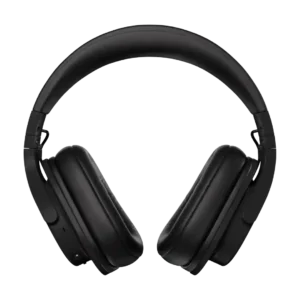
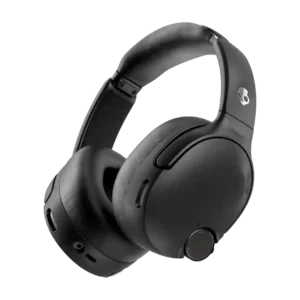
Yamaha YH-L500A Headphones
Where It Has the Edge
No clear scored advantage over the other product.

Scorata scores summarize analyzed review evidence on a 1–5 scale; they are not laboratory measurements or a simple average of customer star ratings. Feature scores summarize the reviews covering that feature. The overall score averages feature scores within each review, then combines review averages. When both expert and customer evidence are available, those two groups receive equal weight. Products can have different review coverage, so small score gaps do not establish a winner.
Recommendations prioritize important features for the category, with a score of at least 3.5, a gap of at least 0.25 points and at least two supporting reviews per product. Features with widely varying scores or broad connectivity contexts are excluded from recommendations. These safeguards do not establish statistical significance.
Quick verdict
The available evidence supports the recommendation below, but does not establish an overall winner. Check the remaining features against your priorities.
There is not enough comparable review evidence to recommend Yamaha YH-L500A Headphones over the other product.
Choose Skullcandy Crusher 1080 ANC for Sound quality and Carry case quality.
No clear scored advantage over the other product.
Scores are out of 5. Missing scores mean missing review evidence, not a missing feature.
Reviewers generally liked the sound, praising detail, clarity, and musical enjoyment, though one musician-focused review called it good rather than great for mixing.
Reviewers consistently describe a major step up in sound, with clearer, more balanced tuning that no longer relies on bass alone. Hands-on listeners call the overall presentation crisp, powerful, and genuinely premium.
ANC was a major limitation in L500A reviews because its absence reduced usefulness for travel and noisy environments.
ANC drew strong praise from several reviewers and clearly surpasses older Skullcandy efforts, especially against steady background noise. One hands-on tester found it less effective than Sonos Ace and some earbuds, so performance may vary by fit and environment.
Microphone noise reduction was described as decent, especially indoors, but not enough to make calls fully comfortable.
The microphone system handled real-world background noise well, including wind and roadside traffic. Callers reported clear speech with little obvious wind interference.
Bass impressions were split: L500A coverage found it precise but limited, while other supplied transcripts praised punchy or strong low-end.
The adjustable haptic bass is the defining strength: it can feel like a subwoofer or live venue without necessarily burying the rest of the mix. Most testers loved it, though several stressed that moderation gives the best balance.
Passive isolation was considered substantial enough to reduce everyday noise, though not a full ANC substitute.
The large, well-sealed earcups provide strong passive isolation before ANC is even switched on. One reviewer said the outside world already became noticeably quieter from the fit alone.
Spatial audio was a clear strength, especially for home theater use, though one review found the Cinema effect less compelling than Music mode.
TrueSpatial is more than a novelty: reviewers heard a wider, speaker-like presentation and convincing head tracking. It works especially well for movies, stationary listening, and immersive music playback.
Factory tuning drew a mixed response because bass was conservative and highs were brighter than the reviewer preferred.
The tuning is more balanced than past Crushers but still not reference-flat. Listeners seeking studio neutrality may find the elevated bass and upper-mid energy too colored.
Immersive audio was a major strength, with reviewers praising realism, spacious layering, and private-theater presentation.
The combination of haptic bass, wide staging, and head tracking creates a highly immersive presentation. Testers described music as surrounding or following them and compared the sensation to a club or concert.
Soundstage was a consistent strength, with reviewers describing airy space, real width and depth, impressive soundstage, and three-dimensional presentation.
The Bose-influenced tuning creates a noticeably wider and more open soundstage than previous Crusher models. TrueSpatial can expand it further, especially for movies and stationary listening.
Low-latency and AV sync evidence was exceptionally strong, with reviewers repeatedly reporting no perceptible or discernible delay.
Video synchronization was excellent in testing, with no visible lip-sync delay even before low-latency mode was enabled. Gaming mode adds further reassurance for interactive use.
Transparency mode was a clear weakness because voices were muffled and quick conversations required removing the headphones.
Stay-Aware mode generally sounds natural and makes quick conversations or outdoor use practical. Most reviewers liked it, though one found it a step behind the best transparency systems until sidetone was adjusted.
Travel friendliness was limited by missing ANC/transparency features and weak suitability for flying.
Long battery life, effective ANC, folding earcups, and a clip-on bag make the headphones well suited to commuting and flights. Their weight and bulk keep them from being the easiest travel set to carry.
Carry case evidence was negative, with reviewers criticizing the absence of a travel case or pouch.
The soft-lined rolltop bag is roomy, padded, and easy to clip onto another bag. It protects against scratches, though travelers wanting crush protection may prefer a hard case.
Travel portability was weak because the L500A lacked a travel-friendly folding hinge and case.
The headset folds and collapses more effectively than many premium rivals, but it remains physically large. Some reviewers found it easy to pack, while another still considered it less portable than smaller alternatives.
Launch feature set was limited because reviewers noted missing ANC, transparency, head tracking, and other modern extras.
The launch feature set is unusually complete, combining Bose ANC and spatial processing with long battery life, multipoint, wear detection, Auracast, and a deep app. Several sources called it competitive or premium for the price.
The 3.5mm analog option was useful as a wired fallback for conserving battery or when wireless was unnecessary.
The 3.5mm input adds useful fallback listening and continues to work when the battery is dead. Sensory bass and other powered processing are unavailable in passive mode.
Stability depended on fit: the L500A stayed put in one review, while the WL500 slipped forward for another reviewer.
The relaxed fit is comfortable for sitting and walking but can shift during jogging or vigorous movement. Active users may find the headset less secure than tighter-clamping alternatives.
Treble was mixed, ranging from bright on the L500A factory tuning to clear and detailed in other listening contexts.
High-frequency detail stays cleaner than expected for a bass-focused headphone. Hands-on testing found that the highs remain present instead of disappearing beneath the Crusher effect.
Volume handling was adequate to good: passive isolation let louder sounds through, but dialogue clarity reduced the need for constant volume changes.
Volume output is very strong, with enough headroom for older or quieter masters. At maximum settings, the headphones can become extremely loud.
Android compatibility was praised because Google Fast Pair got Android users running quickly.
Android pairing is straightforward through Google Fast Pair. The app and multipoint features also worked smoothly in direct Android testing.
Connectivity options were praised for everyday convenience and, in the WL500 transcript, faster cable-free workflow.
Connectivity is flexible, covering Bluetooth multipoint, USB audio, and 3.5mm analog playback. The analog mode even works with the headphones powered off, though powered features are then unavailable.
Headband adjustability was a concern for smaller heads, with both L500A and WL500 evidence noting possible looseness or fit trouble.
Length adjustment is available, but there is little ability to tighten the inward fit. One tester with a larger head still found the headset looser than desired.
Included accessories were praised in the WL500 review for broad plug support.
The package includes a padded travel bag plus 3.5mm and USB-C cables. The bag is a welcome addition, but the cable quality feels below the rest of the product.
Instrument separation was praised, especially for vocals and layered music, though one review framed it as enjoyable rather than reference-grade.
Improved separation makes smaller instrumental details easier to pick out. Reviewers heard a cleaner, less congested presentation than on earlier Skullcandy headphones.
The headphones were positioned as versatile across movies, shows, YouTube, casual music, and gaming.
The headphones work across Android and iPhone and can keep both connected simultaneously. This makes switching between mobile ecosystems or a phone and computer painless.
The visual profile was understated and studio-like rather than flashy, with one review calling it modern and another workhorse-like.
Branding is restrained and the black version looks discreet on the head. The low-key profile appealed to reviewers, although one thought the shape felt unintentionally dated.
Headband padding was split: L500A reviews praised it, while the WL500 review found it thin and less comfortable.
Headband padding is soft and comfortable, but thinner than the plush ear cushions. Heavier users may wish it had slightly more foam for better pressure distribution.
Ear cup padding was strongly praised for plushness, softness, and comfort across multiple reviews.
The memory-foam earcups received near-universal praise for their soft, plush feel. They fully surround the ears and rebound well after use.
Midrange and dialogue were praised as clear, with one review calling the midrange nearly perfect and another highlighting crisp, elevated dialogue.
Mids come through with more energy and presence than on older Crushers. Reviewers especially liked that vocals, percussion, and other midrange details remain audible even when the sensory bass is active.
Overall recommendations were positive but focused: reviewers praised comfort, immersion, and low-latency use while warning about feature omissions or fit caveats.
Most hands-on reviewers strongly recommend the headphones to bass lovers and call them Skullcandy’s most complete model yet. More cautious sources advise waiting for independent testing if ANC neutrality or reference tuning matters most.
Premium feel was good for the price, with soft-touch plastic and solid construction helping the headphones feel upscale.
Metal accents, plush padding, and the substantial build create a convincingly premium impression. The materials do not always match flagship rivals, but the overall feel exceeds Skullcandy’s budget reputation.
Cable quality drew a criticism in the supplied WL500 transcript because the included USB power cable was short.
The included cables are functional but feel thin and inexpensive. The short USB-C lead was singled out as less practical than the otherwise premium package.
Call use was mixed to weak: voice pickup was decent, but the lack of self-hearing/transparency made wireless calls tiring.
Call quality is a clear strength, with voices described as crisp, natural, and easy to understand. Outdoor and roadside calls remained intelligible in hands-on testing.
Voice feedback was received positively and humorously in the WL500 review.
The spoken status prompts are clear and memorable, including the playful “see you” shutdown message. Reviewers found the feedback useful and more personable than generic tones.
Setup simplicity was strong, with pairing described as simple and reliable in the home-theater review.
Pairing and app setup are simple, with quick device discovery and clear controls. Firmware and feature settings are easy to access once connected.
The app was praised as straightforward and helpful, offering enough customization without becoming overwhelming.
The Skullcandy app was repeatedly described as clean, smooth, and comprehensive. It centralizes bass level, ANC, spatial audio, EQ, sidetone, personalization, and control remapping.
Physical controls were considered mostly intuitive and tactile, despite some cheaper-feeling rattle elsewhere in the same review.
Physical buttons and the joystick are easy to locate and satisfying to use. The main drawback is that the ANC switch sits close enough to the bass dial to cause occasional accidental presses.
EQ customization was useful because the reviewer could create custom presets after factory presets missed the desired tuning.
A customizable five-band EQ gives more control than many competing apps. Reviewers liked being able to combine custom tuning with Crusher bass, personal sound, and spatial modes.
Clamping force was a standout comfort point, described as gentle, balanced, and well suited to long sessions.
Clamping pressure is gentle enough to avoid soreness, but one reviewer found the fit slightly too loose. The relaxed clamp favors comfort over a locked-in feel.
Weight comfort was excellent, with reviewers saying the headphones felt featherweight, disappeared after minutes, or fit very well.
Weight impressions were mixed: some testers called the headphones light in use, while others noticed the bulky 374-gram build during longer sessions. Comfort depends heavily on fit and activity.
Build quality was consistently praised as solid, robust, and premium for the price.
The frame generally feels solid and well assembled despite its plastic construction and hefty size. One sample developed a noticeable creak in the left earcup, which tempers confidence in consistency.
Long-use comfort was usually a major strength, especially for L500A/home viewing, but one musician review found the headband uncomfortable after about an hour.
Most reviewers found the plush earcups and padded headband comfortable for long sessions. The weight can become noticeable, but it did not cause discomfort for every tester.
Design reactions were moderate to positive: one review called the design basic, while another found the look understated and modern.
The industrial Skullcandy styling earned generally positive reactions, especially in the subtler black finish. Critics noted that the silhouette looks bulkier and less polished than current Sony or Bose designs.
Codec support was treated as modern and useful, especially aptX Adaptive, but not uniquely exceptional at the price.
The wireless stack includes SBC, AAC, LE Audio, and Auracast, but premium codecs such as LDAC and aptX are not confirmed. That makes the feature set modern but not especially strong for codec-focused buyers.
Multipoint was viewed as useful and reliable, letting users switch between devices without awkward menu jumping.
Multipoint switching worked flawlessly in direct testing between an Android phone and an iPhone. Playback handed off cleanly without needing to reconnect devices.
Value was mixed: some reviews found the price fair for the focused experience, while others criticized missing features or stronger wired alternatives.
Value is generally favorable because the headphones deliver Bose-derived features, exceptional battery life, and unique haptic bass below many current flagships. The price becomes less compelling beside discounted older Sony, Bose, Sennheiser, or Soundcore models.
Charging was mixed: USB-C charging was praised as fast, but the L500A inability to play while charging was a notable drawback.
Rapid charging is genuinely useful, adding several hours from a brief top-up. Hands-on reviewers found charging faster than expected in everyday use.
Battery evidence was mixed: one L500A review called 20 hours low-end, while other reviews said runtime was solid or worry-free.
Battery life is one of the strongest practical advantages, with up to 50 hours using ANC and 60 without it. Reviewers called the endurance exceptional and had difficulty draining it during testing.
Advanced software processing impressed the home-theater reviewer, who found Yamaha’s DSP approach actually worked well.
Bluetooth impressions were positive overall, with multipoint and low-latency wireless praised, though one review noted commonness and another had initial pairing friction.
Bluetooth 5.3 keeps the wireless platform current and supports modern features such as LE Audio and Auracast. Pairing and multipoint performance were strong in hands-on testing.
Smart listening features were useful for fatigue reduction and long sessions, especially Listening Care and low-fatigue monitoring contexts.
Several testers found ANC made steady fans, engines, and background hum dramatically quieter. One reviewer heard a smaller reduction than with certain competing headphones, suggesting fit and expectations matter.
LE Audio support helps future-proof the wireless platform. Reviewers viewed it as a meaningful modern addition alongside Bluetooth 5.3 and Auracast.
Wind handling is mixed. Call microphones suppressed wind well for one outdoor test, but another reviewer heard air moving around the large earcups during a gust.
aptX Adaptive was praised for improving bass, treble, responsiveness, and overall wireless listening quality.
The detachable/wired option was useful for moments when wired listening or battery conservation mattered.
The dock/dongle-style hardware was viewed positively in WL500 transcripts for sturdiness and flexible wireless connection.
The earcups rotate smoothly and the frame folds properly for storage. Reviewers appreciated that the mechanism produces a genuinely compact folded shape rather than only laying flat.
The built-in microphones were acceptable for pickup and indoor noise reduction, but call comfort was compromised by poor self-monitoring.
Clarity remains impressive even at high volume and with heavy bass engaged. Multiple listeners reported that the mix stayed crisp rather than turning muddy or distorted.
Hands-on reviewers were overwhelmingly enthusiastic about the sound, bass, comfort, and feature mix. Satisfaction is highest among listeners who want excitement and physical impact rather than strict neutrality.
Preset EQ quality was weak because the available presets did not give the reviewer the tweaks they wanted.
Sidetone can be adjusted enough to make the wearer’s own voice much easier to hear on calls. Increasing the setting noticeably improved a reviewer’s transparency experience.
The finish resisted fingerprints, dust, and visible grime during early use. The black model stayed cleaner-looking than its large matte surfaces might suggest.
Repairability and sustainability were weak because the L500A depends on its internal battery and cannot operate once that battery reaches end of life.
USB-C charging was praised for speed in the home-theater review.
Auracast adds a forward-looking sharing feature that few buyers may need immediately but improves long-term wireless readiness. Reviewers grouped it with LE Audio as part of a future-proof connectivity package.
Auto reconnect/on behavior was only middling because undocking introduced a short pairing delay.
Durability expectations were positive in the WL500 review, which expected the headphones to withstand plenty of abuse over time.
Hinge feel was praised, with smooth movement and no extra play or looseness reported.
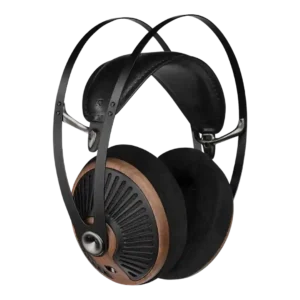
Choose the 105 Silva for beautiful, repairable construction, superb comfort, easy driveability, and an engaging spacious sound. Skip it if you need isolation, balanced connectivity, heavy sub-bass, or consistently smooth...
Pros: Design and Aesthetics, Overall recommendation
Cons: Noise isolation (passive), Connectivity options

Choose it if your workday revolves around calls and you want exceptional mic isolation, huge battery life, all-day comfort, and a slim travel-friendly design. Skip it if music fidelity, class-leading...
Pros: Battery, Charging
Cons: Value for money, Codec support

Choose the Aventho 100 for standout battery life, portable retro styling, strong ANC, and flexible wired/wireless use. Skip it if you dislike on-ear pressure or want a wide, consistently neutral...
Pros: Battery, Design and Aesthetics
Cons: Clamping force comfort, Soundstage width
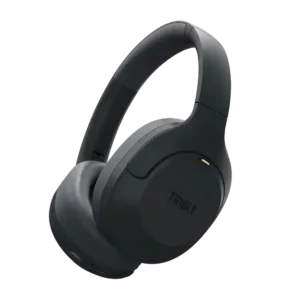
Best for exceptional battery life, useful ANC, flexible EQ, and strong budget value. Skip it if refined, detailed sound or polished controls matter more than price.
Pros: Value for money, Sound quality
Cons: Button control usability, App