Compare Castlevania: Belmont’s Curse vs Tenebris Somnia

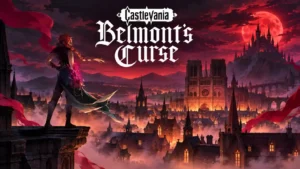
Castlevania: Belmont’s Curse

Castlevania: Belmont’s Curse

Overall score 3.9 / 5

Based on 63 scored reviews

vs
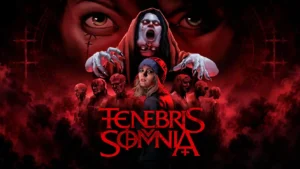
Tenebris Somnia

Tenebris Somnia

Overall score 4.0 / 5

Based on 17 scored reviews

How we score

Scorata scores summarize analyzed review evidence on a 1–5 scale; they are not laboratory measurements or a simple average of customer star ratings. Feature scores summarize the reviews covering that feature. The overall score averages feature scores within each review, then combines review averages. When both expert and customer evidence are available, those two groups receive equal weight. Products can have different review coverage, so small score gaps do not establish a winner.

Recommendations prioritize important features for the category, with a score of at least 3.5, a gap of at least 0.25 points and at least two supporting reviews per product. Features with widely varying scores or broad connectivity contexts are excluded from recommendations. These safeguards do not establish statistical significance.

Quick verdict

What each product is best for

The review evidence points to a tradeoff: gameplay mechanics and voice acting versus visual effects quality and originality. Choose according to which strengths matter more to you; the overall score alone does not settle that choice.

Choose Castlevania: Belmont’s Curse for gameplay mechanics and voice acting.

Choose Tenebris Somnia for visual effects quality and originality.

Why these recommendations?

Castlevania: Belmont’s Curse

Where It Has the Edge

  • gameplay mechanics is 4.3 vs 3.3. The whip and tarot abilities connect traversal, combat, and progression in satisfying ways. A minority find the individual...
  • voice acting is 4.2 vs 3.7. Voice performances are mostly well received and help bring the cast to life. Some find the English delivery...
  • fun factor is 4.8 vs 4.5. The strongest reactions describe a highly enjoyable, absorbing adventure. Combat and discovery keep those players eager to return...

Tenebris Somnia

Where It Has the Edge

  • visual effects quality is 4.7 vs 2.3. Practical makeup and creature transformations are widely praised, sometimes compared favorably with theatrical production quality. A few cheap-looking...
  • originality is 4.3 vs 2.8. The film-and-pixel combination stands apart from familiar indie horror presentation. Its distinctiveness comes more from that form than...
  • economy and resource balance is 3.9 vs 2.5. Limited ammunition and healing often create effective pressure, while some players find supplies arrive when needed. Enemy buildup...
Castlevania: Belmont’s Curse 3.9 overall score
Tenebris Somnia 4.0 overall score

Compare features

Scores are out of 5. Missing scores mean missing review evidence, not a missing feature.

Scored on both products

Other features

Loot system
Castlevania: Belmont’s Curse
4.5

Exploration rewards are valued for giving hidden chests and optional routes a tangible payoff. Weapons and useful passive equipment make discoveries feel worthwhile.

Tenebris Somnia
2.0

Optional storage lockers do not always repay the time spent finding keys; some offer only a small healing item.

Visual effects quality
Castlevania: Belmont’s Curse
2.3

Flashes and impact effects can overwhelm the screen or feel distracting. These touches do not work equally well for players who value restrained, readable action.

Tenebris Somnia
4.7

Practical makeup and creature transformations are widely praised, sometimes compared favorably with theatrical production quality. A few cheap-looking moments qualify an otherwise strong impression.

Movement feel
Castlevania: Belmont’s Curse
4.3

Whip-assisted movement often feels fluid, acrobatic, and exciting, especially as new abilities arrive. Early sluggishness and awkward grapple follow-ups frustrate some players.

Tenebris Somnia
2.4

Movement gets sharply different reactions: one account finds Julia agile enough to evade threats, while others find her slow or stiff. Snagging on scenery adds to the frustration.

AI behavior
Castlevania: Belmont’s Curse
2.2

Enemies can track jumps and time attacks around dodges with frustrating precision. That behavior makes already demanding traversal and gauntlets feel less forgiving.

Tenebris Somnia
4.0

Learnable enemy attack patterns give you opportunities to evade threats and land melee counterattacks.

Polish
Castlevania: Belmont’s Curse
4.5

The core action and presentation are often described as polished and carefully executed. That finish helps the revival make a strong impression.

Tenebris Somnia
2.8

Technical refinement is uneven across playthroughs. Some describe a smooth experience aside from pixel hunting; others find collision faults and mechanical friction hard to overlook.

Death mechanics
Castlevania: Belmont’s Curse
3.6

Keeping progress and experience after death can make retries feel productive. Poor respawn positions and lengthy returns to danger still create frustration.

Tenebris Somnia
2.0

One-hit kills can be discouraging, especially in boss encounters. Learning when to avoid those enemies helps, but does not remove the frustration.

Frame rate stability
Castlevania: Belmont’s Curse
3.4

Some versions maintain smooth action, while others show noticeable drops or limiting frame caps. Switch 2 reports are generally more favorable than original Switch and Steam Deck accounts.

Tenebris Somnia
5.0

The tested Linux setup maintains a rock-solid 60fps once running.

Combat readability
Castlevania: Belmont’s Curse
3.6

Some players can read attacks clearly even in hectic fights, while others lose track amid projectiles and effects. That split matters in a game built around precise defensive timing.

Tenebris Somnia
2.0

Unclear hitboxes and inconsistent alignment can make attacks difficult to judge. One account also dislikes Julia briefly disappearing when damaged.

Originality
Castlevania: Belmont’s Curse
2.8

Some see a distinctive identity, but many feel the game borrows too safely from established Metroidvanias. A competent revival does not always feel like a new benchmark.

Tenebris Somnia
4.3

The film-and-pixel combination stands apart from familiar indie horror presentation. Its distinctiveness comes more from that form than from reinventing every gameplay system.

Exploration quality
Castlevania: Belmont’s Curse
4.3

Hidden rooms, meaningful upgrades, and optional areas make exploration rewarding. Cryptic progression, repeated routes, and distant travel points can turn discovery into a chore.

Tenebris Somnia
2.8

Shifting environments can keep the compact world engaging, but repeated travel and unclear interaction points sometimes turn searching into a chore.

Combat system
Castlevania: Belmont’s Curse
4.4

Combat is the clearest strength, combining weapon-specific attacks, grappling, spells, and parries. Crowded encounters and occasional sluggishness can interrupt that flow.

Tenebris Somnia
2.9

Combat is the most divisive part of the experience: some find tense, satisfying fights, while others struggle with clunky weapons and frustrating late encounters. Delayed attacks and reload commitment are frequent sticking points.

Economy and resource balance
Castlevania: Belmont’s Curse
2.5

Limited healing makes long gauntlets and crowded encounters stressful. Mana-supported spell combinations are appreciated, but scarce restoratives and interrupted casts can make resource management feel punishing.

Tenebris Somnia
3.9

Limited ammunition and healing often create effective pressure, while some players find supplies arrive when needed. Enemy buildup and costly late encounters can make the same scarcity feel punishing.

Checkpoint system
Castlevania: Belmont’s Curse
2.9

Checkpoint spacing is one of the most disputed design choices. Distant save rooms can mean tiring runbacks, while optional boss-door respawns considerably reduce frustration.

Tenebris Somnia
4.3

Encounter checkpoints reduce the need to repeat entire bosses or wave sequences after dying, softening some demanding setpieces.

Gameplay mechanics
Castlevania: Belmont’s Curse
4.3

The whip and tarot abilities connect traversal, combat, and progression in satisfying ways. A minority find the individual mechanics inconsistent or too familiar.

Tenebris Somnia
3.3

The interactive half offers some clever meta sequences and effective links to the story. Familiar systems and uneven execution still leave one critic reluctant to recommend it for gameplay alone.

Innovation
Castlevania: Belmont’s Curse
3.1

The whip and tarot systems bring welcome fresh ideas for some. Others find the exploration tricks and movement upgrades too conventional.

Tenebris Somnia
4.1

Mixed-media presentation and meta mechanics are the clearest innovations. The standard survival-horror systems themselves are more familiar and sometimes less inventive.

Progression system
Castlevania: Belmont’s Curse
3.4

New abilities and equipment usually make Rose’s growth satisfying. Slow access to mobility tools and small level-up bonuses leave some players underwhelmed.

Tenebris Somnia
2.5

Item collection can occur in an order that feels unnatural, weakening the sense of a cleanly guided progression path.

Dialogue quality
Castlevania: Belmont’s Curse
3.7

Companion banter can make the journey lively, funny, and less lonely. Frequent interruptions and overexplaining wear on players who prefer a quieter atmosphere.

Tenebris Somnia
4.5

Julia’s text narration is praised for its somber tone, occasional humor, and strong characterization. Some dialogue is a little clunky without spoiling its appeal.

Character development
Castlevania: Belmont’s Curse
3.7

Rose’s growth and vulnerability give her arc emotional weight for many. Others see a determined heroine who changes too little or remains an underdeveloped archetype.

Tenebris Somnia
4.5

New revelations deepen Julia’s response to the failed relationship and repeatedly change how her history with Ivan is understood.

Hint system
Castlevania: Belmont’s Curse
3.8

Tarot clues can make investigation satisfying without simply placing an objective marker. Their clarity varies, and some players find the hints too cryptic or too limited when stuck.

Tenebris Somnia
3.0

Subtle visual cues and recorded notes help some players progress naturally. Others encounter puzzles so vague that they need outside help.

Bug frequency
Castlevania: Belmont’s Curse
3.2

Several players encounter few bugs, but others report windowed-mode problems, a fast-travel glitch, or an HDR pop-up that prevents loading. The issues described vary substantially.

Tenebris Somnia
2.4

Several playthroughs report snagging on stairs or scenery, and one describes a boss attack causing a soft lock. Another finds the game largely bug-free, so the severity varies.

Pacing
Castlevania: Belmont’s Curse
3.0

The adventure often improves once the castle opens up, but the early hours can drag. Repeated backtracking and long stretches between useful travel points are recurring interruptions.

Tenebris Somnia
3.7

The story’s escalating revelations usually sustain momentum, especially early on. Backtracking, unclear puzzles, and lengthy later fights can interrupt that flow.

Narrative quality
Castlevania: Belmont’s Curse
3.8

Rose’s curse and her captured companions give the adventure more story presence than many expected. Reactions split over predictability, excessive explanation, and a tone that can feel more anime than gothic.

Tenebris Somnia
4.5

The layered mystery around Julia, Ivan, and their filmmaking is one of the most consistent strengths. A minority objects to inconsistent turns or heavy explanation near the ending.

Weapon balance
Castlevania: Belmont’s Curse
3.6

Distinct weapon styles reward experimentation and situational choices. Strong upgrades and dominant late-game options sometimes make other weapons feel redundant.

Tenebris Somnia
4.3

Limited ammunition prevents guns from dominating, while differing melee strengths give weapons distinct uses. The modest arsenal also fits Julia’s ordinary, vulnerable character.

Atmosphere
Castlevania: Belmont’s Curse
4.1

A burning Paris, gothic interiors, and evocative audio create a strong sense of place. Brighter visuals and frequent chatter dilute the mood for some traditionalists.

Tenebris Somnia
4.7

The nightmare setting and abrupt shifts into physical horror sustain a distinctive sense of unease. Even some critics of the gameplay find the atmosphere worth experiencing.

Aiming precision
Castlevania: Belmont’s Curse
2.5

Precise whip aiming can be finicky, with missed anchors or unintended targets disrupting traversal and combat.

Tenebris Somnia
2.0

Shot alignment can feel inconsistent: a slight mismatch sometimes wastes a bullet and sometimes makes no difference.

Graphics quality
Castlevania: Belmont’s Curse
3.4

The game can look striking in motion, but character models and image clarity receive mixed reactions. Nintendo versions draw repeated complaints about blur and low resolution.

Tenebris Somnia
3.9

Many admire the detailed retro rooms and startling filmed imagery, but a few find the pixel graphics ugly or spatially unconvincing. Visual appeal depends partly on your tolerance for severe retro minimalism.

Inventory management
Castlevania: Belmont’s Curse
4.0

Streamlined equipment removes the routine of constantly equipping whichever armor has the highest stats. That reduced busywork is appreciated.

Tenebris Somnia
4.5

Carrying important items without stash juggling is appreciated for keeping the adventure moving. Paused item combinations and reloading also provide breathing room.

Writing quality
Castlevania: Belmont’s Curse
3.8

The writing is praised for personal stakes, thematic clarity, and eccentric characters. Other reactions point to weak scripts or dialogue that gives away too much.

Tenebris Somnia
4.2

Layered relationship writing, film-centered themes, and well-written characters are recurring strengths. Some accounts find the final explanations heavy-handed or stylistically at odds with the evocative films.

Emotional impact
Castlevania: Belmont’s Curse
4.3

Family loss, personal growth, and moments of redemption give the story unexpected emotional pull. Rose’s relationships provide much of that impact.

Tenebris Somnia
4.7

The failed relationship gives the horror emotional weight beyond monster reveals. Expressive filmed moments and satisfying endings leave a particularly strong impression.

Lore depth
Castlevania: Belmont’s Curse
4.3

Franchise callbacks and ties to earlier events reward familiarity with Castlevania’s history. French historical references add another layer of interest.

Tenebris Somnia
4.7

The cult, supernatural realm, and rituals form a compelling mythology. Gradual explanations often deepen interest without draining the mystery.

Fun factor
Castlevania: Belmont’s Curse
4.8

The strongest reactions describe a highly enjoyable, absorbing adventure. Combat and discovery keep those players eager to return even after setbacks.

Tenebris Somnia
4.5

The combined horror spectacle can be thrilling enough to outweigh smaller frustrations, and another account simply finds it a lot of fun to play.

Learning curve
Castlevania: Belmont’s Curse
3.7

Boss patterns and combat rhythms become satisfying as they click. Animation commitments and unfamiliar movement timing can take some adjustment.

Tenebris Somnia
4.0

Subtle environmental guidance makes the adventure more approachable for newcomers without turning every step into an explicit instruction.

Immersion
Castlevania: Belmont’s Curse
4.8

The blend of French history, gothic locations, and compelling exploration makes the world absorbing. Strong atmosphere helps sustain the desire to investigate.

Tenebris Somnia
4.5

The unfolding mystery and close continuity between filmed and playable scenes keep many players absorbed. Even some frustrated by combat remain eager to see what happens next.

Core gameplay loop
Castlevania: Belmont’s Curse
4.2

Hunting bosses, gaining powers, and opening new paths creates a compelling loop for most. One disappointed demo player found the loop slow and unrewarding.

Tenebris Somnia
4.0

Item collection, exploration, and puzzle solving generally sustain the adventure. Keeping the playable sections distinct from the films also preserves meaningful player involvement.

Environmental detail
Castlevania: Belmont’s Curse
4.5

Layered backgrounds, gothic architecture, and detailed vistas make many locations memorable. One sharply negative demo impression found the environments bland instead.

Tenebris Somnia
4.7

Rooms retain recognizable props and details when switching between pixels and filmed sets. That close matching helps both halves feel like the same place.

Horror tension
Castlevania: Belmont’s Curse
4.5

The horrors are intimidating without overwhelming the empowering rhythm of play. That balance gives the macabre setting tension without making it oppressive.

Tenebris Somnia
4.7

Scarce supplies, surprise transitions, and well-timed reveals keep players unsettled. Several accounts praise how effectively even the low-resolution scenes deliver scares.

Art direction
Castlevania: Belmont’s Curse
4.5

The vivid gothic art, tarot illustrations, and painterly backgrounds are widely admired. Its brighter, more stylized look is less appealing to players who want a darker traditional aesthetic.

Tenebris Somnia
4.4

The collision of chunky pixel art and filmed horror gives the game its strongest visual identity. Most find the contrast compelling, though one critic thinks the pixel art cannot match the films’ artistic strength.

Animation quality
Castlevania: Belmont’s Curse
4.6

Fluid movement and expressive combat animations are consistent highlights. The transitions between running, jumping, and grappling help sell the acrobatic action.

Tenebris Somnia
4.5

Later transformations become more colorful, grotesque, and lively, giving the effects a growing sense of energy.

Difficulty balance
Castlevania: Belmont’s Curse
3.4

The challenge can be rewarding, with learnable patterns and meaningful skill tests. Difficulty spikes, crowded rooms, and overpowered late-game equipment create an uneven curve for others.

Tenebris Somnia
3.3

Early challenge often feels manageable, and some find the bosses rewarding throughout. Others describe a steep late-game rise into cramped, unfair, or disproportionately demanding fights.

Game length
Castlevania: Belmont’s Curse
4.3

The main adventure and optional discoveries generally feel substantial without overstaying their welcome. One player finds it a little short despite its density.

Tenebris Somnia
4.3

The concise scope is generally appreciated, with roughly eight hours described as manageable and focused rather than overly demanding.

Overall quality
Castlevania: Belmont’s Curse
4.3

The overall response is favorable, with many calling it a strong or excellent comeback. More reserved reactions see an enjoyable foundation held back by uneven difficulty, technical issues, or a weaker franchise identity.

Tenebris Somnia
4.3

Most find the cinematic horror and relationship mystery memorable enough to outweigh mechanical roughness. Less enthusiastic accounts regard it as an interesting experiment held back by combat and puzzle friction.

Enemy variety
Castlevania: Belmont’s Curse
3.3

Enemy variety is disputed: familiar monsters delight some players, while others tire of recolors and repeated types. Combat combinations sometimes compensate for the smaller roster.

Tenebris Somnia
3.3

One account finds just enough enemy types to stay entertained; another sees the small creature roster as part of repetitive combat.

Humor
Castlevania: Belmont’s Curse
4.0

Bickering companions and eccentric personalities bring welcome humor and levity. These lighter exchanges help make the dark journey feel less lonely.

Tenebris Somnia
4.0

Julia’s otherwise somber narration includes occasional humor without losing its serious tone.

Violence level
Castlevania: Belmont’s Curse
4.5

The macabre presentation is praised for restraint rather than for sheer intensity. Its intimidating horrors remain stylized instead of excessively grotesque.

Tenebris Somnia
4.5

A particularly grotesque late transformation is admired as an effective horror spectacle, rather than criticized for going too far.

Performance

Performance optimization
Castlevania: Belmont’s Curse
3.2

Performance varies by platform and build, with solid experiences alongside frame drops, menu hitches, and disappointing handheld results. A stable presentation is not consistent across all reports.

Tenebris Somnia
4.5

The tested Linux configuration runs well once the required compatibility setup is in place.

Soundtrack quality
Castlevania: Belmont’s Curse
3.9

The soundtrack sharply divides opinion: some love its orchestral and electronic blend, while others miss the memorable melodies of older entries. Reworked classics are a particular point of disagreement.

Tenebris Somnia
4.3

A chiptune horror soundtrack earns praise for its tone, while another account values the sparse use of music for increasing tension.

Comfort and build

Enemy design
Castlevania: Belmont’s Curse
3.7

Refreshed classic monsters can look imposing and give combat personality. Criticism centers on generic designs, excessive health, and enemies that feel more annoying than interesting.

Tenebris Somnia
4.8

Grotesque creatures are a major visual strength, with distinctive shapes that work in both pixel art and live action. Reveals become increasingly elaborate as the game progresses.

Boss design
Castlevania: Belmont’s Curse
4.4

Boss battles frequently stand out for inventive patterns, striking designs, and demanding use of movement. A smaller group finds them uneven, forgettable, or frustratingly spongy.

Tenebris Somnia
3.3

Puzzle-driven bosses earn praise for imagination, but reactions to playing them vary sharply. Long fights, cramped arenas, and demanding late encounters are recurring complaints.

World-building
Castlevania: Belmont’s Curse
4.1

The ruined Paris setting and its history make the world engaging. A few reactions miss the ordinary people and encounters that would make its spaces feel more inhabited.

Tenebris Somnia
4.6

The supernatural setting gains depth through gradually revealed lore and environmental storytelling. Its mythology remains intriguing even as more of its rules are explained.

Puzzle design
Castlevania: Belmont’s Curse
4.2

Environmental clues, portraits, and room-specific mechanics produce satisfying discoveries. Some puzzles cross into obscurity or become frustrating when progress depends on finding a particular trigger.

Tenebris Somnia
3.7

Some find clever, intuitive adventure puzzles that connect naturally to filmmaking; others encounter simple matching tasks or obtuse roadblocks. Thorough searching helps, but does not resolve every complaint about clarity.

Map and navigation design
Castlevania: Belmont’s Curse
3.6

Map markers, completion tracking, and tarot clues help organize exploration. Even so, unclear objectives and awkward connections leave some players wandering for long stretches.

Tenebris Somnia
3.2

The compact map can be easier to stay engaged with than a sprawling world. Limited shortcuts and unclear puzzle direction still make some return trips tiresome.

User interface design
Castlevania: Belmont’s Curse
4.3

Tarot-themed menus are attractive and generally easy to understand. Cropped item information on Steam Deck undermines their usability.

Tenebris Somnia
4.5

The interface keeps item actions straightforward and avoids offering pointless options, making interaction feel streamlined.

Level design
Castlevania: Belmont’s Curse
4.0

The castle’s distinct rooms, secrets, and shortcuts earn broad praise. Opinions are less enthusiastic about the early areas and how well the larger regions connect.

Tenebris Somnia
3.8

Compact, shifting spaces can feel larger and more engaging than their footprint suggests. One critic still misses denser interconnections and more satisfying shortcuts.

Sound design
Castlevania: Belmont’s Curse
3.9

Snappy whip cracks and impactful combat sounds help the action feel satisfying. One review criticizes the overall audio quality.

Tenebris Somnia
4.0

Compressed effects can sound crunchy, distinctive, and chilling, with useful cues for unseen enemies. One critic instead finds the footsteps harsh and overprocessed.

Controls and connectivity

Controls responsiveness
Castlevania: Belmont’s Curse
3.7

Many find the controls responsive, but others report input delay, long animations, or unreliable grappling. Platform and build differences matter when judging how crisp the action feels.

Tenebris Somnia
2.8

Control feel divides opinion. One reviewer finds it comfortable, but others describe a long delay between pressing attack and Julia actually striking.

Protagonist appeal
Castlevania: Belmont’s Curse
4.0

Rose is often praised as a confident, vulnerable, and engaging new Belmont. Her headstrong personality is less convincing to those who want more agency or complexity.

Tenebris Somnia
4.8

Julia is praised as complex and compelling, especially for holding to her convictions while confronting a painful shared history.

Voice acting
Castlevania: Belmont’s Curse
4.2

Voice performances are mostly well received and help bring the cast to life. Some find the English delivery uneven, while the Japanese dub receives a particularly favorable comparison.

Tenebris Somnia
3.7

The largely unvoiced approach works well for some, letting images communicate emotion without spoken lines. Another finds silence awkward when characters would naturally speak or shout.

Ownership and support

Platform-specific feature support
Castlevania: Belmont’s Curse
2.2

The absence of a native Switch 2 version disappoints players who want the newer hardware used more fully. Resolution and control concerns strengthen that criticism.

Tenebris Somnia
2.5

Linux play required Proton 6.3-8 in one test, making compatibility setup a practical hurdle before the otherwise smooth runtime.

Value for money
Castlevania: Belmont’s Curse
4.6

The lower price earns strong approval, especially given the amount of exploration and optional content. Players repeatedly describe it as good value.

Tenebris Somnia
4.5

One reviewer considers the filmed sequences worth admission alone. A separate launch-deal article also finds the discounted offer appealing.

Replay value
Castlevania: Belmont’s Curse
3.8

Multiple endings and unfinished discoveries give reasons to keep playing. The lack of New Game+ and concerns about shallow upgrades limit the appeal for some repeat players.

Tenebris Somnia
3.8

Multiple endings and clues that gain meaning on a second pass encourage replaying for some. One critic finds the mechanical frustrations too substantial to want another run.

Evidence available for one product

Other features

Accessibility options
Castlevania: Belmont’s Curse
4.3

Adjustable damage, healing, and boss respawns make the game easier to tailor to different skill levels. Most welcome that flexibility, though a few dislike the toggles or find they do not solve platforming frustrations.

Tenebris SomniaNo score yet
Achievement list quality
Castlevania: Belmont’s CurseNo score yet
Tenebris Somnia
1.5

The wrench-only achievement is criticized as nearly impossible because enemy patterns and movement make the restriction especially punishing.

Camera behavior
Castlevania: Belmont’s Curse
2.0

The camera can drop ahead of Rose during falls, making incoming hazards difficult to react to in time.

Tenebris SomniaNo score yet
Casting choices
Castlevania: Belmont’s Curse
4.5

A familiar returning voice is especially rewarding for a longtime fan. The casting continuity adds an appreciated connection to earlier games.

Tenebris SomniaNo score yet
Character roster
Castlevania: Belmont’s Curse
4.5

The wider cast earns praise for interesting, distinct personalities. Creative companions help the journey feel lively beyond Rose’s own story.

Tenebris SomniaNo score yet
Collectibles
Castlevania: Belmont’s Curse
4.5

Meaningful hidden rewards make optional searches worthwhile. Weapons, equipment, and upgrades help give discoveries a useful payoff.

Tenebris SomniaNo score yet
Content variety
Castlevania: Belmont’s Curse
4.3

Distinct weapon families, spells, and encounter combinations give the action welcome variety. The available toolkit feels more expansive to some players than to others.

Tenebris SomniaNo score yet
Crash stability
Castlevania: Belmont’s Curse
2.2

Crashes and freezes affect a handful of playthroughs. Reports include repeated Switch crashes and two freezes on PS5 Pro.

Tenebris SomniaNo score yet
Faithfulness to franchise
Castlevania: Belmont’s Curse
3.8

Franchise identity is a central disagreement. Many celebrate a thoughtful modernization, while others miss the RPG detail, atmosphere, and signature oddities of earlier Castlevanias.

Tenebris SomniaNo score yet
Fast travel convenience
Castlevania: Belmont’s Curse
2.5

Fast travel helps with backtracking, but its locations, discovery, and extra transitions often feel cumbersome. Several players find revisiting distant areas slower than it should be.

Tenebris SomniaNo score yet
Generative AI concerns
Castlevania: Belmont’s CurseNo score yet
Tenebris Somnia
4.5

The handmade film production and explicit rejection of generative AI receive approving attention.

Graphics settings
Castlevania: Belmont’s Curse
2.0

PC graphics options are criticized as sparse or absent, leaving little room to recover performance beyond changing resolution.

Tenebris SomniaNo score yet
Grind level
Castlevania: Belmont’s Curse
3.5

Opinions split on repetition: some enjoy farming enemies for experience and testing combinations, while others find prescribed spell-upgrade tasks taxing.

Tenebris SomniaNo score yet
Handheld play suitability
Castlevania: Belmont’s Curse
3.8

Handheld play can be enjoyable, particularly on Switch 2’s smaller screen. Steam Deck performance and cropped menus require more compromise.

Tenebris SomniaNo score yet
Live-action cinematics
Castlevania: Belmont’s CurseNo score yet
Tenebris Somnia
4.4

The filmed scenes are repeatedly singled out as a highlight, with strong performances, practical effects, and carefully staged transitions. Occasional awkwardness and a desire for more footage are the main qualifications.

Load times
Castlevania: Belmont’s Curse
2.1

Loading is a recurring frustration, especially when mirror travel adds multiple transitions. Waiting repeatedly can make useful shortcuts feel slow.

Tenebris SomniaNo score yet
Mission variety
Castlevania: Belmont’s Curse
3.3

Optional objectives can encourage fresh approaches and exploration. Repetitive or uninspired combat challenges are less successful.

Tenebris SomniaNo score yet
Onboarding experience
Castlevania: Belmont’s Curse
3.6

Learning the core moves is often handled well, but important systems are not always explained clearly. Mirror travel in particular is easy to discover late.

Tenebris SomniaNo score yet
Packaging presentation
Castlevania: Belmont’s Curse
4.5

The steelbook earns direct praise for its appearance, adding appeal to the physical package.

Tenebris SomniaNo score yet
Pause functionality
Castlevania: Belmont’s CurseNo score yet
Tenebris Somnia
4.5

Stopping time while handling inventory lets you combine items and reload safely, offering useful breathing room during a tense adventure.

Physical release format
Castlevania: Belmont’s Curse
4.5

A full physical release is enthusiastically welcomed, especially by a player planning to keep it in a collection.

Tenebris SomniaNo score yet
Platforming precision
Castlevania: Belmont’s Curse
3.5

Platforming can be exhilarating when jumps, grapples, and light abilities click together. Its tight timing and repeated hazard rooms also produce some of the strongest complaints.

Tenebris SomniaNo score yet
RPG system depth
Castlevania: Belmont’s Curse
2.5

The leaner RPG systems divide opinion: some appreciate less equipment busywork, while others miss richer statistics, loot drops, and build depth.

Tenebris SomniaNo score yet
Sandbox freedom
Castlevania: Belmont’s Curse
3.2

There is some freedom to choose routes and approach the ending early. Players hoping for extensive sequence breaking may find the progression rules surprisingly rigid.

Tenebris SomniaNo score yet
Side character depth
Castlevania: Belmont’s Curse
4.0

Captured bosses bring distinct personalities and rivalries to Rose’s journey. Some players wish the wider cast contributed more, while others find the constant commentary excessive.

Tenebris SomniaNo score yet
Survival mechanics
Castlevania: Belmont’s CurseNo score yet
Tenebris Somnia
4.3

Low supplies and vulnerability give the adventure meaningful survival pressure. Positive accounts find those systems substantial enough to support the cinematic spectacle.

Tutorial quality
Castlevania: Belmont’s Curse
4.5

The opening teaches movement and combat through practical encounters, making the basics approachable without removing the challenge.

Tenebris SomniaNo score yet
Upgrade system
Castlevania: Belmont’s Curse
4.0

Works of Mercy encourages experimentation by tying spell upgrades to practical challenges. Repetitive requirements and uneven weapon upgrade rewards can make advancement feel like busywork.

Tenebris SomniaNo score yet
World interactivity
Castlevania: Belmont’s CurseNo score yet
Tenebris Somnia
3.5

Object comments and unusual screen-based interactions can make the world feel responsive and narratively rich. Finicky interaction distance and hard-to-spot hotspots sometimes undermine that strength.

Controls and connectivity

Character customization
Castlevania: Belmont’s Curse
4.4

Weapons, spells, and three relic slots allow enjoyable combinations without excessive complexity. The freedom to adapt builds is a strength, though frequent menu use can interrupt experimentation.

Tenebris SomniaNo score yet
Collector appeal
Castlevania: Belmont’s Curse
4.5

The physical edition appeals to collectors, with enthusiasm for owning the game and praise for the steelbook presentation.

Tenebris SomniaNo score yet
Menu usability
Castlevania: Belmont’s Curse
3.1

Menu reactions split between quick, clear operation and interruptions to combat flow. Frequent equipment swapping, cropped text, and occasional hitches are the main complaints.

Tenebris SomniaNo score yet

Performance

Marketing accuracy
Castlevania: Belmont’s Curse
2.3

The short demo is criticized for underselling the full game. Later movement options and stronger areas make the adventure feel different from its opening slice.

Tenebris SomniaNo score yet

Comfort and build

Open-world design
Castlevania: Belmont’s Curse
4.5

The open-ended world leaves room for branching discoveries while keeping the main route manageable. Its initial linear stretch gives way to a more inviting search for secrets.

Tenebris SomniaNo score yet
Quest design
Castlevania: Belmont’s Curse
4.3

Tarot investigations give boss hunts a clear purpose, with late-game searches attracting the strongest praise. Familiar tricks make those quests less surprising for some genre veterans.

Tenebris SomniaNo score yet

Ownership and support

Save system reliability
Castlevania: Belmont’s CurseNo score yet
Tenebris Somnia
4.0

Save-point quantity and placement are generally appreciated, and unrestricted saves ease resource pressure. Having to sacrifice several save points later adds a strategic complication.

Other Top Video Games to Consider

#1 Well Dweller
4.7

Best for fluid traversal, rewarding exploration, striking art, and forgiving quality-of-life features. Skip it if you want deep combat, radical genre innovation, or consistently demanding bosses.

Pros: difficulty balance, boss design

Cons: innovation, sandbox freedom

#2 Hades II
4.6

Good if you want fast, tactical roguelite combat with huge progression depth, striking art, and standout music. Skip it if repetition, resource micromanagement, or a less emotionally satisfying sequel story...

Pros: combat system, progression system

Cons: originality

#3 Valheim
4.5

Good if you want a beautiful, demanding survival sandbox built around exploration, building, progression, and memorable co-op. Skip it if long resource runs, harsh death recovery, and deliberate pacing sound...

Pros: town-building system, exploration quality

Cons: grind level, fast travel convenience

#4 Donkey Kong Bananza
4.5

Best for joyful destruction, dense exploration, and a charming DK-Pauline adventure. Skip it if camera quirks, frame-rate dips, easy bosses, or premium Switch 2 pricing are dealbreakers.

Pros: fun factor, world interactivity

Cons: frame rate stability, boss design